SA drug driving hits record high as AFL player nabbed over meth
As news emerges of a Swans player allegedly drug driving, SA Police reveal shocking new numbers over the past year.
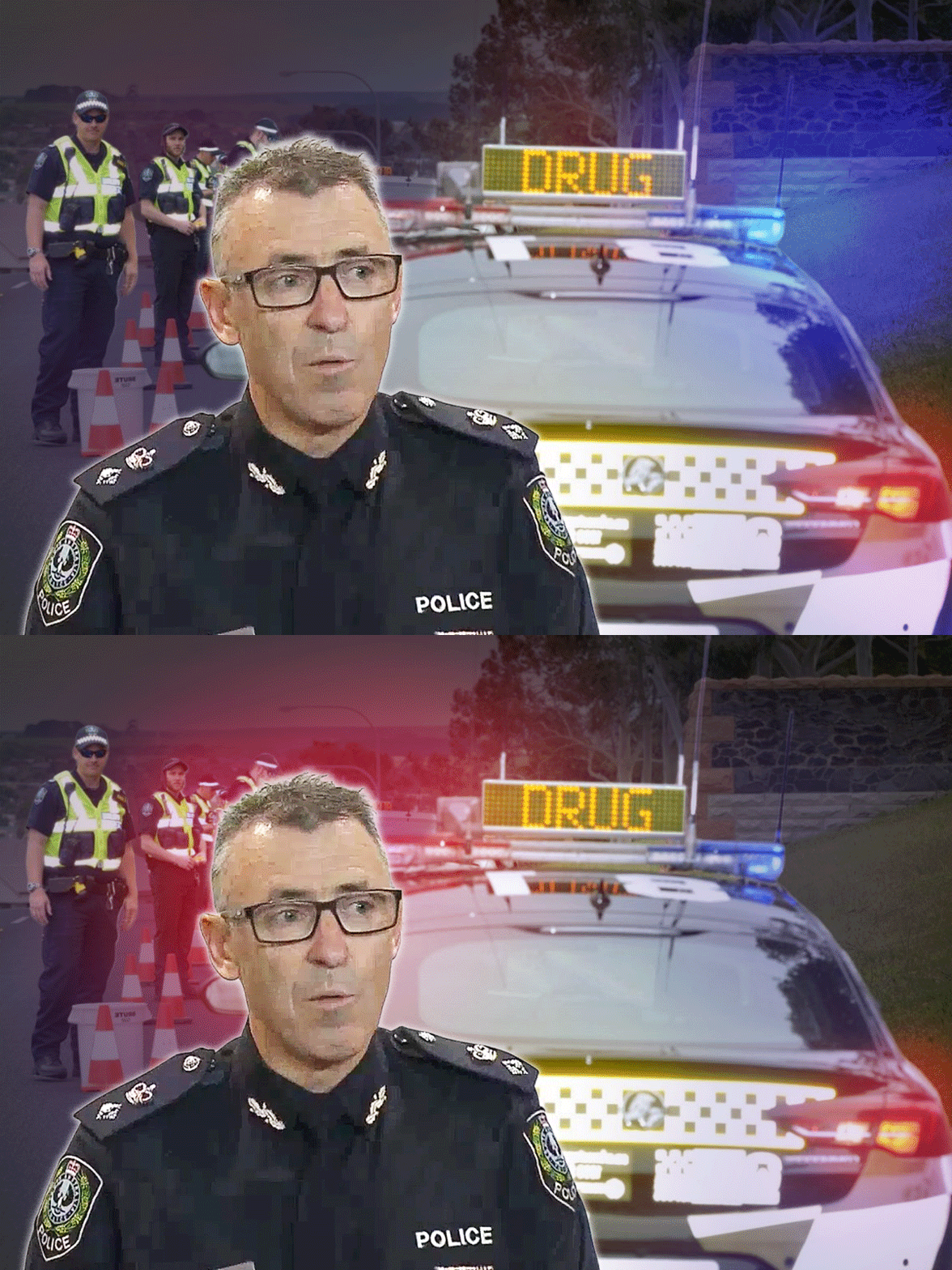
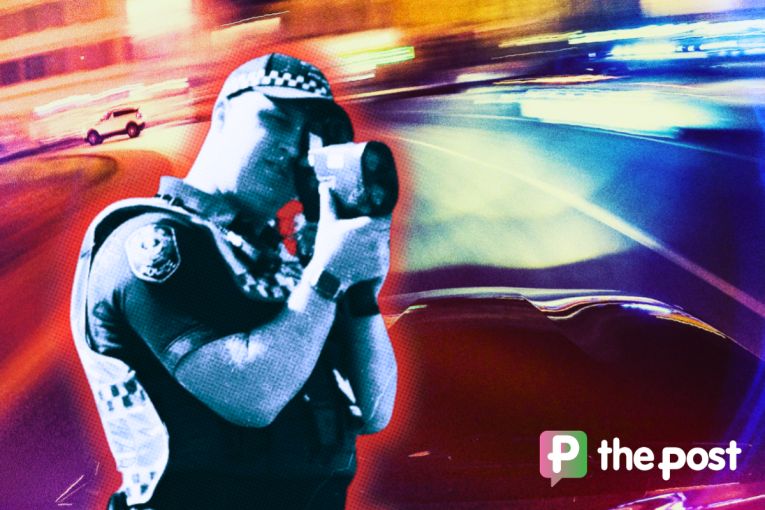
An SA Police annual report has revealed drug driving detections across the state have hit record highs, despite drug testing activity being reduced by 15.9 per cent. And it was methamphetamine that was most likely to be used by drivers illegally behind the wheel.
One SA road safety expert warned that the state needed to take a wider approach than roadside testing in battling the problem, saying “if use of a particularly dangerous drug like methamphetamine is getting to record levels in Australia, we need ways of battling that right from the start”.
Between July 2025 and June 2026, the number of positive drug driving detections was 6,541 from a total of 44,974 tests completed, an 18 per cent rise since 2023 where there were 5,532 drug detections.
It comes after high-profile Sydney Swans forward Tom Papley allegedly tested positive for methamphetamine on Monday after being pulled over by NSW Police while driving on a suspended licence. The club revealed the news yesterday.
Drugs that can be detected in roadside tests include methamphetamine, MDMA, THC (which is found in cannabis), alongside cocaine which was introduced in November last year. Drug drivers were most commonly found to be positive to methylamphetamine, followed by THC.
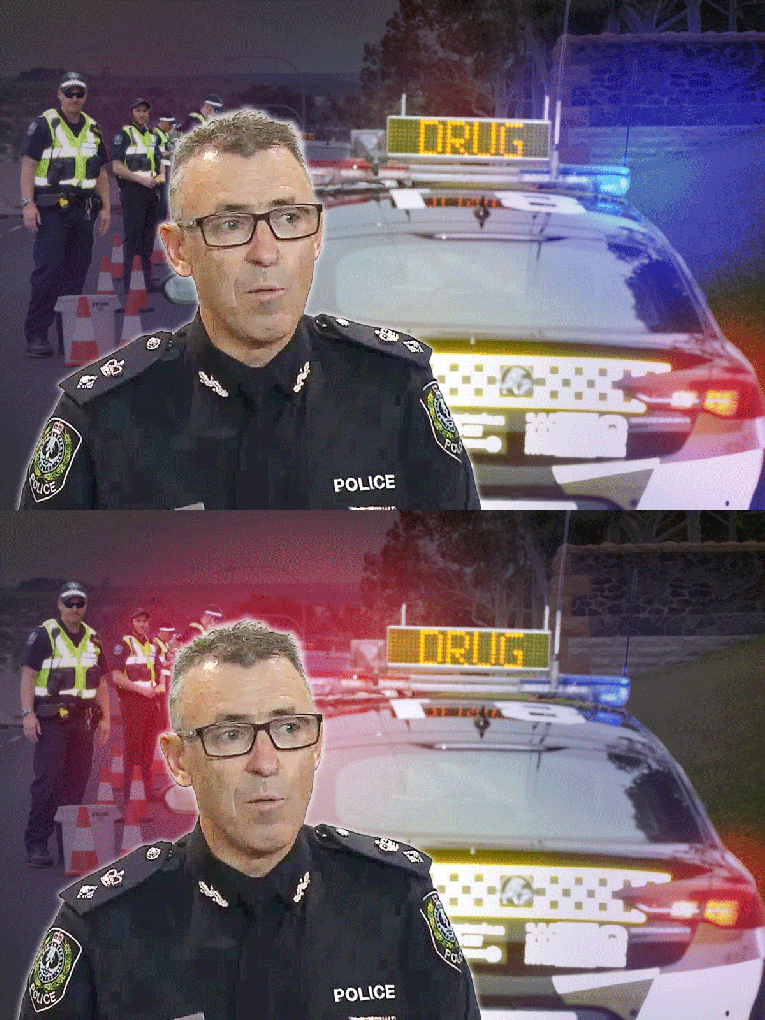
SAPOL road safety chief Superintendent Shane Johnson told InDaily “the drug detection figure reported in the SAPOL 2025/26 annual report, is the highest number of drug driving detections to date”, since roadside drug testing was introduced in 2006.
“Police are disappointed that drivers continue to make the reckless decision to get behind the wheel after taking drugs, putting themselves and other road users at risk,” Johnson said.
“While fewer tests were conducted during the reporting period, the detection rate increased compared with previous years, indicating a higher proportion of positive detections among those tested.”
In SA, the total number of roadside drug tests completed last year decreased by almost 16 per cent from the previous year where 53,488 roadside tests were completed.
You might like

When asked by InDaily if the reduction in drug testing activity was financially motivated, Johnson said it was “likely attributable to a range of operational and administrative factors”.
According to SAPOL’s annual report, $55 million was spent on road safety supplies and services, an increase from $52 million that was spent in the previous year.
Last year, cocaine was added to the roadside drug testing in response to rising drug use in SA wastewater data. According to SA wastewater, methamphetamine, cocaine and cannabis use in 2025 and 2026 was the highest since reporting began in 2012.
The introduction of cocaine to roadside drug testing last year played a factor in the record-breaking number of drug driving detections, with cocaine accounting for 530 detections since November 2025.
“With 90 lives already lost on South Australian roads this year, our message is clear: if you have taken drugs, do not drive,” Johnson told InDaily.
In 2024, drug driving resulted in the loss of 14 lives on SA roads and contributed to 129 life-changing serious injuries, according to data from SAPOL. Between 2019 and 2023, about one in five drivers killed on SA roads tested positive to drugs.
One road safety stalwart was not surprised by the surge in numbers saying it reflected the surge in drug use across the country.
Centre for Automotive Safety Research deputy director Matthew Baldock, who has worked as a road safety expert for more than 20 years, told InDaily that a “holistic approach” was needed to target drug drivers in SA.
Stay informed, daily
“We have to try and move towards a more health-oriented approach and undertake interventions where we try to address people’s drug use,” Baldock said.
“With drug driving, we need to address people’s lifestyles in order to have a positive outcome, rather than just heaping more penalties on someone who may have other issues going on in their life.”
In SA, a drug driving offence results in an immediate driving disqualification for at least three months and a minimum fine in excess of $900.
Baldock said the rise in positive detections was unsurprising considering the rise in drug use across the country.
“Because drug driving testing is more expensive and there are limited resources, police tend to target their testing at people they think have a higher likelihood of being positive for drugs, or locations where drug driving is likely,” he said.
“You tend to get a much higher hit rate with drug driver testing than you do with random breath testing.
RAA senior manager of safety and infrastructure Charles Mountain described the results as alarming saying if detection numbers rose despite fewer tests, there may be “many more drug drivers out there going undetected”.
“Anyone who gets behind the wheel after taking drugs is putting their own life and the lives of other road users at risk,” he said.
“Drug driving is one of the Fatal Five causes of road trauma, and driving under the influence continues to play a significant role in the rising number of lives lost and serious injuries on SA roads.
“South Australia is well off track to meet its Road Safety Strategy targets (a maximum 70 lives lost and 591 serious injuries for the whole year), having already recorded 90 road deaths and 769 serious injuries so far in 2026.”
In October, SAPOL officers detected hundreds of road safety events during a statewide crackdown on drink and drug driving, speeding, and dangerous driving.
During the week-long Operation High Impact F5, police conducted 7931 alcohol tests and recorded 45 alcohol detections, while 651 drug tests were conducted with 101 drivers returning positive results.
Want to see more stories from InDaily SA in your Google search results?
- Click here to set InDaily SA as a preferred source.
- Tick the box next to "InDaily SA". That's it.