Witness tears as ‘a lifetime of pain’ laid bare in Senate hearing
Women who could hardly walk and experienced “medieval-like suffering” have spoken at an Adelaide hearing today, their pain costing the economy billions each year.
Witnesses were brought to tears at Adelaide Town Hall today as hundreds of women shared devastating prenatal and postnatal pain stories with a government inquiry into women’s health.
The Select Committee on Women’s Health, spearheaded by SA Senator Marielle Smith, received about 300 written stories from SA women detailing traumatic births, missed injuries and “painful and embarrassing” problems that “women don’t talk about”.
One Adelaide mother who chose to remain anonymous discovered in her 40s that her pelvic floor muscle had completely detached from the bone but her obstetrician missed the problem during a routine six-week post-birth check.
She was told “all was ok” and told the hearing in her submission that she felt “completely dismissed when I sought help”.
Another woman spent more than two years unable to have sex due to pain caused by an episiotomy – a surgical cut made between the vaginal opening and perineum – and was told she faced a six-year wait to see a public gynaecologist.
Many women testified to being told their conditions were “just part of having a baby”.
You might like
Birth trauma is costing Australia about $17.5 billion each year, including lost labour, health system and household finances, according to a July report from Nous Group and Birth Trauma Australia.
The first-of-its-kind economic analysis, which looked at the 2023-24 financial year revealed an $8.8 billion blow to the labour market as women delay returning to work or leave the workforce due to ongoing symptoms.
But senators heard that since then, cost of living pressures had created an additional barrier, with many unable to afford childcare, fathers returning to work sooner, and two-car families selling a one due to financial pressures, leaving mothers isolated at home.
Birth trauma survivor and former national press gallery senior political correspondent Marija Zivic said she experienced “unforgettable, searing, pass-out pain” during childbirth, which included use of forceps and no epidural.
Zivic could not walk for weeks, experienced maternal exhaustion, postpartum haemorrhage and “fainted in the shower from the blood loss”.
She said after the trauma she was incapable of contemplating another baby; her husband did not “dare bring it up”; “He too can’t erase the memories of medieval-like suffering”.
Stay informed, daily
The Senate committee also heard from Adelaide women with lived experience of miscarriage and disability, who called for more compassion and access.
One blind Adelaide woman said from the get-go she faced access issues when she could not see the lines on standard ovulation or pregnancy tests.
She called for national accessibility standards, doctors “explaining before touching” pregnant women, and “trauma-informed miscarriage care”.
In a written submission, another woman who had experienced multiple miscarriages said she was told by hospital staff she needed to “get it together” while crying in a waiting room.
Senator Smith has held hearings in each state, and said bringing it to Adelaide Town Hall today was “deeply significant”.
“I know from personal experience that the stigma that surrounds this part of a woman’s health care journey means it is not easy to do that publicly. But it is important, and women’s voices are powerful,” she said.
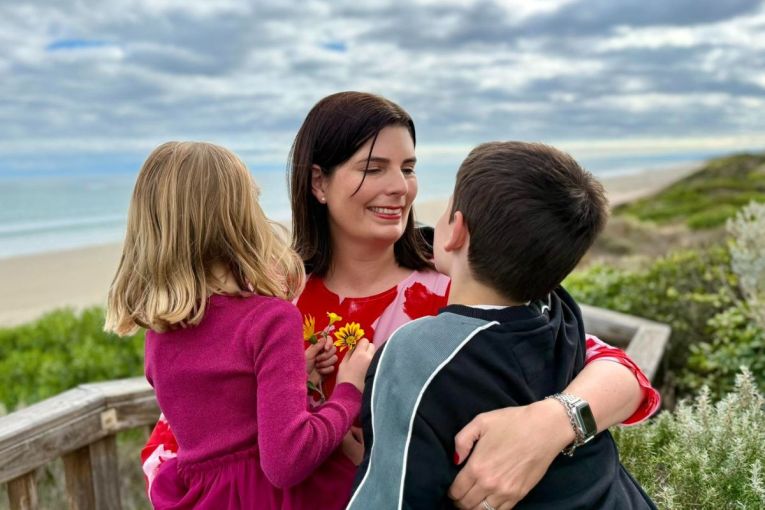
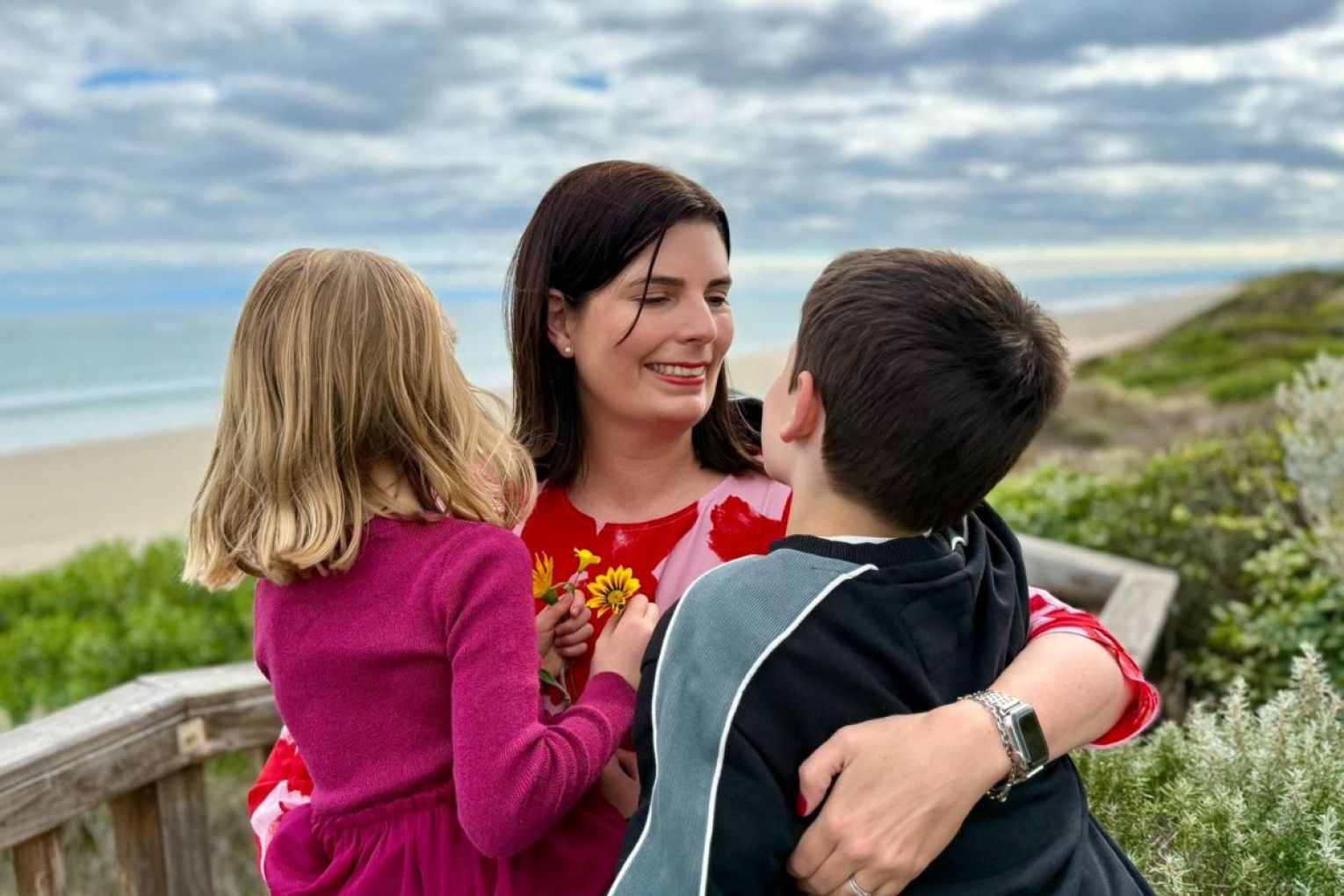
When Smith had her first son, Benjamin, she had “huge” difficulty with breastfeeding due to constant and recurring mastitis, injury and latching problems that caused “unbearable pain” and anxiety.
“Having a baby is nothing short of a life-changing, miraculous experience. But it can also be bloody tough,” Smith said.
“Too many women face significant mental and physical health challenges during the postpartum period without access to the care and support they need. Too many are sitting in a darkness that can feel all-consuming.
“We cannot leave them to face this alone.”
A key area of the committee’s focus is postpartum healthcare, but other submissions also included endometriosis cases or medical termination of pregnancy.
Since it was established in August, the committee has heard from thousands of women across the country and will collate evidence and recommendations to improve the healthcare system by 2027.
Want to see more stories from InDaily SA in your Google search results?
- Click here to set InDaily SA as a preferred source.
- Tick the box next to "InDaily SA". That's it.