Fears over exotic bird imports as Adelaide zoo battens down flu hatches
Concerns over a proposal to allow live exotic bird imports are emerging as Adelaide Zoo and poultry farms activate battle plans for the devastating flu that has killed millions of creatures across the world.
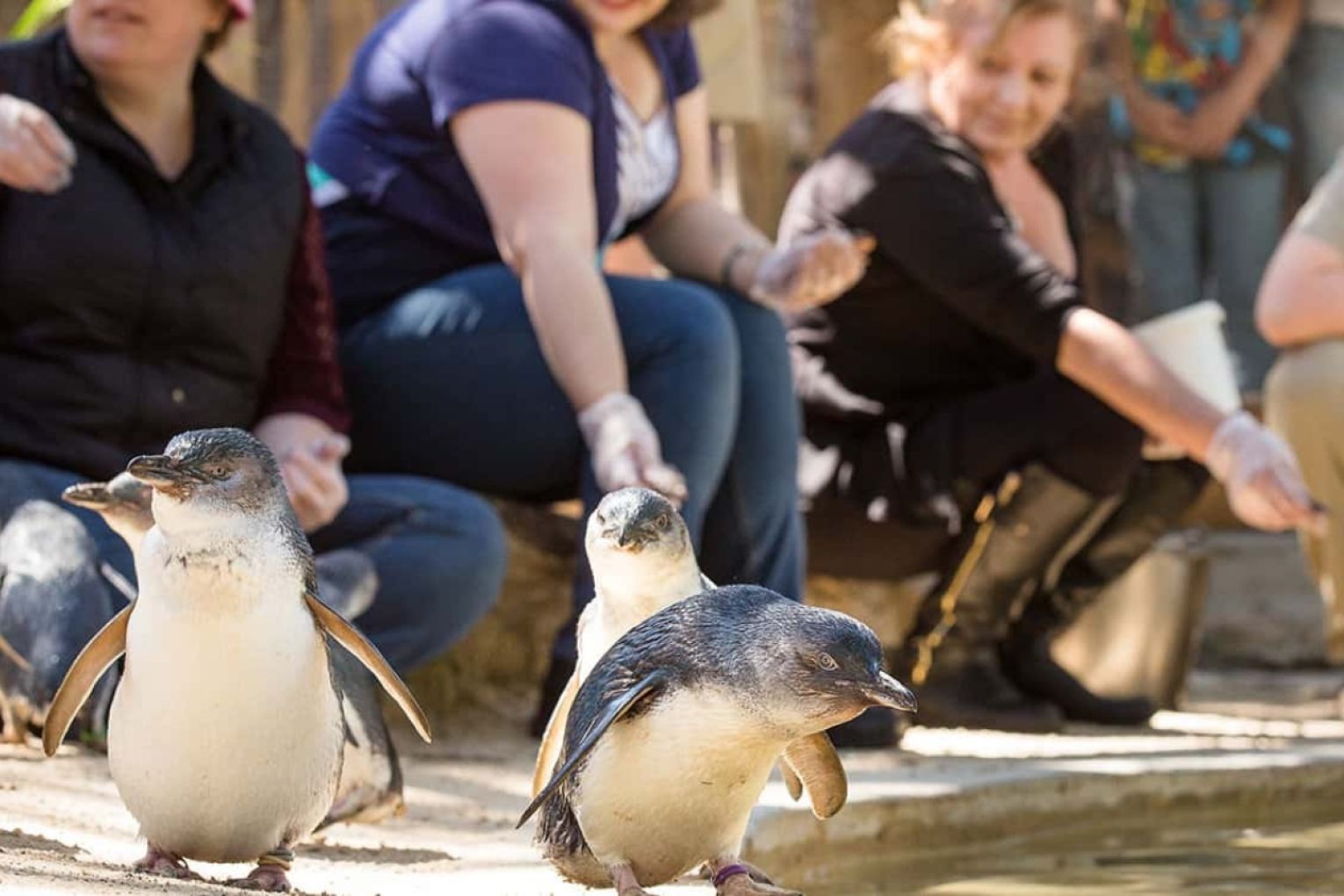
Walk-through aviaries at Adelaide Zoo remain closed as the state takes precautions for a potential mass outbreak of bird flu, while a leading conservation agency is calling for a ban on live exotic bird imports.
Professor Adrian Esterman, who is a generalist epidemiologist at Adelaide University, said the virus, which has killed millions of birds and mammals around the world, could be “pretty catastrophic” to wildlife if there was a mass outbreak and it also remained a serious threat to poultry.
“Certainly, we could expect a mass dying of wild birds. If, for example, it did get into a poultry farm, they’d probably have to cull all of the poultry and then put an isolation area around that to prevent it from spreading to other poultry farms.”
Esterman said the discovery of a dead greater crested tern at Robe Marina was of particular concern as it could lead to further infections in native bird populations, adding that “the big worry” would be the infection impacting endangered mammals and marsupials.
He said that with Australia’s thousands of kilometres of coastline, it was possible “lots more” dead seabirds and other animals like seals impacted by the virus that had not been detected, but reiterated that there were “really good” surveillance systems in place.
“We’ve got an absolutely huge coastline, thousands of kilometres of coastline; so, it would be very, very difficult to find every single dead bird, and they might be hidden under seaweed or who knows,” he said.
But he believed the state government was well prepared with surveillance and vaccines and the risk to humans was incredibly low.
“So, it’s not new, it’s not a surprise, and we have a really good surveillance system, and it was built exactly for this, and the fact that we’re finding all these birds shows that the detection system is working,” he said.
You might like


“It’s not currently a human respiratory disease, and the reason is that it latches onto these receptors deep inside the bird’s gullet (oesophagus) and we don’t have those receptors.”
Meanwhile the Invasive Species Council has condemned a proposal from the Federal Government to lift a 30-year ban on live imports of exotic parrots.
Claire Bookless, who is a senior policy analyst at the Invasive Species Council, called on the government to ban the import of all 33 parrot species currently on the live import list.
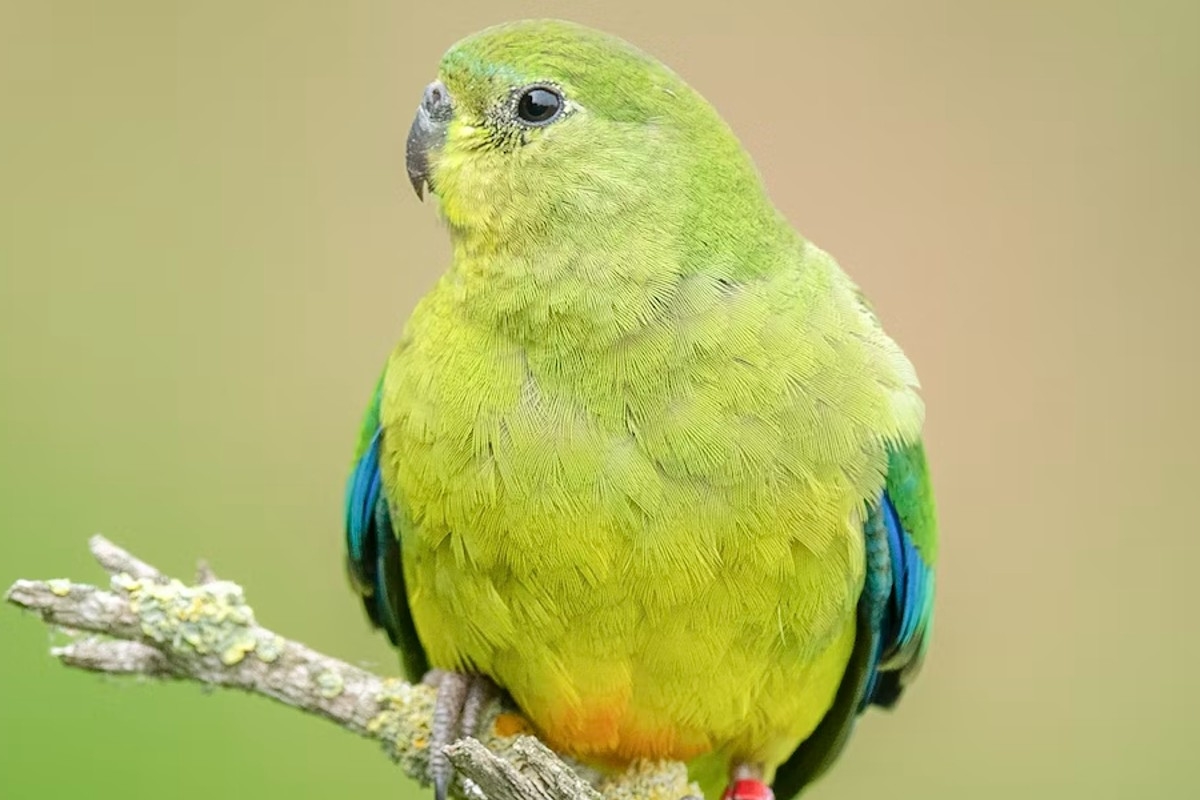
She was particularly concerned about the orange-bellied parrot, which breeds in Tasmania and then migrates to South Australia’s coast each winter and whose wild population currently consists of fewer than 100 individuals.
“With H5 bird flu already threatening Australia’s unique wildlife, we’re really concerned about this proposal because it’s opening potential new pathways for exotic diseases to enter Australia and potentially affect our iconic species, such as the orange-bellied parrot,” she said.
Bookless said she witnessed 26 orange-bellied parrots while in Malaleuca in Tasmania, calling the sighting “quite rare”.
“At the time, it was probably almost all of the orange-bellied parrots that were left in the wild, so that’s really incredible, and they’re just such a special and charismatic bird,” she said.
A spokesperson for the Department of Agriculture, Fisheries and Forestry (DAFF) said that “the final report will take into consideration stakeholder comments, including on threatened parrot species, as well as the expert review provided by members of the Scientific Advisory Group and will recommend appropriate biosecurity measures to mitigate biosecurity risks in imported psittacine birds”.
“The National EPA is considering the process for removing parrots from the Live Import List that have not undergone a risk assessment under the Environment Protection and Biodiversity Conservation Act 1999,” the spokesperson said.
Meanwhile, at Adelaide Zoo, the walkthrough aviaries remain closed due to concerns that animals could be impacted by a potential bird flu outbreak, while the Little Penguin and Free Flight Show experiences also remain closed.
Zoos SA chief executive Dr Phil Ainsley said they were “carefully monitoring the emerging situation” of the H5 Bird Flu strain in South Australia, adding that the zoo would assess whether to keep the temporary closures in place over the coming weeks.
“Our priority, as always, is the care for all of the animals in our collection across both our sites,” he said.
Stay informed, daily
Ainsley said that since Australia is the last continent to have the H5 bird flu strain arrive, Adelaide Zoo has had “lots of time” to prepare by learning from overseas colleagues and putting in place its biosecurity and action mitigation plan.
“At this point in time, both of our sites – Adelaide Zoo and Monarto Safari Park – remain open to the public; it is safe to visit, and all our animals are safe,” he said.
On Tuesday, the State Government announced it would partner with Conservation Council SA, Birds SA and BirdLife Australia for a program to enable birders to contribute to South Australia’s bird flu response.
Under the program, volunteers would be invited to sign up for the Bird Observers Network and would receive specialised training to identify sick birds that may be showing signs associated with H5 bird flu in the wild and to record and report observations.
Primary Industries and Regional Development Minister Clare Scriven said the program would also provide an opportunity for the State Government to share the latest situational awareness, guidance and associated safety protocols with volunteers.
The South Australian government recently undertook an aerial survey covering almost 5000 kilometres of coastline, islands and reefs, which found no evidence of widespread impacts from H5 bird flu on wildlife.
“We currently have only five detections still in South Australia, which is really encouraging – we’ve appreciated the members of the public who are reporting to the emergency and or disease hotline, and we encourage that to continue,” Minister Scriven said.
According to DAFF, as of this morning, there were 14 confirmed cases of H5 bird flu in wild birds across Australia.
This included eight in Western Australia, five in South Australia and one in New South Wales.
DAFF said there was no evidence of any mass mortality or of infection in poultry or the wider agriculture industry, with the risk to human health remaining low.
What to do:
The community is encouraged to report any dead or sick birds or wildlife showing signs of bird flu. Possible signs of bird flu in birds include:
- Multiple sick or dead birds in one location
- Weakness, inability to stand or fly
- Neurological signs or abnormal behaviour
- Swelling or discolouration of the head
- Respiratory distress
If you see sick or dead birds or other wildlife, do not touch them.
Avoid contact. Record what you see. Report it to the Emergency Animal Disease Hotline on 1800 675 888 from anywhere in Australia.
Want to see more stories from InDaily SA in your Google search results?
- Click here to set InDaily SA as a preferred source.
- Tick the box next to "InDaily SA". That's it.