New warnings as first native bird flu case discovered in SA
The state government has revealed the nation’s first case of the deadly H5 bird flu in native wildlife has been found in SA.
The nation’s first case of the deadly H5 bird flu has been found in native wildlife after a seabird was discovered in the state’s south east.
Primary Industries Minister Clare Scriven revealed at a bird flu update today that a dead greater crested tern was discovered at Robe Marina and reported to the Emergency Animal Disease Hotline on Tuesday.
This bird was tested at PIRSA’s Glenside facility and the CSIRO’s Australian Centre for Disease Preparedness, results this morning confirming the H5 bird flu.
Scriven said it was important to note that while this was the first confirmed detection in native wildlife, it was being treated as an isolated incident.
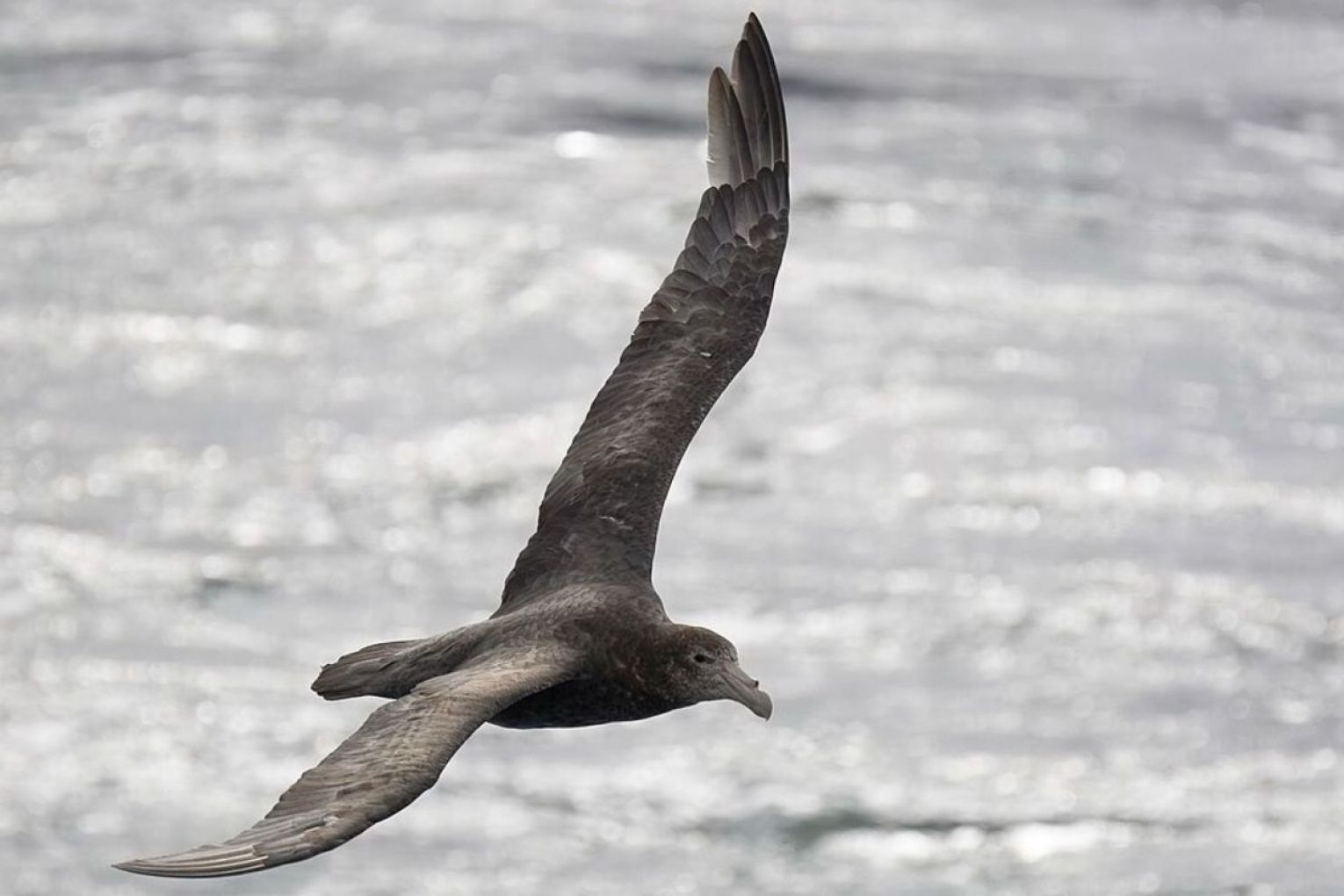
Two other migratory birds – giant petrels – discovered at Emu Bay on Kangaroo Island and Port Vincent on Yorke Peninsula earlier this week, had also been confirmed as victims of the flu.
“The two birds that were found and been considered a suspect earlier in the week have been confirmed to have the H5 bird flu,” Scriven said.
“(But) this is the first time that we have seen it in an Australian seabird. However, it is an isolated case at this stage, when it was collected, there was no evidence of other mortalities in that area, and so we’re still considering this an isolated case.
You might like


“The vast surveillance that we have done over the last couple of weeks, which is the biggest in 40 years, has not shown mass mortalities in bird life or in wildlife.
“That is very encouraging, and of course we continue to encourage people to report to the hotline because that is one of our best ways of early detection.”
There are now 12 confirmed cases of H5 bird flu nationwide, with detections in 11 migratory birds and now one native bird.
SA’s chief veterinarian, Dr Skye Fruean, said “the fact we’ve picked it up in one single bird is quite incredible”.
“I do have confidence that if it has spread further, we will pick that up quickly,” Fruean said.
“Based on what we’ve seen overseas, we could expect further spread. That’s why our focus continues to be on surveillance and trying to monitor how this is progressing really vigilantly.”
Fruean previously said there were concerns about the potential impact of bird flu on sea lions in light of the Kangaroo Island case.
Opposition Primary Industries and Regional Development Minister Nicola Centofanti said the detection in a native bird species was “a concerning development” that “underscores the need for ongoing vigilance”.
Stay informed, daily
“The Government must continue to provide timely, transparent public updates and ensure wildlife carers, primary producers and coastal communities have the information they need to identify and report suspected cases,” Centofanti said.
“We will continue to monitor the situation closely and expect the Government to remain proactive in surveillance, preparedness and protecting both our environment and our livestock industries.”
South Australian Research and Development Institute executive director Professor Mike Steer has also said that sea lions were one of the “highest priority” marine conservation concerns, given the species is nationally listed as Endangered.
Today, the government said the latest incident takes the state’s total to five confirmed cases of H5 bird flu, all in wild seabirds. Ongoing surveillance will continue across the state, including aerial patrols with helicopters, planes and drones, and field surveillance crews.
Scriven said that SA had been preparing for H5 bird flu for the past few years, with the state and federal governments investing a combined $8.1 million into PIRA to boost its emergency response capabilities, surveillance, diagnostics, workforce capability and overall readiness.
The Invasive Species Council called on the federal government to establish a $200 million wildlife resilience fund to boost populations of Australia’s most vulnerable species, saying: “Bird flu is a disease we cannot stop, but we can give Australia’s wildlife a much better chance of surviving it.”
According to the Department of Agriculture, there had previously been eight confirmed or presumed detections of H5 bird flu in wild birds across Australia.
This included five in Western Australia, two in South Australia and one in New South Wales.
The department said that there was no evidence of any mass mortality or of infection in poultry or the wider agriculture industry, with the risk to human health remaining low.
A series of community information sessions on HS bird flu are being rolled out:
- Kangaroo Island – Kingscote Town Hall, Kingscote – Thursday, July 16, from 6pm to 7.30pm
- Yorke Peninsula – Yorketown Town Hall, Yorketown – Wednesday, July 22, from 6pm to 7.30pm
- Metropolitan Adelaide – Venue TBC – Monday, July 27, 6pm to 7.30pm
- Adelaide Plains – Port Parham Sports and Social Club, Dublin – Thursday, August 6, 6 to 7.30pm.
Want to see more stories from InDaily SA in your Google search results?
- Click here to set InDaily SA as a preferred source.
- Tick the box next to "InDaily SA". That's it.