Years-long shutdown for key museum space
The SA Museum is shutting its Pacific Cultures Gallery from August to preserve key pieces, including an almost 100-year-old hut. See the pictures.
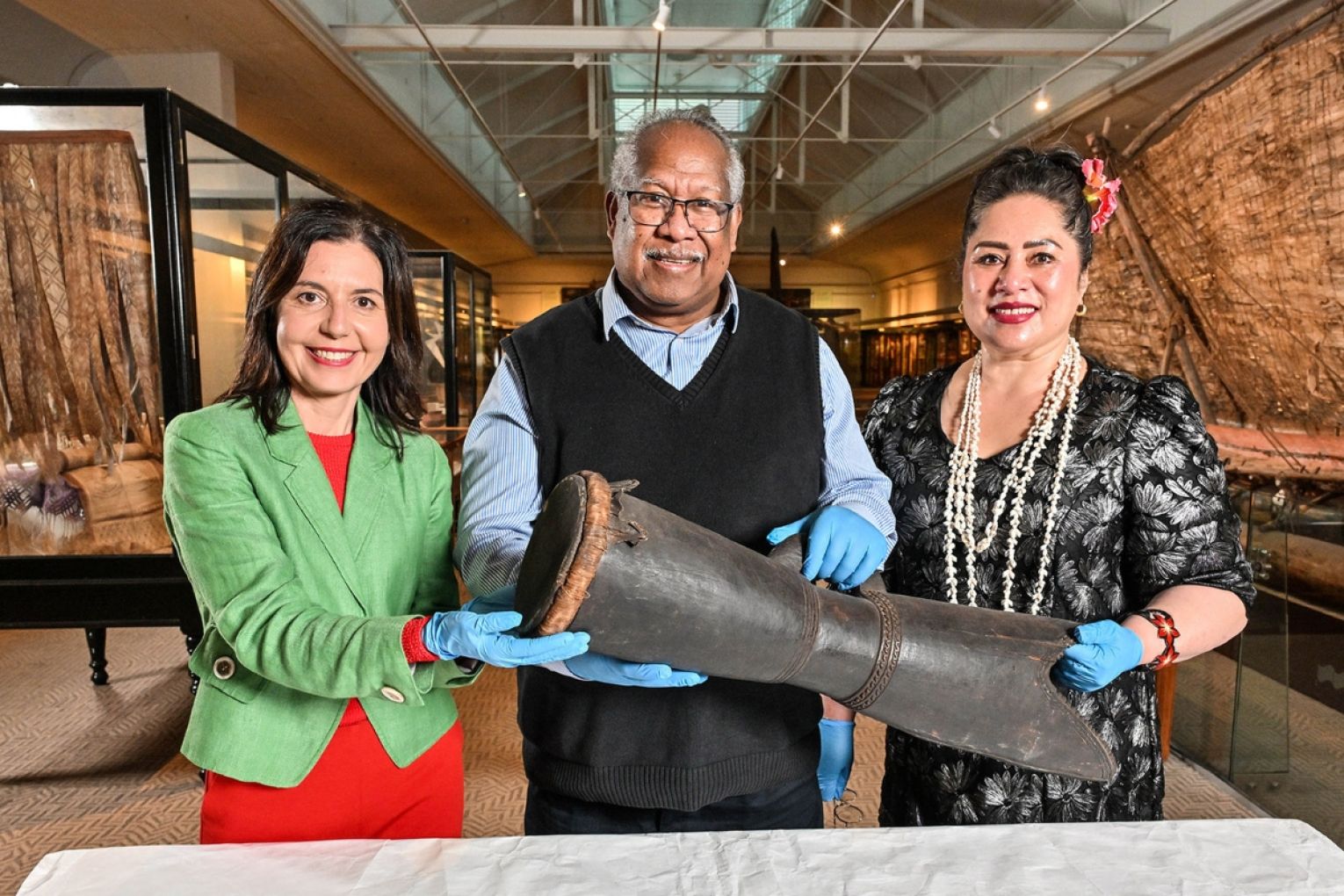
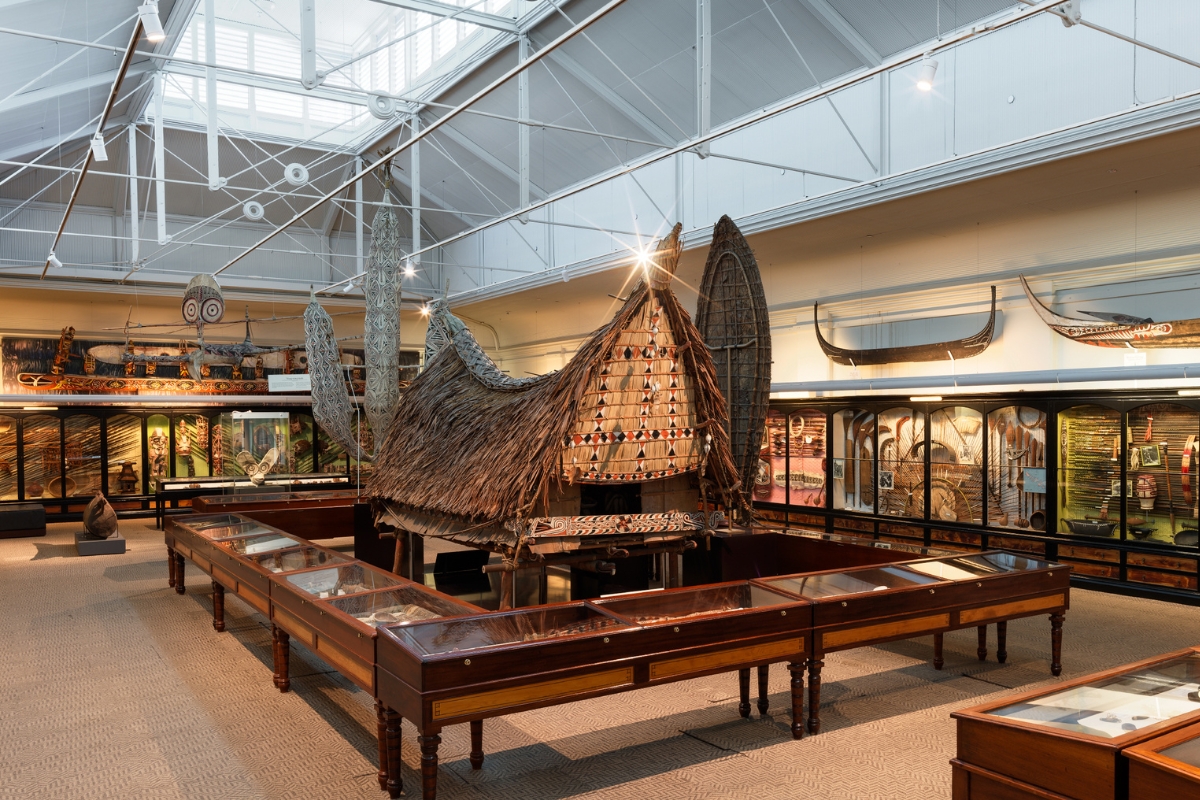
Pacific Island masks, headdresses, a canoe and an almost 100-year-old hut will be removed from a key gallery for preservation, the South Australian Museum announced today.
The North Terrace museum’s upstairs space would be closed while the work is carried out for a major conservation and cultural care program.
It is part of a larger, years-long project to preserve culturally significant ancestral objects, which would cost about $400,000 from the SA Museum’s operational budget for the first phase.
It comes a decade after human remains were removed from the Pacific Culture Galleries, as the museum updated its repatriation policy of Indigenous ancestral remains.
Papua New Guinea community leader Fred Ovia said the almost 100-year-old hut in the existing display was one of the items that required “considerable conservation efforts” to ensure its materials, like coconut fibre, traditional ropes, palm leaves, wood and bamboo, do not degrade and can be appreciated by future generations.
You might like
“My grandson is only seven years old, and every time he visits from Papua New Guinea, one of the first places he’d like to go to is the museum,” Ovia said.
“So I’d like to see that when he grows up, and he’s got his own family that he would pass that knowledge on to them.”
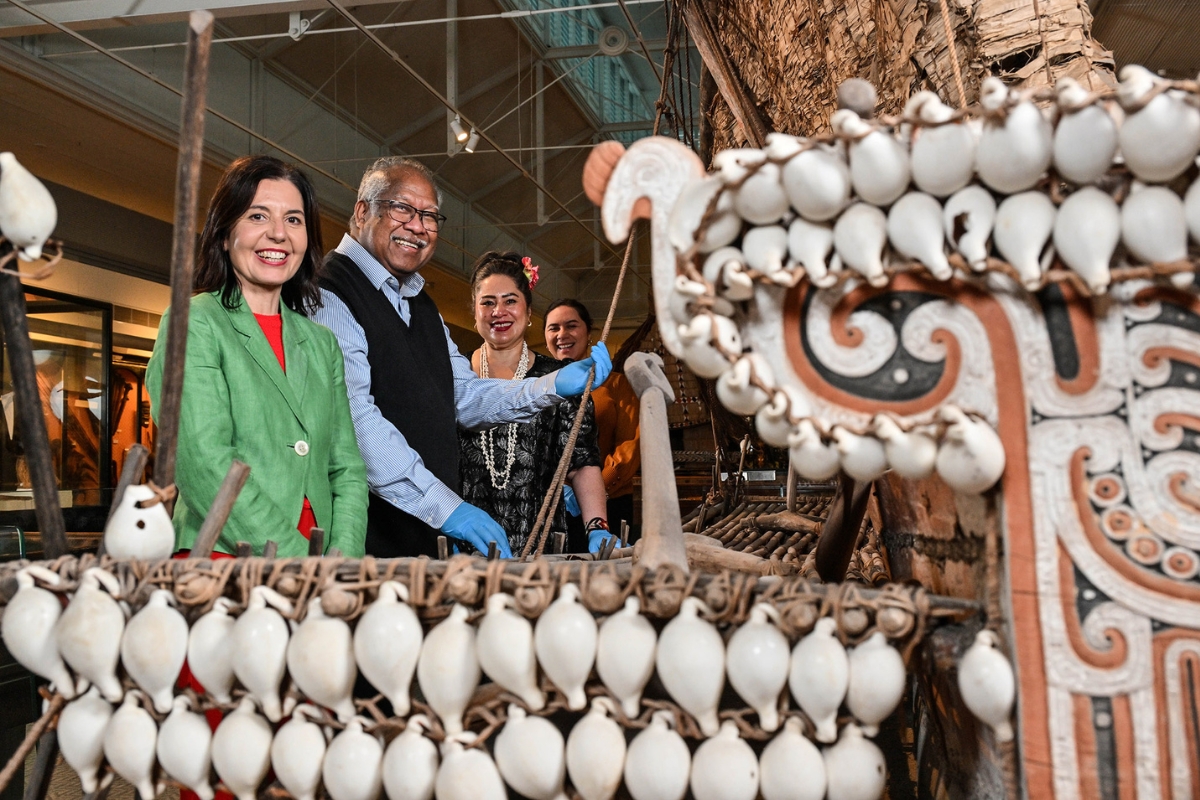
The gallery would be closed to the public from Monday, August 3, and the artefacts would be carefully packed and documented with Artlab Australia and Pacific communities.
Stay informed, daily
SA Museum Director Dr Samantha Hamilton said while the gallery is closed, there will be temporary pop-up displays showcasing other Pacific collections currently in storage.
Hamilton was appointed director last year and said she was bringing her background as a material scientist and conservator to the project.
“Our responsibility really lies in making sure these materials are around for not just 100 years, but another 200, 300, 400 years, and so proper conservation care is really about rotating items and now giving items an opportunity to rest,” she said.
“And then what we do have is thousands of other items that are in storage … the exciting part of this project now is just working with the communities and turning to all those collections that are in storage and now surfacing and bringing out collections that people have never seen before.”
It comes a decade after human remains were removed from the Pacific Cultures Galleries in 2016, as the museum updated its repatriation policy of Indigenous ancestral remains.
The South Australian Museum board currently holds nearly 5000 ancestral remains from Australian and overseas Indigenous populations, including 3700 from South Australian burial sites.
It has repatriated hundreds of ancestors in recent years, including the remains of an Aboriginal stockman in May, and Kaurna ancestors who were laid to rest at Wangayarta memorial park in October 2025.
Hamilton said the museum was “world-leading” in the repatriation space, and that it continues to deal with human remains, sacred or sensitive artefacts, with “sensitivity” and “great, established protocols, working with communities”.
Pacific Islands Council of SA CEO Rosanna Maualaivao said Papua New Guinea, Vanuatu, and Māori leaders and cultural custodians “are directly driving the cultural protocols, care, and next steps for their respective ancestral items and Tumbuna treasures”.
“True partnership means ensuring our communities hold direct agency and an unmediated seat at the table.”
Want to see more stories from InDaily SA in your Google search results?
- Click here to set InDaily SA as a preferred source.
- Tick the box next to "InDaily SA". That's it.