‘Extreme risk’: AUKUS warnings as Garrett’s inquiry docks in Adelaide
“Extreme” economic risk and nuclear waste disposal concerns for the $368 billion AUKUS submarine project are being heard at an independent inquiry in Adelaide today.
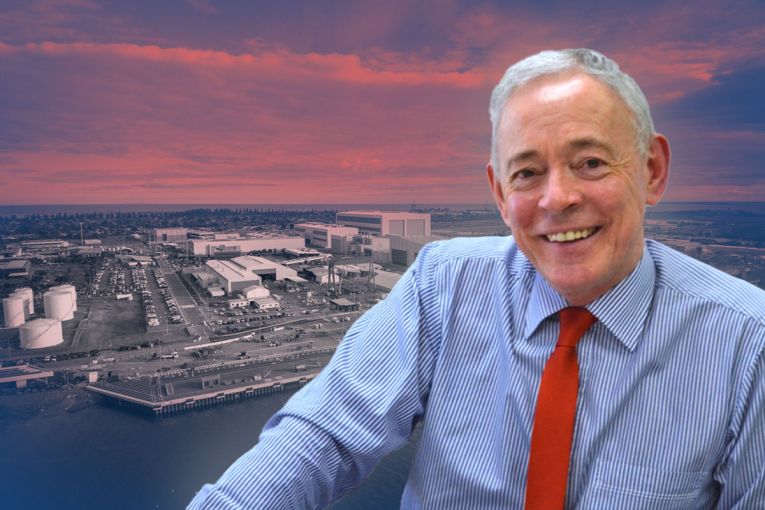
The risk associated with the Federal Government’s $368 billion AUKUS nuclear submarine project are being criticised by former federal senator and self-described ‘transparency warrior’ Rex Patrick this morning at an independent inquiry held in Adelaide today.
And transparency warnings were raised over the government’s plans for nuclear waste from submarines built at Osborne in South Australia, Patrick saying he was fighting in the Federal Court for information to be made public.
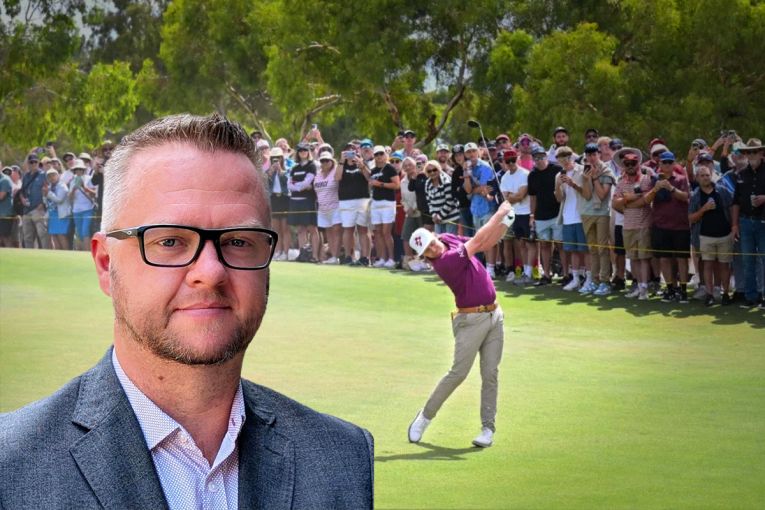
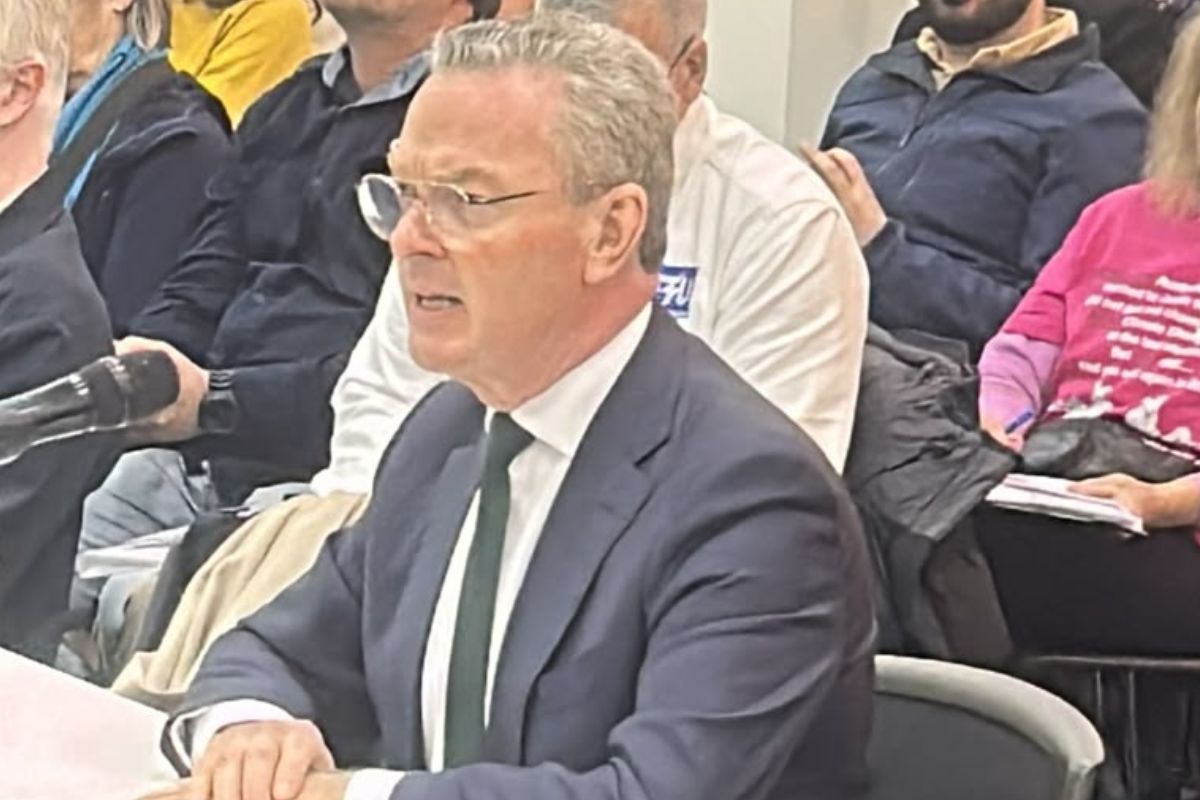
Meanwhile, former South Australian Liberal MP Christopher Pyne, who was Minister for Defence from 2018 until his retirement in 2019, said he “thought twice about appearing” at the inquiry led by famed Australian musician and former federal Environment Minister Peter Garrett.
Pyne said he bit the bullet because he believed in the “battle of ideas”.
The independent inquiry into the defence agreement between Australia, the United Kingdom and the United States was established earlier this year to scrutinise the deal.
It is being led by former Labor MP and Midnight Oil front man Peter Garrett, with public hearings taking place across the country, including in Adelaide today and tomorrow.
Other commissioners included First Nations leader Karina Lester, former West Australian Premier Carmen Lawrence, former Chief of the Australian Defence Force Chris Barrie and co-CEO of the Australia Institute Leanne Minshull. A final report was expected on October 30.
You might like
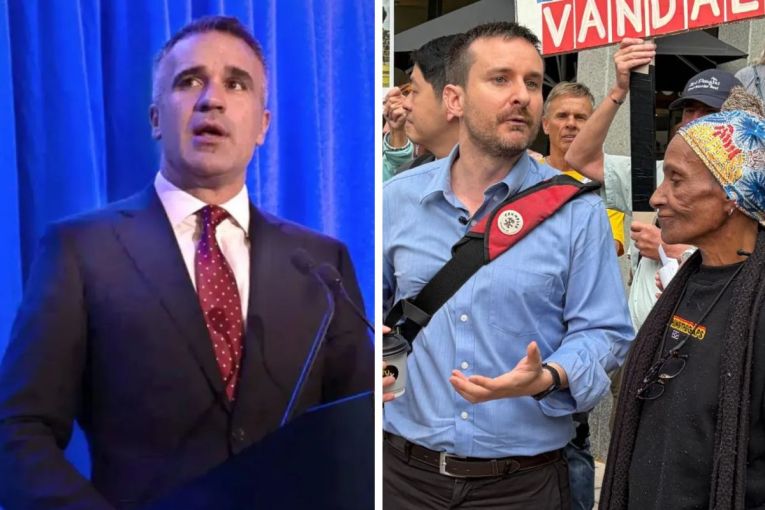
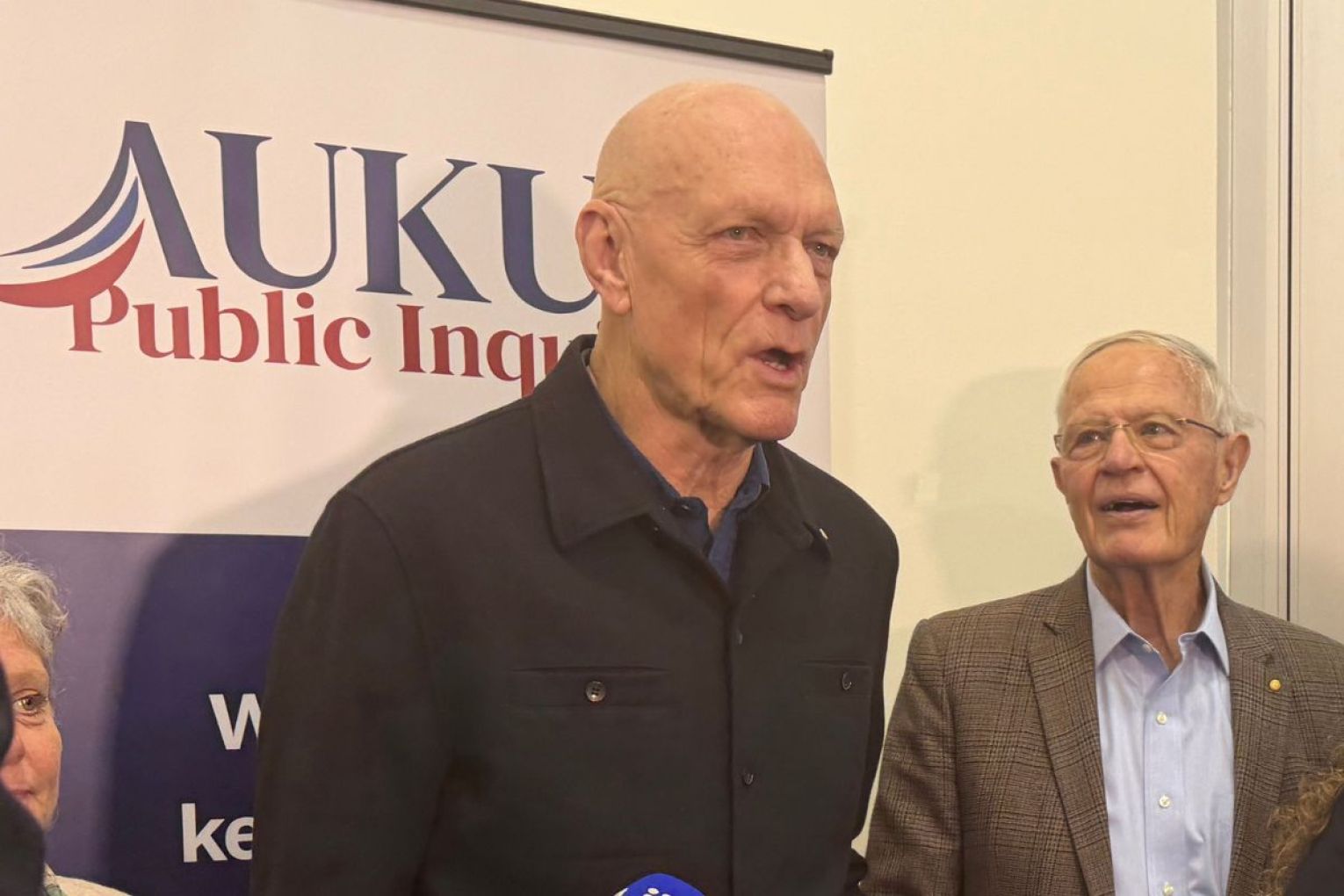
“Adelaide is at the epicentre of the AUKUS project,” Garrett told reporters at a press conference before the inquiry started.
“Whether it’s questions on the safe, long-term storage of radioactive waste, whether it’s the impact on communities in Adelaide and around Osborne, whether it’s the question of opportunity cost for the Adelaide economy.
“It is a matter of some regret that the AUKUS decision – the biggest-ever decision by any Australian government to spend public money on submarines, some not even built – was made with minimal public debate.”
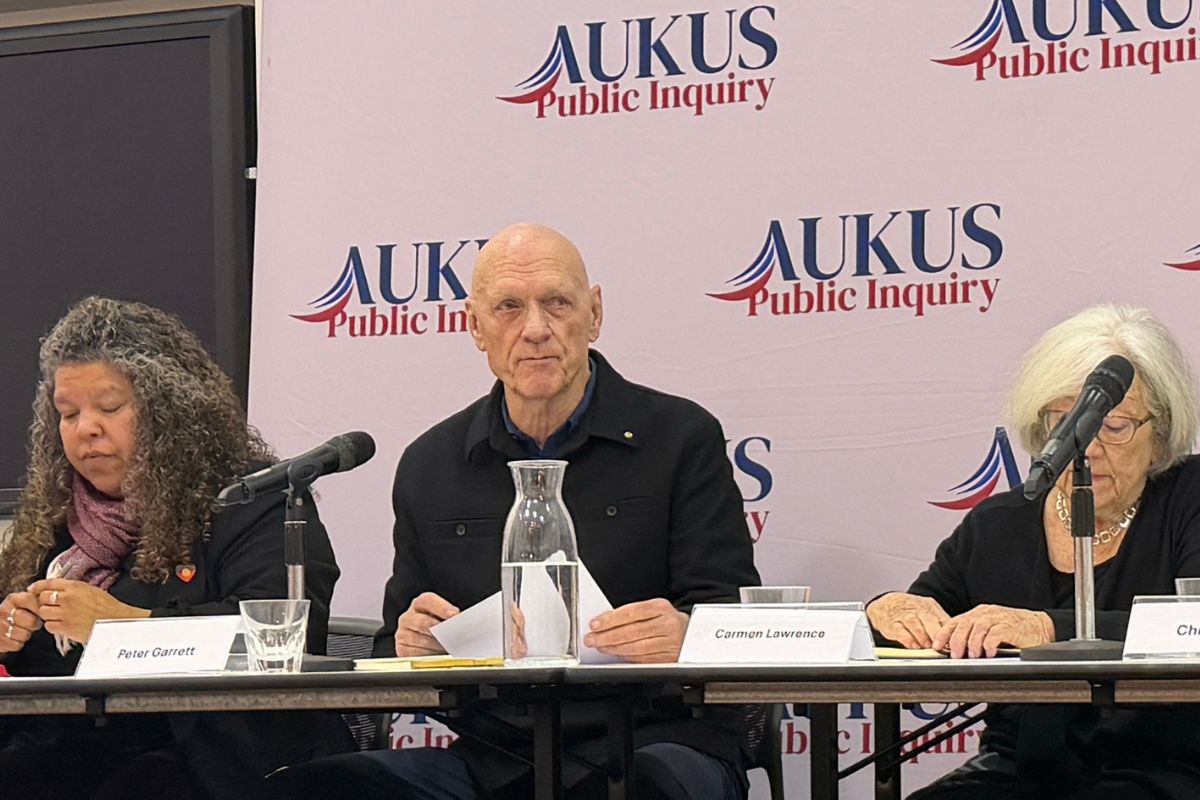
The inquiry has been supported by trade unions and non-profit organisations to address questions over whether risks – economic and political – were being managed appropriately, Patrick telling the inquiry the country was taking on a “hugely risky program”.
“From an absolute cost perspective, it is unaffordable and it is bankrupting,” he said.
“There’s also an opportunity cost. You know – $360 billion – if you think about what you can spend with that amount of money… we wouldn’t be worrying about fuel security, we wouldn’t be worrying about industrial resilience.”
He added that nuclear waste storage was “a problem that needs to be solved”, noting he was fighting in the Federal Court for the release of documents around where the government was planning to store waste from the nuclear submarines.
Stay informed, daily
“I’m not asking for the release of documents that relate to how fast a submarine might go, how many weapons it might have… I’m asking for information that is incidental to this project but really important to it: Where are you going to put the waste associated with this?” Patrick said.
Pyne gave evidence ahead of Patrick, and emphasised the importance of the AUKUS project in terms of national defence against China, saying the uplift in defence capability would be imperative “if we find ourselves on our own in the worst case scenario”.
He described AUKUS as “unstoppable” and said it would deliver a permanent boost for defence spending, an upgrade to Australia’s bases and facilities, an investment in STEM and trade skills, and would be a permanent change to Australia’s national security.
The inquiry was set to continue until this evening, with other speakers including anti-nuclear campaigner David Noonan and SA Greens MLC Melanie Selwood.
The Greens today released new findings from a survey of 343 South Australians, showing 83.7 per cent of respondents were “mostly concerned” about AUKUS.
Seventy-one per cent said AUKUS would make Australia less secure, and 74.5 per cent said they did not see “clear benefits” from the defence pact.
AUKUS was set to be a boon for the South Australian economy and jobs creation, with the nuclear submarine shipbuilding yard set to be constructed at Osborne at a cost of at least $30 billion.
Both the state and federal governments said they hoped the project would create 10,000 jobs in design and construction as well as up to 1000 apprentices per year at an on-site training facility, with the first newly built submarines expected to be delivered to the Australian Navy in the 2040s.
Enough steel to make 17 Eiffel Towers as well as 710,000 cubic metres of structural concrete will be used in the construction of the 420-metre-long fabrication hall.
However it has already weathered several hiccups.
In June, Federal Defence Minister Richard Marles announced Australia would only buy three second-hand nuclear-powered submarines instead of the promised mix of new and used US vessels.
This plan was expected to happen before Australia eventually built its own submarines using US nuclear-propulsion technology and parts made in Britain.
The second-hand subs announcement comes after the US has struggled to make enough Virginia-class submarines for its own use, leading some American lawmakers to question how it could also build enough of the boats to meet Australia’s needs.
Australia faces a critical window to receive the submarines before its existing, 1980s-designed Collins-class vessels are retired from service.
Want to see more stories from InDaily SA in your Google search results?
- Click here to set InDaily SA as a preferred source.
- Tick the box next to "InDaily SA". That's it.