‘Most ageist in Australian history’: SA’s elderly respond to federal budget
A new survey from SA’s peak body for people aged over 50 claims the federal budget leaves the elderly “forgotten”. One respondent claiming it penalises those who “saved and planned” with hits to private health insurance.
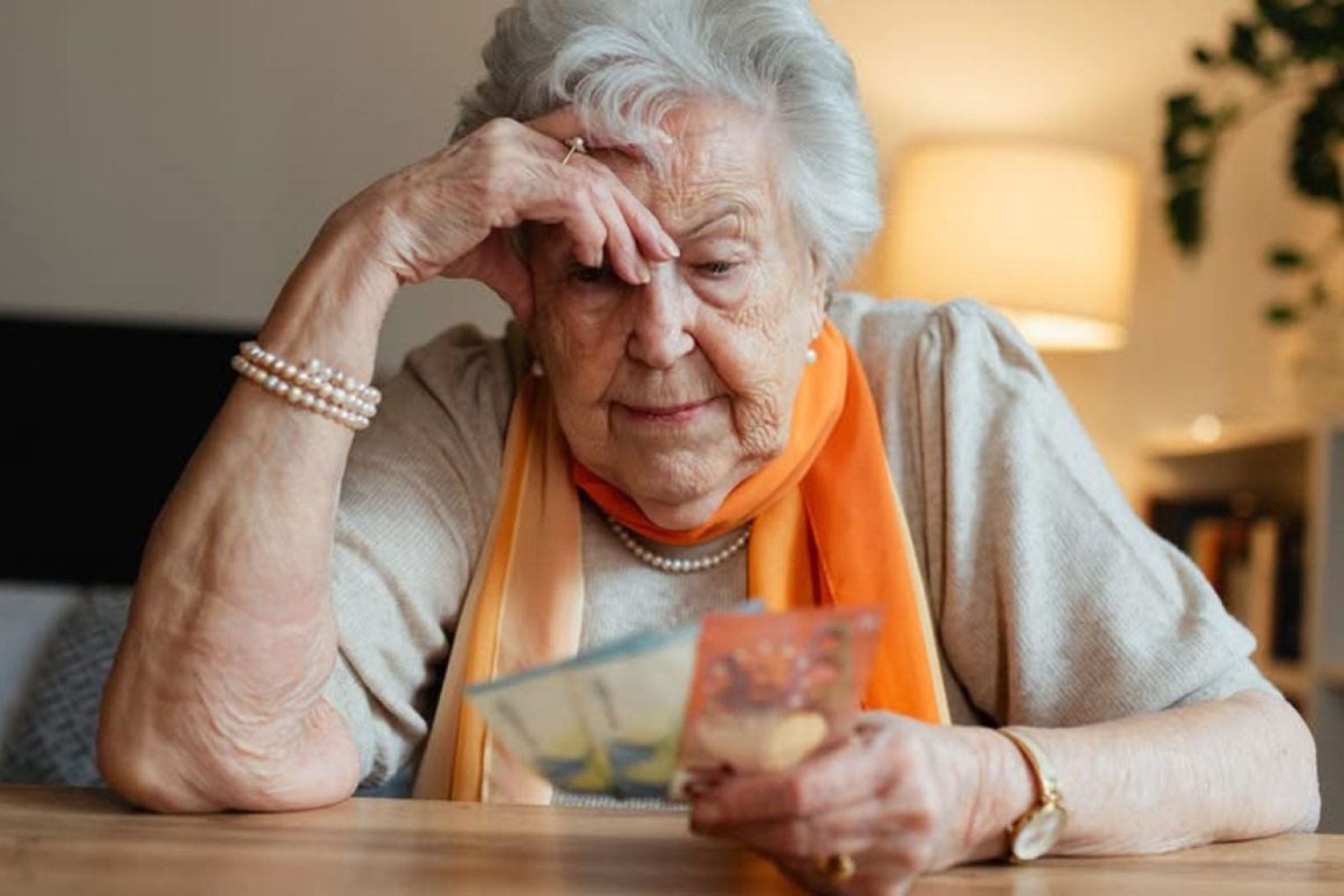
Older South Australians are feeling dejected following last week’s federal budget, according to a new survey from the Council on the Ageing (COTA) SA.
The peak body’s survey of 400 people aged 50 and above shows 62 per cent feel negative about the budget overall, while 71 per cent believe it will negatively affect them personally.
COTA SA CEO Miranda Starke said the survey response shows this year’s budget could “negatively impact people’s lives in a very tangible way”.
Survey results showed a marked difference to responses after the 2025 federal budget when 49 per cent expressed negativity and 26 per cent remained neutral. This year, neutrality dropped to 13 per cent.
Cost-of-living relief and access to healthcare were flagged as the two biggest concerns for older South Australians, with some respondents calling changes to private health rebates and a lack of pension increase “ageist”.
You might like

“The feedback from this budget was that it did nothing to alleviate any of that pressure on their daily lives. We heard a lot of comments from older people saying that they really felt forgotten, and they felt almost penalised for being older,” Starke said.
The federal budget unveiled a major reform to reduce private health insurance rebates for Australians aged over 65 to align with the rate offered to those under 65.
Effective from April next year, the changes are estimated to save the government $3 billion over four years, which would be put into aged care funding, and cost older Australians an extra $250 per year for private health.
The government expects 44,000 older Australians to drop their private health insurance, sparking concerns from survey respondents it would put greater strain on the public health system.
Stay informed, daily
“Many older people do whatever they can to keep affording private health,” Starke said.
“It’s very expensive. One survey comment was ‘we can’t afford private health insurance, but we can’t afford not to have it’.”
COTA shared quotes from survey respondents including “it is perhaps the most ageist budget in Australian history. Worse than that it’s dressed up as intergenerational equity, when the reality is younger Australians will be hit by a raft of unintended consequences”.
Another saying “this budget penalises those who saved and planned” and one responding “a lifetime of work… now under threat”.
Minister for Health and Ageing Mark Butler announced cuts to the Howard-era private health subsidy introduced in 2004, saying he recognised the reforms may be “an unwelcome change for many older Australians”.
“But at a time where we need to find every dollar we can to plough into aged care services, I think continuing to pay people a higher subsidy for their private health insurance not on difference in income, but difference in age, was just difficult to sustain,” Butler told ABC Radio on Tuesday.
“We’ve taken this hard, but I think responsible, decision to re-equalise, if you like, private health subsidies based on household income rather than household age and putting every single dollar we save back into aged care.”
Starke said the absence of a pension increase was also raised as a concern, with claims financial pressures on older people amid the cost-of-living crisis were being overlooked as Australian Human Rights Commission statistics show one in four older Australians live in poverty.
“I think a lot of older people took great exception to this narrative about intergenerational or generational equity,” she said.
“This is a time when we need to be encouraging inclusion in our society, we need social cohesion. The last thing we need is to find more points of division, and certainly it’s not helpful to make it a binary choice between older and younger.
“It’s incredibly disappointing, and in some cases distressing, for older Australians to feel that their government is also speaking and acting and making decisions in that same way.”
Want to see more stories from InDaily SA in your Google search results?
- Click here to set InDaily SA as a preferred source.
- Tick the box next to "InDaily SA". That's it.