Health inspectors struggling to keep up with foodie boom, report reveals
SA restaurants and food trucks are flying under the radar and missing vital food safety checks, a new report reveals. One hospitality empire backing a call for change to the “minefield” of approvals to open a restaurant.
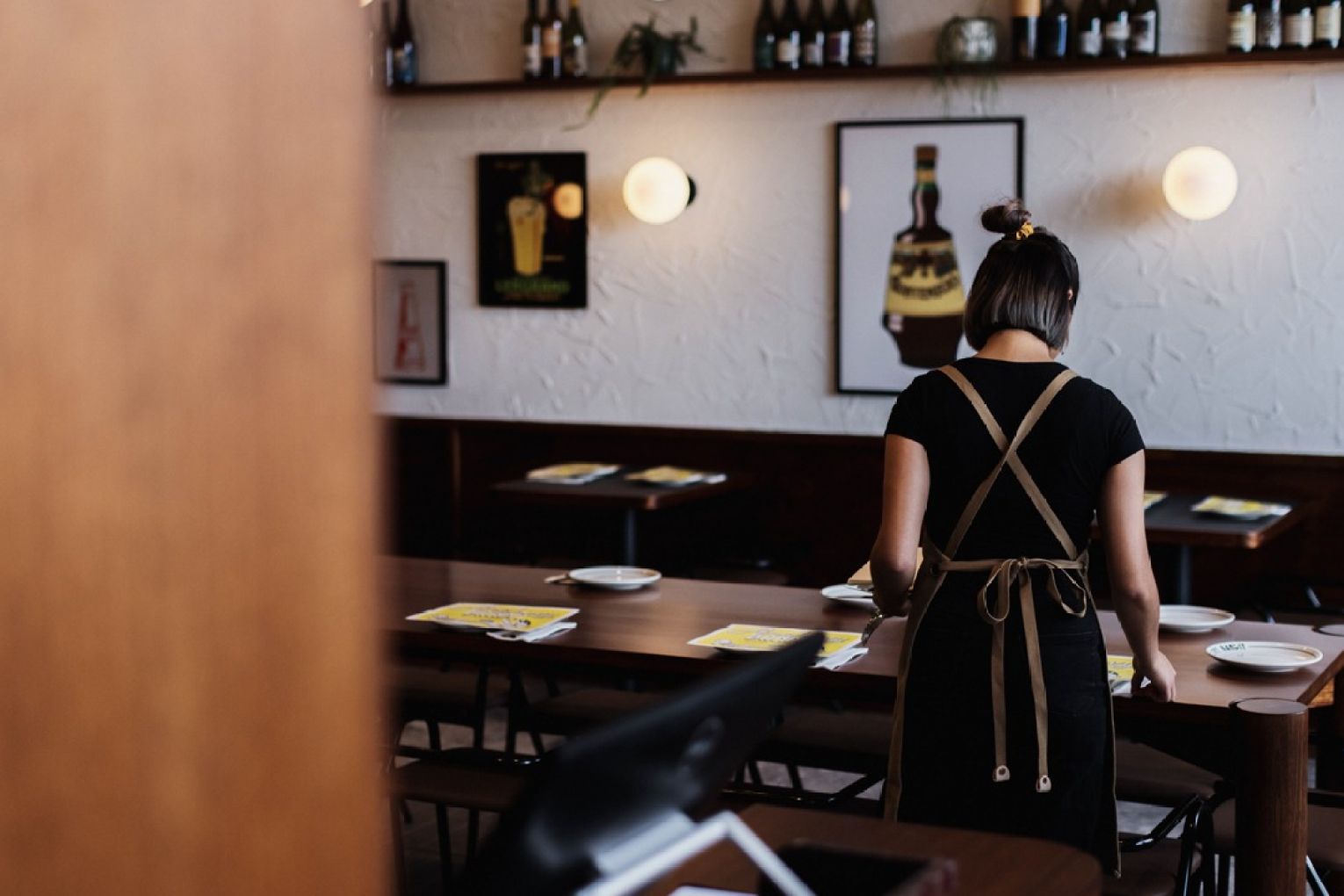
Restaurants, food trucks and home caterers “often fail” to properly register with local councils, meaning they have not passed the proper food safety checks, a report from SA’s public sector watchdog found.
The Auditor General’s Report highlighted that SA is the only state in the country without a centralised system to register and inspect food businesses, meaning businesses were falling through the cracks.
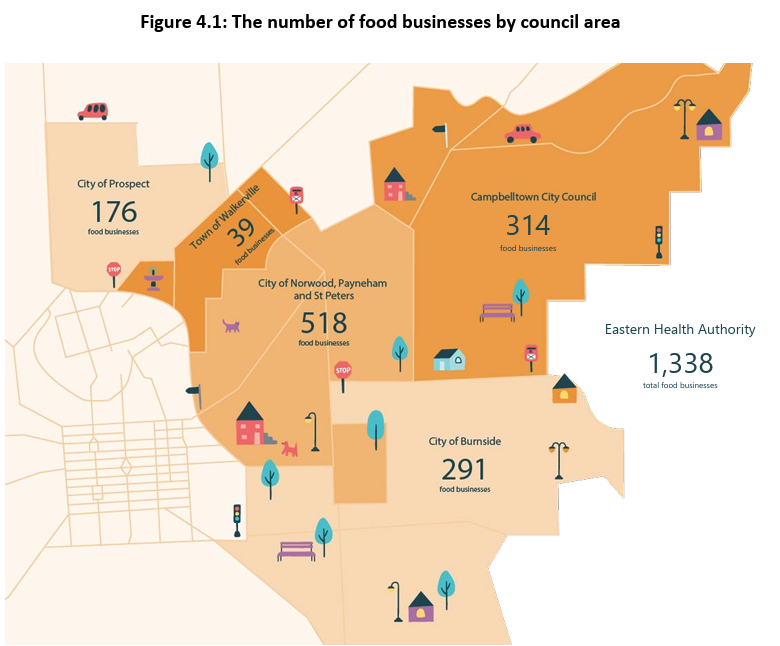
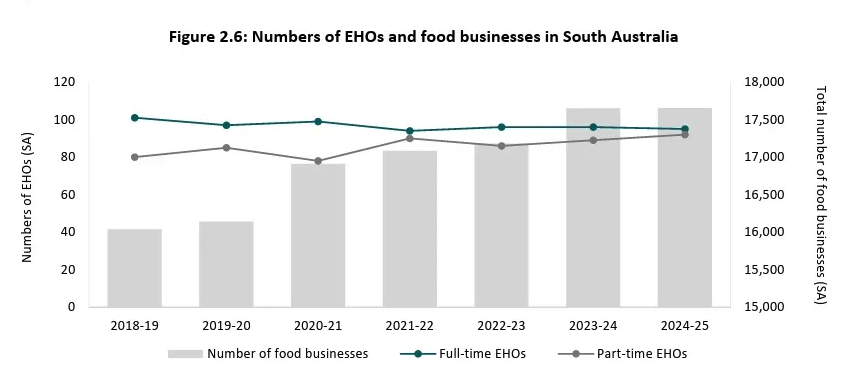
It found that while the state has faced a foodie boom in the past seven years, health inspectors were struggling to keep up, with data from the state’s health department revealing that during that period of time the number of health officers based in councils has remained stagnant.
The report found that without a central system, councils faced extra pressures monitoring and inspecting businesses which can result in a “lack of oversight” and “inadequate” frequency of health and safety checks.
And a minefield of regulations meant that many food businesses were failing to register with councils, the Australian Services Union saying the issues meant some councils were forced to “monitor social media” to identify new food businesses in their catchment.
The Auditor General recommended the state’s health department consider ways to address the problem of new businesses failing to tick all the safety boxes, a move backed by Big Easy Group managing director Ollie Brown who said it was difficult opening a business with the current “minefield” of approvals.
You might like

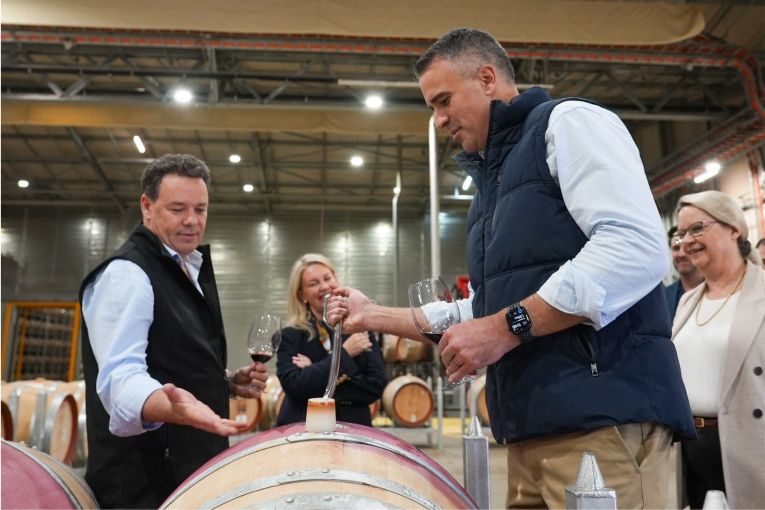
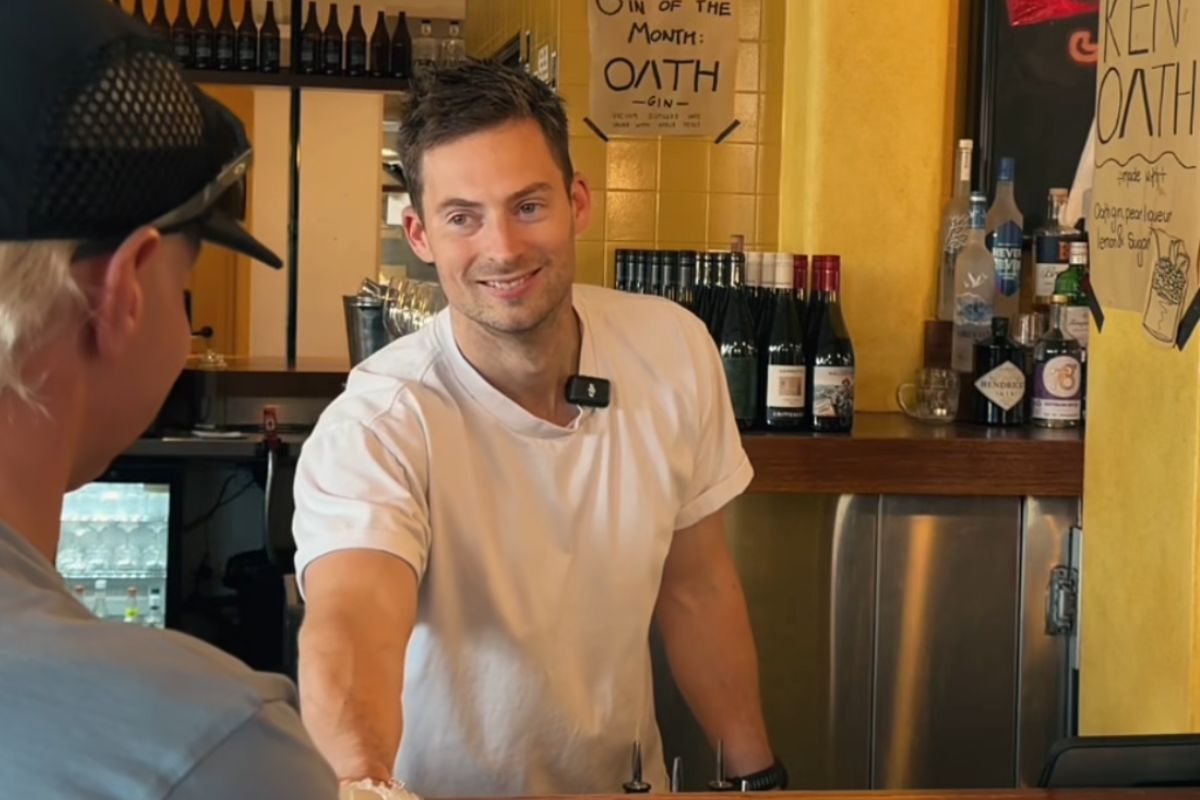
Brown, with business partner Josh Talbot, has built an Adelaide hospitality empire with Big Easy operating Anchovy Bandit, Bandit Pizza and Wine, Bottega Bandito, The Stag, Bowden Brewing, Masa Kitchen, La Louisiane and – most recently – Tarantino’s.
“It’s a minefield, especially for people getting into business, a centralised point for that would be such a huge advantage,” Brown said.
Currently, under the Food Safety Act, when restaurateurs open a business, they were required to notify their local council, and businesses like food trucks were expected to notify each council for every event they attended.
Brown and the report said restaurants had to go through additional approvals like liquor licensing or planning approvals if they want to redesign or rebuild: these elements are managed by different government, council or consumer affairs departments.
If they want to play music in their restaurant, they need to pay a license through the country’s music rights manager APRA AMCOS.
Stay informed, daily
“The list is long, there is so many little things you wouldn’t even know existed that you need to have when you run a restaurant,” Brown said.
He said when he and Talbot opened NOLA ten years ago, after the city introduced its small venue license, RenewalSA had case managers “that held your hand through the process”.
Brown said, “we learnt so much from that”, but he did not know if it still existed, adding that it was something he believed could be recreated digitally to help restaurateurs.
The state’s Health Department responded to the Auditor General’s recommendation, saying the lack of a centralised food business record in SA was an issue that had been raised with the sector previously.
“It is acknowledged that such a system would enhance the ability of regulatory agencies to better monitor and communicate with food businesses and potentially provide better safeguards to food safety,” the department wrote.
“The department is currently pursuing mechanisms to address this issue, including through potential changes to business notification requirements in the South Australia Food Act 2001; however, this work is still in its preliminary stages.”
The Australian Services Union – which covers health inspectors in the council sector – found the Auditor General’s report highlighted pressures staff were facing every day, particularly in the regions.
“Workers say councils are under significant pressure. In some cases, EHOs are relying on reactive methods, including monitoring social media to identify new food businesses,” ASU Assistant Secretary Ella Waters said.
“Particularly in regional areas, there is a critical shortage of Environmental Health Officers, with some workers covering enormous geographic areas while trying to keep up with demand.
“The role has also become far more complex. Recent changes to Food Safety Standards have increased the depth and time required for inspections, but staffing levels have not broadly increased alongside those additional responsibilities.
“This is not about causing alarm, it’s about being honest about capacity.”
Want to see more stories from InDaily SA in your Google search results?
- Click here to set InDaily SA as a preferred source.
- Tick the box next to "InDaily SA". That's it.