‘Final straw’: SA’s ageing tipped to desert private health in droves
A government move to slash private health rebates will hit thousands of older Aussies “who can least afford it” to the tune of hundreds of dollars, the SA sector says.

A change that would have senior households pay $240 more annually for their private health insurance could be the “final straw” for a cohort already struggling with cost of living, the Council on the Ageing (COTA) says.
COTA SA CEO Miranda Starke said the change will hit pockets of South Australians already battling with insurance costs outpacing income growth, including the pension.
“The government has admitted that about 44,000 older Australians are likely to immediately drop out of private health cover as a result of this change,” Starke said.
“This may be the final straw that pushes some people out of that private health system, and there’s only one place they can go, and that’s our public health system.”
A senior household paying an annual premium of about $6000 before the rebate can expect to pay about $240 more each year for people aged 65 to 69 years, according to the national peak body Members Health Fund Alliance.
Those 70 and older would be paying nearly $500 more each year, the Alliance found.
About 19 to 20 per cent of South Australia’s population is aged 65 and over, above the national average of 16 per cent, according to the Australian Bureau of Statistics.
You might like
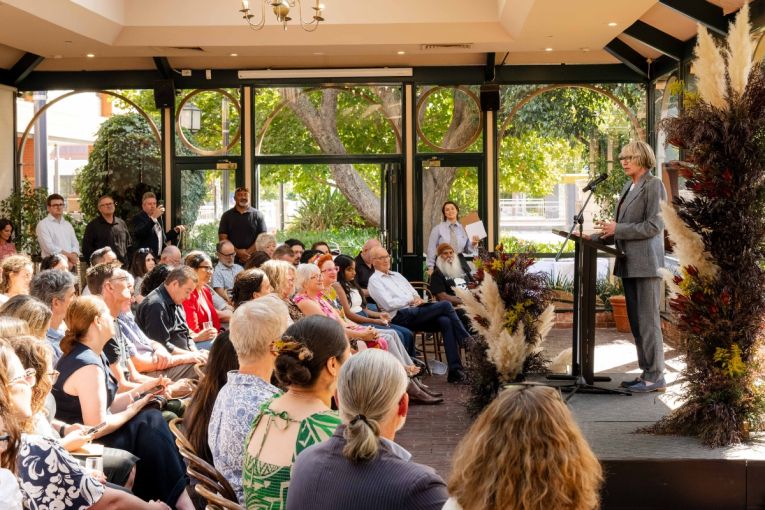

Health Minister Mark Butler announced the cut to the Howard-era private health subsidy introduced in 2004 in his speech to the National Press Club on Wednesday.
Butler said he understood it “won’t be a welcome decision for many” but would establish intergenerational equity in the rebate system and free up funding for a $3 billion aged care package in the upcoming federal budget.
A review of the rebates commissioned by the federal government’s health and aged care department in 2023 found removing higher rebates for over 65s would save about $482 million but result in about $547 million in additional costs for the public system.
“We understand that there’s not a bottomless pit of money, and that if you’re going to need to spend more in one area, then you need to find ways to save in other areas,” Starke said.
“I think this is going to hit thousands of South Australians who can least afford it.”
Starke said while she understood the age equity argument, older people on fixed incomes do not have the same time a younger person has to increase their income over their lifetime.
In the suite of government announcements yesterday, COTA SA welcomed the $1 billion to change personal care services, including making showering, continence management and dressing free of charge in aged care – Starke saying these are “fundamental”.
Meanwhile, an SA NDIS provider who says it has lost clients to fraudsters welcomed the Minister’s NDIS overhaul.
Stay informed, daily
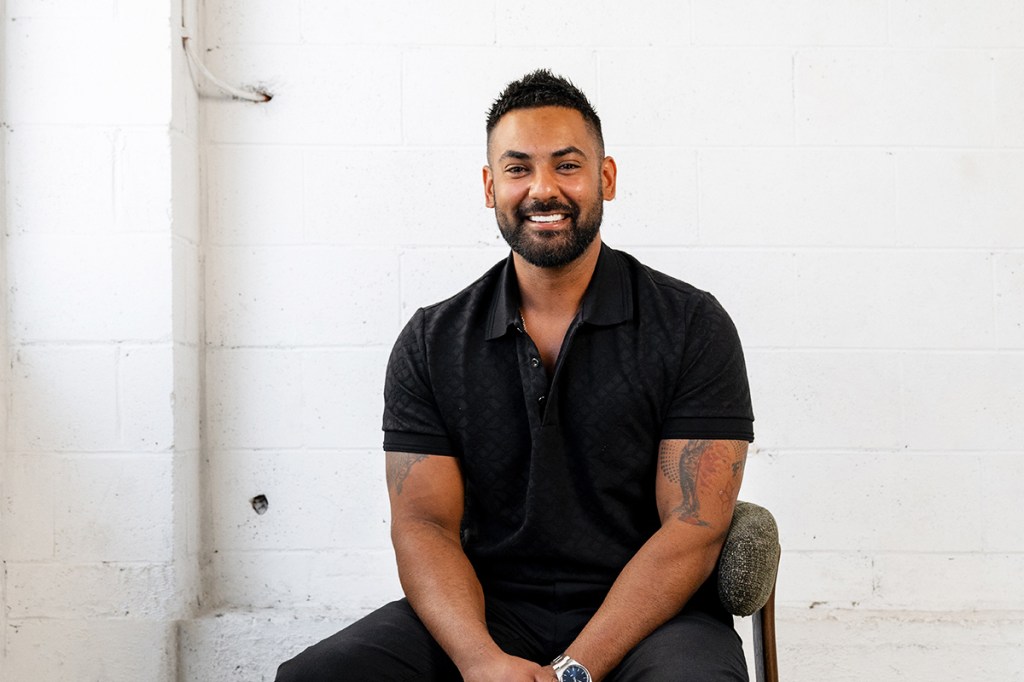
Under the changes, more providers would have to be registered to crack down on “shonks and rorters”. The government will also enrol providers in a digital payment system and tackle “low-quality” third-party intermediaries.
Vana Care CEO and director Jason Wisniewski said he did not think the changes were “as scary” as some are saying.
“I think it’s going to make it more clear, because right now, it’s a mess,” Wisniewski, an InDaily 40 Under 40 alumnus, said.
Wisniewski said he has seen clients with the same diagnosis receive different funding, and claims he has lost clients to unregistered competitors who overbill support hours to get extra money to pay for activities.
“There are practices happening in this sector that should be called out clearly and investigated properly,” he said.
He said he hoped this would be a “turning point” for the NDIS, and eradicate “grey areas” that could be rorted.
From July 2026, changes will start rolling out to NDIS payment systems, with the expanded provider registrations starting July 2027, expected to be fully implemented by 2030.
Under the changes, NDIS eligibility will be based on a participant’s functional ability — how their condition impairs their day-to-day life — rather than diagnosis, a move expected to drop 160,000 people from the scheme.
Those who are no longer eligible will be supported by new, state-run programs known as foundational supports — most of which are yet to be developed.
Inclusion Australia chief executive Maeve Kennedy implored the government to build up the system of foundational supports before kicking people off the scheme.
“You can’t burn the house down until there’s somewhere else for people to go,” Kennedy said.
Laws for the NDIS overhaul will be introduced in May, when federal parliament returns for the budget.
Want to see more stories from InDaily SA in your Google search results?
- Click here to set InDaily SA as a preferred source.
- Tick the box next to "InDaily SA". That's it.