SA Voice speaks out over Liberal move to scrap members
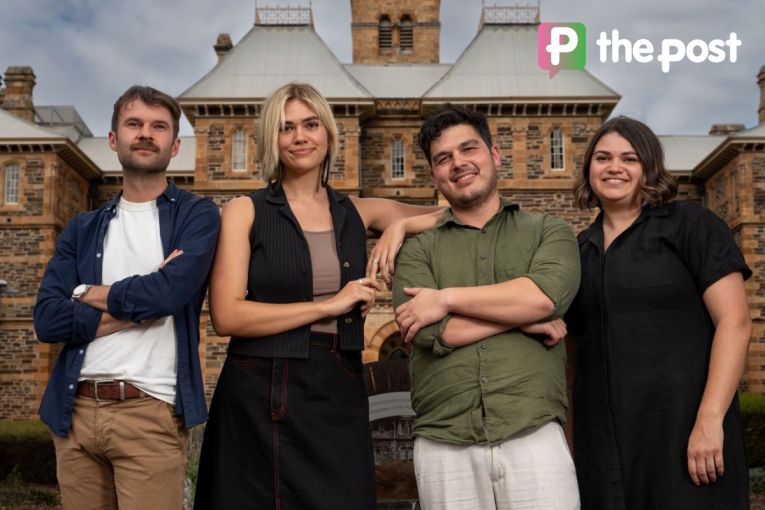
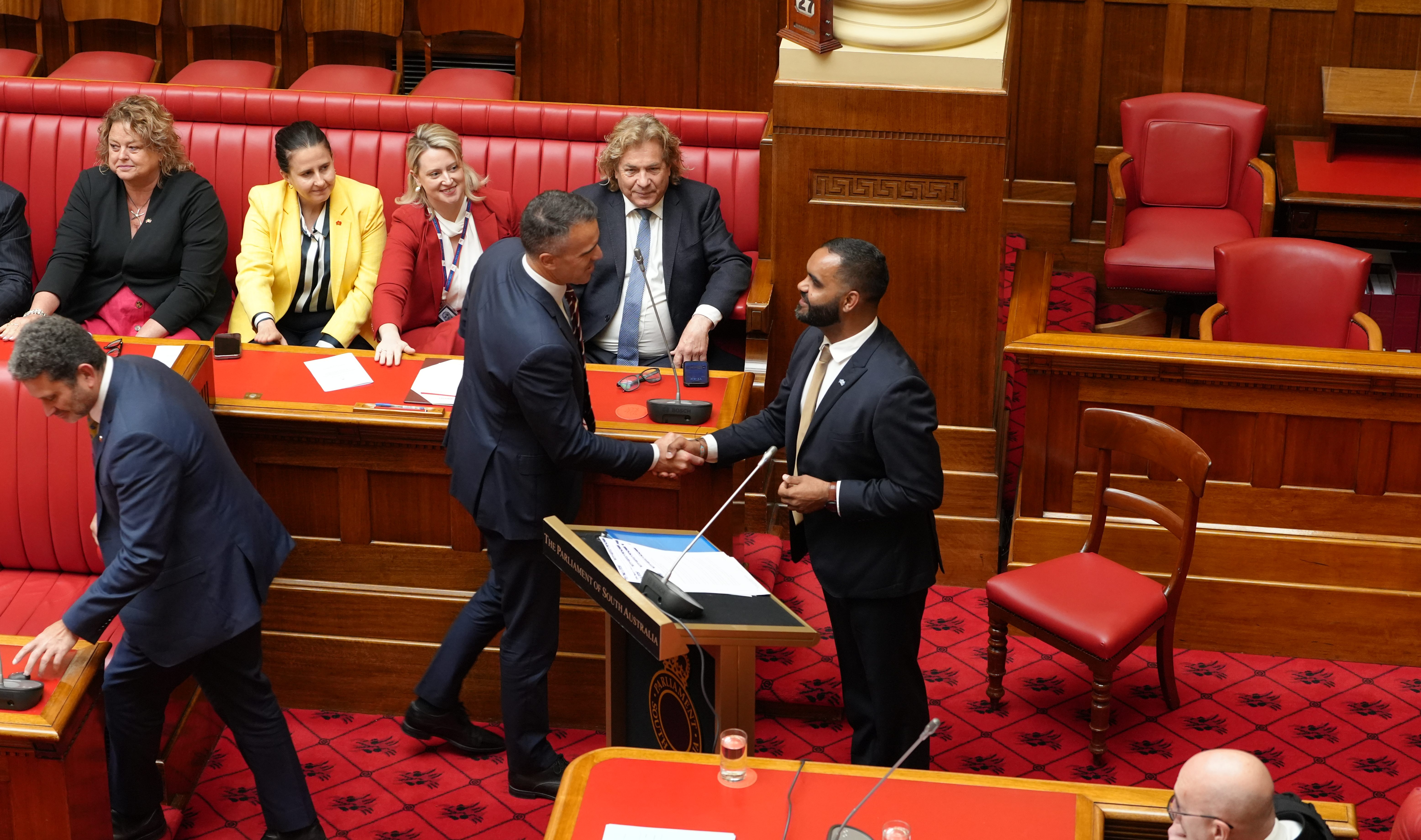
The 46 members of South Australia’s Voice to Parliament have broken their silence about the SA Liberal Party’s first move to repeal their roles.
SA’s Voice to Parliament has slammed a bill introduced by the state’s Liberal Party as “deeply concerning” and “reinforcing systemic racism” in a three-page statement quietly released online on Friday.
The statement comes two weeks after Nicola Centofanti, the opposition leader in the state’s upper house, introduced a bill to repeal the Voice – an election promise from the SA Liberals.
“The Leader of the Opposition seeks to create division and silence Aboriginal peoples,” the Voice’s statement said.
“Supporting the Bill reinforces systemic racism, silencing the very mechanism created to ensure First Nations people have a fair and structured say in decisions that directly affect our lives.
“True civic equality cannot exist when First Nation Voices are deliberately excluded from the system of power that govern them.”
The Voice was established as an advisory body in 2023 to provide more input to legislation from Indigenous South Australians and to help address inequalities. It was a key ask from the Uluru Statement from the Heart.
Strident calls were made by One Nation and the Liberal parties during the state election campaign to repeal the Voice to Parliament.
You might like

One Nation Leader Cory Bernardi claimed it cost too much money to operate, and both parties pointed to low voter turnout, saying fewer than 11 per cent of the 32,000 enrolled Indigenous voters participated in the latest Voice election.
Centofanti’s bill would scrap the Voice, and instead reinstate a former Aboriginal Lands Committee, which Centofanti said “did critical, practical work” like “progressing renal dialysis services for Aboriginal people living in the APY Lands, ensuring that individuals could receive life-saving treatment on country, rather than being forced to relocate to Adelaide or Port Augusta”.
But the Voice said the parliamentary committee “consisted of non-Aboriginal politicians providing advice and making decisions about Aboriginal Lands”.
“The Voice members strongly reject this proposal. This does not provide genuine representation of Aboriginal communities and is not a model that can respond to the diverse needs and challenges we are facing; it limits the scope to matters only relating to Aboriginal land, neglecting the various other priority areas.
“It is difficult to reconcile claims about delivering practical outcomes for Aboriginal South Australians while seeking to repeal a legislated mechanism designed to support exactly that.
“In its first two years, the Voice has contributed substantial and practical advice on criminal justice and rehabilitation, education, and domestic and family violence reforms.
“At a time when millions of dollars continue to be spent across government systems to improve outcomes for First Nations communities with varying impact and success, the Voice is a practical, efficient and cost-effective model that improves decision-making, strengthens accountability and is informed by our lived experience and community expertise.”
Stay informed, daily
The Voice statement said attempts to dismantle its advocacy to parliament were “deeply concerning and directly contradict the partnership and inclusion governments publicly claim to uphold”.
“Repealing its establishment would be a step backwards and return us to approaches that exclude us from decision-making about our communities,” the members said.
The Voice’s statement called on members of parliament to reject Centofanti’s bill, and “to uphold a future grounded in respect, partnership and self-determination”.
“The Voice is not the problem; it is a vital part of the solution.”
It comes after local Aboriginal leader Scott Wilson also came out against the bill, calling it “racism”, which he said had worsened since the failed 2023 referendum to establish a Federal Indigenous Voice to Parliament.
In her speech to parliament, Centofanti said the bill would redirect funding from the voice into programs like “the Shooting Stars program, which supports Aboriginal and Torres Strait Islander girls and young women, or the community constables program, strengthening relationships between police and local communities”.
“If the government, again, is generally committed to improving outcomes, particularly for Aboriginal South Australians, it should move beyond symbolic structures and focus on strengthening the practical mechanisms that already exist and have demonstrated their values.
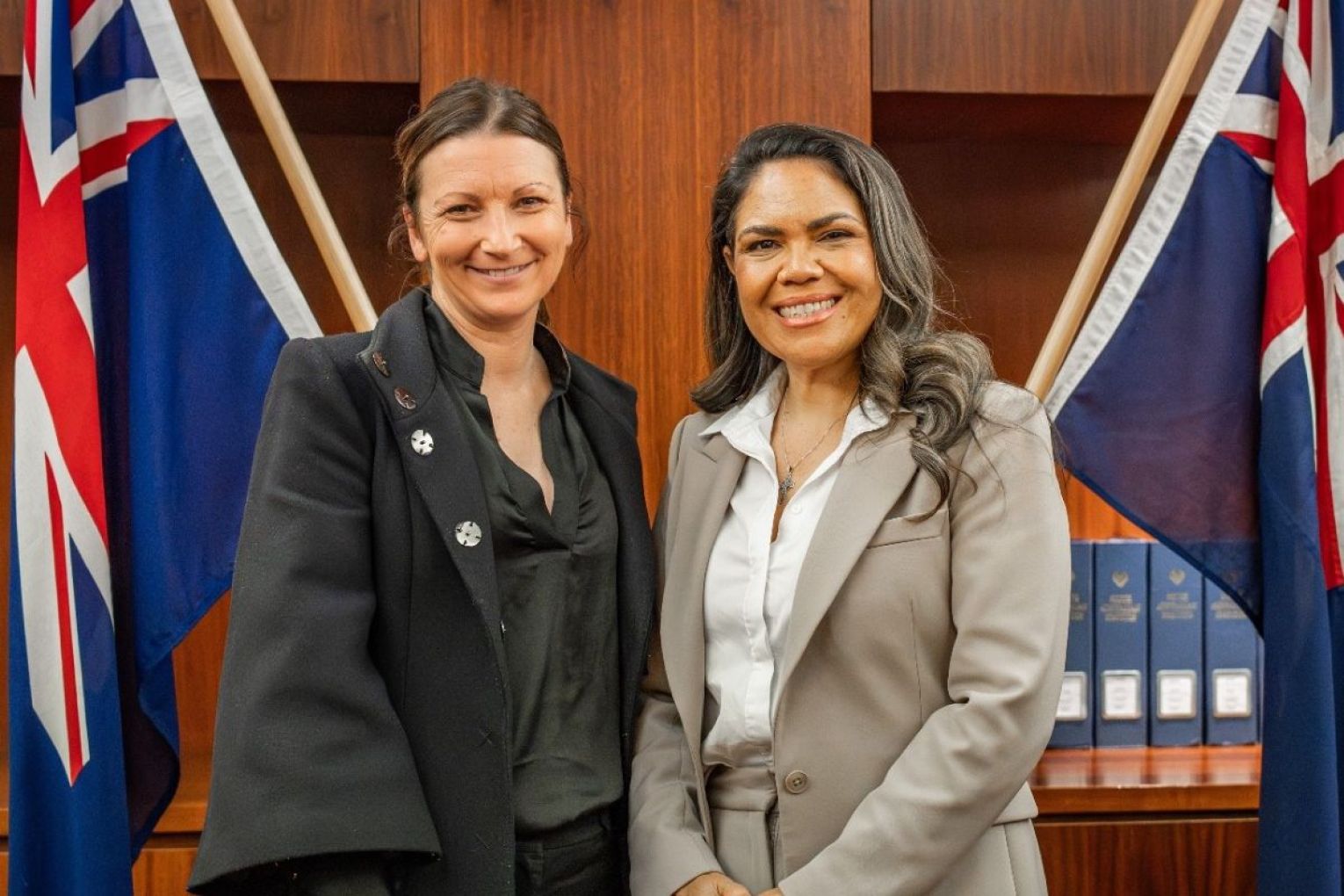
“This includes giving serious consideration to the practical measures advanced by [Federal Liberal] Senators Jacinta Nampijinpa Price and Senator Kerrynne Liddle.”
Both Price and Liddle – Liberal federal senators – were involved in the “no” campaign for the federal referendum on a Voice to Parliament in 2023.
Asked about the Voice’s response to the bill, a Liberal Party spokesperson said “the Liberal team is committed to prioritising practical action to close the unacceptable gaps in health, education and employment outcomes for Indigenous South Australians”.
“Listening to Indigenous South Australians is essential and it’s clear from the recent Voice election that it’s not a model that has support from the people it’s designed to represent.
“We all share the goal of closing the gap, but we must pursue policies and structures that actually deliver.”
The state government budgeted more than $4 million for the first Voice election in 2024 and the Voice election in 2026. When the Voice was established in 2023, the state government budgeted about $10.3 million over four years for its operation, including about $1.5 million to run annually.
A newly re-elected member Joy Makepeace told InDaily that South Australians would be surprised to know she only receives a $97 stipend each fortnight and that Voice members were “not politicians, and we don’t get paid like politicians”.

Want to see more stories from InDaily SA in your Google search results?
- Click here to set InDaily SA as a preferred source.
- Tick the box next to "InDaily SA". That's it.