Indigenous leader slams push to repeal SA Voice as ‘racism’
The Liberal and One Nation-led move to ditch the South Australian Voice to Parliament has been lambasted by a local Indigenous leader who said, “If that’s not racism, I don’t know what is”. He is appearing at a federal inquiry into racism directed at First Nations people today.
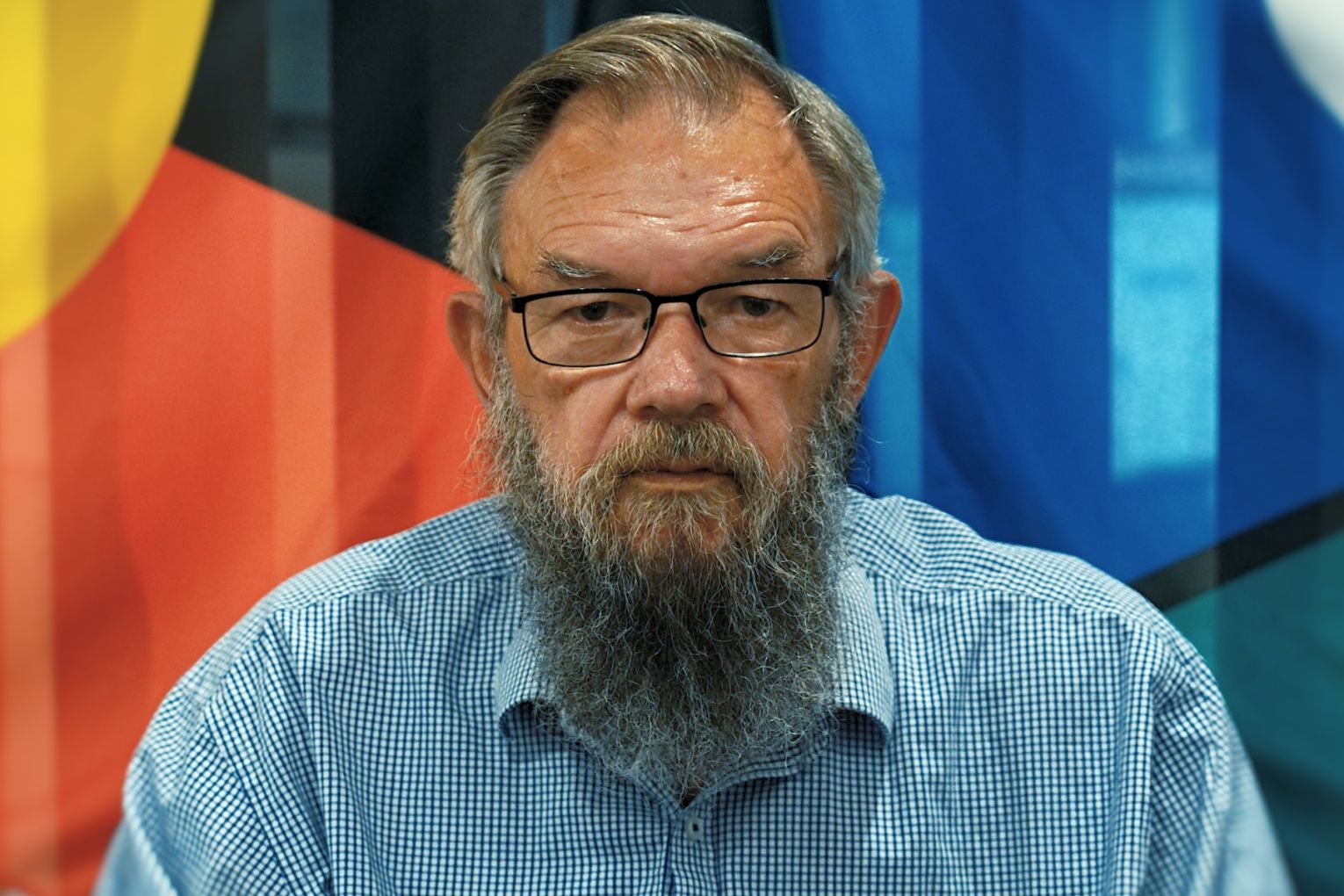
An attempt to repeal the First Nations Voice in South Australia by the Opposition and conservative party One Nation has been criticised by an Indigenous leader who is today appearing before a Federal inquiry into racism directed at First Nations people.
South Australian Aboriginal Community Controlled Organisation Network lead convenor Scott Wilson told InDaily that racism against Indigenous Australians was “systemic and ongoing”, and had grown worse since the failed 2023 referendum to establish a Federal Indigenous Voice to Parliament.
He cited recent events like the booing of Welcome to Country speeches made on Anzac Day last month as examples of a heightened sense of racism against Indigenous Australians.
And the move to repeal the Voice to Parliament in SA by the Liberal and One Nation parties was “racism”, said Wilson, who is also CEO of the Aboriginal Drug and Alcohol Council South Australia.
“The Liberals, their first point of business is to try and repeal the Voice to Parliament and what for? If that’s not racism, I don’t know what is,” Wilson said.
“Abolishing mechanisms that let Aboriginal people be part of a democratic process… to get rid of that is silencing our voice, which is a form of overt racism.”
You might like


The Liberals intended to replace the Voice with “practical, targeted support for Indigenous South Australians”.
The party rationalised its move by pointing to the fact that less than 11 per cent of the 32,000 enrolled Indigenous voters participated in the election for the Voice: “A clear vote of no confidence from the very people the body was designed to serve”.
“Listening to Indigenous South Australians is essential, and it’s clear from the recent Voice election that it’s not a model that has support,” Liberal leader Ashton Hurn said last weekend.
Both the Liberals and One Nation were approached for comment. A One Nation spokesperson said the party declined to comment.
Wilson will appear this afternoon in Adelaide at the Hotel Grand Chancellor before a Joint Standing Committee looking into racism, hate and violence directed at Aboriginal and Torres Strait Islander people.
The inquiry is looking at the nature, prevalence, and impact of racism towards First Nations people, the effect of online platforms and initiatives that are effective in combatting racism targeted at First Nations people.
Stay informed, daily
Wilson said he wanted governments to formally recognise that racism experienced by Aboriginal and Torres Strait Islander people was “systemic and structural”.
He will also call for an independent truth-telling mechanism and wants the Australian Communications and Media Authority (ACMA) to set “clear and enforceable guidelines on racial representation in broadcasting and online media”.
“The amount of free-for-all racism occurring in 2026, when people think that they can go online and just say whatever the hell they want, shouldn’t be occurring,” he said.
He also said the eSafety Commissioner should be empowered to address online hate speech and racist abuse, and be given powers to compel the removal of harmful content online.
And the Racial Discrimination Act should be given “more teeth”, Wilson calling for tougher fines for those breaching the law.
“Aboriginal and Torres Strait Islander people are subject to racism all the time,” Wilson said.
“Since the referendum, it’s just gotten worse.”
Wilson – whose family was part of the Stolen Generation – said his father fought in both Korea and Vietnam. He said he remembered going to dawn ceremonies with his dad.
“To hear people deliberately going to Dawn services around the country and booing because there was an Aboriginal Welcome to Country, forgetting the fact that thousands of Aboriginal men and women were servicemen, is shocking,” he said.
The inquiry comes alongside the Federal Government’s inquiry into antisemitism following the Bondi massacre in December last year.
He said that while he empathised with the victims of the Bondi terror attack, he thought that the terms of reference “should be looking at racial vilification for all people, not just one section of the community”.
The Office of the Guardian for Children and Young People, Aboriginal Legal Rights Movement, and the Commissioner for Aboriginal Children and Young People are also appearing before the inquiry this afternoon.

Want to see more stories from InDaily SA in your Google search results?
- Click here to set InDaily SA as a preferred source.
- Tick the box next to "InDaily SA". That's it.