‘Paid $97 a fortnight’: Voice to SA parliament sees candidates fall in state election
One Nation is leading calls to scrap the Voice to Parliament. One new member voted in this week tells InDaily why it is important and reveals its true cost.
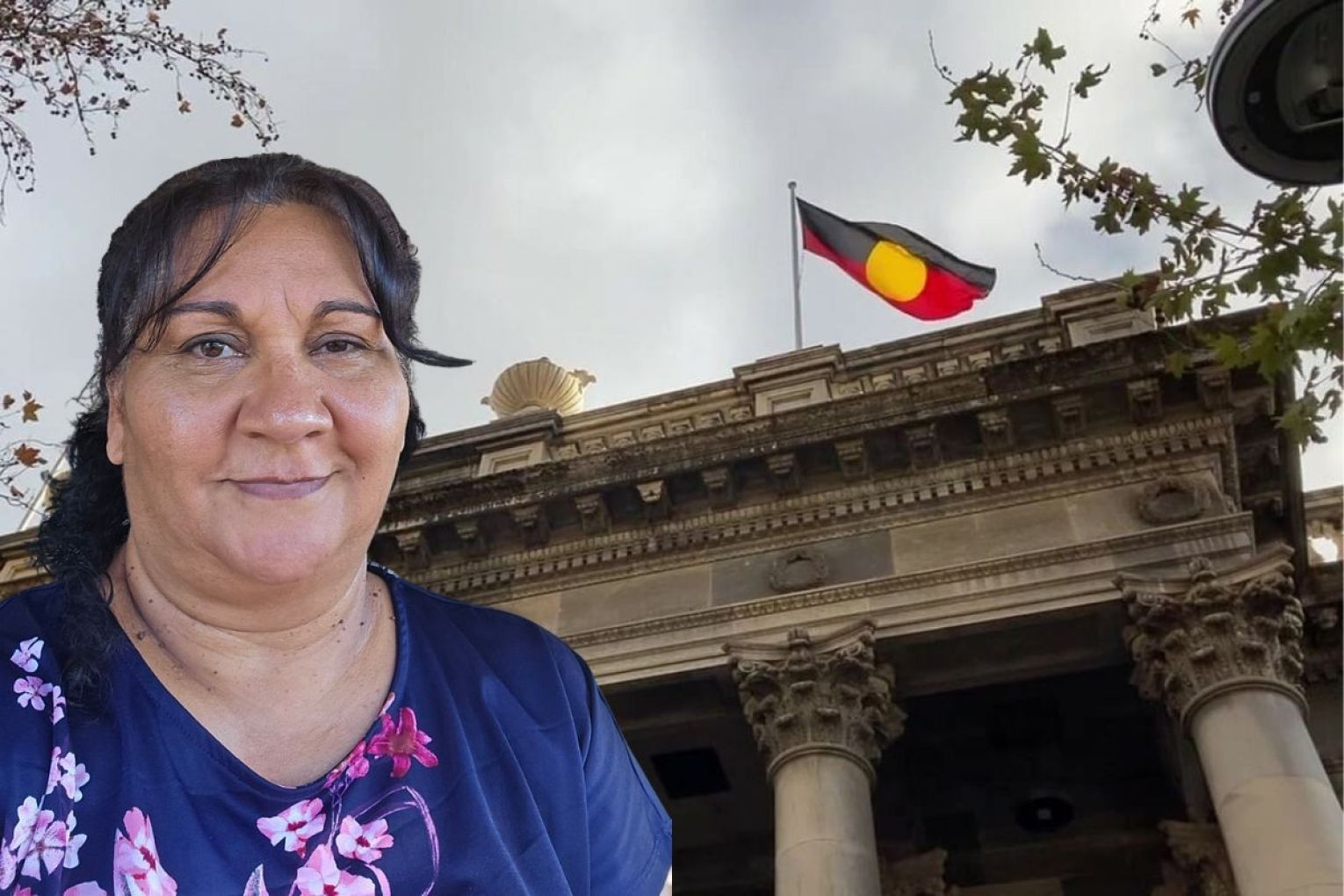
After elections held on March 21, the Electoral Commission of SA has this week provisionally declared 46 new members for the Voice to Parliament but some were elected unopposed as the number of candidates vying for a spot fell by almost a half.
Newly re-elected member Joy Makepeace believed less candidates stood because of low numbers of Aboriginal people enrolled to vote, and misinformation about how the Voice works including highly public claims over the amount it was costing to operate.
Makepeace was one of six female candidates elected unopposed as they were the only women to run for a spot. Makepeace represents the Yorke and Mid-North region, and has done since the inaugural Voice elections in 2024 .
The Voice was established as an advisory body in 2023 to provide more input to legislation from Indigenous South Australians and to help address inequalities. It was a key ask from the Uluru Statement from the Heart.
Strident calls were made by One Nation and the Liberal parties during the state election campaign to repeal the Voice to Parliament, with One Nation Leader Cory Bernardi claiming it cost too much money to operate, and there was low voter turnout.
Makepeace said South Australians would be surprised to know she only receives a $97 stipend each fortnight.
“The undertones were that it’s a waste of money, well, I don’t think that, I think they need to do more research,” Makepeace said.
You might like


“We’re not politicians; we don’t get paid like politicians.
“I am not doing this for the money because there is no money really in it.
“We’re doing it because we have a genuine desire to help get a Voice into Parliament, which is really a cultural lens looking over the draft bills, and speaking to ministers and answering some questions, and being a direct line of communication.”
The base rate for the role of a local voice member is $3000 per year, including the stipend for work and discussions within members’ local communities, and attending meetings. State members, who are chosen from each region, are paid an additional $7500 for their higher duties and workload.
Makepeace said in the first two years of being a part of the Voice, all members were only brought to Adelaide once for an induction meeting, and most other work is done in their local communities.
One Nation’s SA Leader Cory Bernardi was recently elected to the state’s upper house, where members of parliament earn a base salary of about $197,270, according to the Remuneration Tribunal.
Bernardi reaffirmed his party’s commitment to fight against the state’s Aboriginal Voice to Parliament in the party’s first press conference yesterday.
Bernardi said a goal to “reduce the cost of government services” underpinned the party policy to remove the Voice, to save money on “follies like the hydrogen project or the Voice to Parliament”.
Stay informed, daily
The state government budgeted more than $4 million for the first Voice election in 2024 and the Voice election in 2026. When the Voice was established in 2023, the state government budgeted about $10.3 million over four years for its operation, including about $1.5 million to run annually.
Makepeace said a lack of understanding of the Voice among parts of the Aboriginal community, the wider South Australian community and parliamentarians was hurting participation rates.
There were 64 candidates for this election, fewer than the 113 candidates that ran in 2024’s inaugural Voice to Parliament. More people voted, with 3504 votes this year, up from 2748 votes last year.
As of 30 June 2025, the Electoral Commission of SA estimated more than 32,000 enrolled Aboriginal or Torres Strait Islander people are enrolled to vote in South Australia.
An ECSA spokesperson said, “It is difficult to provide a precise participation rate as the electoral roll does not specify whether an elector is a First Nations person”.
First Nations South Australians cannot apply to run for the Voice elections if they are not on the electoral roll, and many still are not, particularly those from the Stolen Generation, Makepeace said.
“Luckily, they’ve made it available so Stolen Generation people do not miss out, because we are displaced people,” Makepeace said.
“I’d love more women, more men, as many people to nominate so that the community does have a good choice and really can choose the best people they think will represent them.
“I am 100 per cent positive that this is making a difference. It definitely is building trust. I’m saddened to think that people are opposing it.
“I think we’re really being put on notice to really do the best that we can and almost win these naysayers over in the next four years, and show how beneficial it is.”
Deputy Premier Kyam Maher said he wanted to thank “all the candidates who put their hand up to represent their community and congratulate those who were elected”.
“I’m looking forward to meeting with the elected members in the near future and hearing directly from them about their ideas on improving the outcomes and the lives of Aboriginal and Torres Strait Islander people living in South Australia.”
Want to see more stories from InDaily SA in your Google search results?
- Click here to set InDaily SA as a preferred source.
- Tick the box next to "InDaily SA". That's it.