Adelaide journo tells of fears for family safety in Iran
As conflict rages on in the Middle East, SA’s Iranian community gathers each week at parliament in solidarity for family and friends. The first female journalist in Iran to attend a World Cup – who now lives in Adelaide – tells InDaily why she is her family’s most reliable news source.
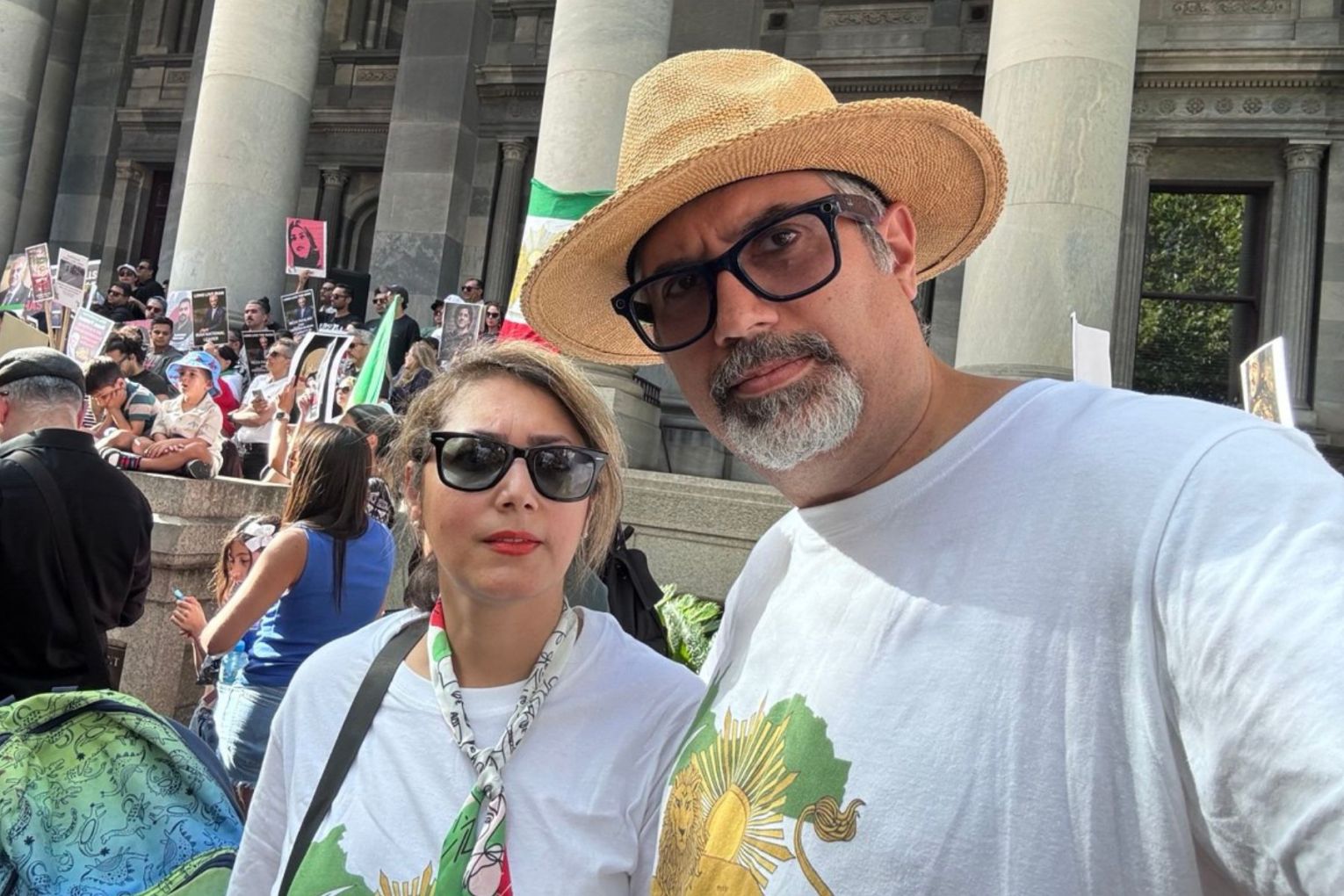
Every week, Samira Shirmardi joins a community of Iranians in front of Parliament House in North Terrace to show their support for the people of her country.
Back in Iran, members of Samira’s family members were teargassed for trying to do the same in recent protests around January 9.
“During the recent protests, tear gas was used against my family and they went through very difficult moments,” Shirmardi told InDaily.
“Fortunately they survived, but a heavy sadness remained in our hearts.
“In Iran we could not freely protest or hold demonstrations, but here we can.”
Shirmadi, the first Iranian female reporter to attend a FIFA World Cup, migrated to Australia in 2023 with her husband Amir Kousha, and now proudly calls Adelaide home.
Since the US and Israel began bombing Iran last Saturday, Shirmadi receives a call from her family each day to confirm they are safe.
But she often can only speak to her family for a few seconds at a time.
“Before this, my four-year-old son used to see his grandparents and relatives almost every day through video calls,” she said.
“Now they cannot see each other and they miss each other very much.”
You might like
It was a similar challenge during the 12-day war between Iran and Israel in June 2025 when calls to Iran could not be connected.
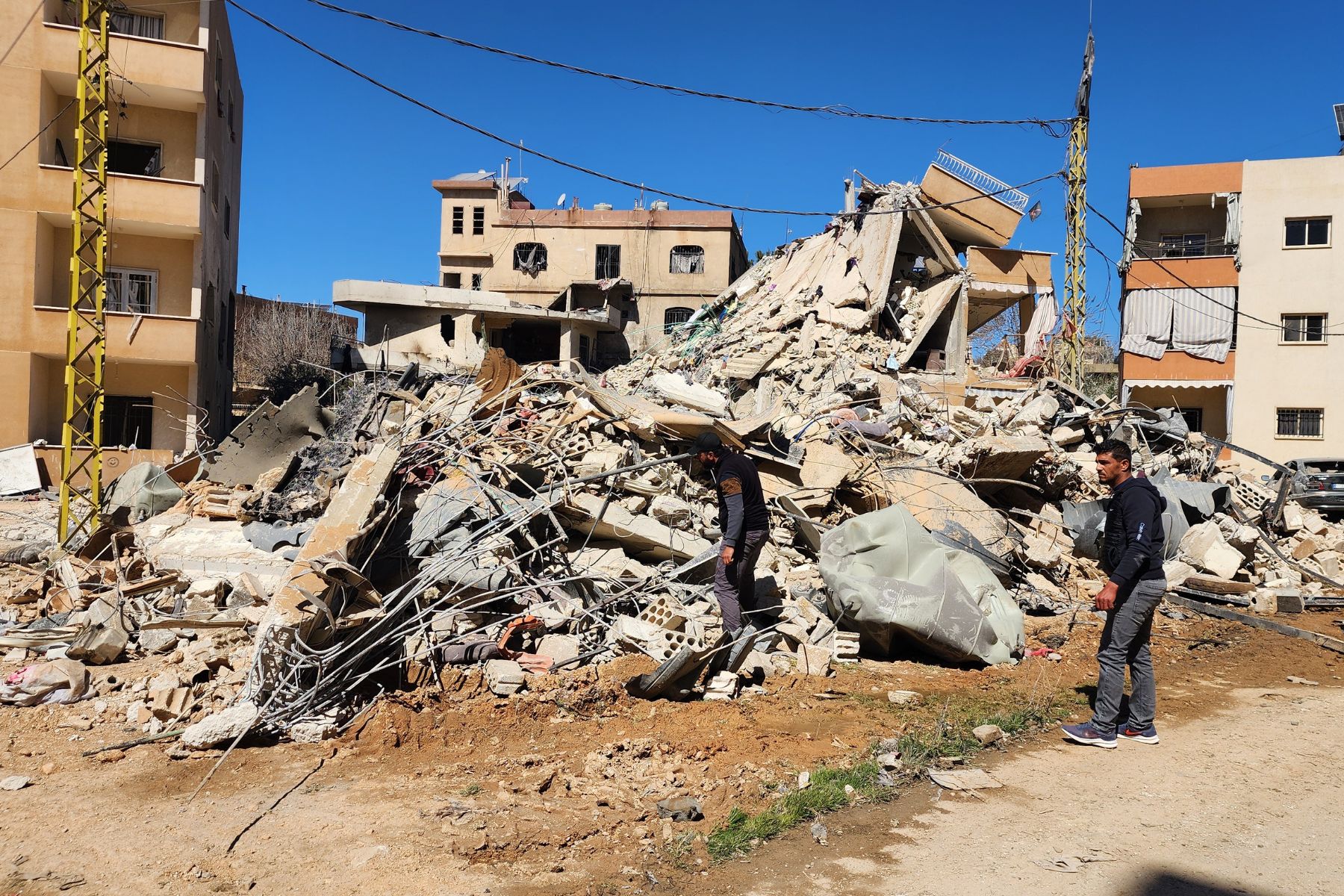
Islamic Society of South Australia president Ahmed Zreika said reaching family is something that weighs heavily on him and much of SA’s Muslim community, the war in the Middle East now impacting other countries nearby, including Lebanon where residents in Beirut have been told to evacuate as Israel bombs the city.
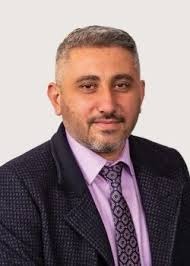
“Many families here have close relatives in countries such as Lebanon, Iran, Palestine, Jordan, Qatar and Turkey, so events in the region are not distant political developments for them, they are deeply personal,” Zreika said.
“My parents live in Lebanon, and I usually try to visit them regularly to check on them.
“At the moment, flights are uncertain and the situation in the region appears to be deteriorating, which creates a lot of worry.
“My parents prefer to remain in their home rather than move to Australia, so like many people in our community, I find myself constantly concerned about their safety and unsure how the situation may unfold.
“The Muslim community in South Australia is very diverse, but there is certainly a strong sense of anxiety about what is unfolding in the Middle East.”
When she can speak to her family, Shirmardi says she has become their most reliable source of news.
“Unfortunately, the news inside Iran is still controlled by the Islamic Republic and it is very different from reality,” she said.
“Today when I spoke with my sister, she said that because they do not have internet access and satellite channels are blocked, she follows the news through me.
“Interestingly, she says that Iranian state media reports the news in a way that makes it seem the Islamic Republic is winning the war, but the reality is completely different.”
Stay informed, daily
Watching the conflict from Adelaide, Shirmardi, who works as a freelance reporter, says she has mixed feelings.
“I am happy because my country may be close to freedom, but I am also sad because Iran has experienced many painful and difficult years under the Islamic Republic,” she said.
“I want Australians to know that the people of Iran are very different from the Islamic Republic.”
She says “Iranian people are peaceful, joyful and they want all people in the world to live in peace” while the Islamic Republic “was aggressive and oppressive”.
“I say ‘was’ because I truly hope they will not exist anymore,” she said.
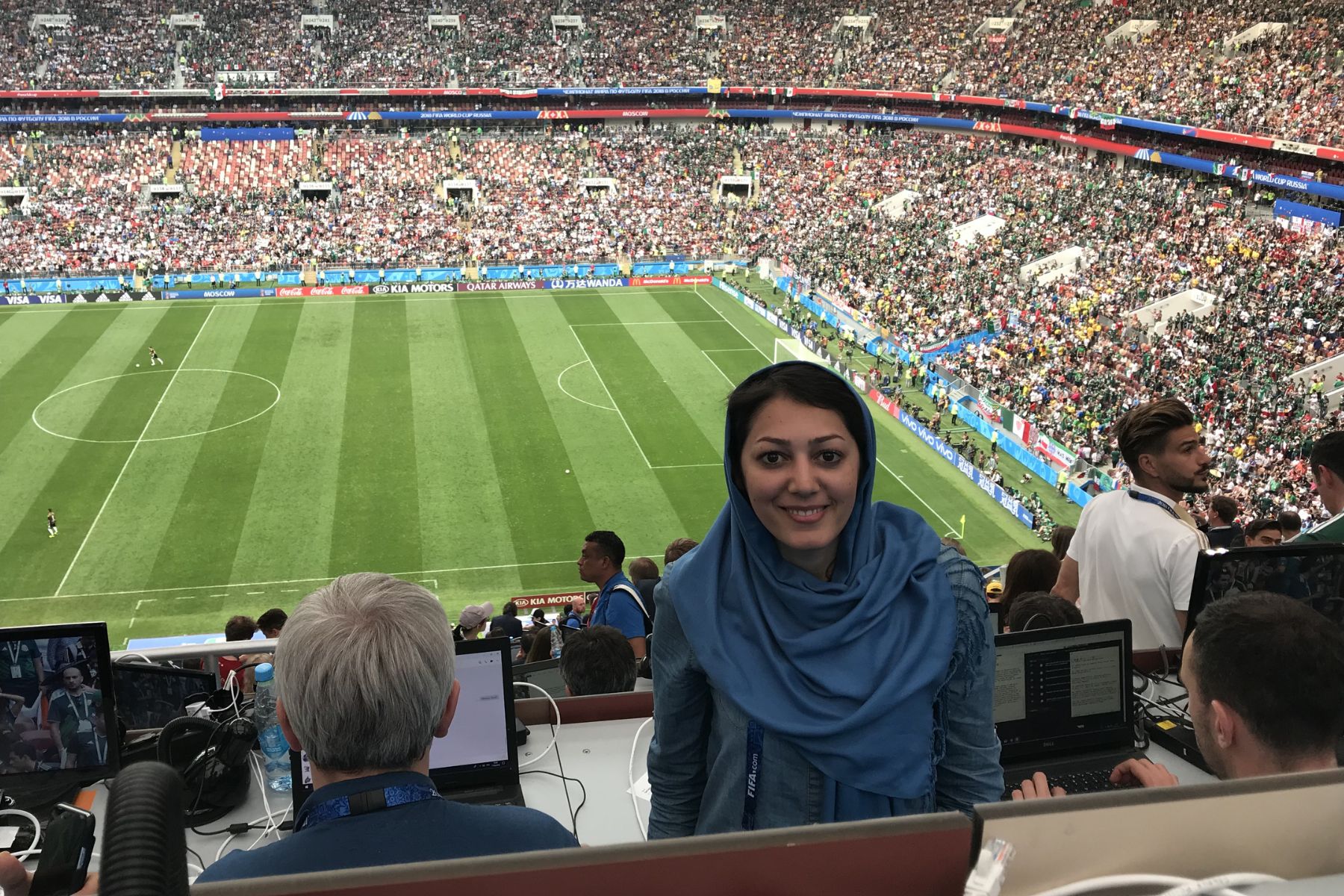
Shirmadi dreamt of migrating since childhood, when she wanted to be a football player or wrestler, two sports that were not allowed for girls in Iran.
She chose to become a journalist so she could write about the sports she loved, and after years of writing for major Iranian media outlets, in 2018 she was the first Iranian female journalist to be sent to the FIFA World Cup in Russia.
But, this was at a time when women were not allowed to enter Iranian stadiums or wrestling halls – something that has now changed, but men and women are still separated and families cannot sit together.
“When I arrived at the stadium, I did not even know where to go or what to do because I had never experienced that environment before,” she said.
“[In Iran] I had to write my reports based on television images and conversations with men who were inside the stadium,” she said.
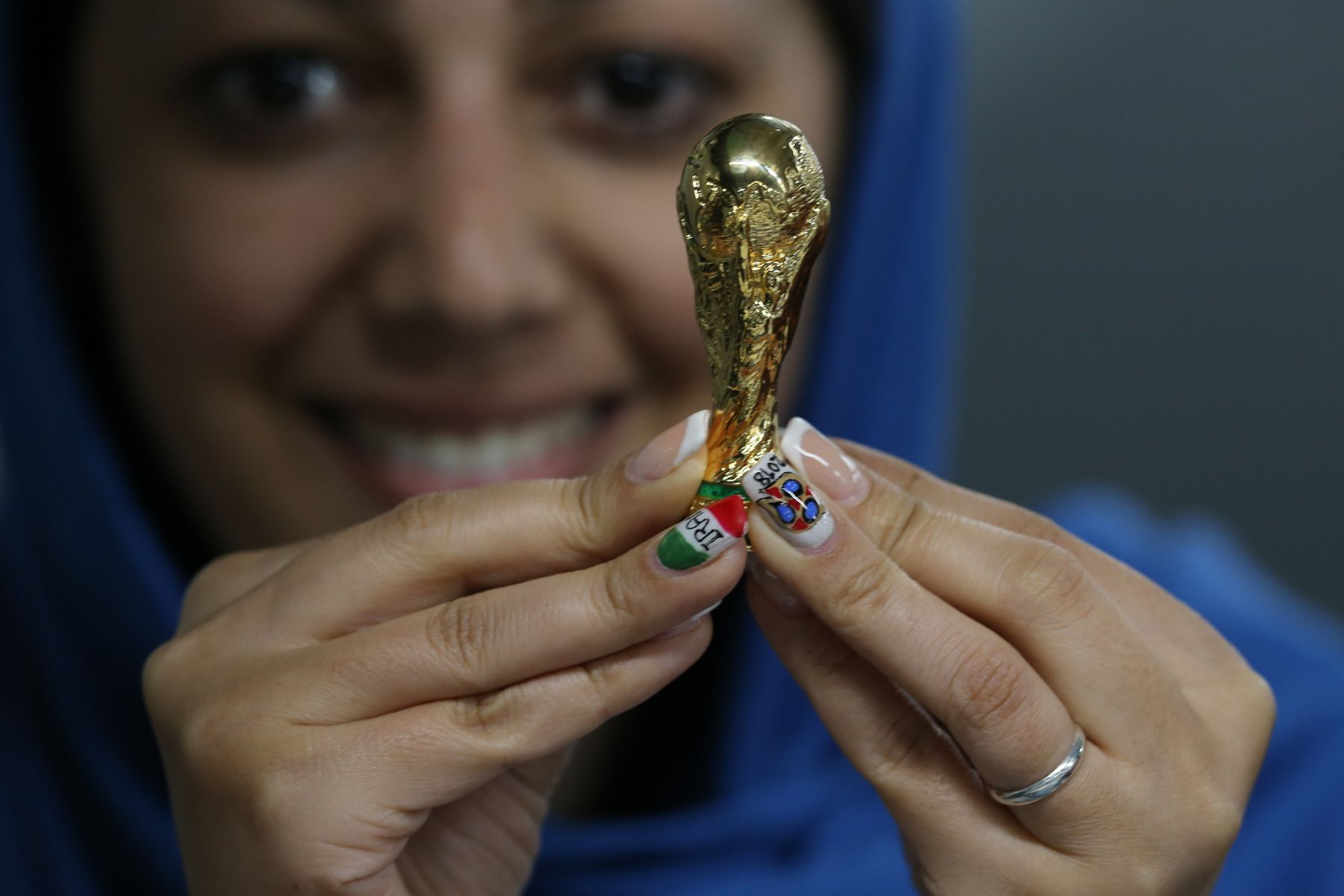
Attending the World Cup still came with its challenges, she said, and even with her press card, she was searched carefully by security due to concerns about ISIS attacks at the time.
She said it took a “lot of time and made me feel uncomfortable”.
“Because I represented Iran, I had to wear hijab in Russia and many people looked at me in a strange way,” she said.
“Attending the World Cup in Russia was a valuable experience, but I wished more Iranian women journalists could have had the same opportunity.”
Now, living in Valley View – which Shirmadi said reminds her of the green, peaceful and beautiful northern Iran – she holds onto hope for a free Iran.
“Migration is always difficult for Iranian women, but I tried very hard to make it happen. I wanted to live in a country where I could have freedom of speech and personal freedom,” she said.
“Now we live in a free country that gives me and my family a good feeling, and I believe my son can have a bright future here.
“I also hope Australians will be able to travel to Iran in freedom and safety and see the beauty of that country.”
Want to see more stories from InDaily SA in your Google search results?
- Click here to set InDaily SA as a preferred source.
- Tick the box next to "InDaily SA". That's it.