‘Second only to wine’: Push to boost fashion manufacturing in SA
SA heritage icon R.M. Williams has teamed up with the country’s top fashion organisation in a plan to bring manufacturing back onshore.
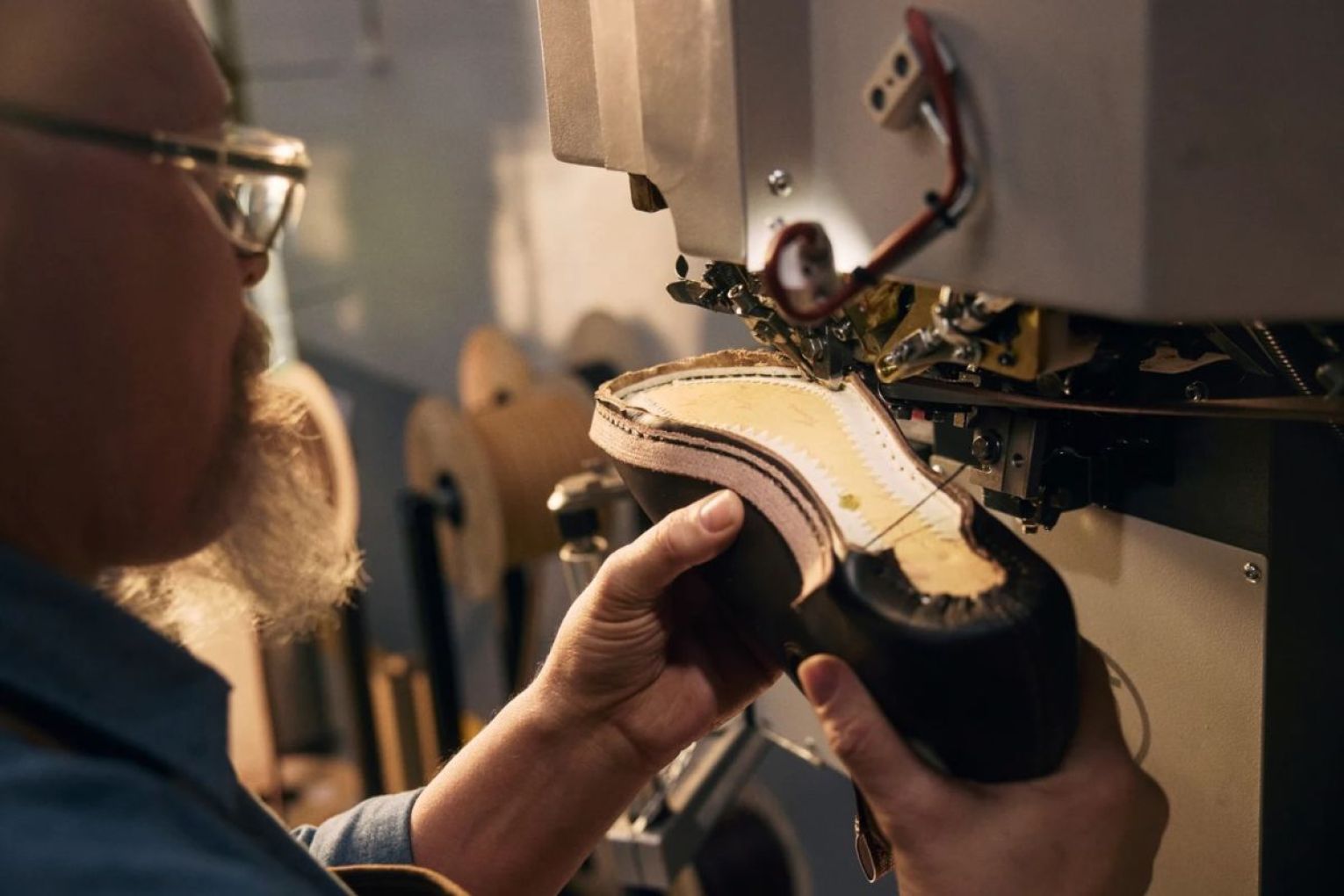
South Australian heritage brand R.M Williams has joined forces with the Australian Fashion Council to develop a new strategy to bring fashion manufacturing back Down Under.
R.M. Williams manufactures its famed leather goods and footwear at its Salisbury facility in Adelaide and has kept production in SA for over 90 years, putting its weighty history behind the push to bring manufacturing back to home shores.
When it comes to the creative industries in SA, fashion gets top billing, with one industry boss calling it second only to wine.
The renewed push from the leather smiths comes from a growing need to be able to manufacture onshore to prevent supply chain issues affecting both small and large players.
R.M. Williams chief operating officer Tara Moses said the brand “employs skilled craftspeople, invests in apprentices, and continues to modernise production while competing globally”.
“What’s needed now is to activate a flywheel: demand enables investment in skills, skills enable advanced manufacturing, and technology allows Australian manufacturers to scale while maintaining quality,” Moses said.
You might like
The 10-year plan, called the National Manufacturing Strategy for Australian Fashion and Textiles, includes recommendations to increase sovereign resilience during unpredictable supply chain disruptions, better sustainability outcomes, and rebuild Australia’s manufacturing legacy as a world-class producer.
Onshore textile, clothing, and footwear (TCF) manufacturing declined heavily after the removal of import tariffs in the 1980s which pushed businesses to use overseas manufacturers.
Currently, TCF manufacturing contributes $2.6 billion to Australia’s economy, and the report suggests returning manufacturing to Australia could see this figure soar.
Released in March, the Strategy was created with more than 300 industry stakeholders, businesses, and education providers including the South Australian Fashion Industry Association (SAFIA), TafeSA, Fleurieu Made, and more.
SAFIA’s board chair Dr Nathan Crane said SA would strongly benefit from becoming a fashion manufacturing hub.
“As a sector, that’s second only to wine in SA [for creative industries] in terms of economic drivers and contribution back to the state,” he says.
Stay informed, daily
“I’m consistently working on how to build the campaign around actually supporting design in the same way that we support local food and wine.”
A 2020 Deloitte report for SA’s Department of Innovation and Skills revealed the state’s fashion industry contributed $218 million to the state economy and provided jobs for over 2500 people.
“While fashion is not yet positioned at the scale of sectors like wine or tourism, the Deloitte analysis demonstrates it already has substantial economic weight, making it one of South Australia’s most significant underleveraged creative industries,” Crane said.
He pointed out that small and medium-sized local fashion brands face difficulties when scaling production for demand because there were not many options for them within Australia: “Unfortunately, production does have to go offshore.”
TAFE and Flinders University Fashion lecturer Helen Jansson said this struggle affects larger businesses too.
“Bigger businesses [during Covid-19] suddenly didn’t have the backup of upscale production…they weren’t able to get their offshore, but they couldn’t upscale their onshore, there just weren’t enough people,” she said.
Jansson is focused on educating her students to take advantage of future domestic manufacturing prospects through hands-on learning and partnerships with existing local manufacturers like R.M. Williams or Silver Fleece in Bowden.
Students are able to travel to universities like Hong Kong Polytechnic, a global leader in education for knitwear manufacturing and design.
“They’re the ones that will have the ability to move forward as local Australian manufacturing looks at how we can have those niche markets.”
Jansson agrees with Dr Crane that SA should become a destination for onshore manufacturing. Infrastructure-wise, the state is a central location within Australia, and has a history of manufacturing and a developing reputation for technological advancement.
“We’re just a very innovative state, and I think that really leads to that new direction fashion is going,” she said.
Want to see more stories from InDaily SA in your Google search results?
- Click here to set InDaily SA as a preferred source.
- Tick the box next to "InDaily SA". That's it.