SA milk producers front feds on housing, fertiliser and fuel challenges
SA dairy farms are struggling to house much-needed migrant workers as they juggle growing costs. The state’s rural Woman of the Year crowned last night says her own family farm has been forced to cut back on cropping.
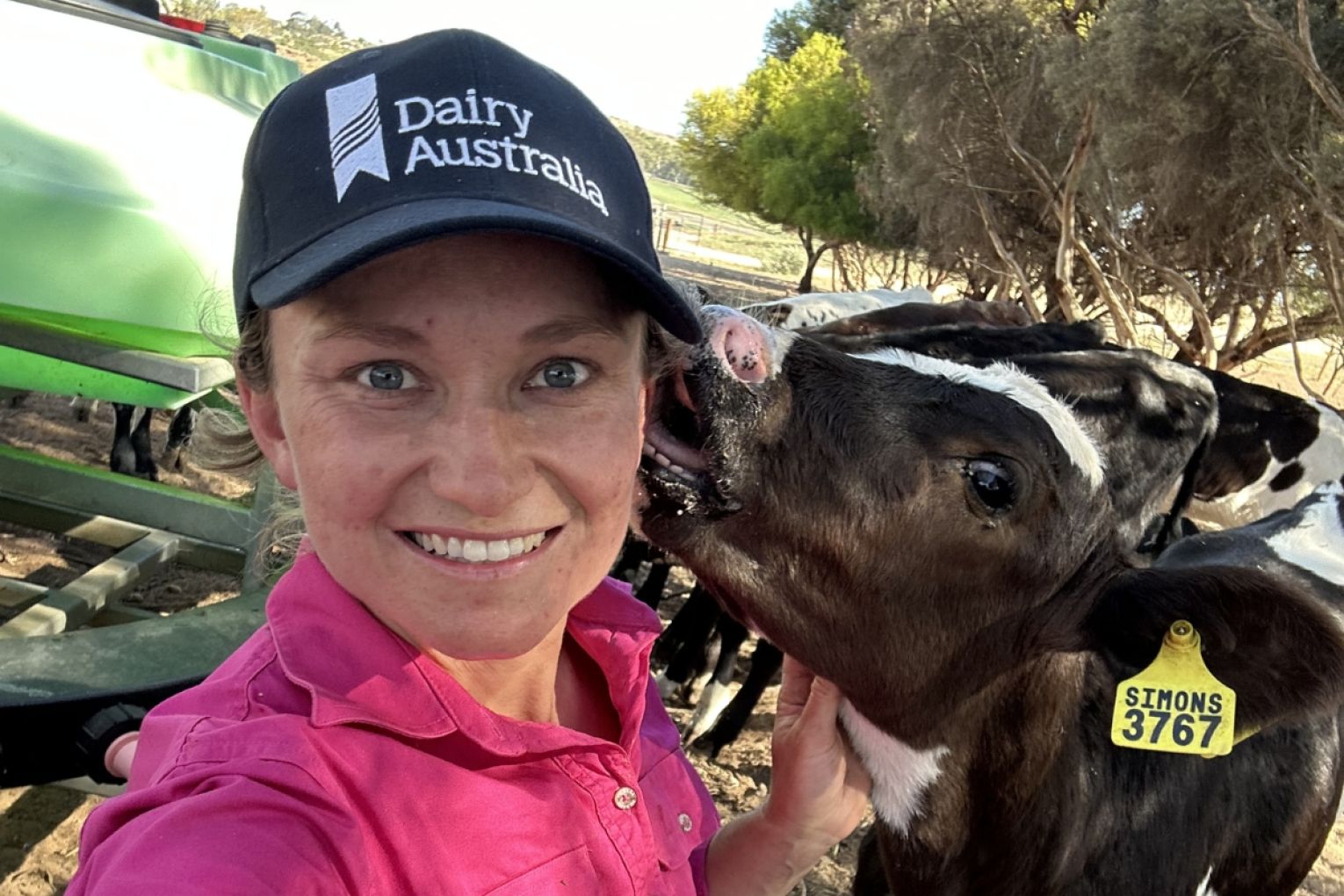
South Australian dairy farmer and educator Narelle Zanker says her family is being forced to cut back on broadacre cropping in Mannum amid cost pressures from costly fuel and fertiliser, but she is optimistic about the future as her educational tourism business shines a light on the industry.
Zanker – who last night was named the state’s 2026 AgriFutures Rural Women’s Award winner – said the rising cost of petrol meant her family was cutting down to 3000 acres of broadacre cropping instead of 4000 this year.
The cost of fertiliser was another problem alongside rising expenses generally: “The running of the farm is getting more expensive,” she said.
But winning the AgriFutures Rural Women’s Award, which included a $15,000 bursary, was a coup for the entrepreneur who is the founder of Dairy Adventures, an educational tourism business taking school groups and families to her property to learn about dairy farming.
Her win comes alongside fresh warnings around skilled migration problems from the state’s dairy industry peak body, which said without skilled roles being filled, “animal welfare risks increase, milk quality and productivity decline, fatigue and safety risks rise, and farm businesses lose confidence to invest and innovate”.
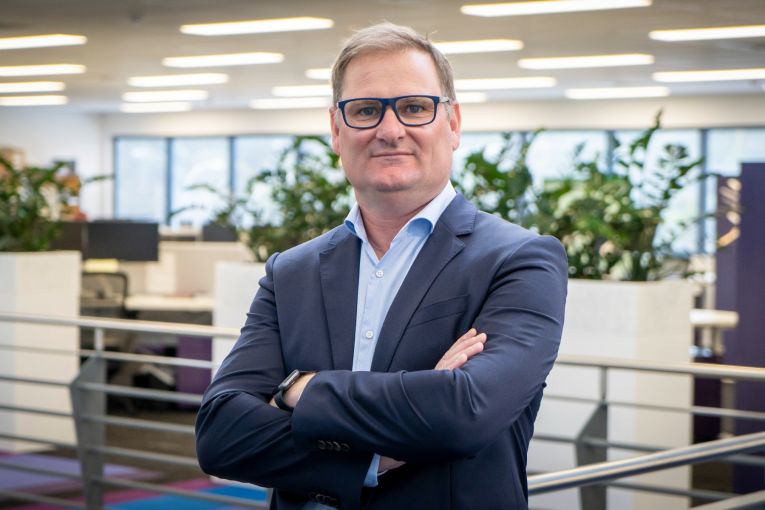
South Australian Dairyfarmers’ Association (SADA) CEO Andrew Curtis’ submission to the Federal Government’s Joint Standing Committee on Migration called for the alignment of skilled migration settings to “modern-day job realities, recognising that contemporary dairy work is skilled, systems-based, and increasingly technology-enabled”.
You might like
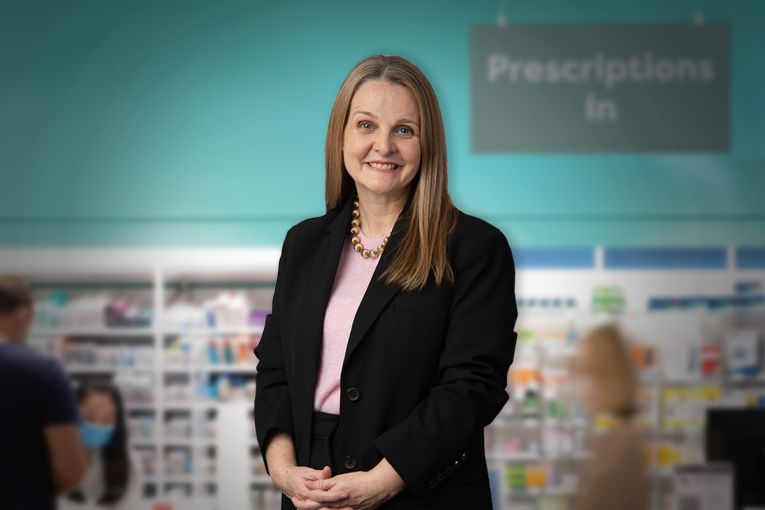
Established in 2025, the Joint Standing Committee on Migration, chaired by SA MP for Adelaide Steve Georganas, is examining the nation’s migration system with a focus on skilled migration.
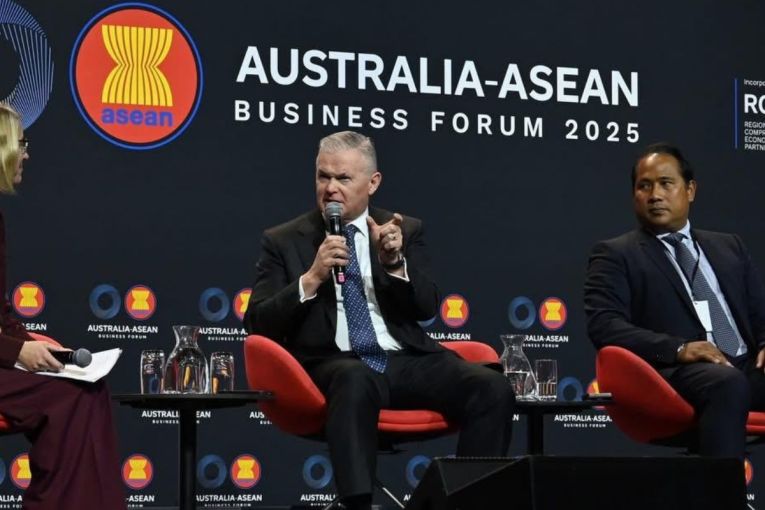
At a public hearing on Monday in Adelaide, SADA’s Curtis and executive officer Alison Amber spoke about industry pressures saying migration settings were not coordinated with regional housing realities, SADA noting “housing scarcity in many regional areas can undermine attraction and retention”.
“There’s a parallel constraint,” Curtis said.
“One is in being able to attract the right skills and describe them properly, and the other one is being able to house.
“There’s a lot of underperformance and under-recruitment because we know we don’t have the house. And there’s all sorts of local government constraints to putting a second dwelling on an agricultural property.”
And unlike fruit picking – which relies on a workforce of backpackers on working holiday visas – “dairy farming is 24 hours every single day of the year”.
Stay informed, daily
“It’s not seasonal, the cows don’t stop milking,” he said.
“When [backpackers are] doing their 88 days, at the end of the 88 days we don’t want them to go. We’ve then got to find somebody else to fill that spot.”
Curtis said the industry was seeking migrants to support farms – 92 per cent of which are family-owned and run in SA.
But “we need people that can do traditional roles in a more skilled and educated way”, Curtis said.
Workers needed to understand increasingly complex technology, he said, noting “we have robots milking cows, we have sensors everywhere”.
“The expectation of a doctor has evolved with technology, whereas the expectation of a farm worker hasn’t,” he said.
“We expect the same level of evolution in the people that we employ, but the skills list that we work from still sees a farm worker as they might have been in the ’70s and ’80s.”
This was backed up by Zenker, who said that visitors to her family farm through Dairy Adventures were “really surprised about the technology”.
“Every cow, for example, has a profile on a computer program, and we track everything that ever happens to that cow; data from having a baby to getting a calf to any treatments it has. And then that links into the dairy system,” she said.
Zanker, who was also named South Australian Young Farmer of the Year at the SA Dairy Awards 2025, would now represent South Australia at the national award in Canberra in September.
Want to see more stories from InDaily SA in your Google search results?
- Click here to set InDaily SA as a preferred source.
- Tick the box next to "InDaily SA". That's it.