Gods, grief and glory
With crashing gods, heightened verse and a 15-person cast, Thespis Studios is bringing ancient Greek storytelling roaring back to life for modern Adelaide audiences.
The house lights dim. A war drum sounds. Somewhere between ancient Greece and modern Adelaide, gods crack the earth, kingdoms collapse and one man tries desperately to hold onto his humanity.
This month, Thespis Studios makes its ambitious debut with King Odysseus – a sprawling, two-hour mythic stage production inspired by Homer’s Iliad and built from the ground up by a team of young theatre-makers determined to revive “old-fashioned storytelling”.
For founder and director Isaac Troisi, this isn’t just another fringe-style adaptation of a familiar classic: it’s a statement of intent.
“I wanted something grander,” he says. “If I was debuting both a company and a philosophy, I had to make an impression.”
And grand it is.
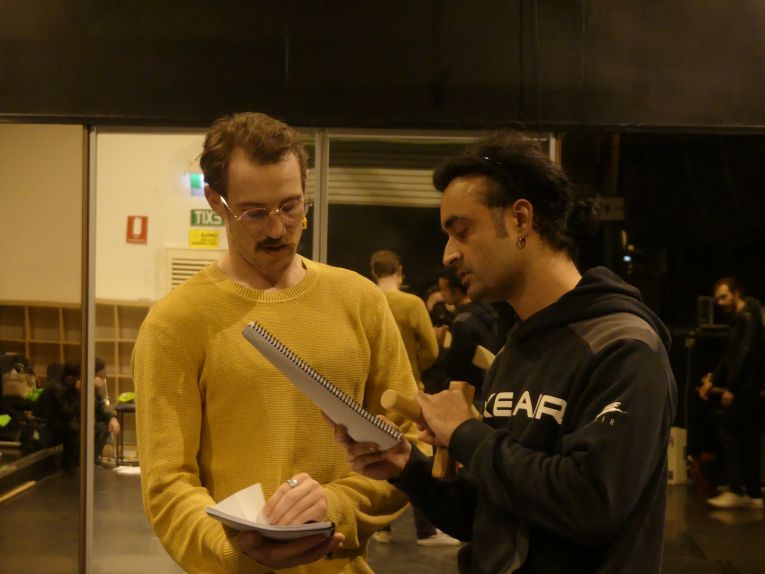
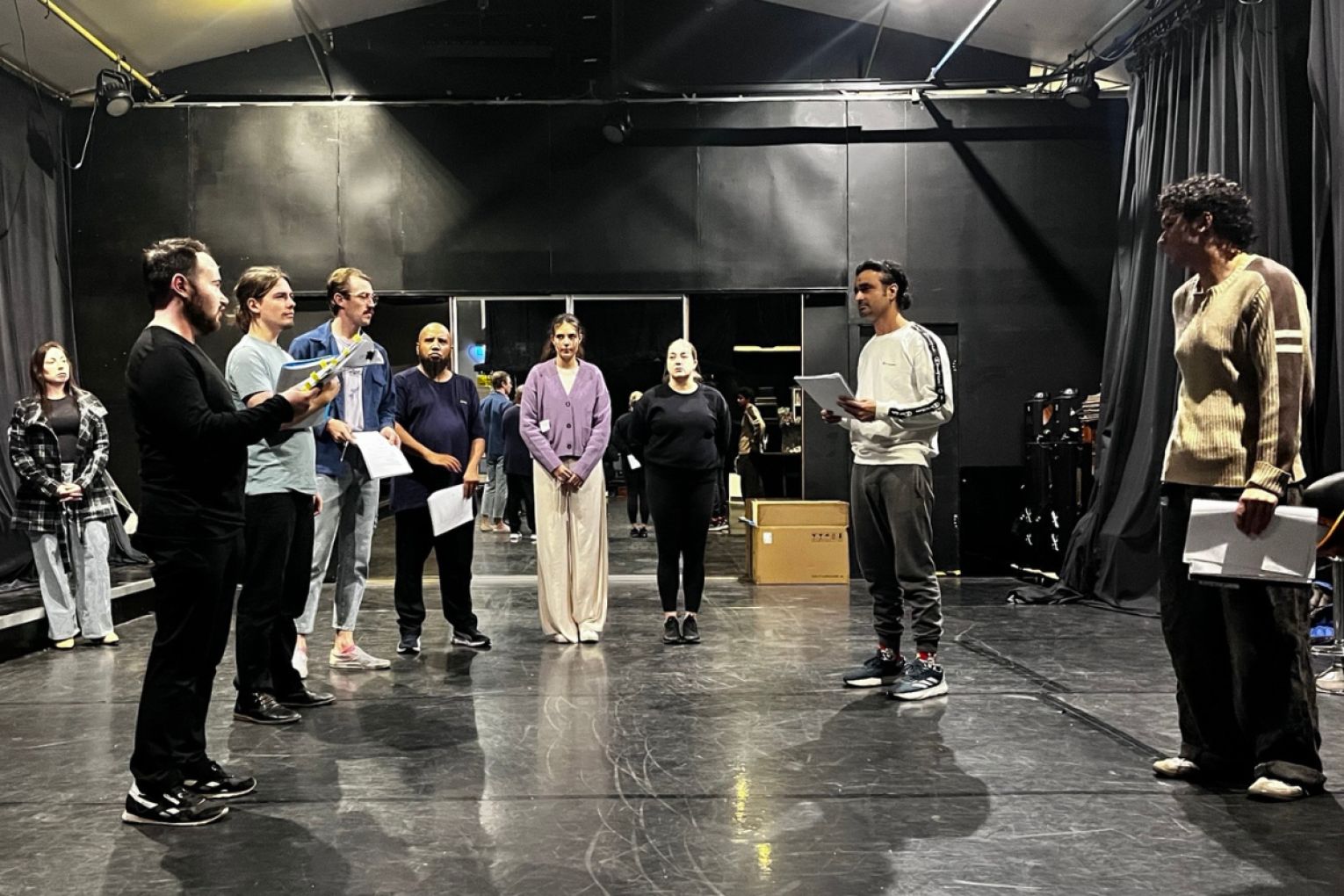
King Odysseus features a cast of 15 performers, an original score, handmade masks and props, stylised combat choreography and heightened verse delivered across a six-month rehearsal process. Three nights a week, the cast immersed themselves in the rhythms of Greek tragedy – learning not just lines but movement, physicality and ritualistic performance styles inspired by ancient theatre traditions.
The result sounds worlds away from the quick-hit, algorithm-friendly entertainment dominating modern culture.
You might like
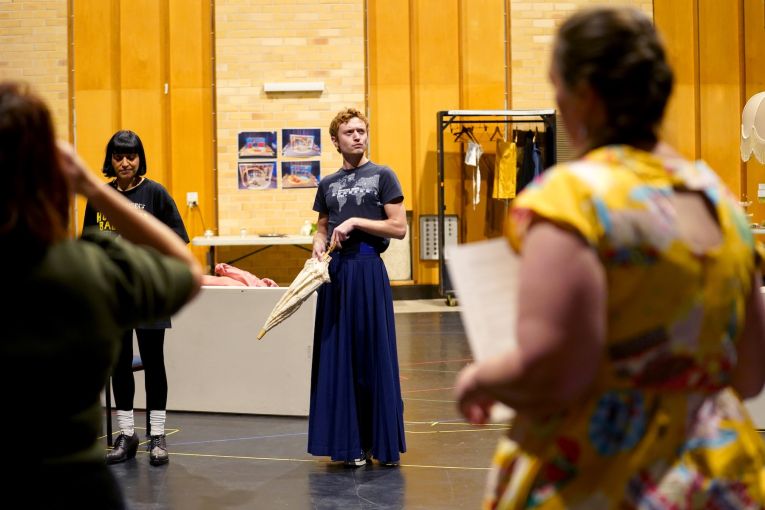
“In a digital and competitive age where attention is constantly divided, King Odysseus attempts to bring audiences back to basics – story, community, culture and reflection,” Troisi says.
Rather than centring the rage-filled Achilles, Troisi’s adaptation follows Odysseus – not as a triumphant hero but as a man slowly worn down by war, consequence and survival. It’s less about glory and more about endurance. Less Marvel superhero, more existential spiral.
And despite the bronze-age setting, Isaac insists the themes remain painfully current.
“War, grief, pride, ambition, love, politics, family, identity – none of these themes disappeared with antiquity,” he says. “The stories have not lost their charm because we have not.”
That emotional universality sits at the heart of the production. Troisi describes each character as embodying different aspects of the human condition, with the play constantly posing questions to its audience: What is the cost of fame? Why do bad things happen to good people? Are our lives controlled by fate or are we the commanders of our own soul?
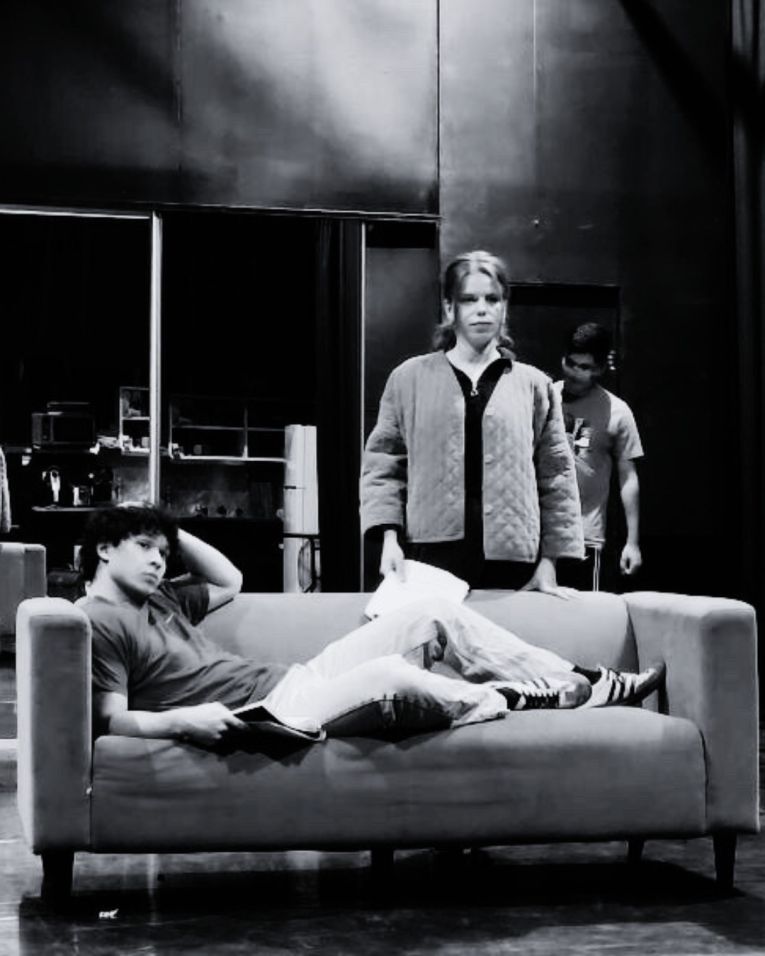
Heavy stuff, sure – but don’t mistake King Odysseus for a dusty lecture in a toga.
The production leans fully into theatrical spectacle. Expect stylised movement, mythic imagery, crashing gods and crumbling kingdoms, all delivered with a kind of sincerity rarely seen in contemporary performance.
“Within the world of King Odysseus, mistakes will be made, gods will crack the earth, kingdoms will fall and wars will be waged,” Troisi says.
There’s something refreshing about that level of earnestness. At a time when irony often dominates pop culture, Thespis Studios seems completely unafraid to go all-in on big emotions, high stakes and larger-than-life storytelling.
It’s also part of a broader mission Troisi has been building through a year of intensive self-directed study into Greek philosophy, theatre and literature. The company takes its name from Thespis, the ancient Greek performer often credited as the first actor in Western theatre history – and the influence runs deep.
“The Greeks believed that art imitates life, not the other way around,” Troisi says. “To create meaningful art, one must create art through humanity itself.”
That philosophy shaped both the script and the rehearsal room.
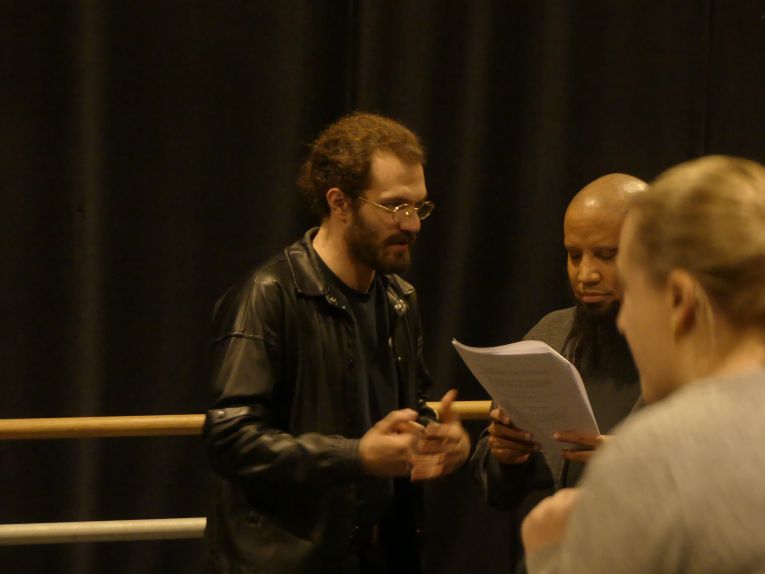
Troisi says one of the biggest highlights has been watching younger cast members fall in love with classical storytelling over the course of production. Many entered rehearsals with little knowledge of Greek theatre, only to become deeply attached to both the characters and the moral questions driving the story.
“By the end of rehearsals, many of them had taken on parts of their characters,” he says. “They asked questions as though they were them. They spoke about the themes as though they belonged to them personally.”
That kind of emotional buy-in feels increasingly rare, particularly in independent theatre where shrinking funding and short attention spans can pressure productions into playing things safe. But King Odysseus appears to be doing the exact opposite: bigger scale, bigger ambition, bigger questions.
Even the language itself pushes against convention. Troisi has written the production in heightened verse, echoing the rhythms and musicality of ancient epic poetry while keeping the story accessible to modern audiences.
And for anyone intimidated by the thought of brushing up on Homer before opening night? Relax.
“If you have never read the Iliad, you are in luck – you do not have to,” Troisi says. “You will still leave understanding the story in all its glory.”
Ultimately, King Odysseus sounds less like a nostalgia exercise and more like a challenge to contemporary audiences: slow down, sit together in a room and wrestle with what it means to be human.
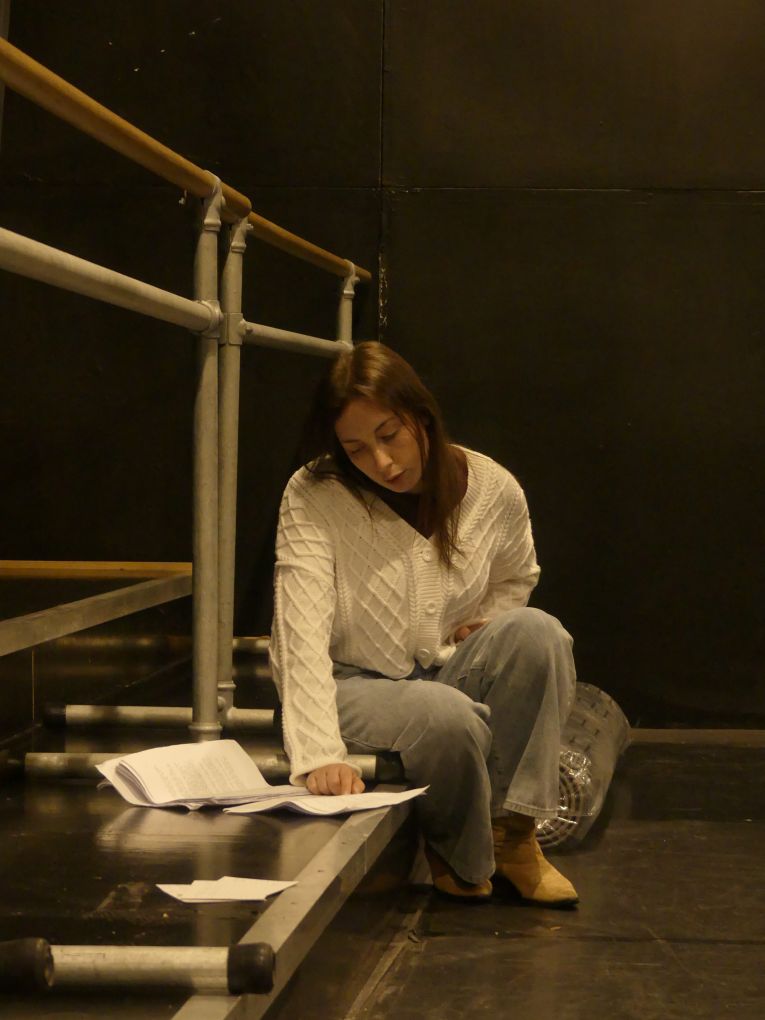
For Troisi, this debut is only the beginning.
“Thespis Studios stands for more than just a production company,” he says. “It is devoted to reviving timeless stories and one day creating original timeless stories of its own.”
Then comes the company’s Latin motto:
“Per aspera, ad astra.”
From suffering unto the stars.
Want to see more stories from InDaily SA in your Google search results?
- Click here to set InDaily SA as a preferred source.
- Tick the box next to "InDaily SA". That's it.
Free to share
This article may be shared online or in print under a Creative Commons licence