
Drawing outside the lines: The power of learning art later in life
With studio-based teaching, practicing artists and a deeply supportive environment, Adelaide Central School of Art is proving that artistic skill is built, not born.
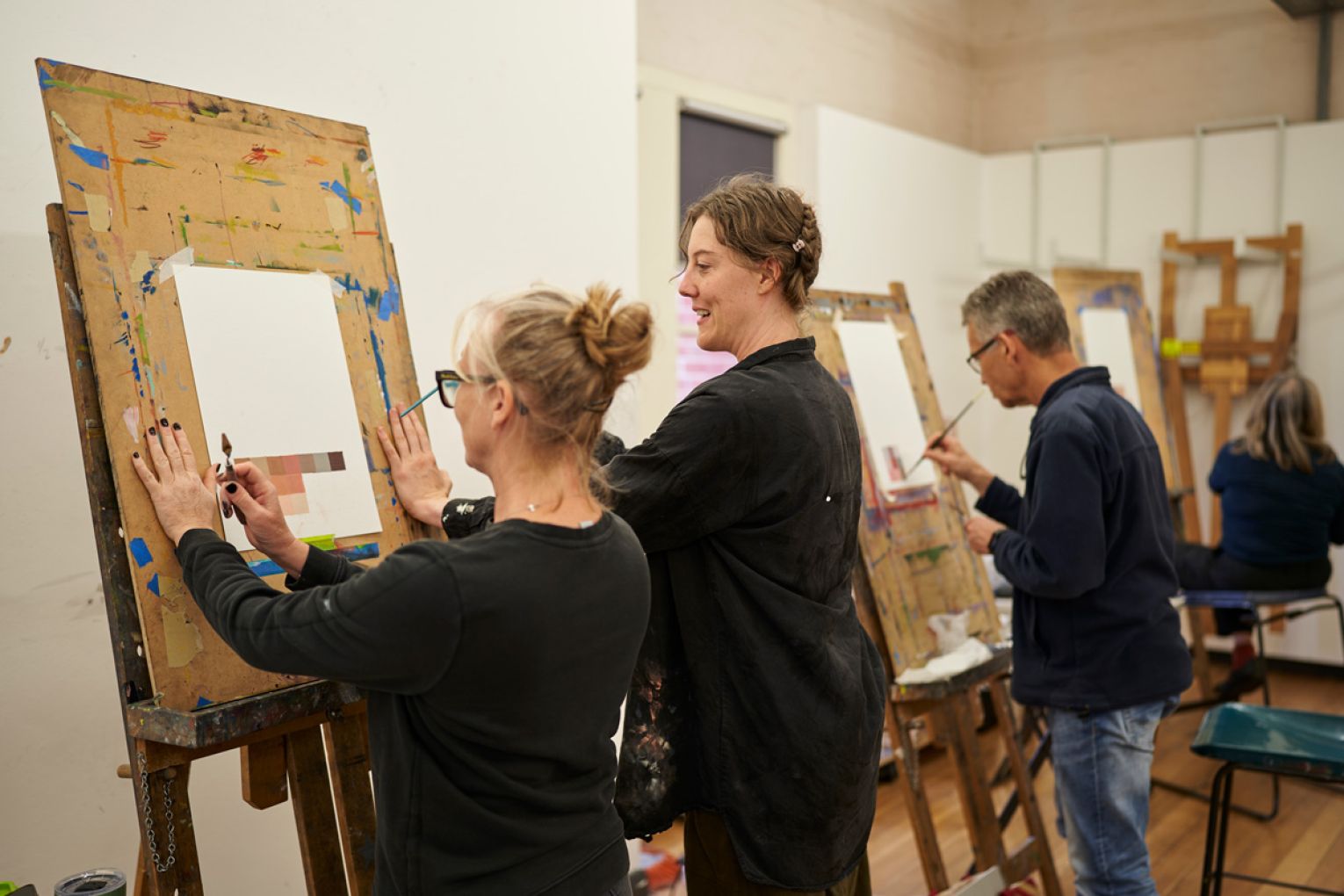
There’s a moment, often in midlife, when something quietly shifts. The pace of work changes, children grow up or long-held ambitions resurface with new urgency. For many, it’s also when creativity – once sidelined – begins to call again.
At Adelaide Central School of Art (ACSA), that moment is met not with intimidation but with invitation.
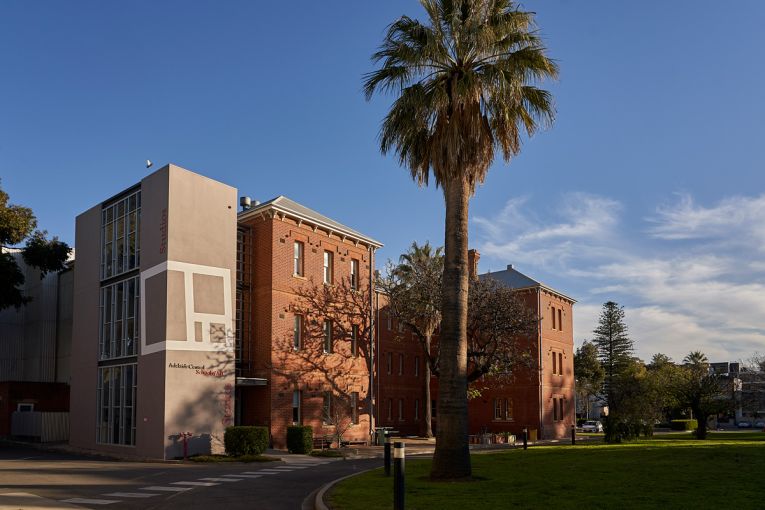
“Adelaide Central School of Art is a rare gem,” says public programs co-ordinator Suzanne Close. “Located in the historic Glenside Cultural precinct, we are a leading independent art school dedicated to developing and nurturing students to learn by doing.”
Founded by Rod Taylor AM in 1982, ACSA has spent more than four decades building a reputation as one of the nation’s most respected art institutions. As a not-for-profit Institute of Higher Education, it offers accredited pathways from Diploma through to Bachelor and Honours degrees – but it’s the breadth of its community that defines it.
“Our graduates have a high rate of success in the industry and go on to enjoy dynamic careers as visual artists, educators, mural artists, writers, program officers and academics,” Close says.
Yet you don’t need ambitions of a full-time art career to walk through its doors.
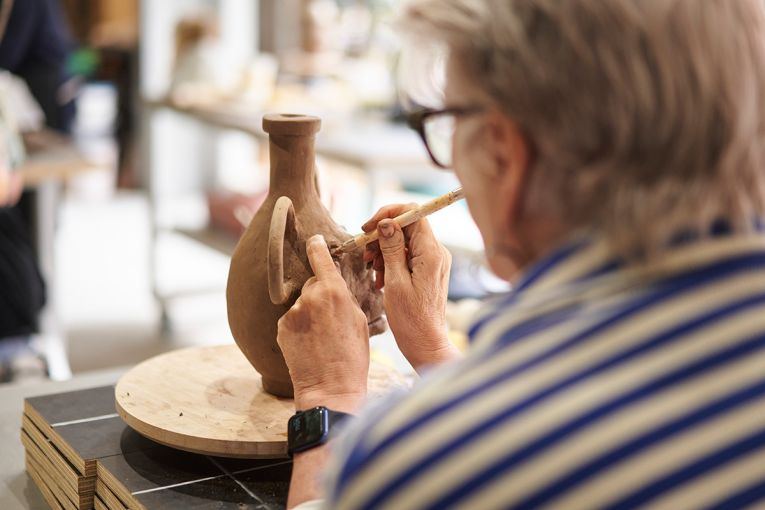
ACSA’s short course program is deliberately designed for everyone – “even if you have never picked up a paint brush or stick of charcoal,” as Close puts it. From one-day workshops to six-week courses, including its popular Summer and Winter Schools, the courses are grounded in a simple belief: that drawing, painting and sculpture form the foundation of contemporary arts practice, and that these skills can be learned at any stage of life.
That philosophy challenges one of the most persistent myths about art – that it’s an innate talent, rather than a learned skill.
You might like


“You are never too old to learn to paint or draw,” Close says. “They are skills that you can develop through observation and practice. Fundamental skills like learning to draw and paint can be broken down into simple steps with the support and guidance of experienced teachers.”
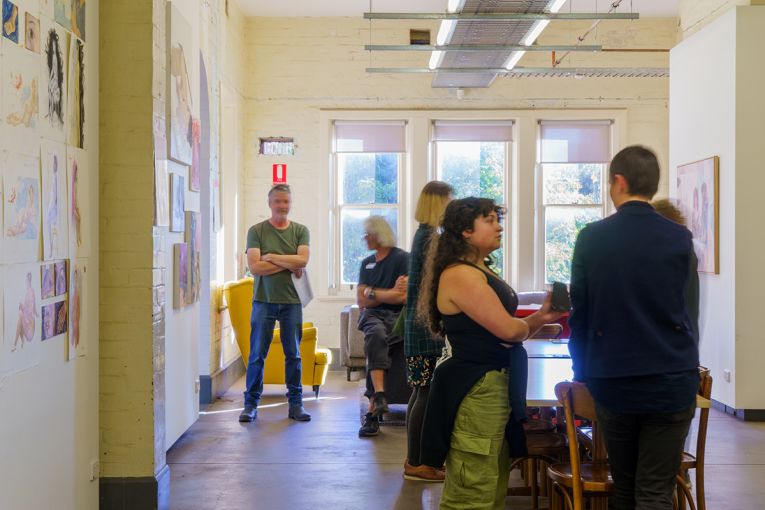
On campus, that belief plays out in a way that’s both practical and quietly profound. Students range in age from teenagers to those in their 80s. “Age is no barrier,” Close says. “The mix of people with different life experiences makes our classes more dynamic. It is heart-warming to see our youngest vanguard students sitting with and working alongside our oldest mature-age students. We truly are a multi-generational independent learning environment.”
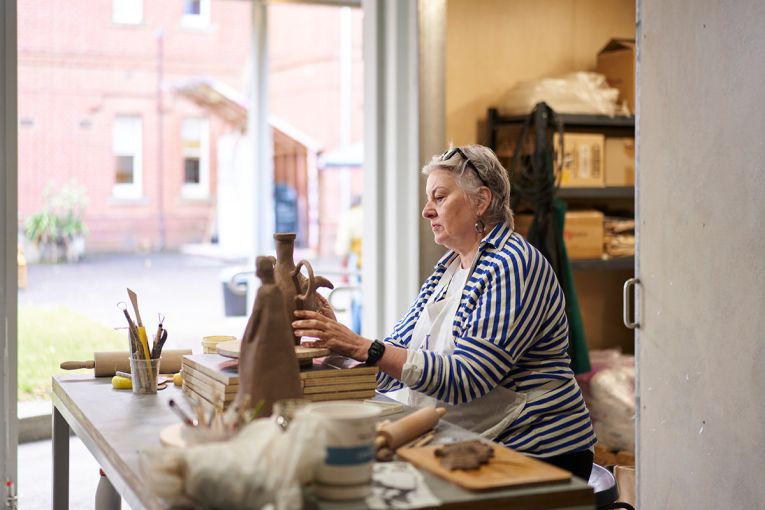
At the heart of that experience is ACSA’s studio-based approach. This isn’t learning by watching tutorials or passively absorbing theory – it’s hands-on, immersive and deeply human.
“Our studio-based approach to visual art education is grounded in hands-on learning that encourages the practice of techniques, experimentation and active engagement in the creative process,” Close explains. “All our courses are taught by practising artists with strong connections to the arts industry.
“The small class sizes allow for one-on-one assistance and feedback. With the focus on face-to-face learning, students inevitably share and learn from each other, creating a stimulating, collaborative environment.
“All these factors contribute to the strong sense of community we have at ACSA and perhaps the reason why so many students never want to leave.”
One graduate, Fiona McIntosh, captures that feeling: “My time at ACSA has, without question, been one of the happiest and most transformative experiences of my adult life,” she says.
“While the exquisite lecturing, care and encouragement has brought about immeasurable and profound personal learning and growth, it’s the imperceptible essence that flows through this school and its people that has made the journey feel unique and special. I leave wanting to stay but also feel richly prepared for whatever comes next.”
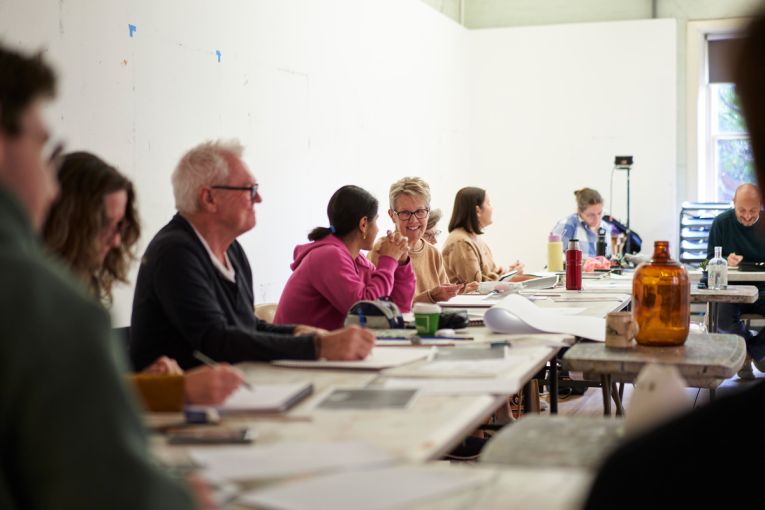
That sense of transformation isn’t unusual. Beyond the acquisition of new skills, engaging with art has well-documented benefits for mental health and cognitive function.
“There has been a lot of research on how making art can stimulate the brain to form new neuropathways,” Close says. “Engaging with art can literally rewire your brain. It promotes divergent thinking and problem-solving skills.”
For some, those benefits extend into entirely different areas of life. Close recalls a student with a background in business who found that studying art enhanced both creativity and insight. Others speak of increased mindfulness – a direct result of learning to observe closely and be present in the moment.
“In a world where we spend so much time on screens, people are craving analogue activities and social connection,” Close says. “A short course is a great way to meet new people in a friendly and welcoming environment.”
For younger students, ACSA offers dedicated teen classes and pathways such as the Vanguard Program, which allows senior secondary students to undertake a tertiary-level visual arts unit alongside their SACE studies. For adults, courses are tailored across all levels – from beginners picking up a pencil for the first time to advanced practitioners refining their craft.
Beginner courses, Close says, are designed to remove the intimidation factor entirely. “After their first class many participants return,” she says. “As one student put it, ‘I’m filled with joy and enthusiasm to paint and learn more’. So be warned: they are addictive.”
Intermediate and advanced courses allow students to deepen their practice, whether through structured skill-building or intensive experiences like drawing marathons led by visiting artists.
Still, the biggest barrier for many isn’t time or ability – it’s fear.
“Most people are anxious about coming to a class for the first time, regardless of age or experience,” Close says. “Some new students worry about not being good enough or not having enough knowledge about art. These concerns vanish once people start the class and begin to feel at home quickly.”
She emphasises that learning – not perfection – is the point. “Our lecturers encourage everyone and emphasise the importance of bringing your unique lived experience and perspectives to the class.”
One former student described that shift succinctly: “As someone quite anxious about stepping into the drawing class after a practice hiatus of many years, I was especially gratified and impressed by the way they worked to create an inclusive and positive learning experience for all participants.”
For Close, the most rewarding part of her role is seeing what emerges from that environment.
“The art that is produced at ACSA never fails to surprise me,” she says. “I enjoy seeing people’s personalities and perspectives reveal themselves through their work.”
It’s a reminder that creativity isn’t something reserved for a select few. It’s something that can be learned, nurtured and rediscovered – at any age, at any stage.
Or, as one short course student put it: “I feel more as though I belong and that I CAN paint.”
Find out more here.
Want to see more stories from InDaily SA in your Google search results?
- Click here to set InDaily SA as a preferred source.
- Tick the box next to "InDaily SA". That's it.
Free to share
This article may be shared online or in print under a Creative Commons licence