Grab your sword, strap on your sandals, The Odyssey has arrived!
In honour of this week’s release of Christopher Nolan’s The Odyssey, we reflect on the history of sword-and-sandal films.
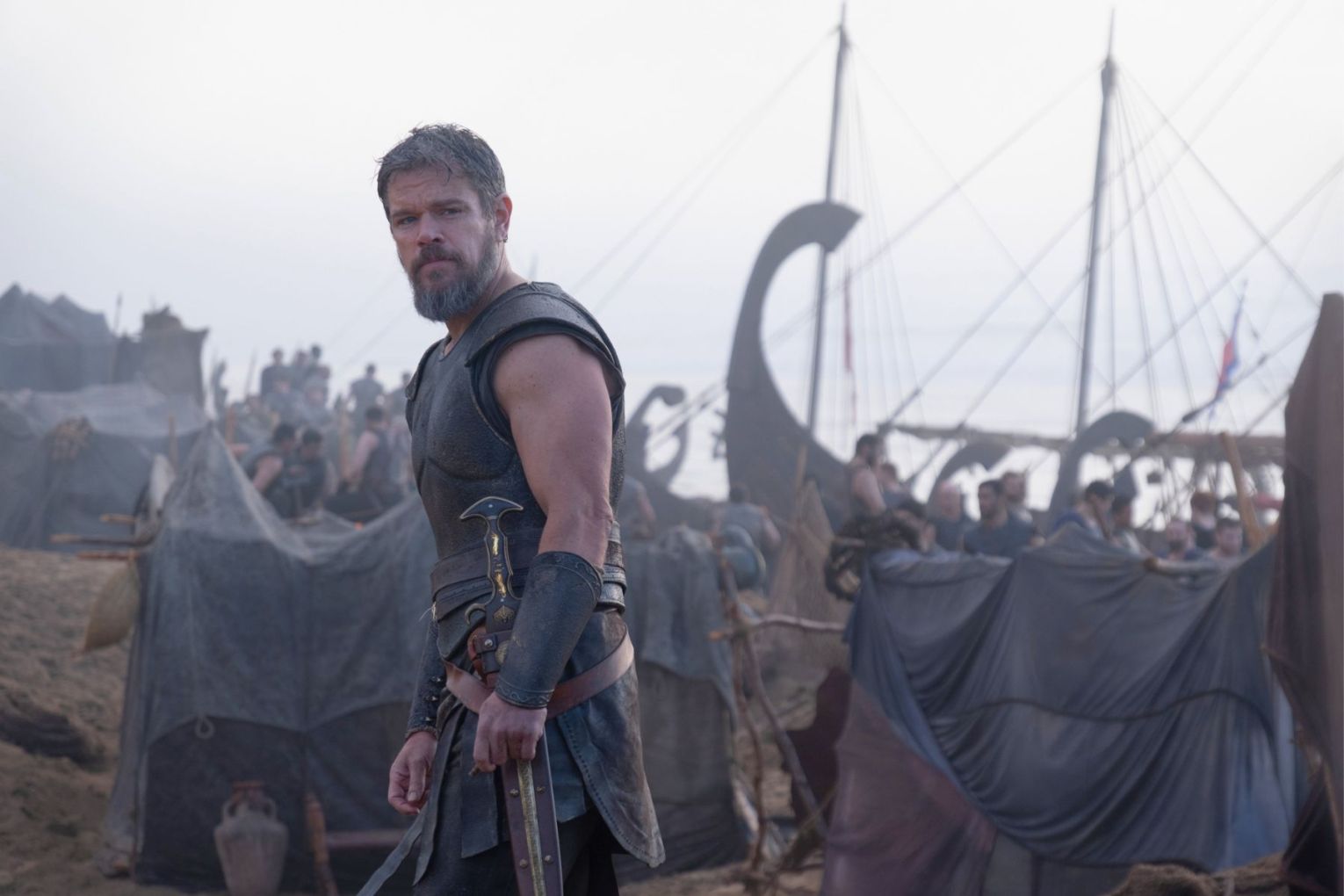
Few movie genres are more disdained than sword-and-sandal epics – peplum-wearing, action-filled sagas set in the Ancient World.
These films are typically associated with things such as poor dubbing, wooden acting, bodybuilding stars such as Steve Reeves, plots that grossly distort history and myths, tame orgy sequences and a lot of homoeroticism.
In the 1980 comedy Flying High! (released in the US as Airplane!), the lecherous Captain Oveur (played by Peter Graves) asks a young boy, “Joey, do you like films about gladiators?” While the pansexual Frank N. Furter in The Rocky Horror Picture Show seductively suggests to visitors Brad and Janet that if they “Want something visual, That’s not too abysmal, We could take in an old Steve Reeves movie”.
Yet the genre has proved enduring. One of the first international blockbusters in cinema history was a sword-and-sandal tale – Quo Vadis? (1913), about the persecution of Christians under the Emperor Nero. More than a century later, Universal Studios has invested more than $250 million in The Odyssey, Christopher Nolan’s adaptation of the 12,000-line poem about Odysseus’ return home after the battle of Troy.
In between that are hundreds of other movies that mix sex, swords, sandals, myths and history – about 80 of them alone with the word Hercules in the title.
This should not be so surprising. In an industry that has always loved pre-existing IP (intellectual property), these films are based on the oldest existing IP of them all, with The Odyssey and The Iliad composed (it is believed) by the blind Greek poet Homer about the 8th century BC. Homer’s works are considered the beginnings of Western literature.
You might like

Sword-and-sandal films tell stories that remain compelling, with plenty of complex heroes and villains, sex and violence, and colourful characters. It’s easy for their makers to insert some Christianity, if they want to appeal to the church-going market, or rip off Shakespeare, if they wish to seem classy, or make a vague attempt at being historically accurate, if they could be bothered.
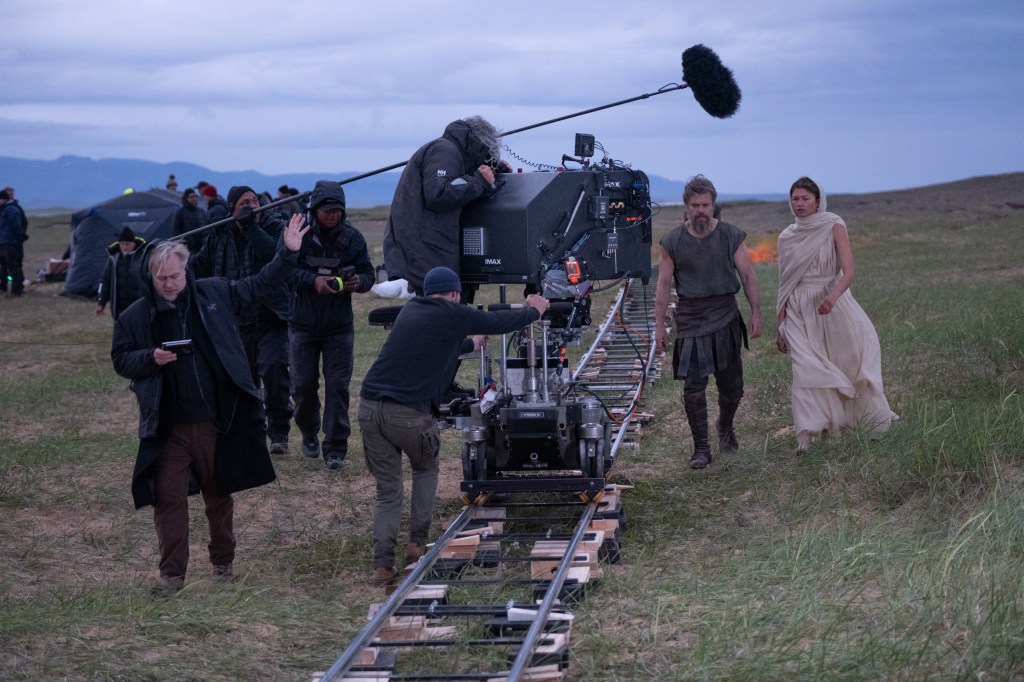
Tales set in the Ancient World can even become a brand for the right filmmaker, such as Ridley Scott (Gladiator, Exodus: Gods and Kings), Cecil B. DeMille (Sign of the Cross, Samson and Delilah, The Ten Commandments) and special-effects wizard Ray Harryhausen (Jason and the Argonauts, Clash of the Titans).
The financial rewards for these films can be spectacular. They can even be critically acclaimed, if that matters. After all, both Gladiator (2000) and Ben-Hur (1959) won the Best Picture Oscar.
The main downside of sword-and-sandal films is that they are almost always expensive to make – audiences go to see them for spectacle, and it’s hard to cheaply depict things like Cyclops, the Sermon on the Mount or lions mauling gladiators in the Colosseum.
Some of the most troubled productions in cinema history are Ancient World epics, including Cleopatra (1963), The Fall of the Roman Empire (1964), The Greatest Story Ever Told (1965) and Ben-Hur (the 2016 version that you probably did not know existed). Cost overruns on Cleopatra and Greatest Story almost rendered their respective studios bankrupt, while Fall of the Roman Empire did bankrupt its studio. So, they are green lit with some trepidation.
Subscribe for updates
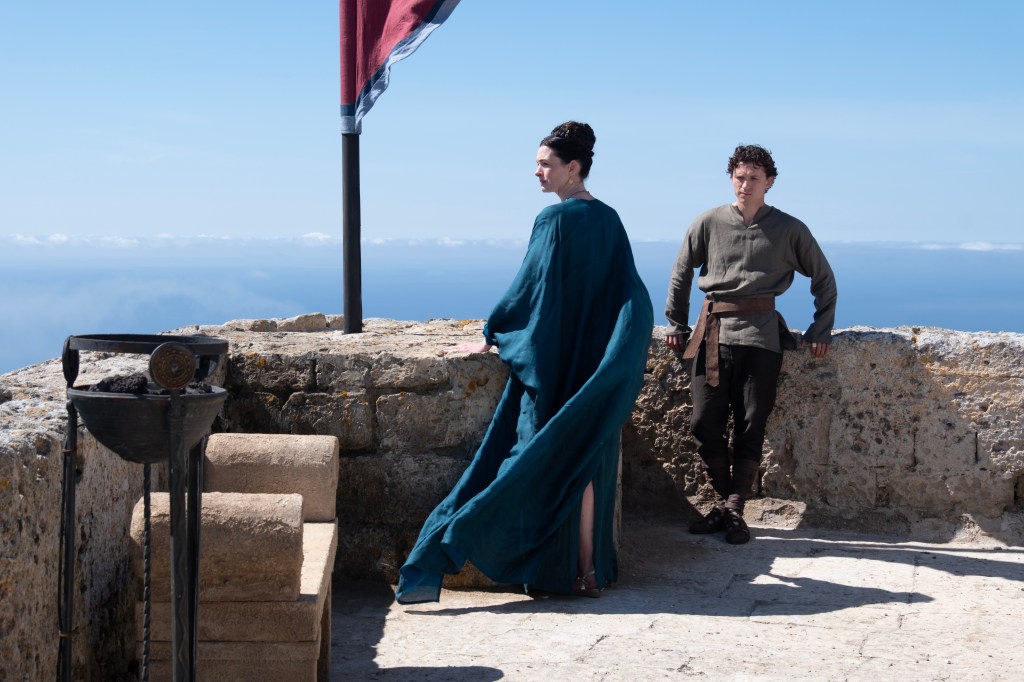
The golden era of sword-and-sandal movies came in the 1950s and 1960s when cinemas were clogged with action-packed, colourful epics set in the Ancient World.
These typically fell into two categories: First were Hollywood blockbusters with A-list talent and a Biblical/historical connection, often being a remake of a silent film (Quo Vadis, The Ten Commandments, King of Kings); the second were less-expensive Italian-shot efforts such as Hercules, which typically featured extensive dubbing, musclemen leads (Steve Reeves, Reg Park), European starlets in very short tunics and/or Hollywood stars whose careers were in decline, with scripts that gleefully distorted ancient history and myths.
That cycle ran out of puff in the mid-1960s but sword-and-sandal films have always found a way to reinvent themselves for new audiences. For instance, the 1980s saw a boom in sword-and-sorcery movies, such as Conan the Barbarian (1982) starring Arnold Schwarzenegger, who was inspired to act by the success of fellow bodybuilder-turned-actor Reg Park.
Gladiator (2000) cross-pollinated the plots of Fall of the Roman Empire and Ben-Hur and used developments in modern technology to hugely popular effect, sparking a slew of similar epics – Troy, King Arthur and 300.
It will be interesting to see whether 2026’s version of The Odyssey leads to any imitators. There have been surprisingly few big-screen, English-language direct adaptations of Homer’s work (1954’s Ulysses, 2004’s Troy). This is despite (or because of) the fact that the original story has inspired countless movies, songs, novels, poems, plays, ballets, musicals and television series – particularly in the realms of fantasy and science-fiction.
This includes everything from O Brother Where Art Thou (2000), The Lord of the Rings trilogy, TV’s Game of Thrones, the Harry Potter films, Marvel comics and James Joyce’s Ulysses.
There is a fear that audiences will feel they have seen it all before. But that concern is unlikely to apply to Christopher Nolan’s version. After all, he’s a director who found a way to completely reinvent the story of Batman, Dunkirk, cinematic amnesiacs and the birth of the atomic bomb. He should not struggle too much discovering a fresh take on Homer.
Prepare for a new cycle of sword-and-sandal tales to be unleashed.
The Odyssey opens in cinemas on July 16.
Want to see more stories from InDaily SA in your Google search results?
- Click here to set InDaily SA as a preferred source.
- Tick the box next to "InDaily SA". That's it.
Free to share
This article may be shared online or in print under a Creative Commons licence