‘Without the artists, there is no Fringe’: Heather Croall reflects on pandemics, penguins and passing the torch
As she prepares to draw the curtain on her decade at the helm of the Adelaide Fringe, outgoing CEO and artistic director Heather Croall reflects on the highs and lows of running the arts behemoth.
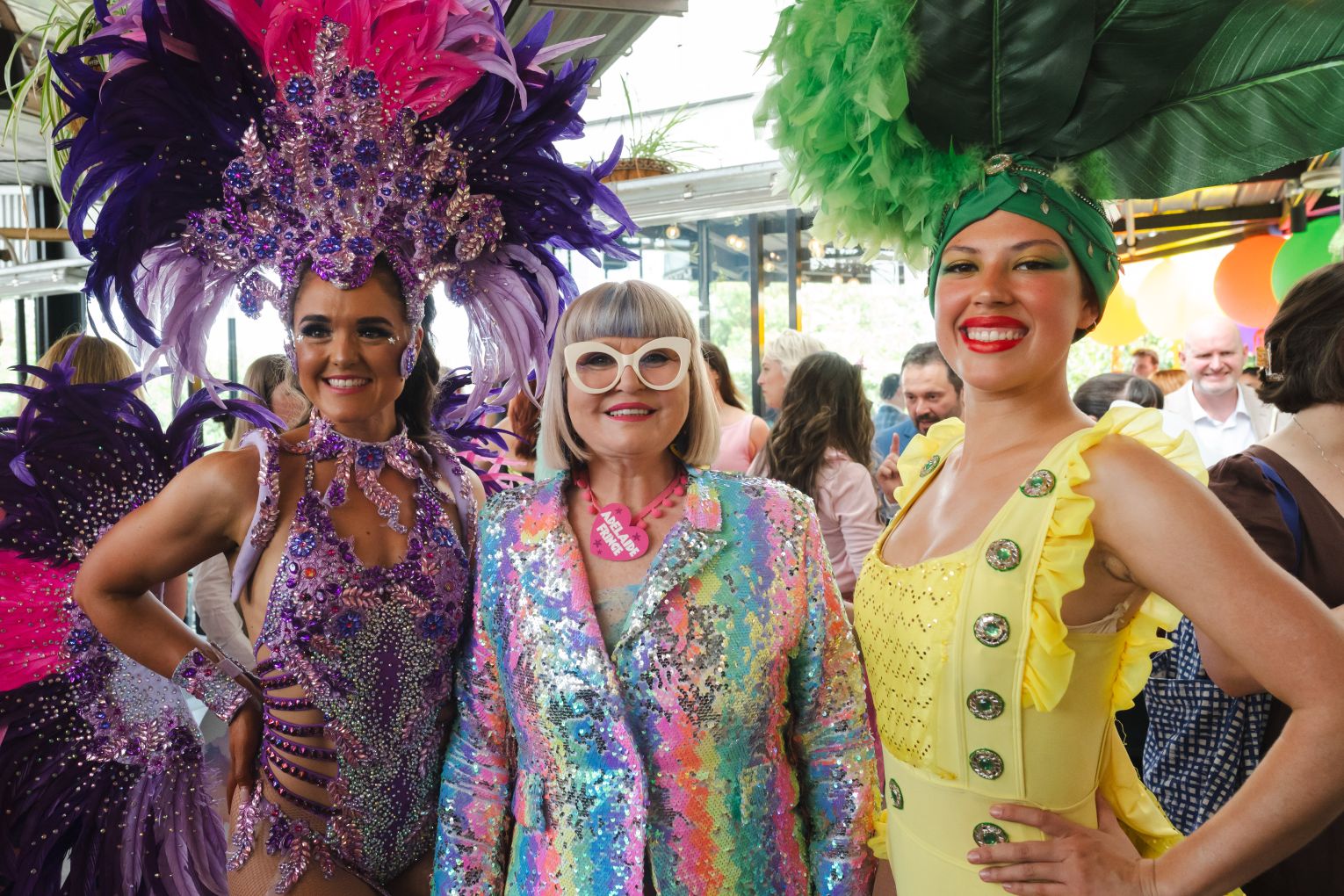
When InReview asks outgoing Adelaide Fringe artistic director and CEO Heather Croall to name her favourite Fringe show over the past decade, she laughs, as if asked to name a favourite child.
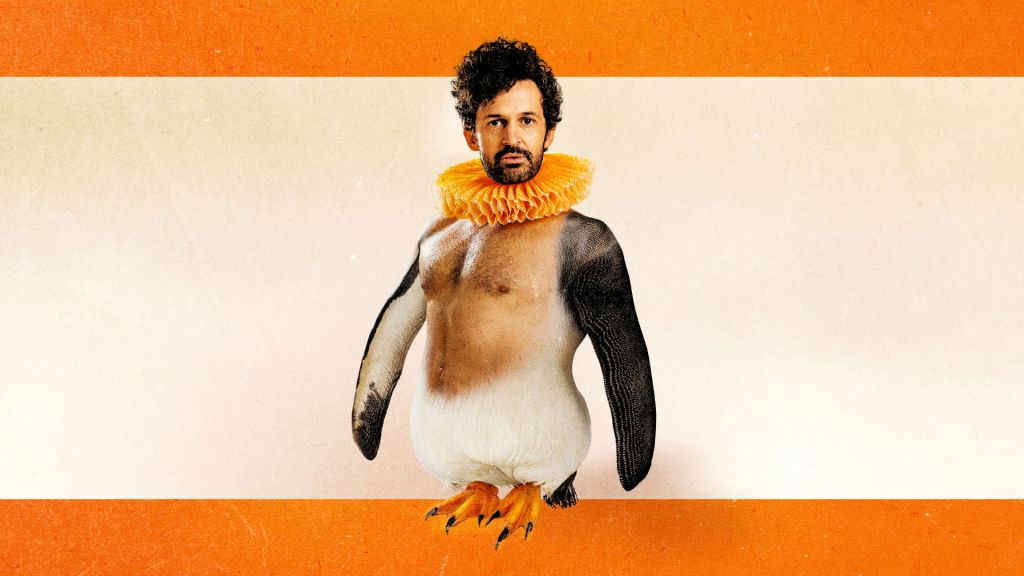
“Look, it’s probably Classic Penguins from Gary Starr, which has taken the world by storm,” says Croall, who has been at the helm of the iconic Festival for the past 11 years.
“I mean, I could say so many that I’ve been to see so many times, but that’s one that comes to mind, just because it’s been in the last year or so.
“But we’d always see… actually, if I start I can’t stop, so I better not!”
Croall will finish up with Fringe at the end of this month, having taken a position as director of Carrick Hill House Museum and Garden.
Reflecting on her time running the biggest arts festival in Australia for more than a decade, the arts leader doesn’t hesitate when asked about the most challenging aspect of the role.
“Battling through Covid, it was exhausting,” she says. “The level of exhaustion was extreme and constant, and incredibly hard work year-round to navigate. It was very tough for the entire team.”
South Australia went into lockdown the day after Fringe finished in 2020, and the following years were focussed on keeping Fringe artists and venues going while working around restrictions.
“It was about how can we ensure the artists and venues stay strong through this period, and we were one of the only festivals in the world that did not cancel,” Croall says. “We were able to operate in ’21 and ’22 with certain restrictions in place, but the festival itself was still able to go ahead and we still had hundreds of thousands of ticket sales and attendances, so it was a whole new way to navigate a festival, having the health department and others at the table with us all the way through the year.”
You might like
Post-Covid, the focus for Croall and her team has been about getting “back up” and recovering, an agenda made more difficult by the rising costs of staging events.
“It’s very similar to how building costs have gone up post-Covid. It’s a very similar curve of increase,” Croall says. “So, the cost of hiring things, setting things up, building venues, putting on shows, has at least doubled.
“And so that really brings into focus how important it is that we always try to prioritise support to the artists and the venues.”
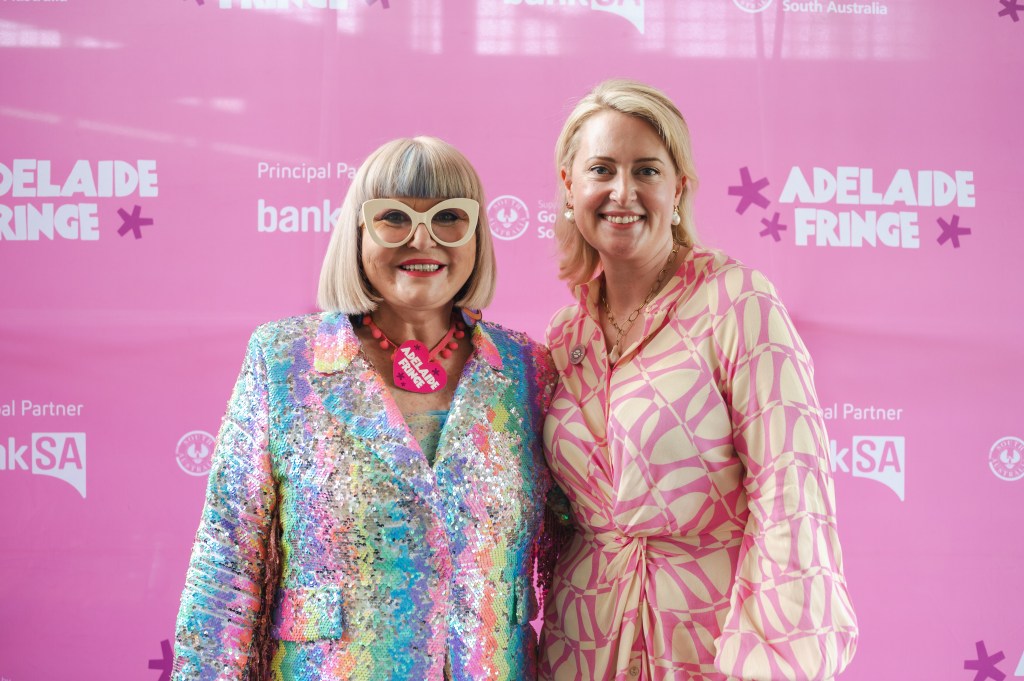
By any measure Croall, who has been the longest serving head of Fringe in its 62-year history, has achieved enormous success during her tenure, significantly boosting ticket sales and visitor numbers. When she arrived in 2015, the box office sold around 450,000 tickets worth $8 million. Those figures now stand at more than a million ticket sales each year since 2023, with Box Office revenue of $27 million dollars and an economic input to the state placed at $197.7 million.
That revenue, Croall says, is “a massive injection into the creative sector, in the arts, to artists, to venues, to producers, presenters, with almost all of it staying in the state”. “A significant majority of artists in the Fringe are South Australian, and the people who are coming in from interstate and overseas are usually doing the whole month here, or at least a few weeks. Most of their income is going on their cost of being here and accommodation and, you know, eating and so on. So very little of the box office leaves the state.
“It’s an unbelievable journey of growth. We had double-digit percentage growth every single year, in the ticket sales, year on year. I mean, apart from the Covid years, but the Covid years were still 700,000 or 800,000 tickets.”
Reaching the one millionth ticket sale was a high point for Croall, a milestone achieved thanks to a social media strategy to attract more interstate and overseas visitors to the event.
“We wouldn’t have got to the million tickets without tourists,” she says. “We targeted advertising to people who are customers that go to festivals … to get in front of those sort of festival-loving tourist, and cultural tourists are significant. I mean, they spend money.
“We know the economic impact that the Fringe has on the state, which is around $200 million a year now, and a significant percentage of that is new money from tourists.”
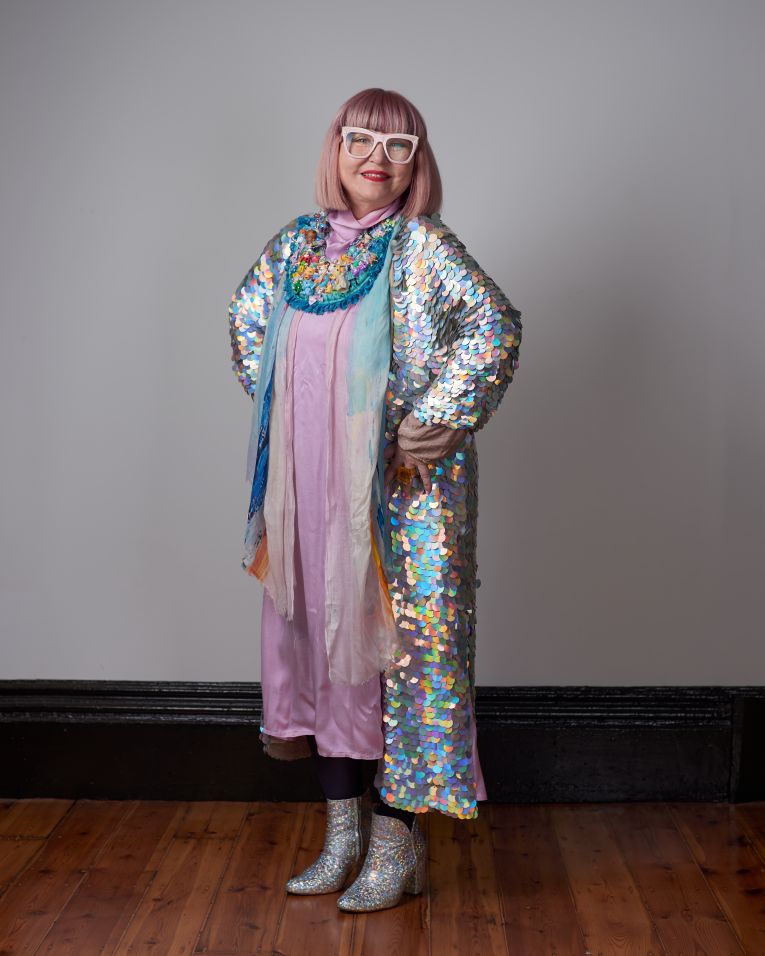
Key to attracting and retaining new audiences has been Croall’s focus on updating the organisation’s digital platforms, including ticketing.
“The systems that were in place when I arrived were not fit for a smartphone. They didn’t work on iPhone, for example, you had to be at your computer to do things,” she says. “So we needed to build digital platforms that were agile and fit for purpose in this day and age of how people interact with their smartphones and how they use their phone for everything.
“The ticketing platform, everything like that was built based on understanding what were the specific needs of such a big open access festival with lots of venues. It’s a very different system to what you have with a curated festival happening in a few venues, or even just one venue. This is hundreds of venues, it’s grassroots-up, it’s community-led.”
Subscribe for updates
Expanding the Fringe into more regional and suburban venues is something Croall, who grew up in Whyalla, cites as a major achievement, along with the festival’s Donor Circle and Honey Pot program – an international arts marketplace that takes place over four weeks during the festival.
“What that means is buyers or programmers from all over the country and all over the world come to Adelaide Fringe to scout for talent,” Croall says. “It’s driving export deals for South Australian and Australian artists, and I hope that the marketplace will continue to thrive, because it’s critical.”
While stressing that it’s the entire Fringe team that drives its success, there’s no doubt that Croall’s high public profile and accessibility has been influential.
“I made myself available to talk with anybody, a sponsor, an artist, government, media,” she says. “Through my whole decade, I always said, ‘I’ve got an open door and my phone’s here.
“I’m just not going to hide away and I think communication is just so key for this role because it’s not always easy. Sometimes people are having a go at Fringe, or sometimes there are some people having a tough time, and they need you to meet with them and listen to what their challenges are. And that’s how I tried to approach the job for the decade, I always tried to say, ‘Well, I don’t want to put my solutions in the centre and at the front. I want to listen to what people’s challenges are.’
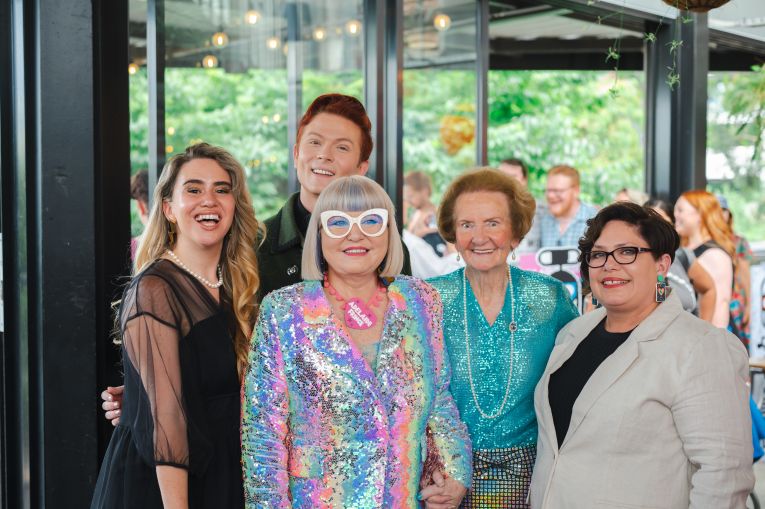
“And then together with the team and with so many stakeholders, we collaborate to try and make a solution that helps remove those barriers or those problems. I always tried to make sure we put the artists in the centre of the planning, and put everything through the artist’s lens.”
A global search is currently underway for Croall’s replacement with the organisation’s operations and finance executive Tara McLeod currently acting in the role.
Croall says she won’t miss the “endless pressure” of running the Fringe, something the entire team feels each year.
“It’s an absolute miracle that everyone puts on their shows,” she says. “The hard work behind the scenes is unbelievable… you can feel that breaking point sometimes, and everyone works so hard.
“The cost pressures are extreme and just to make it, to get over the line every year, you do feel a bit like you’re going to collapse towards the end,”
She will miss the team, she says, whom she describes as “like a family”: “The entire fringe ecosystem is like one big family. It’s a unique experience and such a privilege to have led this organisation for a decade.
“One of my first meetings when I started was with the late Frank Ford AM, widely regarded as the as the father of the Adelaide Fringe. Frank helped guide the creation of the Fringe’s philanthropic arm and often reminded me that the Fringe is ‘the people’s festival’.
“That philosophy stayed with me and guided my work throughout my decade at the Fringe. When I arrived at the Adelaide Fringe I did so with enormous respect for the festival’s history and the giants who built it. Meeting with Frank and Marjorie Fitz-Gerald OAM was so important in my early weeks.”
Croall says she hopes her legacy at the Fringe will be her priority of “putting artists first”.
“Because without the artists there is no fringe,” she says.
Adelaide Fringe runs from February 20 – March 22.
This story is part of a series of articles being produced by InReview with the support of Adelaide Fringe

Want to see more stories from InDaily SA in your Google search results?
- Click here to set InDaily SA as a preferred source.
- Tick the box next to "InDaily SA". That's it.
Free to share
This article may be shared online or in print under a Creative Commons licence