Singers can sing … but can they speak their mind?
The politics of power is present in the arts world and in the world of opera that means sometimes artists are afraid to express themselves beyond the stage.
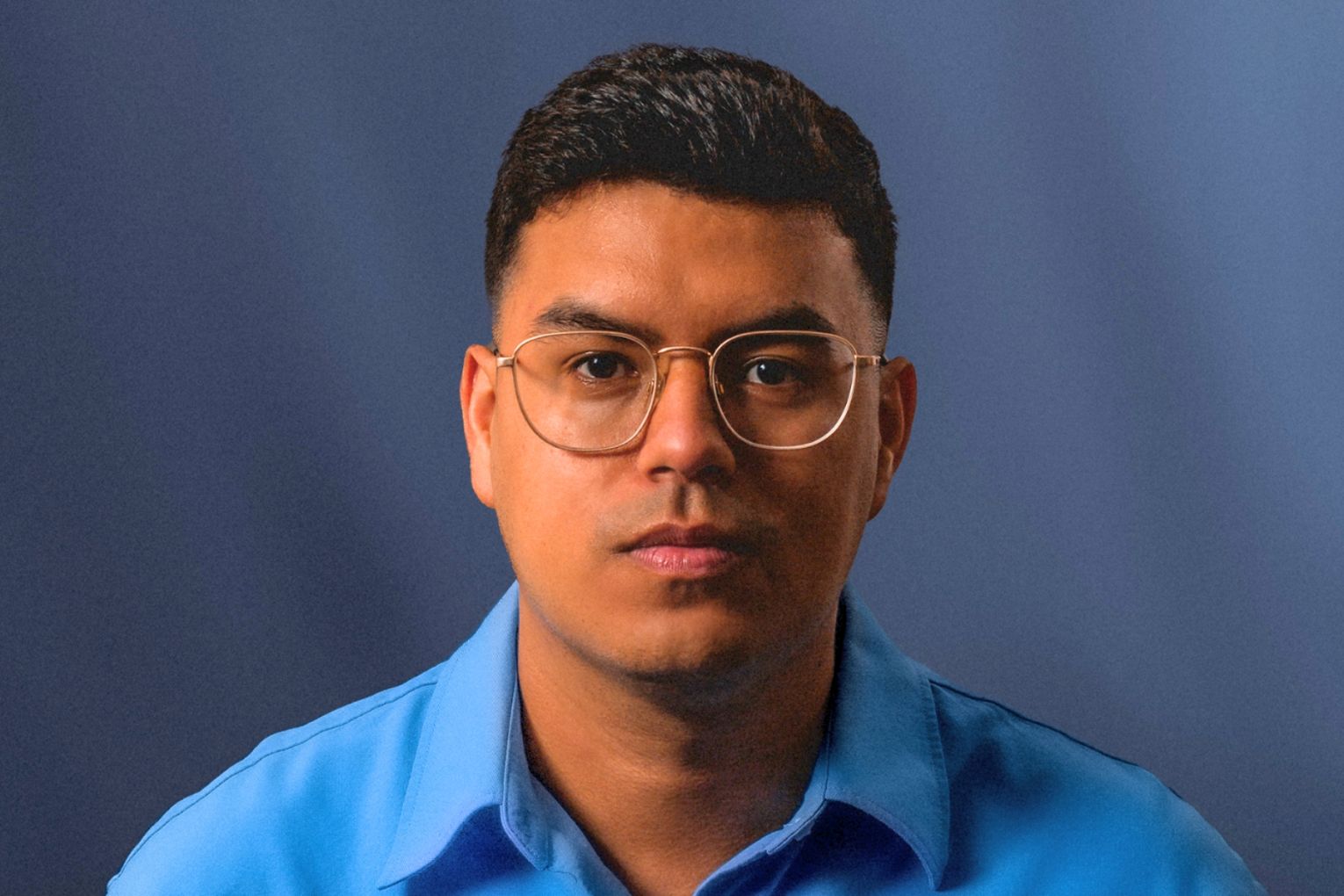
Growing up in Venezuela under an authoritarian regime, I became all too familiar with the concept of fear. Those clinging to power continue to use it as a mechanism of control, transforming an entire nation into a silenced population. When people believe that speaking honestly carries a personal or professional cost, silence becomes embedded within a culture.
Recently, I published an article on my Aus.Opera blog exploring fear-based systems within the Australian opera industry. Rather than presenting definitive answers, it asked a series of questions about fear, psychological safety and workplace culture, inviting readers to reflect on why so many artists and arts professionals hesitate to speak openly.
Psychological safety is the belief that people can ask questions, express ideas, admit mistakes and raise concerns without fear of humiliation or retaliation. Many industries have made this a priority. In opera, however, it can sometimes feel more like an aspiration than a reality. Healthy organisations are not those without challenges, but those where difficult conversations can happen respectfully, constructively and without fear.
Over the years, as an independent producer and co-founder of Brisbane-based Voxalis Opera, I’ve spoken with countless artists, colleagues and industry professionals. Although every story is different, the same themes continue to emerge: concerns left unspoken, uncertainty about who to approach, unresolved conflicts and the perception that speaking up might come at the expense of future opportunities or engagements. Sometimes this even extends to behaviours or remarks that would be challenged in many other workplaces.
What surprised me the most happened after the article about fear-based systems was published. Over the following two weeks, I received dozens of thoughtful messages thanking me for starting the conversation. Yet many people admitted they didn’t feel comfortable commenting on or sharing the article publicly for fear of professional repercussions.
I believe the future of opera depends not only on artistic excellence but also on ensuring everyone feels safe enough to use their voice
That made me realise the issue runs even deeper than I had imagined. An Instagram story lasts 24 hours. If people don’t feel safe sharing a social media post, when do we move beyond private conversations and have the courage to speak openly? When do we get out of this vicious cycle, and the private complaints among peers become action.
You might like
It also made me wonder whether the issue isn’t simply individual behaviour, but the structure we’ve created around our industry.
Australia’s opera sector is highly centralised. Opportunities are limited and reputations travel quickly. Does that naturally make people more cautious? Do artists – the public faces of our companies – feel less secure due to the nature of the work? And if opera strives for the highest artistic standards, shouldn’t we also strive for the highest standards of leadership and accountability?
Ultimately, my article wasn’t about blame. It was an invitation to reflect on the culture we collectively create. Meaningful change begins with honest conversations, and I believe the future of opera depends not only on artistic excellence but also on ensuring everyone feels safe enough to use their voice.
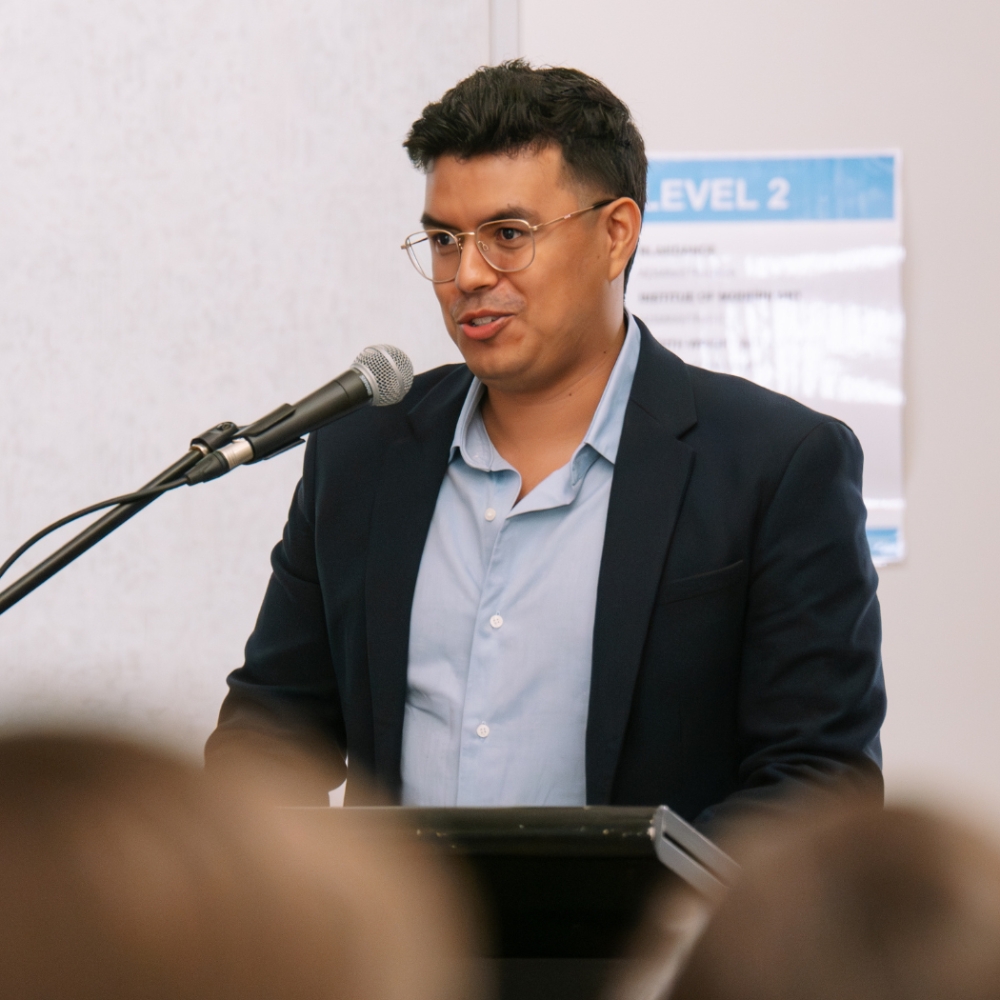
That naturally led me to ask another question: What am I doing about it? After all, words only matter if they are supported by action.
Voxalis Opera was founded in 2021 with one simple mission: to create more professional opportunities for local artists across South-East Queensland, particularly singers on the cusp of their professional careers.
Co-founder Matthew Schwarz and I both have full-time jobs outside the company in completely different industries. Voxalis has never been about personal gain. It is our way of giving back to the community that has given us so much – especially for me, as an immigrant who found a home in Brisbane’s arts community.
We are not perfect but I am incredibly proud of the culture we’ve worked hard to build. Transparency, respect and collaboration underpin everything we do, from the way we work with artists to the way we engage with audiences, donors and partners. Producing performances is only part of our mission. Advocacy has become embedded in everything we do and informs our next steps.
Subscribe for updates
Through our Opera for Everyone initiative we offer some of the most accessible professional opera ticket prices in South-East Queensland, including discounted tickets and Pay-What-You-Can performances. We hold annual and transparent auditions, welcome project proposals from independent artists, reinvest our funding into supporting grassroots producers, advocate for cultural change through public forums and speeches, and actively partner with larger organisations to create pathways for local singers onto bigger stages. Of course, these are only small steps towards much broader cultural change.
Our artistic programming reflects that philosophy. Because opportunities for emerging artists are limited, we design our productions to provide meaningful professional experience alongside artistic excellence.
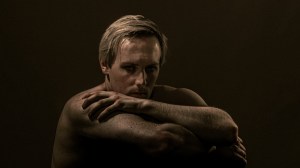
Our upcoming Triple Bill on August 20-21 at St Andrew’s Uniting Church, Brisbane City, is a perfect example. The production was created, in part, with emerging tenor Liam Jackson in mind. Jackson takes on the demanding leading role in the Australian premiere of Iain Bell’s Comfort Starving, giving him the opportunity to showcase the remarkable talent we’ve believed in for the past two years.
The program explores realism through three short operas, anchored by Francis Poulenc’s The Human Voice, alongside the Australian premieres of Bell’s Comfort Starving and Jake Heggie’s Facing Forward/Looking Back. Together, these works explore real life and mental health through contemporary storytelling.
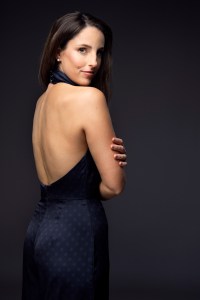
Liam Jackson is joined by acclaimed Queensland soprano Katie Stenzel in her role debut as Elle, alongside Sabrina Wall and Naomi Flatman, accompanied by pianist Jennifer Enchelmaier.
Our season concludes on October 9 with Debussy’s masterpiece Pelleas et Melisande, featuring an outstanding cast for one performance only.
If writing my recent article taught me anything, it’s that cultural change doesn’t happen overnight. It happens with one conversation, one decision and one organisation at a time.
There is still work to do. Opportunities remain limited and, as a good friend recently said to me, we too often operate from a mindset of scarcity rather than abundance.
But I’m optimistic. Every day I see artists and organisations challenging old assumptions, creating healthier workplaces and proving that excellence and kindness can exist together.
At Voxalis Opera, that’s the future we’re trying to help build – one artist, one audience member and one performance at a time.
Performer, producer and arts leader Camilo Lopez, 27, is a Venezuelan baritone and the co-founder and artistic director of Voxalis Opera and creator of the Aus.Opera blog. Lopez continues to champion Australian talent through advocacy and opera productions, bringing fresh perspectives to Brisbane’s opera scene and providing opportunities for Queensland artists.
Want to see more stories from InDaily SA in your Google search results?
- Click here to set InDaily SA as a preferred source.
- Tick the box next to "InDaily SA". That's it.
Free to share
This article may be shared online or in print under a Creative Commons licence