Stay real: Don’t be ruled by algorithms
Author and influencer Alexis Zahner’s existential crisis led to her debut book – a very sane guide to reclaiming personal agency in an increasingly algorithm-driven world.
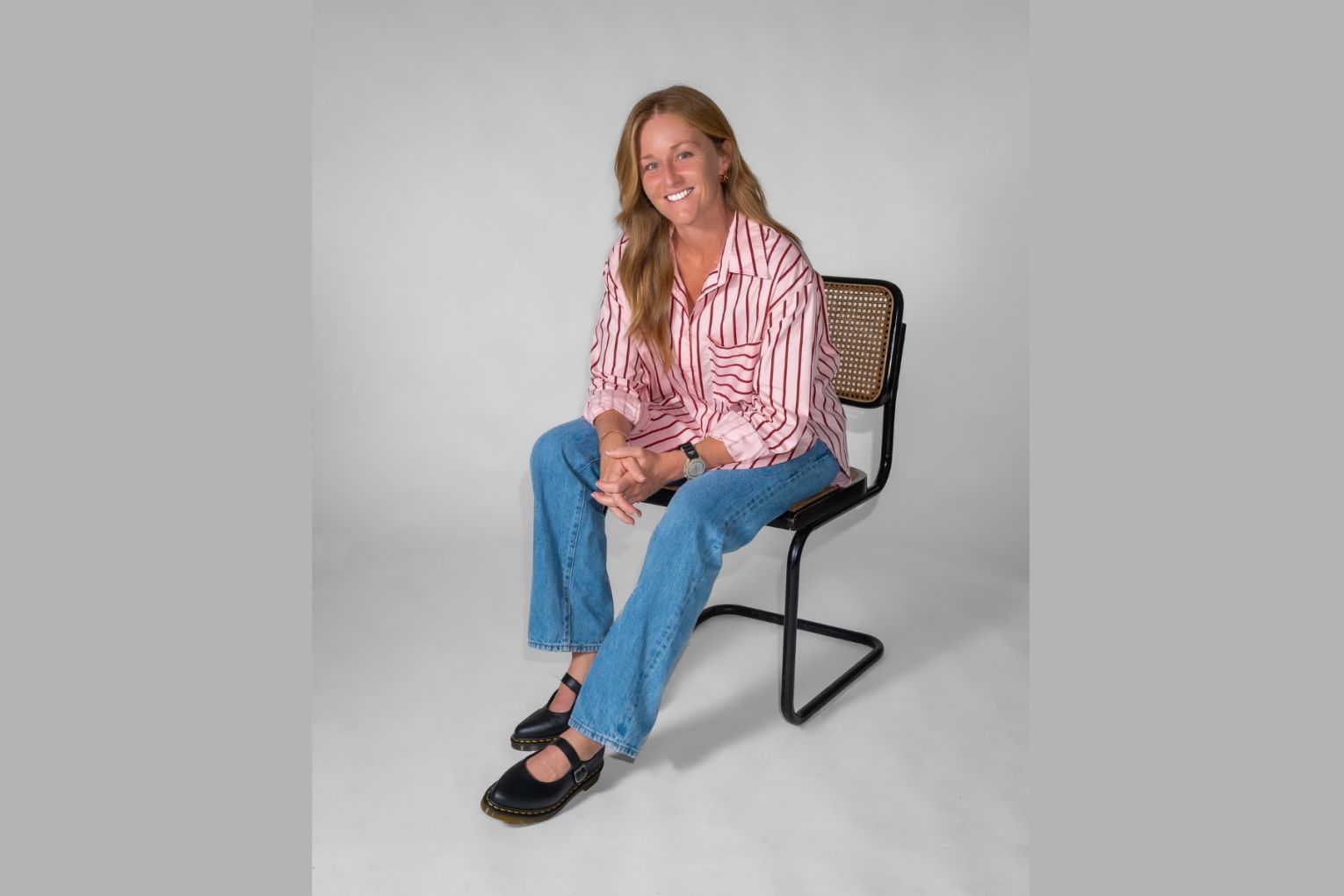
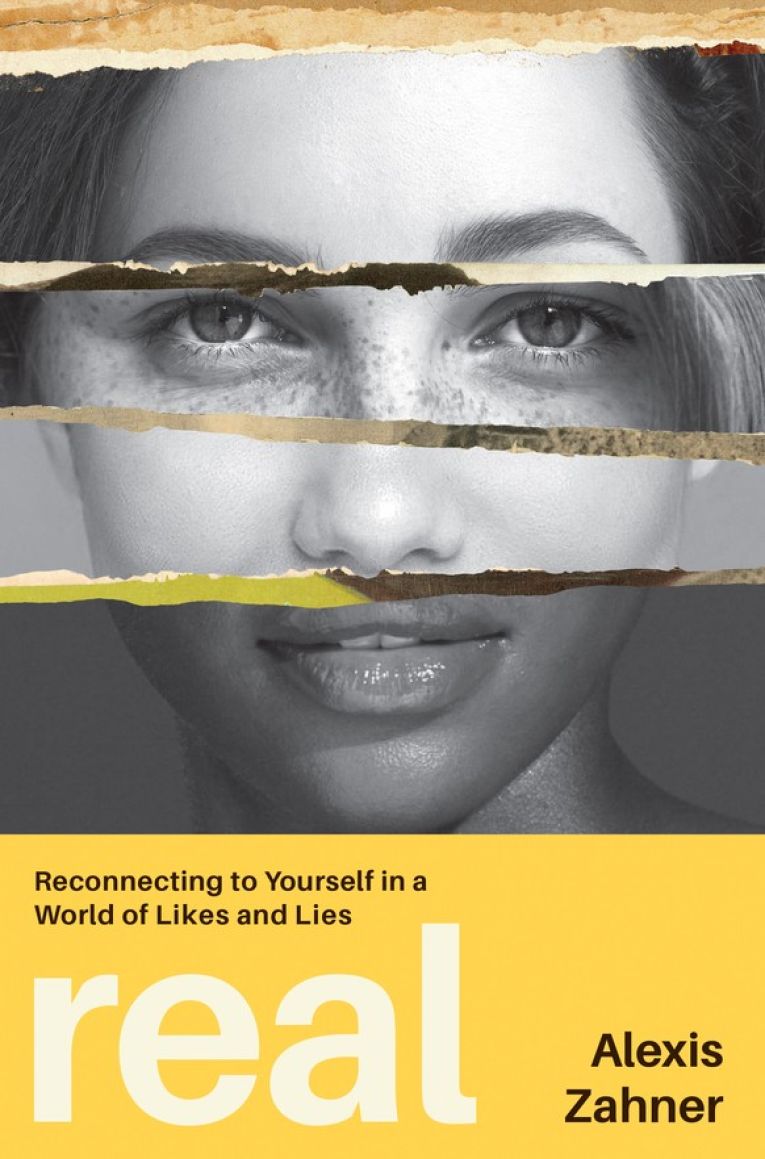
Real: Reconnecting to Yourself in a World of Likes and Lies by Ballina author Alexis Zahner offers a practical roadmap for reclaiming personal agency in an increasingly algorithm-driven world – moving beyond digital detoxes to ask who we want to be, both online and offline. We asked the author a few pertinent questions about her book.
Can we control the algorithms that are trying to control us?
We can’t control algorithms but we do have agency over understanding how they work, their impact on us and modifying our own behaviour to reduce that impact. An algorithm is a mathematical equation that’s designed to solve a problem. On social media that “problem” is hyper-personalising your use to keep you engaged – they’re architectured to understand what you engage most with; what you like, comment on, share and follow, to predict what you might want to engage with next based on that. And they’re really effective, coupled with other dark design features of these platforms like the infinite scroll and ephemeral content, like stories, they create a perfect storm of addictiveness. Realising that these are engineered purposefully to hijack very innate human psychology is the first step in detaching ourselves from their pull – because it’s not a willpower problem, it’s the intentional design of social media. Then it’s about creating systems and structures around your use to limit that exposure – and this is exactly what I explore in my book Real.
 Social media can’t be all bad. What are the good things about it?
There are certainly plenty of positive elements about social media – it’s all about how we choose to engage in it, and recognising its influence on us. Social media has connected people from around the world in a way that was never possible before, and that’s been an incredible opportunity to expand our networks, develop relationships with people we’re geographically isolated from, find opportunities for jobs and even mobilise social movements en masse. But it’s those same benefits that can be a double-edged sword too.
Can you tell us about your working life?
You might like
My career started in marketing consultancy when social media platforms were static images with chronological feeds and no algorithmic recommendations – so brands and companies were essentially just using them in a more simplified way, to show their new products and services. Some 15 years later and today as marketers and communications professionals we now have entire influencer strategies and tactics because we intimately understand that people sell to people via those they’ve built strong para-social relationships on via social media.
My working life has progressed alongside these platforms, and over my career I’ve seen the continuous evolution of social media and the influencer industry, and I’ve also been part of that myself both as a consumer and professional. My role today, as a marketing manager with Byron Writers Festival, uses these very platforms and the influencer industry as a primary strategy. As a millennial who’s also been totally addicted to social media it feels like an ironic form of karma in a way.
What inspired you to write the book? One event or cumulative?
Both. My fascination with influence and its impact on our behaviour actually started during my honours thesis year at university where I was studying the impact fashion bloggers had on what we bought – this was pre-TikTok, Facebook was a few years old and Instagram was static, single images. But already this trend towards influencers, who at the time were focused on blogs, had taken off and with it a new era of influence was born. Since then I’ve worked both within the marketing and social media industry, building campaigns around influence, while simultaneously succumbing to its very forces as a user myself.
What is the essential message of the book?
That it is possible to have social media, and not totally lose yourself to its addictiveness and lose your sense of identity in the process.
Subscribe for updates
Can you describe your work as an influencer?
During my 20s I was a paid travel writer and blogger, which was an incredible opportunity to see some beautiful parts of the world, but it did come at a high personal cost too. Over a period of a few years what started as a wonderful opportunity to travel and document my experiences became an addiction to curating my entire existence to look good on social media. It was all I could think about – I started experiencing my life, my relationships and my travel opportunities from the perspective of “How will I post about this on social media?”. Every moment became content, and while it was a very privileged opportunity, it became impossible for me to just live without the need for it to be seen or posted on social media. Over time I noticed an erosion of myself, I could no longer see or feel clearly what I liked to do, the kinds of relationships that nourished me or what was important to me because I replaced all of that with what would look good on social media. It led to the proverbial existential crisis.
How much time do you spend on your phone each day and how many hours should we be on our phones or other devices?
There is no single correct answer to this question, and that’s part of our modern dilemma. The more we use social media, the more we crave – and expect – simple, bite-sized answers to complicated problems. And the more overwhelmed we become, the more we need simple “fixes” and rules to live by. I could say “just stick to under two hours a day”, but it truly does depend on the individual, and that nuance is important.
Research does show that high social media use, upwards of two hours a day, does have a detrimental effect on wellbeing, that the type of content we consume can also make us feel more anxious and overwhelmed.
Here’s what I find works best for me: I try to keep my personal (non-work) phone use to less than two hours a day, there’s strictly no phones (or any devices!) in our home bedroom, and no screens an hour before bed or for an hour after waking up. I also try to use my social media intentionally – to connect with family and friends via messages or video calls, or to create content rather than simply scrolling endlessly. In moments when I’m feeling anxious, overwhelmed or bad about myself after being on my phone I try to intentionally reduce my exposure to that type of content moving forward.
Real: Reconnecting to Yourself in a World of Likes and Lies by Alexis Zahner, Wiley, $23.95.
Alexis Zahner will give a free public lecture at James Cook University in Townsville on October 8:
Her Byron Bay launch will be at The Book Room on October 30.
eventbrite.com.au/e/alexis-zahner-real-tickets-1994524233674
Want to see more stories from InDaily SA in your Google search results?
- Click here to set InDaily SA as a preferred source.
- Tick the box next to "InDaily SA". That's it.
Free to share
This article may be shared online or in print under a Creative Commons licence