‘Kitsch is history that hasn’t been taken seriously’: Frida Las Vegas’ technicolour time capsule
Adelaide fashion designer and artist Stavroula Adameitis, aka Frida Las Vegas, has spun her childhood love of daggy kitsch culture into her new book Australianarama, a playful ‘encyclopedia’ with deep insights about Australia’s past and future.
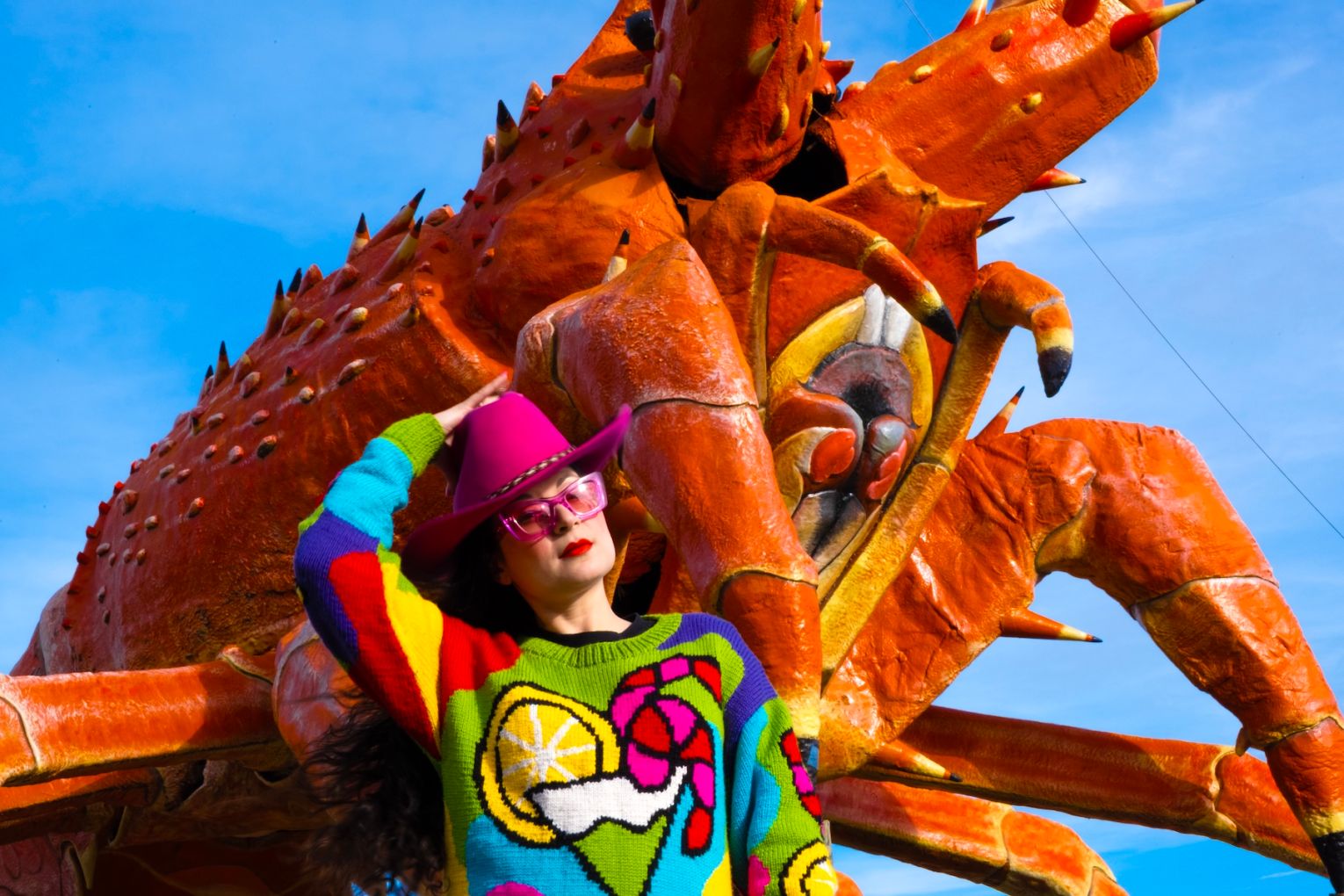
For Stavroula Adameitis, kitsch isn’t something to be cringed at.
“Kitsch is history that hasn’t been taken seriously yet,” Adameitis tells InReview.
“The objects we dismiss as daggy – the Big Things, souvenir tea towels and tyre swans – are in fact primary sources: they document what ordinary Australians loved, bought, displayed and passed down, which tells you more about how a country actually felt to live in than any official record.”
Adameitis says she’s been “obsessed” with kitsch culture all her life, first as a young television-obsessed Greek Australian kid in the 1980s.
“[I was] secretly thrilled whenever I caught a cold because it meant convalescing at Yiayia’s house watching Middays with Kerri-Anne. Prime cultural research time! Immersing myself in television was how I learned to belong to Australian culture while standing slightly outside it.”
As an adult, those hours of ‘research’ glued to the screen have been central to her work as Frida Las Vegas, the colourful, nostalgic alter ego and fashion brand through which Adameitis has channelled her “maximalist, retina-blasting” style since 2013.
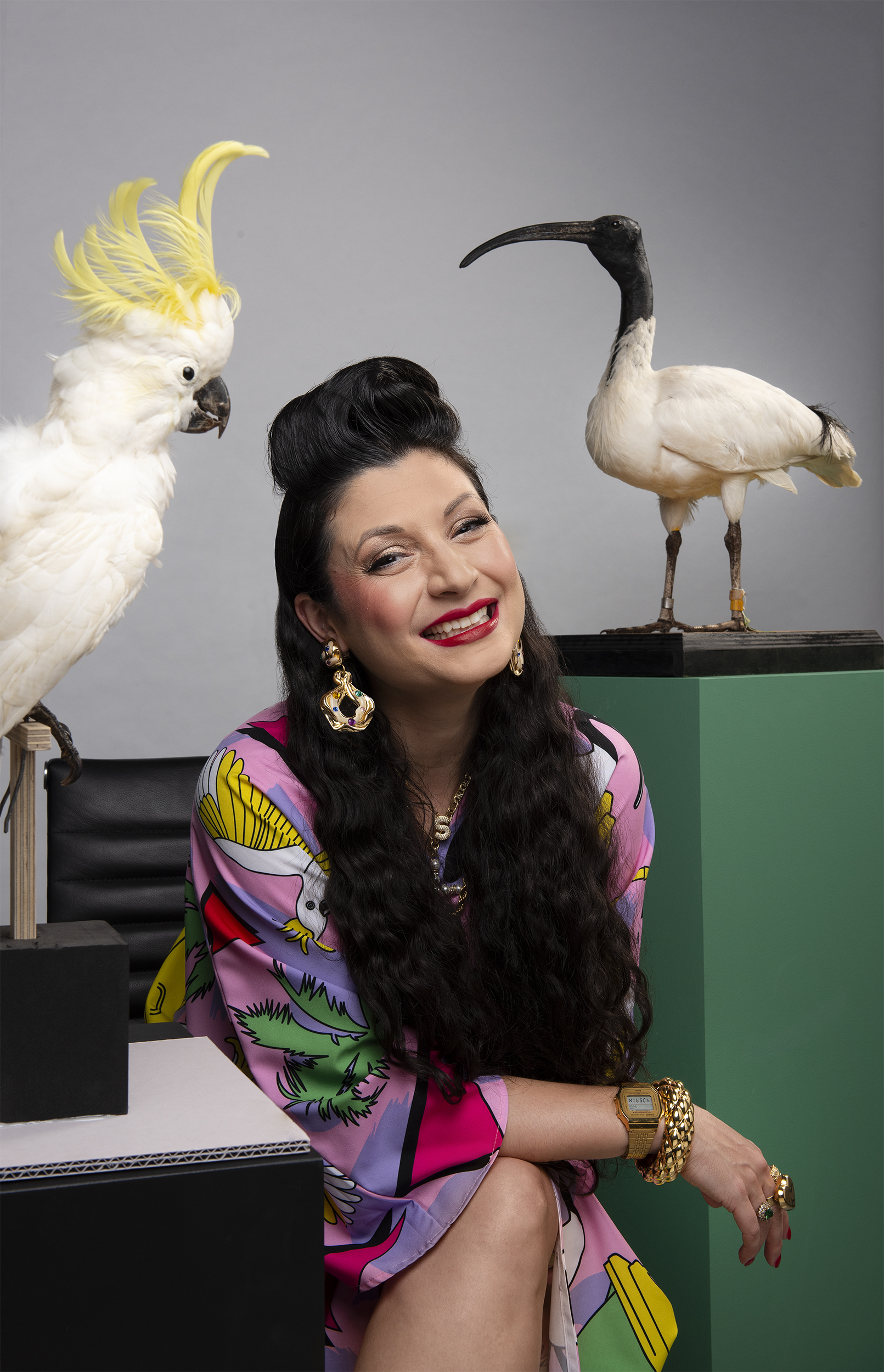
In September, Adameitis will launch a bold new project: Australianarama: A Campendium of Kitsch. Released by local independent publisher Pink Shorts Press, Adameitis says she started collecting ideas for the book a decade ago.
You might like
“For many years Australianarama was a ‘secret’ project alongside my art practice,” she says. “I’m the kind of person who likes to finish a project before revealing it!
As Australianarama took shape, Adameitis took care to expand its scope beyond her own affection for Australian kitsch culture – and even developed what she calls a ‘critical framework’ for defining what falls into the kitsch basket.
“I call [it] the ART POPS criteria – Artificial, Reproducible, Too Much, Popular, Openhearted, Playful, Sentimental – then appl[ied] it across food, fashion, tourism, architecture, screen culture and objects.
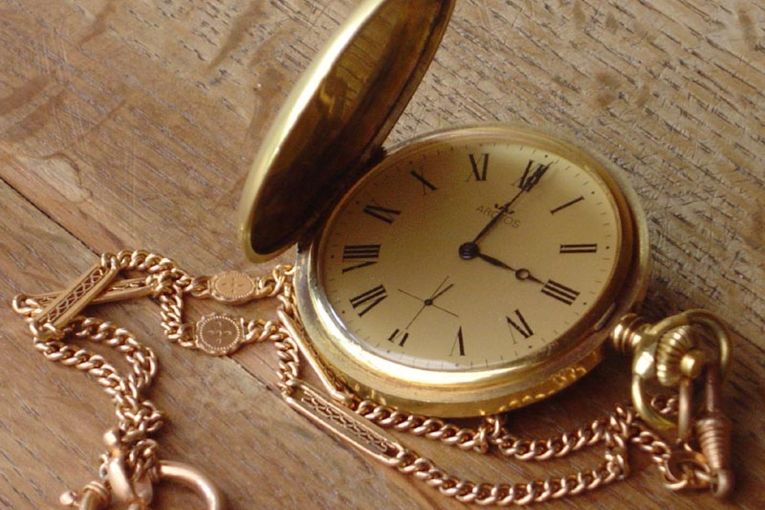
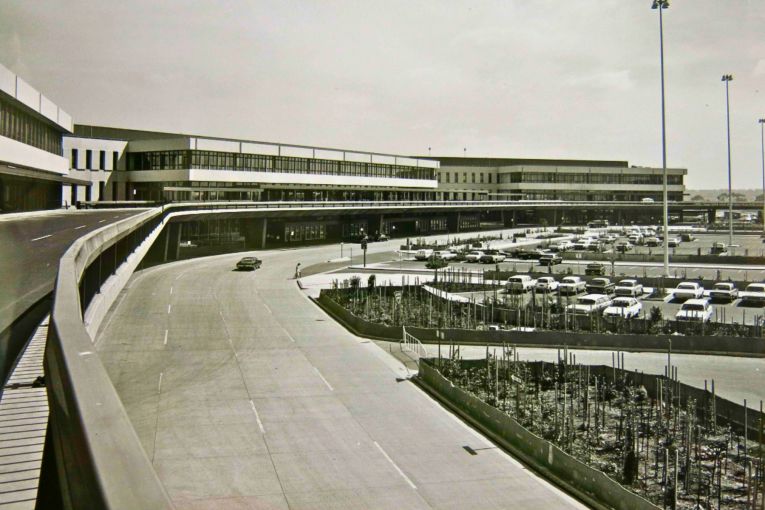
“Many photos were submitted through an open call-out from members of the public, who shared their personal happy snaps from the 1970s through to the 1990s. To challenge my own assumptions about kitsch, I interviewed a bunch of incredible creatives who regularly play with kitsch in their own work, like visual artist Tony Albert, baker Katherine Sabbath and drag queen Art Simone.”
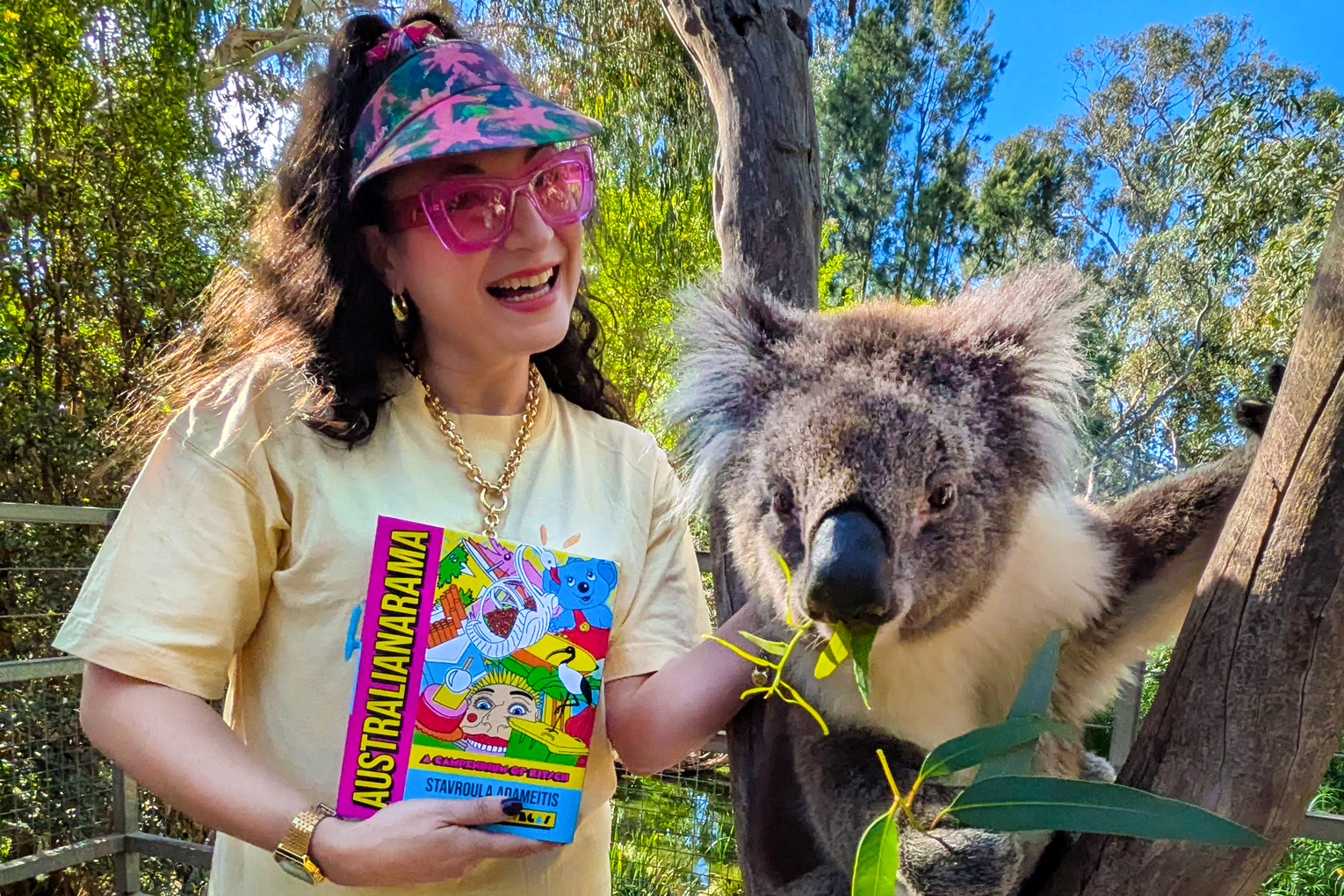
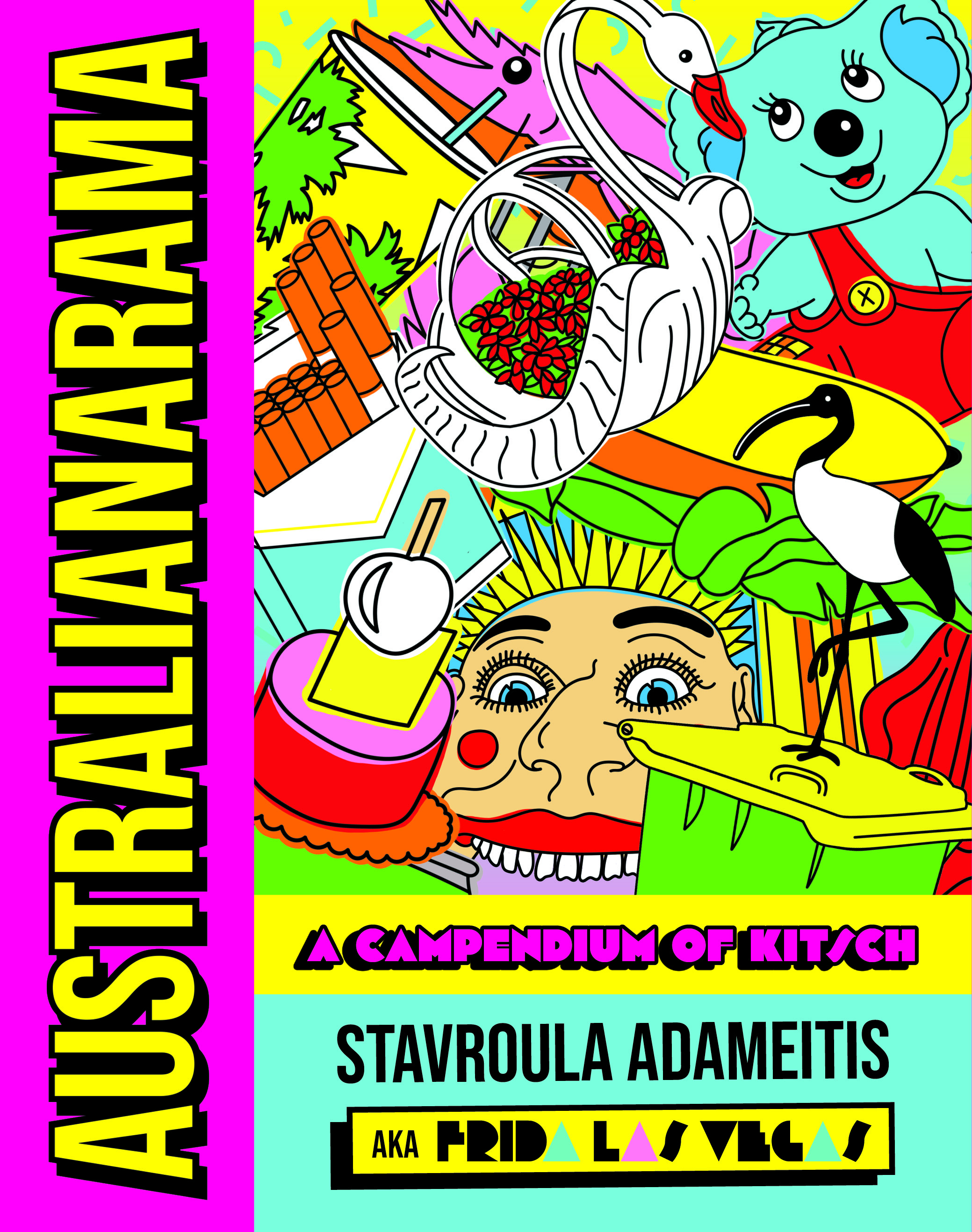
Placing her own illustrations alongside historical ephemera and photography, she pitches Australianarama as an encyclopedia-style record of Australian popular culture across four decades, from the 1960s through to the turn of the millennium.
The result, she says, is a “technicolour time capsule that has more in common with a showbag than a hardcover book”.
“Each page is chockers with more icons than the last: the Pie Floater, Rainbow Paddle Pop, the Big Lobster, Malls Balls, Expo 88, the Sydney Olympics, Humphrey B. Bear and Young Talent Time all make a razzle dazzle appearance.
“My illustrations sit alongside archival photographs and playful commentary that celebrates the good and the so-bad-it’s-good aspects of antipodean pop culture, but it doesn’t shy away from the trickier questions either, like who gets to define Australiana.”
"I went into the process thinking about nostalgia and came out thinking about the future. I’m most interested in finding what post-cringe Australiana can be, and what futures worth inheriting might look like."
Subscribe for updates
It isn’t all about nostalgia either.
“The book ends by looking forward: there’s a chapter on future nostalgia asking what we’re making in culture right now that the next generations will first find embarrassing, then irresistible.”
“I went into the process thinking about nostalgia and came out thinking about the future. I’m most interested in finding what post-cringe Australiana can be, and what futures worth inheriting might look like. What are we co-creating now that might be remembered as being both extra and uniquely Australian in the next 50 years or more?”
The research process also confirmed Adameitis’ conviction that the seemingly “silly stuff” featured in her work can still provoke serious conversations about cultural history.
“Love it or loathe it, kitsch is a powerful conduit for understanding not only who we were, but who we want to become. Nobody puts their guard up against a giant fibreglass lobster, and a Frog Cake gets past people’s defences in ways a lecture might not.
“Kitsch can be an open-hearted facilitator for difficult conversations about national identity, memory and belonging.”
Having spent spent years tapping the well of kitsch culture for her illustrations, textiles and installations as Frida Las Vegas, she says the book is a “satisfying full-circle moment”.
“Over the years, I’ve shot my designs on location at the very icons that inspired them, so those images now sit in the book alongside the objects they pay homage to,” she says.
“A decade of fashion campaigns turned out to be field research for the book all along. The book itself is designed as a kitsch art object, being a book about kitsch that is kitsch, right down to the special collector’s edition with a lenticular cover.”
Committing her lifelong love of kitsch to print also reflects Adameitis greater goal of recognising those parts of Australian life and culture that conventional history books often miss.
“We preserve grand buildings and oil paintings, but the Sunnyboy wrapper and the Razzamatazz stockings carry just as much cultural memory, although they’ve never been given the dignity of an archive. That’s what the book is: a people’s archive of Australian popular culture, treated with the reverence (and the humour) it deserves.”
Australianarama: A Campendium of Kitsch (Pink Shorts Press) is out September 1. Frida Las Vegas will celebrate the release with a launch party at The Mercury on Saturday September 5.
Want to see more stories from InDaily SA in your Google search results?
- Click here to set InDaily SA as a preferred source.
- Tick the box next to "InDaily SA". That's it.
Free to share
This article may be shared online or in print under a Creative Commons licence