What does autism look like? Georgina Chadderton’s graphic memoir complicates the picture
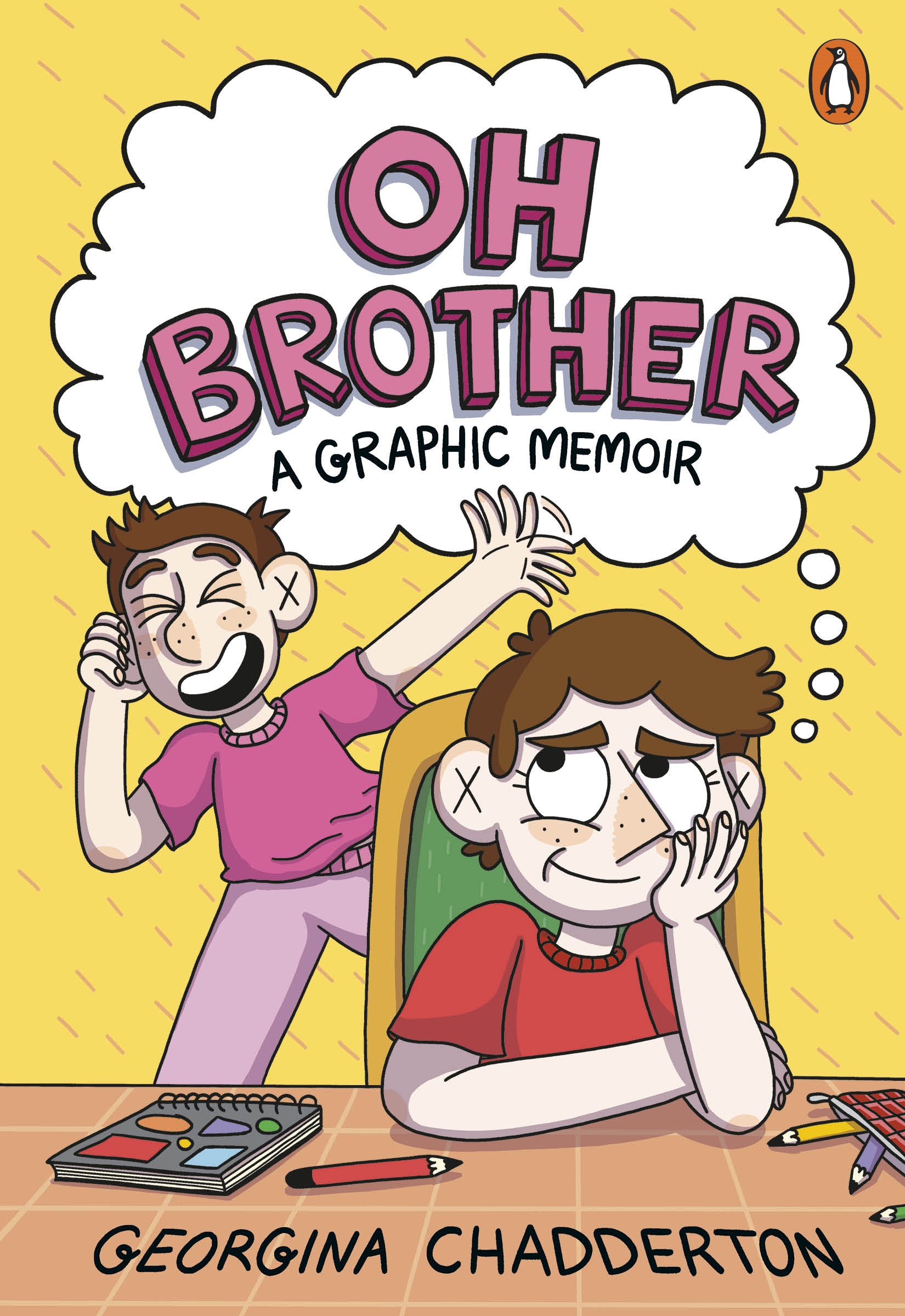
In Oh Brother, Adelaide artist Georgina Chadderton presents a colourful, compassionate, and often comical portrait of family, friendship and autism.
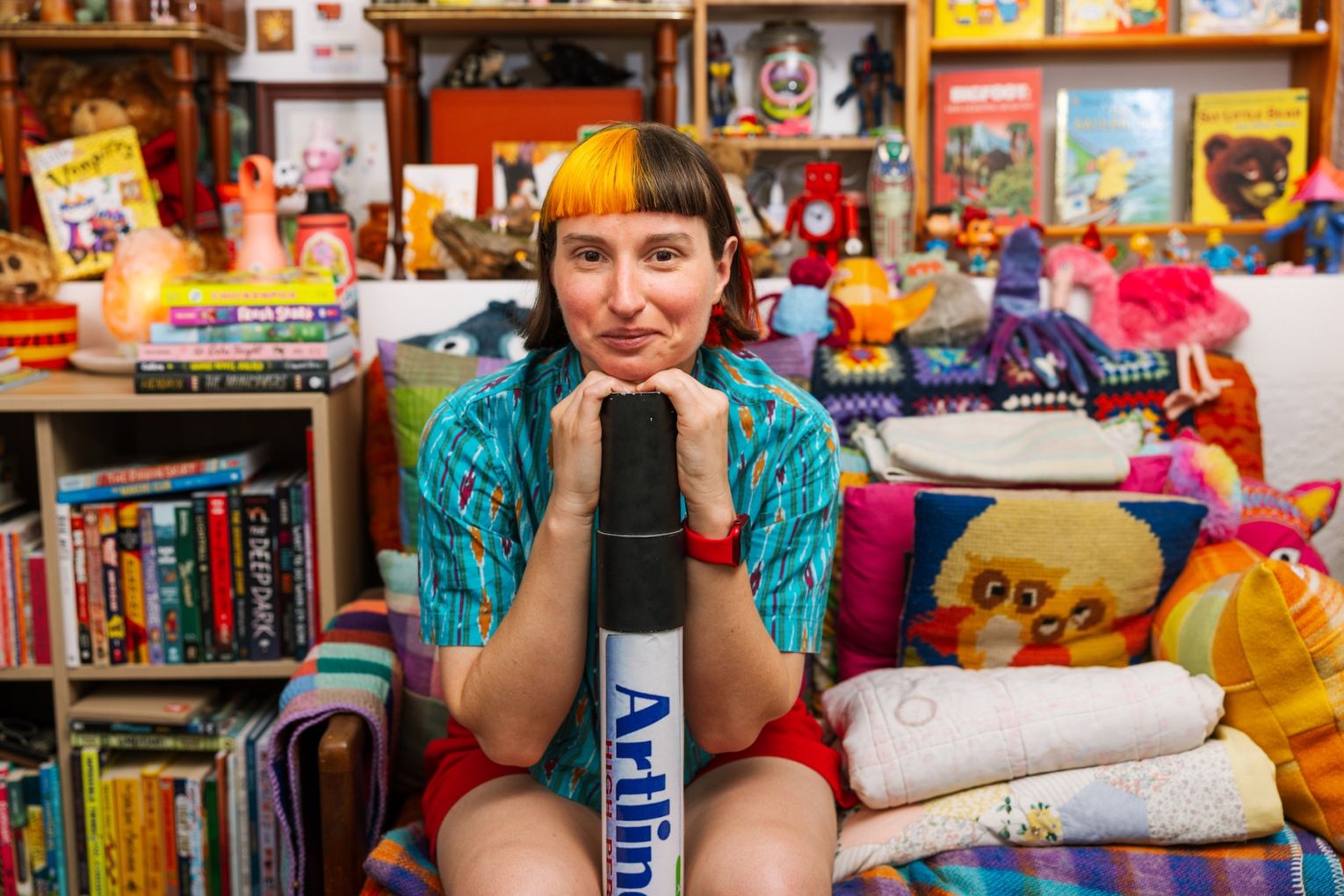
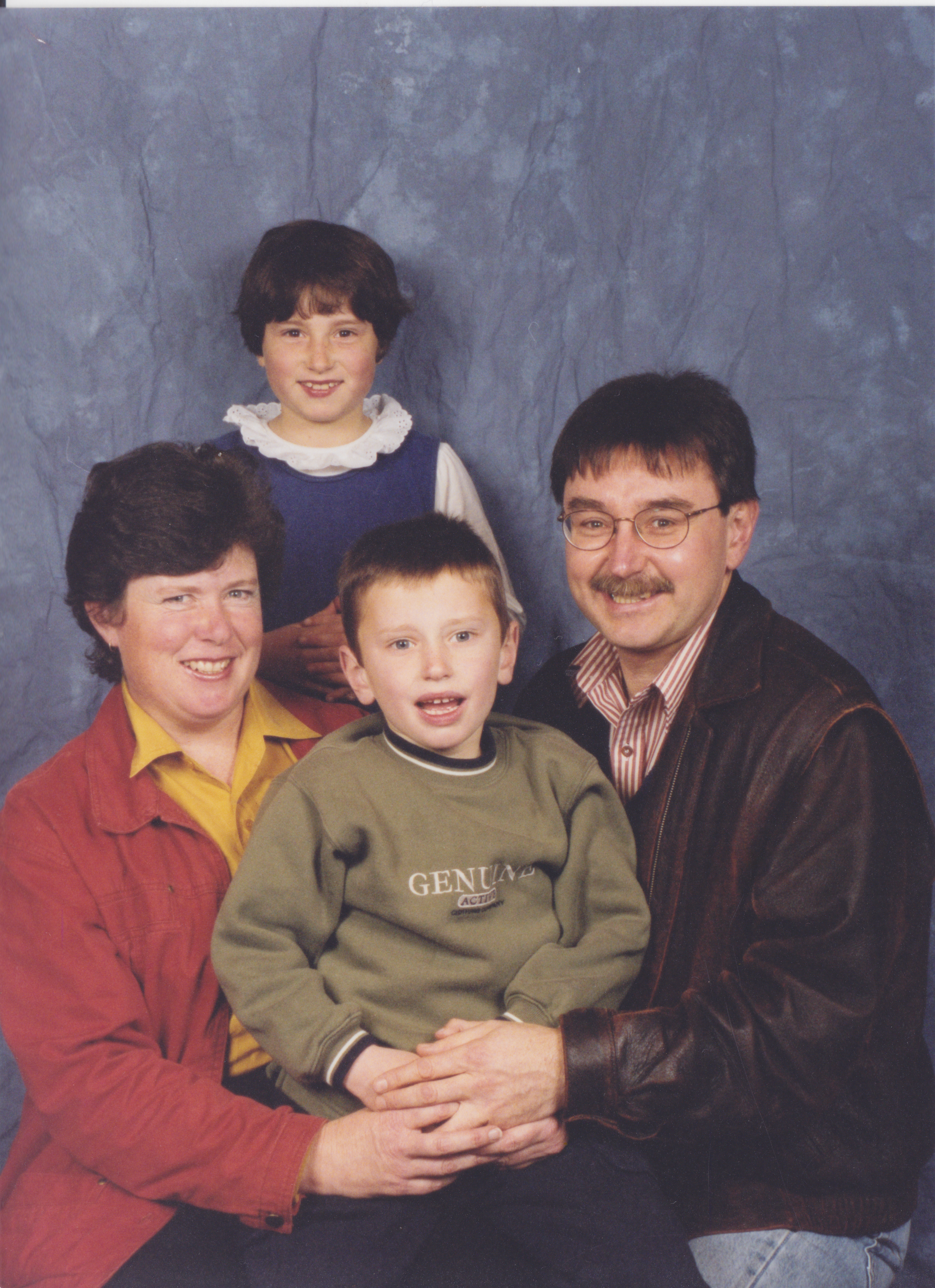
I first met comic artist Georgina Chadderton while we were shelving books together at Dymocks Adelaide, nearly a decade ago. She told me she was writing a graphic novel memoir about growing up with her brother Rob, who is non-verbal, autistic and intellectually disabled. Since then, she has been diagnosed as autistic herself, aged 23 – the age she was when she secured a rare international publishing deal for that book. Oh Brother has just been published in Australia, the United States, the United Kingdom and Canada.
There’s been an explosion in autism stories since I met Georgina in 2018 – but few like hers. So-called “high functioning” autistic people, like us, are often pitted against autistic people with high support needs, like Rob, and with their parents – who periodically report feeling ignored or spoken over by autistic people who can articulate our experience, and use positive language to frame our identities.
“This is what autism looks like,” a parent of one of those children said last year, in a book by a doctor railing against overdiagnosis. “These mild and self-identified people have no concept of people like [my son].”
Oh Brother inherently both refutes and empathises with these kinds of arguments: it’s a loving, intimate, nuanced portrayal of the everyday experience and challenges of families supporting a high-needs autistic child, recounted by his articulate autistic sister. As Georgina tells me, autism isn’t “one thing”.
This vivid, often funny, deeply moving graphic memoir follows her, aged 12, through one year, as she moves house (two streets over), starts high school, makes a life-changing new friend in music class, Callie. And she hangs out with her family, in an environment that attempts to accommodate everyone, but is necessarily centred on Rob’s needs and safety.
A lock on the kitchen fridge stops Rob from raiding it. Trips to the hairdresser and dentist require intricate planning – and her help. Rob swipes and eats Georgina’s morning Vegemite toast. He wees in her underwear drawer, mistaking pads for nappies. The first time her new friend Callie visits, he is naked. On a later visit, Rob bites Callie’s arm during a meltdown. These incidents – interleaved with watching Disney videos together and loving the same snacks – are variously portrayed as ordinary, frustrating, funny and upsetting.
“As a kid, you’re like, ‘This is just life!’” Georgina tells me.
You might like
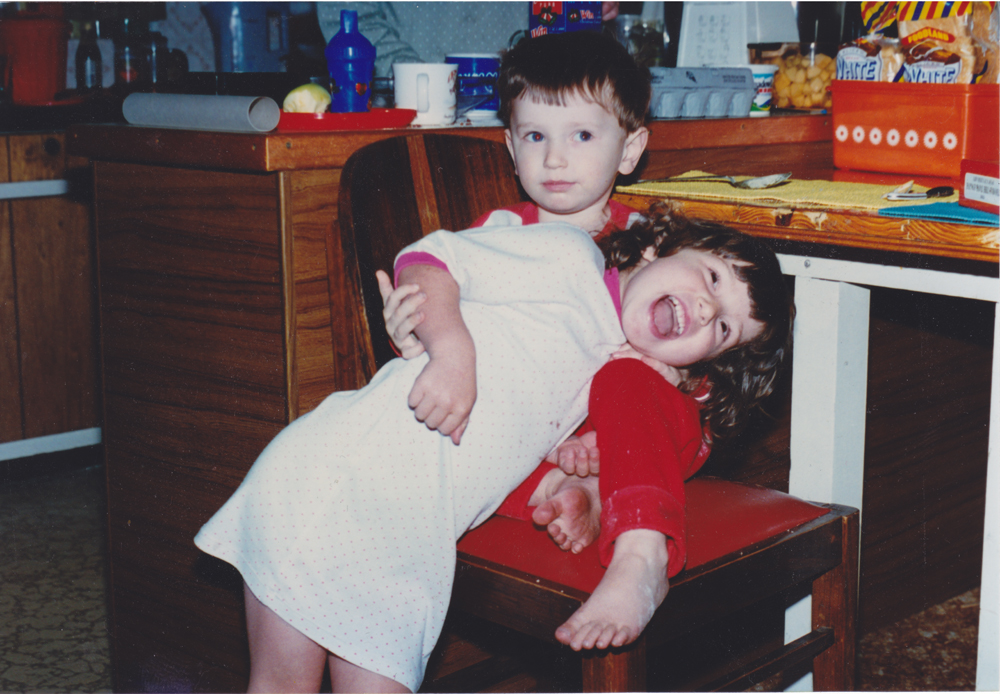
It wasn’t until much later, after Rob moved into independent living when he was 18 and she was 20, that she realised how unusual it was. “People telling me my life was hard is what made me realise my life was hard.”
But in the hour and a half we chat for, the word that recurs is “lucky”. Lucky to be a middle-class white person living in Australia, with the privilege that bestows. Lucky her parents were so well equipped for the challenge of an autistic son with intellectual disability (her dad is a doctor, her mum a disability arts support worker who’d studied autism before they had kids). And lucky her parents stayed together – which a lot of couples in their position don’t, due to the strain on family dynamics.
It’s possible Georgina would hate me pointing out her upbeat attitude: she grew up disliking disability narratives with “a happy story where everything’s perfect”. But her attitude – and Oh Brother – couldn’t be further from toxic positivity. Instead, it’s deliberate complexity. As she says, “things can be good and hard at the same time.” This transfers to other elements of the book, too.
"People telling me my life was hard is what made me realise my life was hard."
Narrator-Georgina doesn’t know she’s autistic yet, but autistic traits are seeded throughout, reflecting her experience: we feel these things before we have a name for them.
Georgina struggles with gender norms, bullied for her short hair and unshaven legs. And she craves certainty and structure, practically itching when things don’t happen to plan and recoiling when forced to socialise with people she doesn’t know. Like Rob, she craves routines and planning, whether that’s eating familiar foods or plotting out her new bedroom configuration on paper.
Georgina tells me she’s carried sketchbooks for as long as she can remember. Throughout primary and high school, she covered her schoolbooks in illustrated stories and made comics and zines.
Subscribe for updates
“I write comics because words are hard, feeling my emotions is hard, but putting them on paper is much easier – I can just show the feeling instead of expressing it with words,” she tells me.
Her other great joy has been music, which she studied at university. For her final performance, she decided to present its printed program as a fully illustrated comic.
“I thought, ‘Oh, why haven’t I been doing this?’” From there, she started making zines and comics in earnest – and hasn’t stopped since. She’s met most of her best friends at comics and zine fairs.
She met another best friend, the main model for Callie in the book, in music class. That friendship is one of its deepest joys; in the moment after Callie is bitten by Rob and driven home by Georgina’s mother, I held my breath, ready to cry if she was banned from playing with her (spoiler alert: I cried from relief instead).
The book’s many small moments of connection and compassion compel that kind of response. The neighbours who are understanding when they find Rob in front of their TV, eating their food; the dentist who comes to their car to inspect a frightened Rob’s mouth; Callie’s easy cheer about Rob’s unusual, even confronting behaviour. Especially, I think, if you’re from an autistic family, and have experienced both compassion and its lack. But hopefully, any reader will feel these things.
While Oh Brother is marketed at a middle grade audience of readers aged 8-12, it’s really for everyone. Georgina wants her book to show that disability as a different way of living – one we need to acknowledge and be aware of so we can support different people in the ways they need.
She also wants other siblings of people with high support needs “to not feel they were horrible people if they were frustrated about their siblings.” After all, she says, this kind of dynamic is common among any kinds of siblings. “Just because you’re a person with disability doesn’t mean you can’t be annoying – or can’t be a lovely person,” she tells me. “It’s just an element of your personality.”
This takes us back to: it’s complicated.
I ask Georgina to share the one thing she’d like people to know about autism before we part. She laughs. “There is no one thing!” Then she considers, humours me. “Communication,” she says. We’ve talked about how – for Rob, for her, for me – we all want to communicate, but do it in different ways. That the myth of autistic people not wanting to socialise or communicate is just that: a myth.”
For Georgina and me, we’ve built our lives – and thus, much of our socialising – around our interests. That’s how we met in an Adelaide bookshop. It’s why we’re talking now, about her book.
“Reach out. Chat to someone,” she says. “Ask what their life is like. They’ll probably want to talk about it.” Then she pauses. “They just might be a bit awkward initially. But that’s fine.”
Oh Brother (Penguin) is out now. Jo Case is the editor, with Clem Bastow, of Someone Like Me: An anthology of non-fiction by Autistic writers (UQP).
Want to see more stories from InDaily SA in your Google search results?
- Click here to set InDaily SA as a preferred source.
- Tick the box next to "InDaily SA". That's it.
Free to share
This article may be shared online or in print under a Creative Commons licence