An artist in his natural habitat
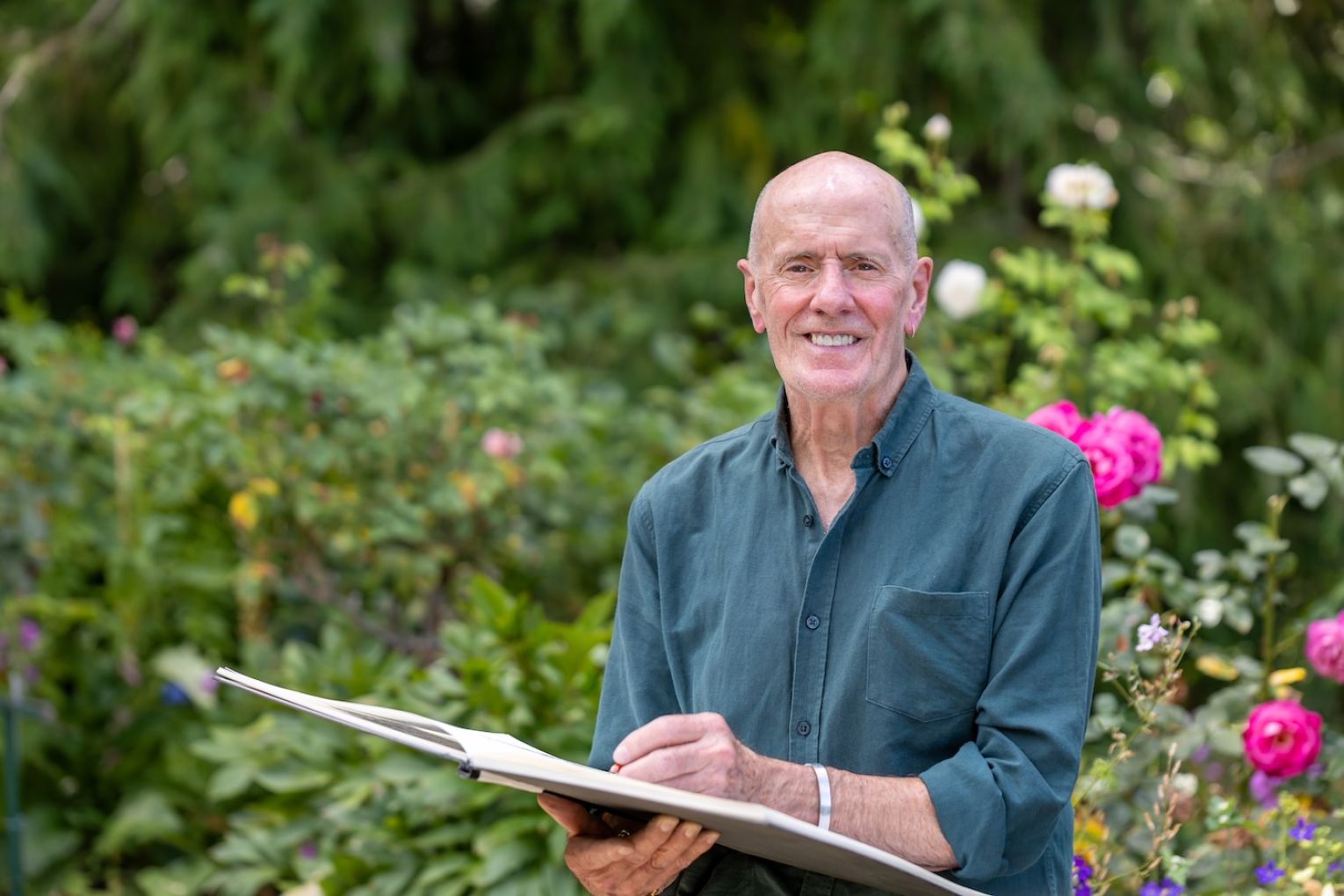
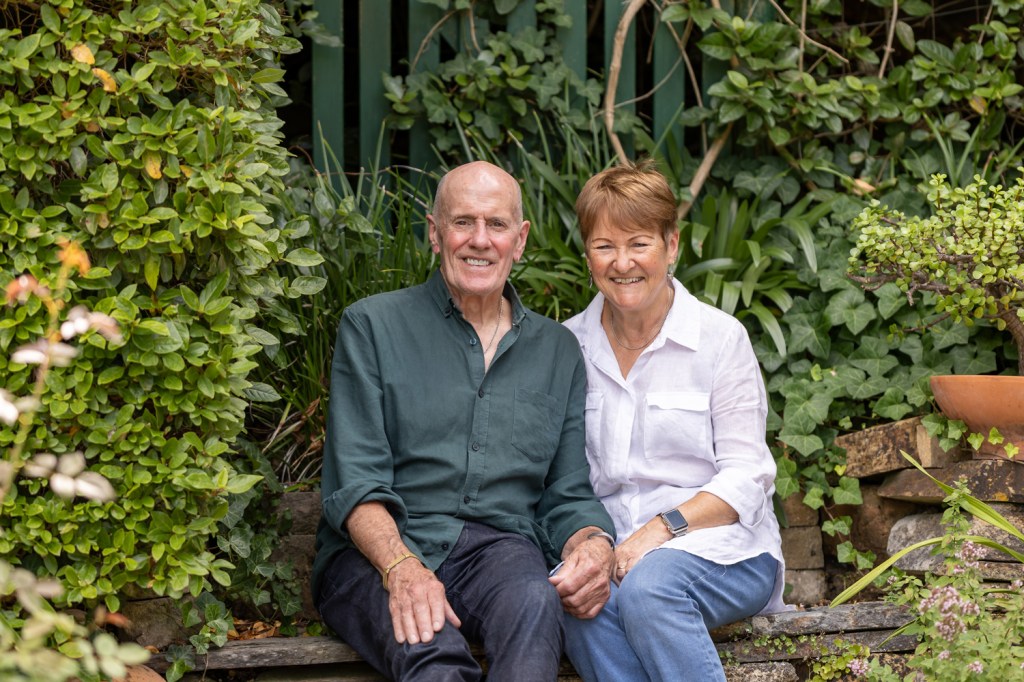
Adelaide Hills artist Stephen Trebilcock has devoted his life to painting, but also to nurturing his marvellous garden – which has in turn become his muse.
When SALIFE sits down to interview Stephen Trebilcock in his Adelaide Hills garden, it takes only seconds for artistic inspiration to appear – a vibrant trio of rosellas alighting the branches of a giant pine tree.
“There are subjects everywhere here; it’s an artist’s paradise,” Stephen says.
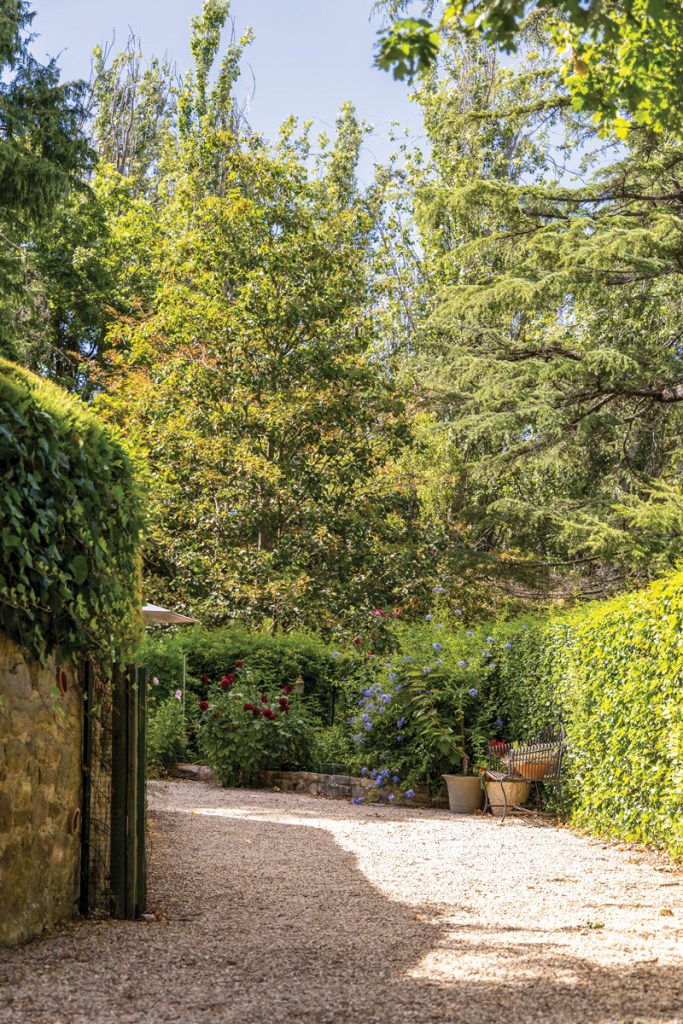
Stephen and his wife Shirley have lived here at Stirling since 2002. The home and garden are more than 100 years old, with giant European trees and a borrowed vista across the hills behind Stirling. It’s a view that never gets old.
“When I’m sitting here, work just comes out of my head,” Stephen says.
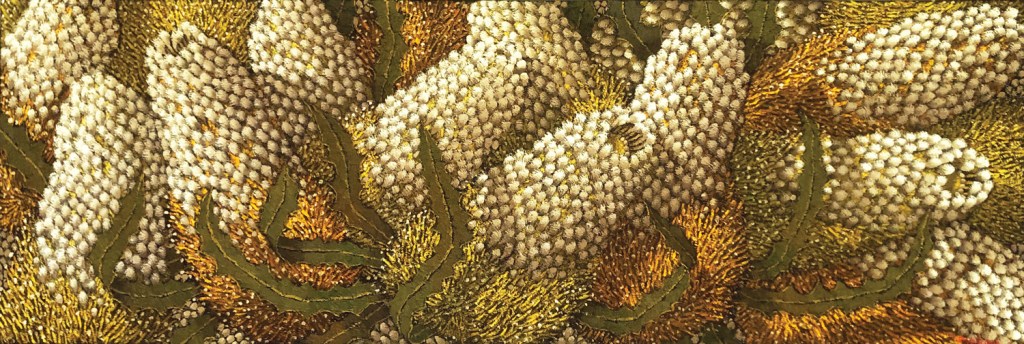
The softly spoken artist, whose textural oil paintings of local flora and fauna have become renowned, has a calm sensibility that seems to be in sync with the environment around him. His natural habitat.
“I usually paint in the morning and garden in the afternoon, or sometimes vice-versa. Some days I’ll keep painting all day. With a garden of this size, you do have to be in it most days just to maintain it.”
A full acre in the old measurement, the property begins with a plateau, where the couple’s century-old house and cottage garden sits. Stephen’s home studio is nestled behind the house, beneath the outstretched branches of nearby trees.
These days, most of Stephen’s time is dedicated to creating work for Mount Lofty House and Sequoia Lodge.
The hotel has one of his paintings in every room – more than 130 in total – and Stephen is currently working on a large landscape of the Piccadilly Valley to hang in reception.
“Being born in the Hills, I’ve always admired Mount Lofty House. With the paintings I have up there, it feels like an extension of my studio. I’m so grateful for that,” he says.
“In 2020, when they were building Sequoia Lodge, they asked if I could do a painting for each of the suites. I spent most of that year creating 14 large two-metre paintings.
You might like

“That was a new challenge and now I love doing the bigger pieces … they keep me busy.”
Stephen’s paintings have become so iconic that even Prime Minister Anthony Albanese has a Stephen Trebilcock hanging in his office in Canberra – a vibrant golden wattle.
Yet despite his success with the brush, Stephen hails from a family of farmers, not artists, and started his working life digging holes and building fences.
He was born in the Hills, where the Trebilcock family has grown produce for more than a century. When he was young, Stephen’s father moved the family to an orchard in the Riverland.
“As a kid, all I ever did was draw. Either in the dirt or on bits of paper. I’m not sure what drew me to it. My mother always used to say she could never find a spare piece of paper in the house,” he says.
“Growing up on the land and seeing all my animal friends being eaten, I just ate all the fruit and vegetables, and I’ve just been a vegetarian ever since.”
A former fencing contractor, Stephen gave up full-time work to become a stay-at-home husband and father.
“I met Shirley and we got married. We were living in a little cottage in Stepney and I learnt to paint in a corner of the kitchen,” Stephen says.
Drawing was always a passion, but the transition from pencil to brush evolved out of necessity.
“One of the reasons I started painting was to decorate our home. We didn’t have any pictures for the walls, so I painted some. I had to pack up every day and keep things tidy, which taught me to be neat as a painter.”
Stephen practised relentlessly, borrowed books from libraries and studied many European and Australian painters. “I’m self-taught so I have no rules, I suppose. I’m probably doing it all wrong,” he laughs.
“I met [renowned art advisor] Sam Hill-Smith, who was rapt with my drawings and wanted to know if I did paintings. So, I went home and painted scenes from around the garden and had a show. From 1990 onwards, it’s been non-stop. It sure beats digging holes.”
In 1993, the Victor Harbor Art Show awarded Stephen a travelling scholarship, which he used to complete a summer course at London’s Slade School of Fine Art. As part of that trip, Stephen, Shirley and their son Eden travelled to Venice, which was particularly impactful.
“We went to Europe for three months; it was brilliant. That trip still inspires me. To this day, I am still painting scenes of Venice-related subjects,” he says.
Subscribe for updates
While Europe impressed a classical and timeless appeal on his work, Stephen’s greatest muse is his Adelaide Hills garden. He and Shirley purchased the property in 2002 but didn’t intend to live there at first.
“We bought it as an investment, but when we were handed the keys, we just couldn’t leave,” Stephen says.
“We’ve put in a lot of work here. It’s changed completely. The view was blocked by a tangled mess of wild trees and bushes, so we had to cut those down.
“The original garden was established in the mid-19th century. All these trees belong to that garden. We get good storms come up the valley and some trees have been ripped right out.
“Most of the trees turn autumnal colours and it’s stunning in winter when the fog comes rolling in.”
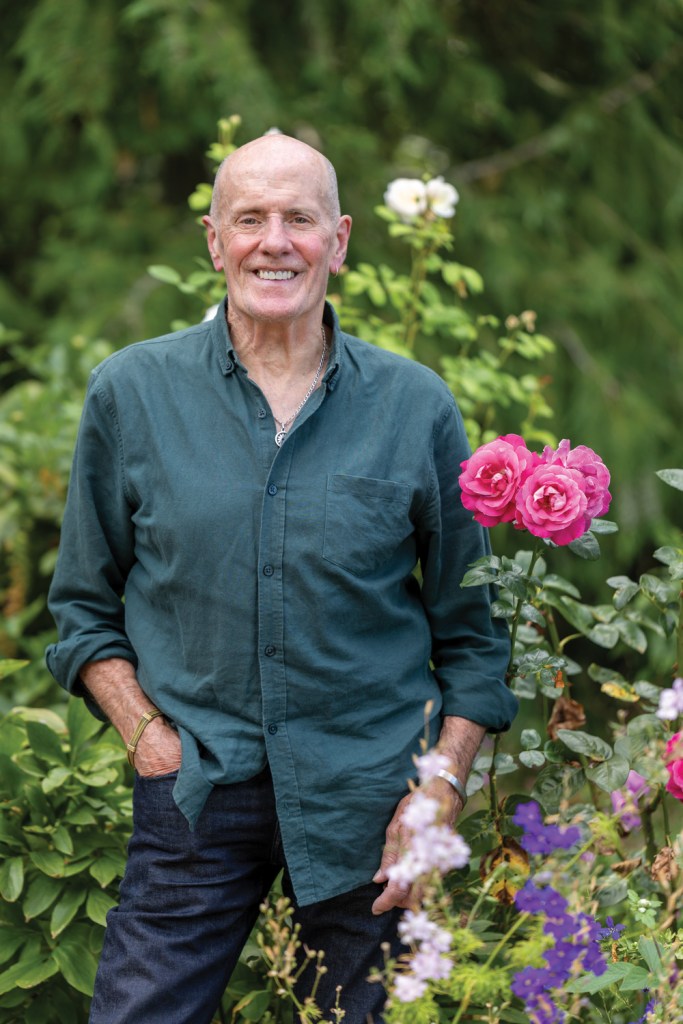
Shirley says gardening adds so much to their lives. “The garden is motivating; I love being out here and it keeps us fit. I particularly love the roses. We let a lot of plants self-seed, like the larkspurs,” she says.
“The garden is so big and the trees are beautiful. When we first came here, we couldn’t believe how far the garden extended down the hill.”
Through the steep forest of giant trees, the couple completed a herculean job of hand-building stone retaining walls and paths. Stephen says that for this job, he and Shirley shifted 100 tonnes of rock.
“They dumped it up the top and we took it down the hill. Just the two of us. I was building walls and Shirley was wheeling rocks down the hill. We’re never going to bring it back up,” he laughs.
The garden has evolved in rhythm with Stephen’s artistic practice. And like the garden, the artist has undergone a process of constant improvement.
“It’s a never-ending thing, really. You’re always looking for that perfect painting. Then you think you get there, and the following day, you think, ‘no, I don’t like that’. It is the problem with being a perfectionist,” he says.
“Shirley is a good critique; she won’t say a painting is bad, but I can tell from her reactions. I know I’ve done alright when she says: ‘I want to keep that one’.”
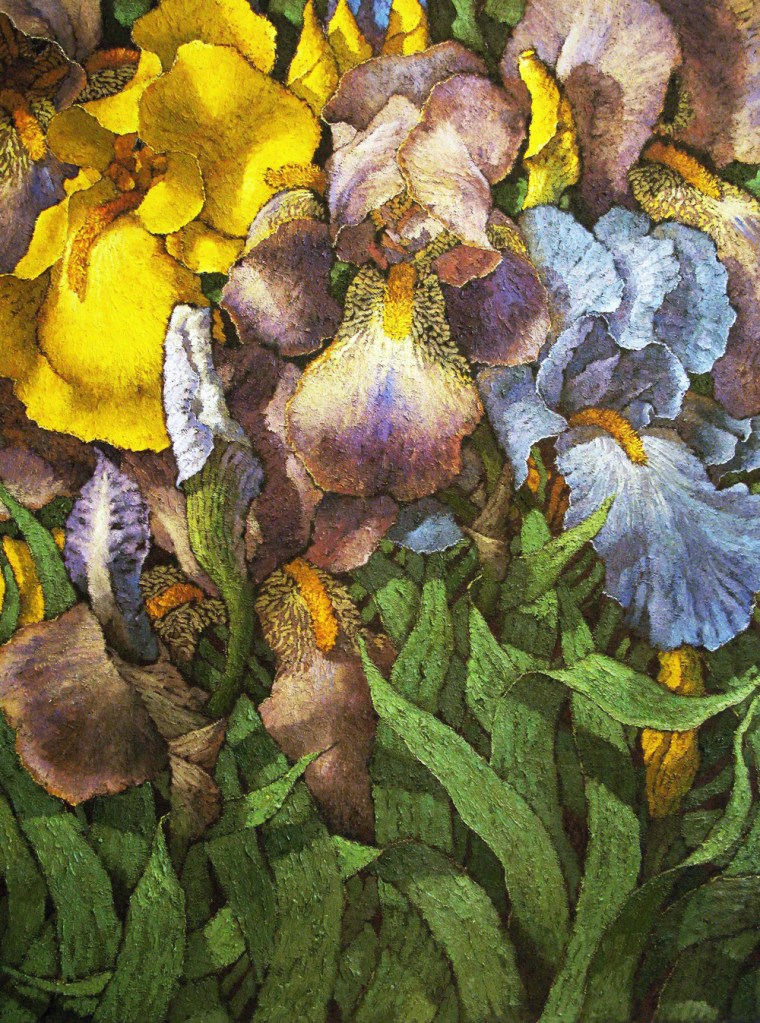
Stephen says it is the texture and colour of his work that captivates people. But there is something more that perhaps comes from a lifetime of both painting and observing nature. “I like to fill a canvas up, there are few empty spaces,” he says.
“People hesitate to touch the paintings, but I tell them to go ahead – that’s what they’re for. You won’t hurt them. It’s about the tactile feel of them.”
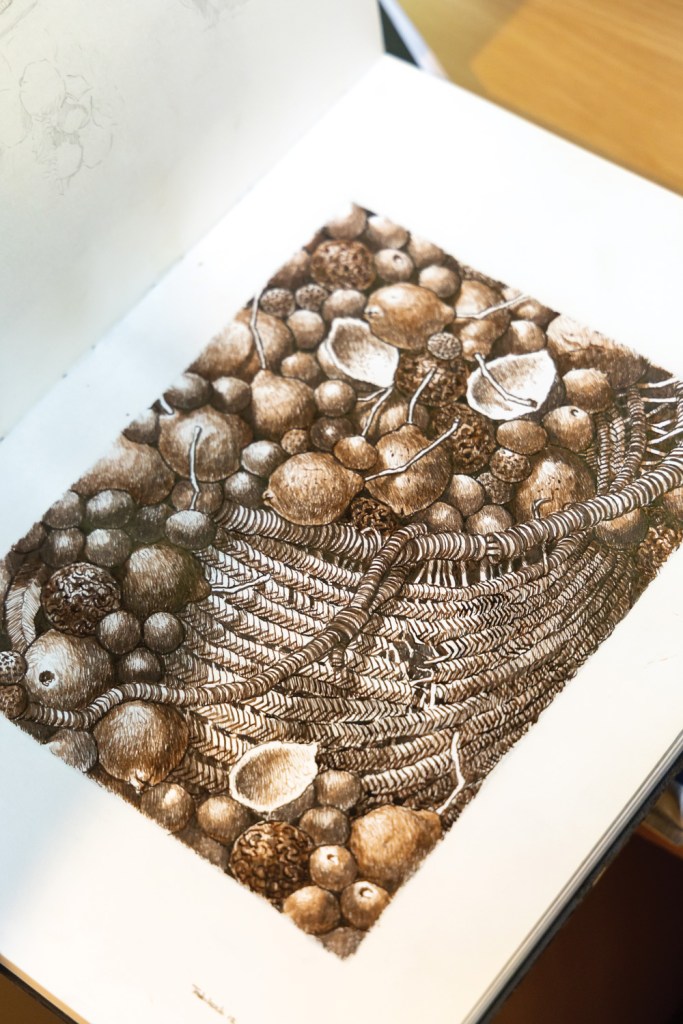
And one key to being so prolific through his career has been avoiding creative block. “If I can’t paint for any reason, I can always draw something. I often go back to my sketch books, and that’s how things evolve,” he says.
For now, the artist has no plans to retire, meaning new pieces will continue to flow out of his home studio. Good news for those who admire the work of this artist at the top of his game.
“There was a while back when I said I was retiring. But it didn’t work. I just couldn’t,” he says.
“There are still too many paintings to do.”
This article first appeared in the May 2026 issue of SALIFE magazine.
Want to see more stories from InDaily SA in your Google search results?
- Click here to set InDaily SA as a preferred source.
- Tick the box next to "InDaily SA". That's it.