Ōtautahi Christchurch has transformed in the years since the 2011 earthquakes, emerging more vibrant than ever. Jessica Galletly explores a sister city rich in culture, flavour and fresh experiences – now just a direct flight away.
It feels a little naughty.
I’m shaking the cool can of spray paint in my hand, the metallic rattle stirring up memories of high-school boys scurrying to make their mark.
However, I’m a few thousand kilometres – and a few too many years – from my old school stomping ground.
I’m in Christchurch, New Zealand – Ōtautahi in Māori language and sister city to Adelaide – following a new four-hour direct Air New Zealand flight.
My tour guide Reuben Woods, art historian, writer and curator, has led me to an outdoor display of eight giant spray can structures, where locals are invited to graffiti – legally.
We’d spent the past hour exploring commissioned street art throughout the city centre, portraying everything from local flora and fauna to Māori culture and mythology.
Reuben knows his stuff. He wrote his PhD thesis on local street art post-2011 earthquakes – a landscape that is continually evolving both physically and metaphorically.
“Do you have a word you want to paint?” Rueben asks, as he transfers nozzles between cans.
I laugh. “Tagging” was not on the itinerary.
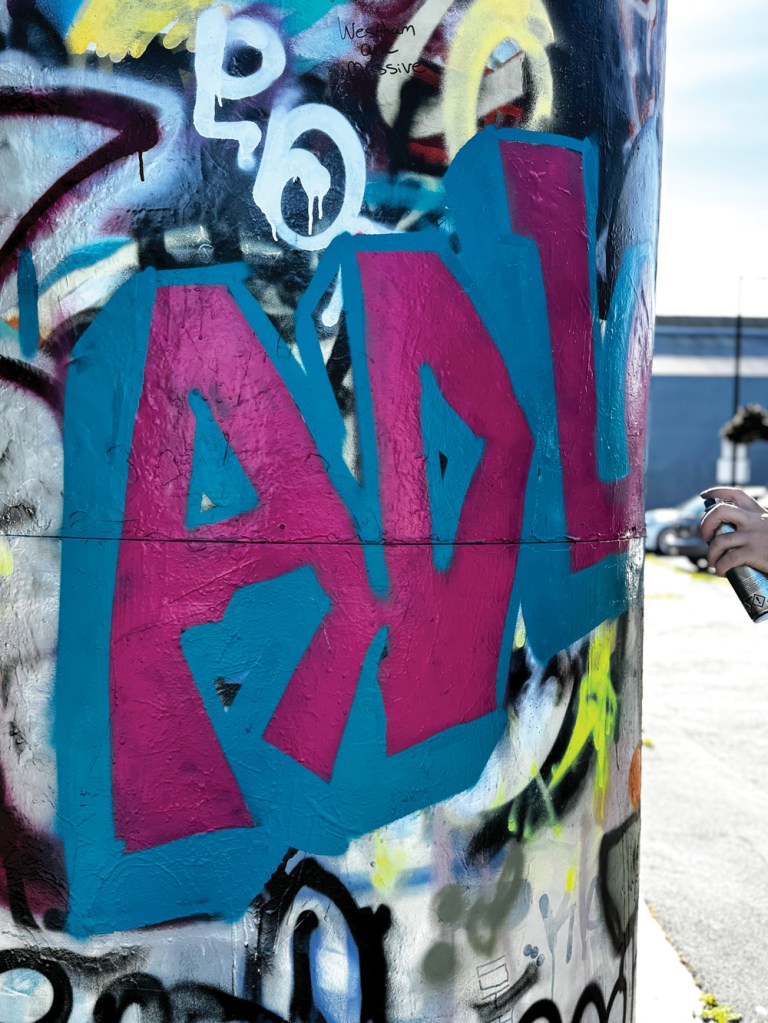
“How about ADL for Adelaide?” he offers.
You might like
Perfect.
For the record, spray painting is not as easy as it looks – but it’s intoxicatingly fun.
Reuben’s Watch this Space tour is among the immersive activities visitors can enjoy in Ōtautahi. It’s a pretty, neat town. Settled in 1850 by a typical British blueprint, the city boasts wide grid-planned streets, green squares for public gatherings and a central river, called the Avon (Ōtākaro). Sound familiar?
For first-timers, Ōtautahi is like the sibling you’ve never met. It’s so geographically close, so welcoming and so Aussie-like, it’s easy to forget you’re in another country (by comparison, Adelaide’s other sister cities are Austin, Texas, USA; Qingdao, China; George Town, Malaysia; and Himeji, Japan). And it becomes clear quickly why the South Island town is an increasingly desired place to live.
That wasn’t so a decade ago. Damaged infrastructure, collapsed buildings and abandoned homes in the wake of those quakes were constant reminders of all that was lost, including 185 lives. Those Brits had built the town on drained swampland, and nothing was as stable as people thought.
But the silver lining shines bright. The widespread destruction, though devastating, offered a unique opportunity to rebuild a town that was not only structurally sound, but also more inclusive and celebratory of its origins.
“A city the community wanted, not the city we had,” describes Ash Jefferys of Āmiki Cultural Food Tours. “Nothing really happened in the city for almost two years (after the quakes), because they planned it in its entirety. Everything is done with so much intent, and that’s what I’m really proud of.”
There’s an inspiring presence of Māori culture and language that extends from official building names (such as Tūranga – the library) to everyday conversation.
“Before, it was very English,” says Matteo Brennan of tour company Ko Tāne – Waka on Avon, which offers river journeys aboard a traditional waka (canoe). “Now, people are starting to appreciate what makes us different. My kids do kapa haka (Māori song/dance) and use words here and there.”
There’s an overwhelming sense that the town is on the cusp of something great, not least in its hospitality scene, which is attracting new arrivals from the North Island and beyond.
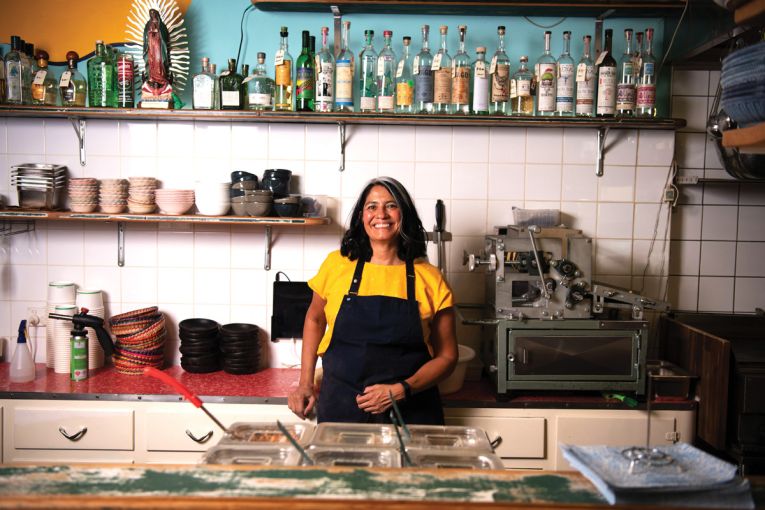
At Miro, a contemporary brunch café in a heritage-listed 1934 building, restaurant manager Pixie Ford is building a life away from her hometown, Melbourne.
“Christchurch is in this liminal space,” the 21-year-old says. “People are moving from Auckland, from Wellington, and they’re like, ‘Oh my God, we can open a really cool venue’.
“It’s that trickle effect – one cool thing opens, then everyone needs to be where the cool thing is.”
Subscribe for updates
The Māori word Manakitanga weaves through my travels. “It’s this really cool concept about how the way we respect people reflects back on you,” says Tim Ogle of award-winning wine bar and diner, Cellar Door. “It’s about greeting, entertaining, and feeding people until they are happy.”
I feel it. I may’ve left my mark in Ōtautahi – in bright pink and yellow spray paint – but Ōtautahi, in turn, left a mark on me.
TOP PICKS
Dining
Gatherings pulls at the heart strings – cosy, unpretentious, produce-driven eating, with a focus on sustainable and organic. On the night I dined, resident chef Alex Davies was cooking with UK chef Hector Henderson – son of the world-renowned Fergus Henderson – underscoring the sense that exciting things are happening, here. The then-fully booked Londo, next door, is top of my list for next time.
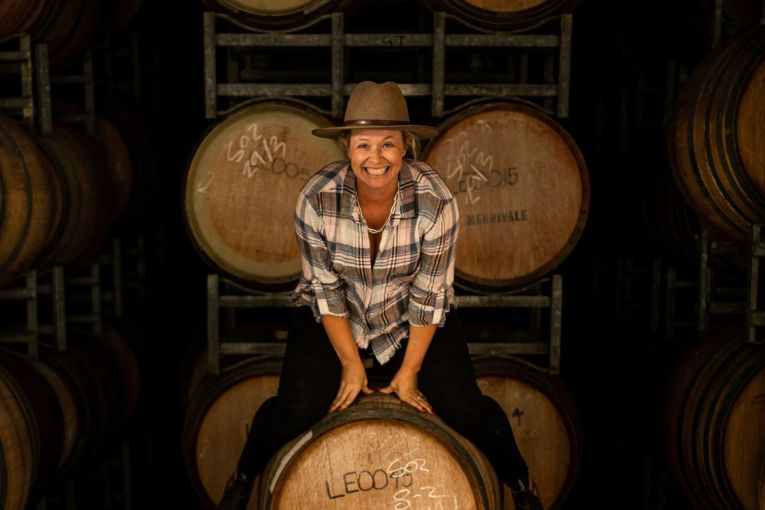
I could linger for hours at Cellar Door, at the Christchurch Arts Centre. Tim Ogle and his wife Rebecca opened the wine bar in January 2020 with a focus on generously-poured flights with truly great food to match. Chef Michael Burgess is on the pans, here – try his snapper baccalà mantecato with pickled fennel and apple.
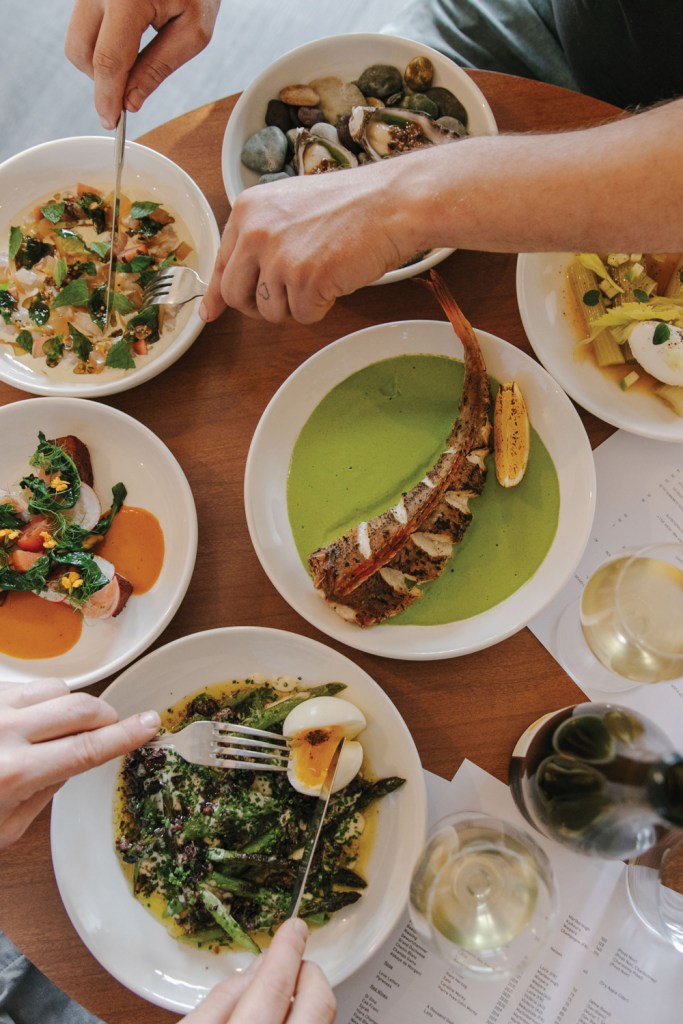
“The menu itself is exactly what (the Māori concept of) tūranga means,” Tim says. “It’s often translated as ‘a place to stand’ and is about what’s local; what’s available.”
At finer diner INATI, London-born chef Simon Levy designs dishes that champion locality: “Everything here has a reason,” he says. Even the plates have a sense of place; the speckles crafted from liquids released during the quakes. Simon’s duck parfait “trumpet” (we’d call it a Cornetto or Drumstick) is a local favourite, but my picks are the shaved cucumber with ponzu and horseradish, and a mind-bending porcini mushroom and white chocolate dessert.
The charred avocado is tops at Miro, as is the coffee. Dine alfresco for the perfect people-watching perch. Bar Yoku, meanwhile, will have you feeling like you’re in the side streets of Tokyo – dark, atmospheric, and a lot of fun. The sashimi and yakitori are great, but you must attempt one of their comically large but undeniably tasty signature “sushi tacos”.
Things to do
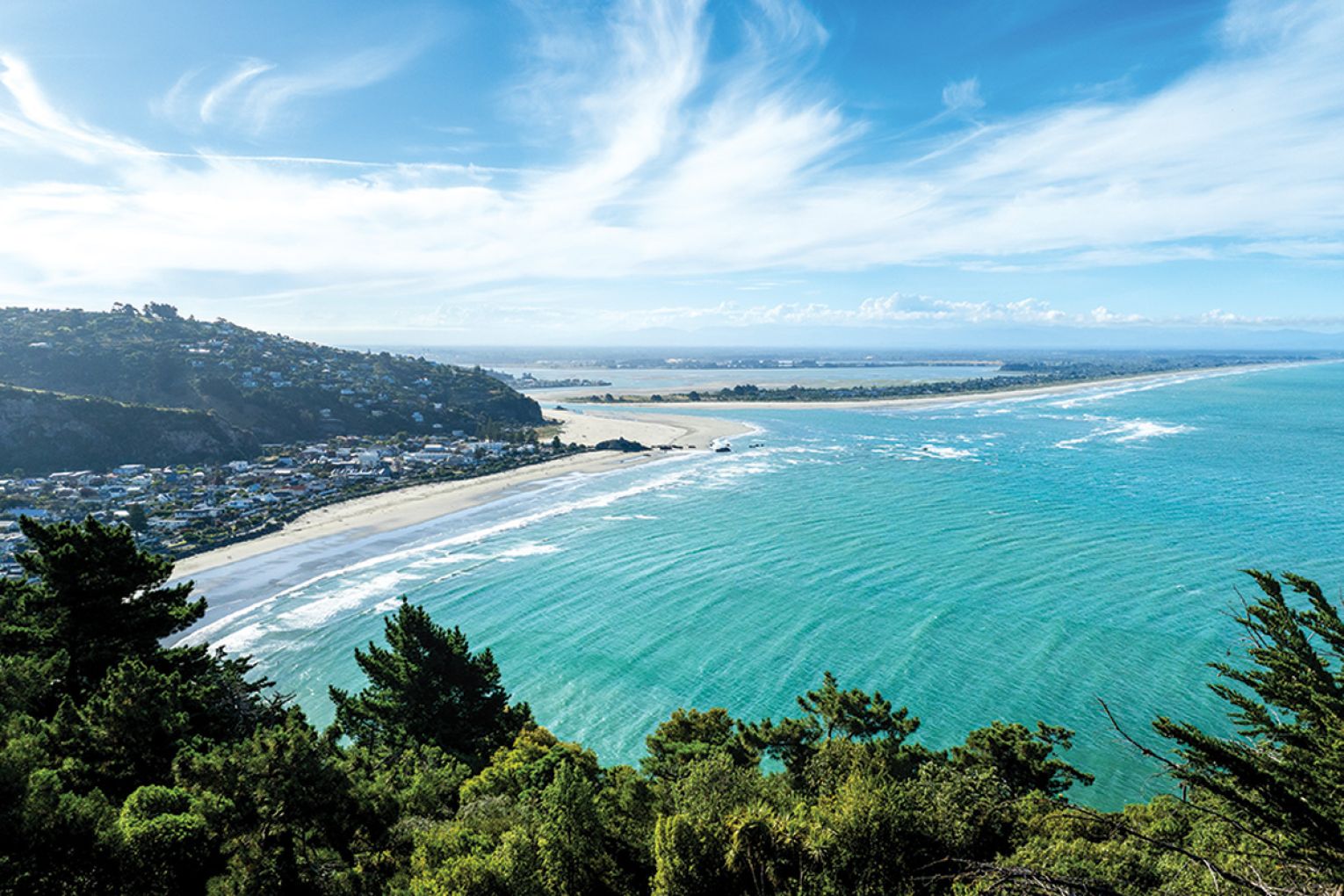
A cruisy Crater Rim Walk is an invigorating way to start the day – you’ll get your New Zealand sheep-viewing fix and, if you’re lucky, spot dolphins frolicking in turquoise waters below. In the city, you might like to join a Kai Safari foodie walking tour (do grab a jar of real deal Manuka honey along the way), or beeline to Frances Nation for swoon-worthy artisan wares and foods.
Ko Tane – Waka on Avon strikes a chord. Led by Māori guides who are so knowledgeable, upbeat and friendly, it’s a feel-good time that has you coming away with a greater appreciation of the town’s history.
Take the 15-minute drive to the He Puna Taimoana hot pools in New Brighton. Immersing in steaming hot waters as skies transform from day blue to dreamy pinks and a DJ’s tunes fill the air, all while watching waves crash against the sandy shoreline ahead, is a real pinch-me moment.
For those wanting to venture further, consider a day trip to Akaroa – a lazy seaside town, where you’ll find traditional French baguettes and croissants at A La Baguette, and the very best fudge inside a homewares shop called Pot Pourri. It’s in Akaroa where you’ll find the ultra-modern Caldera Estate cellar door, with jaw-dropping views of Akaroa Harbour and sweeping vineyards. Private tour companies such as Alpine Luxury Tours can take you there.
This article first appeared in the February 2026 issue of SALIFE magazine.
SALIFE was a guest of Air New Zealand – direct flights resume in October.
Want to see more stories from InDaily SA in your Google search results?
- Click here to set InDaily SA as a preferred source.
- Tick the box next to "InDaily SA". That's it.