Opinion: Top Adelaide girls school principal’s social media ban tips
Get ready for youngsters next week grappling with “irritability, boredom, loss or anxiety”, Walford girls principal Dr Deborah Netolicky says.

From December 10, Australia will become the first country globally to introduce laws banning under 16s from social media.
The laws have been hotly debated in the 12 months since they were introduced to federal parliament, and even resulted in a recent last ditch High Court challenge from advocacy group Digital Freedom Project who argue it is a ‘blatant attack’ on the constitutional rights of young Australians, who have grown up in a world in which online platforms are a primary mode of communication, connection, creativity and identity.
For marginalised young people in particular, online spaces can be vital sites of belonging, offering refuge when real life feels hard or a young person feels disconnected or misunderstood in their immediate surroundings.
The government is standing firm, and regulators around the world are watching the Australian experiment closely as many countries, including Malaysia and those in the European Union, look to follow suit.
So, what happens when the law changes, and teens under 16 years old are expected to connect in other ways?
You might like

The Australian Government’s Social Media Minimum Age (SMMA) Framework requires social media platforms to take reasonable steps to prevent those under 16 from holding accounts. The platforms affected include Snapchat, TikTok, Instagram, Threads, Facebook, YouTube, Twitch, Reddit, X and Kick.
Messaging apps, email, online games, professional networks, and education or health platforms are exempt.
The noble and important aim of the SMMA is to delay young people’s exposure to social media, reduce online harms, and support parents to manage digital boundaries.
While responsibility sits with the social media companies, many young people already have active accounts. For families about to embark on a long school holiday break, this shift presents the opportunity to help our kids reconnect with life in real and wonderful ways, and a real challenge in supporting young people to change the way they engage in their social world.
Stay informed, daily
Parents have a central role to play in supporting their children to navigate this transition.
Much of social media’s appeal lies in the fast-paced stimulation it provides through dopamine-inducing scrolling, mindless swiping, auto-play cycles watched at 2x speed, and a constant stream of messages.
For young people affected by the deferral of social media access, the removal of these spaces is likely to trigger strong feelings. As familiar ways of connecting and communicating become inaccessible, teens may feel uncertain about what to do next, or what to do at all. Parents will need to walk alongside their children as they experience irritability, boredom, loss or anxiety.
Parents can engage in regular small conversations in which they explore how their children are feeling, and what their options are moving forward. It is important to listen without judgement, acknowledge frustrations, and workshop ideas for how to find a way through this change.
These discussions can be ways in to deeper discussions about privacy, safety and responsible digital citizenship. The eSafety Commissioner’s website provides excellent resources to help families understand online risks and proactively support their children’s digital wellbeing.
Looking productively towards the future is key. As parents, we can chat our teens about where they might now talk with their friends. Many under 16s will migrate to gaming environments like lesser-known apps Lemon8 and Yope, the Fortnite lobby, or messaging apps such as WhatsApp (which now offers disappearing messages similar to Snapchat).
More importantly, parents can discuss with their teens other ways to fill the void and fill their cups. The 2025 World Happiness Report highlighted that ‘caring and sharing’ is central to human contentment. Acts of generosity, shared meals, routines that bring families together, and opportunities for community connection all help buffer us against loneliness, stress and disconnection.
This is an opportunity for a re-set, at a time when human connection is more important than ever. Our teens can be buoyed by catching up with friends in person, and by engaging in sporting activities, creative pursuits and shared family activities.
As parents, our job is to offer a safe place to feel big feelings and experience hard things, while gently encouraging independence, reflection and healthy habits in the real and digital worlds our teens inhabit. We need to walk alongside our children, providing firm boundaries and a high care environment the values meaningful human connection.
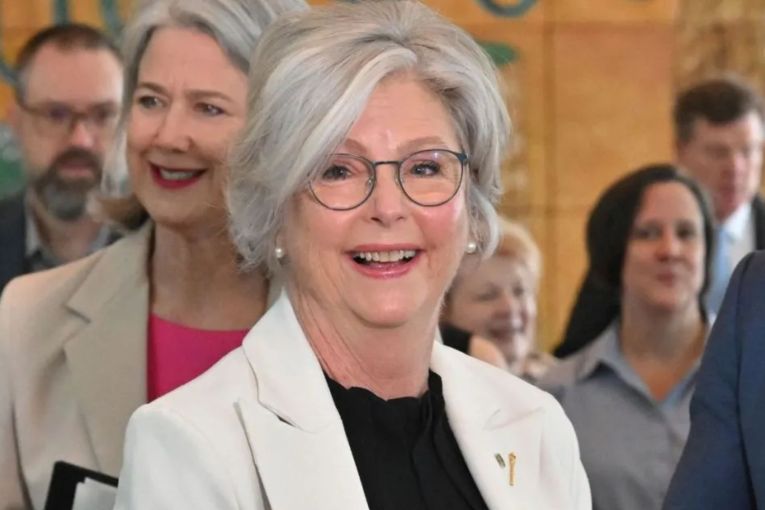
Dr Deborah Netolicky is the principal of Walford Anglican School for Girls in Adelaide.
Want to see more stories from InDaily SA in your Google search results?
- Click here to set InDaily SA as a preferred source.
- Tick the box next to "InDaily SA". That's it.