Who’s new in the zoo? Aviaries open as little penguins vaxxed
Adelaide Zoo has reopened its aviaries after months of bird flu fears, with new chicks joining the flock. Meanwhile, on Kangaroo Island little penguins lift their wings. See the videos.
Two of Adelaide Zoo’s aviaries reopened this week after five months of closures due to H5 bird flu concerns, while SA’s much-loved little penguins flap their wings for new vaccines.
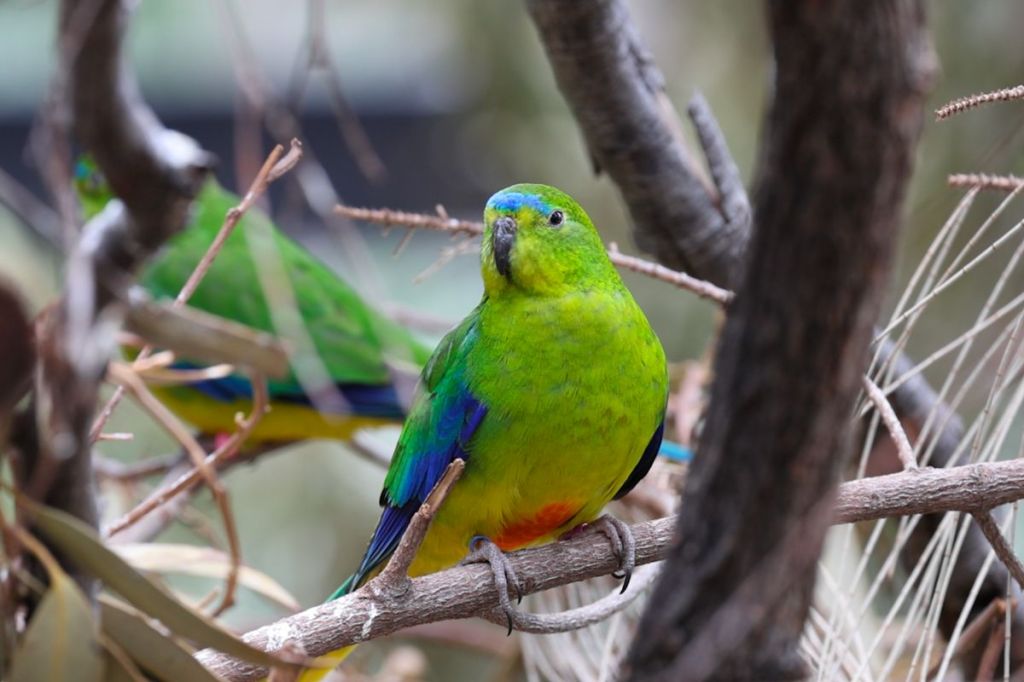
Zoos SA Chief Executive Dr Phil Ainsley said it was “fantastic” to begin to reopen the Rainforest and Wetlands Aviary and Orange-bellied Parrot Conservation Aviary, with new chicks on show.
“While bird flu remains a concern, we now have a better understanding of the risks and how to manage them,” Ainsley said.
New Radjah Shelduck chicks are now part of the wetlands aviary, which are commonly found in northern Australia and New Guinea. The Radjah Shelducks get to about 60 centimetres tall, with mostly white heads and necks and pale pink beaks.
In a statement released on Friday, Adelaide Zoo said it would reopen the aviaries in stages, and the South-east Asia walk-through aviary was still temporarily closed while upgrades are finalised. The free flight bird show remained temporarily suspended.
You might like

Ainsley said the Zoo was taking biosecurity measures like increased cleaning and veterinary-grade disinfection of visitor pathways, handrails and other surfaces. It was also vaccinating the birds most at risk.
“Vaccination is just one part of our approach to protecting the birds in our care, and the reopening of our aviaries is not dependent on vaccination alone,” Dr Ainsley said.
“The health and welfare of the birds in our care remains our priority, and we’ll continue to monitor the situation closely and adapt our approach if the risks change.”
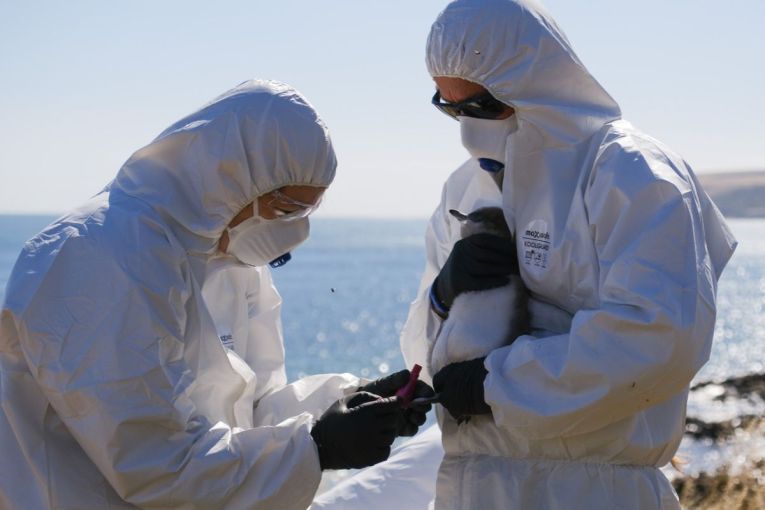
Adelaide Zoo vaccinated birds across 20 species that faced the greatest risk of contracting bird flu, including about 30 little penguins.
Meanwhile, one of the state’s most loved colonies of little penguins on Kangaroo Island have received their jabs, after SA’s top vet gave the Emu Bay colony a tick of approval.
Stay informed, daily
The vaccination program is backed by an almost $2 million investment from state and federal governments, which is part of a $270 million national funding package to respond to H5 bird flu.
SA’s chief veterinary officer approved the jabs now that the little penguins have reached a point in their breeding cycle where they can be vaccinated without disturbing them.
The Granite Island penguin colony was next in line, with experts determining the best time for their vaccines.
There are 36 adult penguins on Granite Island, according to last year’s penguin census. Little penguins were the only kind to call SA home and have been flagged as being highly vulnerable to H5 bird flu.
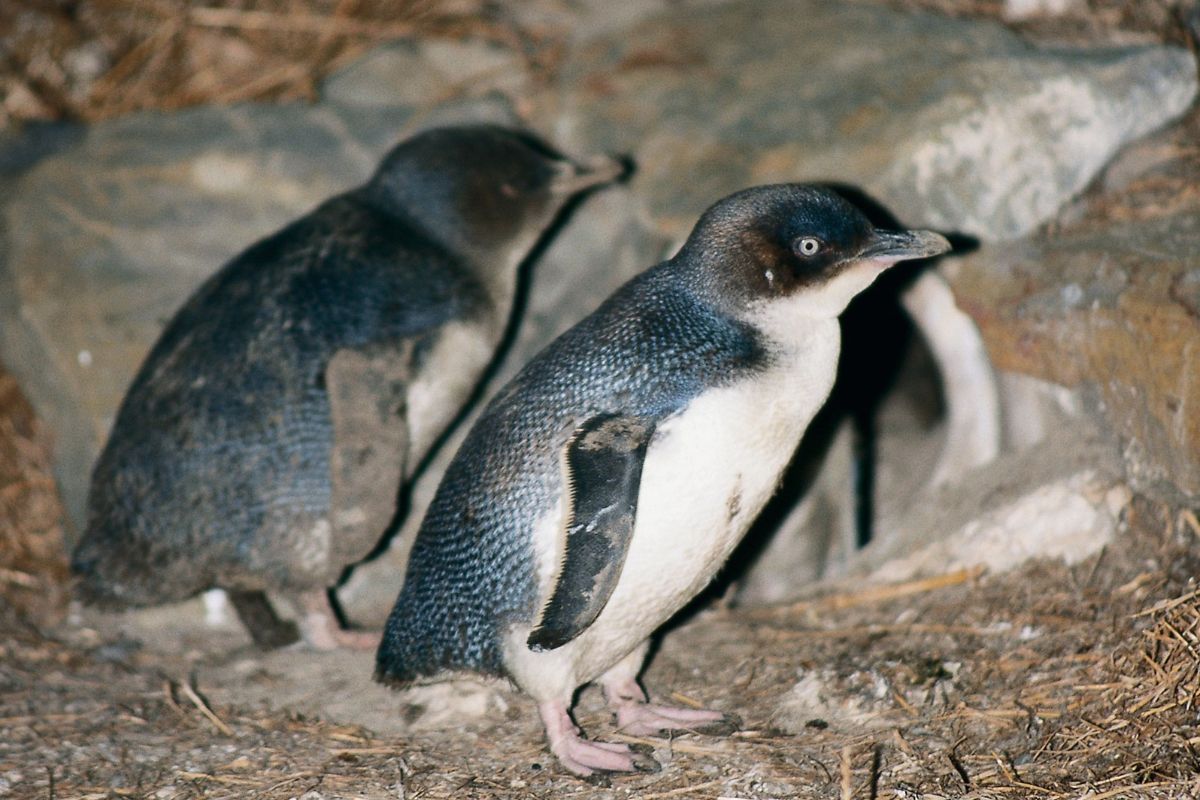
“We want to do everything we can to protect the much-loved little penguins on Kangaroo Island and Granite Island against the threat posed by H5 bird flu,” SA Environment Minister Emily Burke said.
“At the same time, vaccinating free-living wildlife is no easy task and we need to ensure we get the timing right to minimise disturbance to the colony and maximise the likelihood of achieving the two-dose vaccination requirements.”
The H5N1 strain of bird flu was first confirmed on home soil on June 19 after a migrating brown skua washed up on a remote beach near Esperance in Western Australia; SA detected its first case on June 24 in Port Elliot.
The state government changed its method of counting the H5N1 bird flu cases in August, but before that there had been 265 confirmed positive cases in SA.
As of November 5, about 730 H5N1 bird flu events had been reported in birds and mammals nationally.
Want to see more stories from InDaily SA in your Google search results?
- Click here to set InDaily SA as a preferred source.
- Tick the box next to "InDaily SA". That's it.