‘Precarious’: Industrial headaches loom for Malinauskas
A trio of decisions determining the future of some of SA’s most important economic projects face the state government as news emerges about Port Pirie’s sister smelter collapsing in Europe and its owners back for another handout.
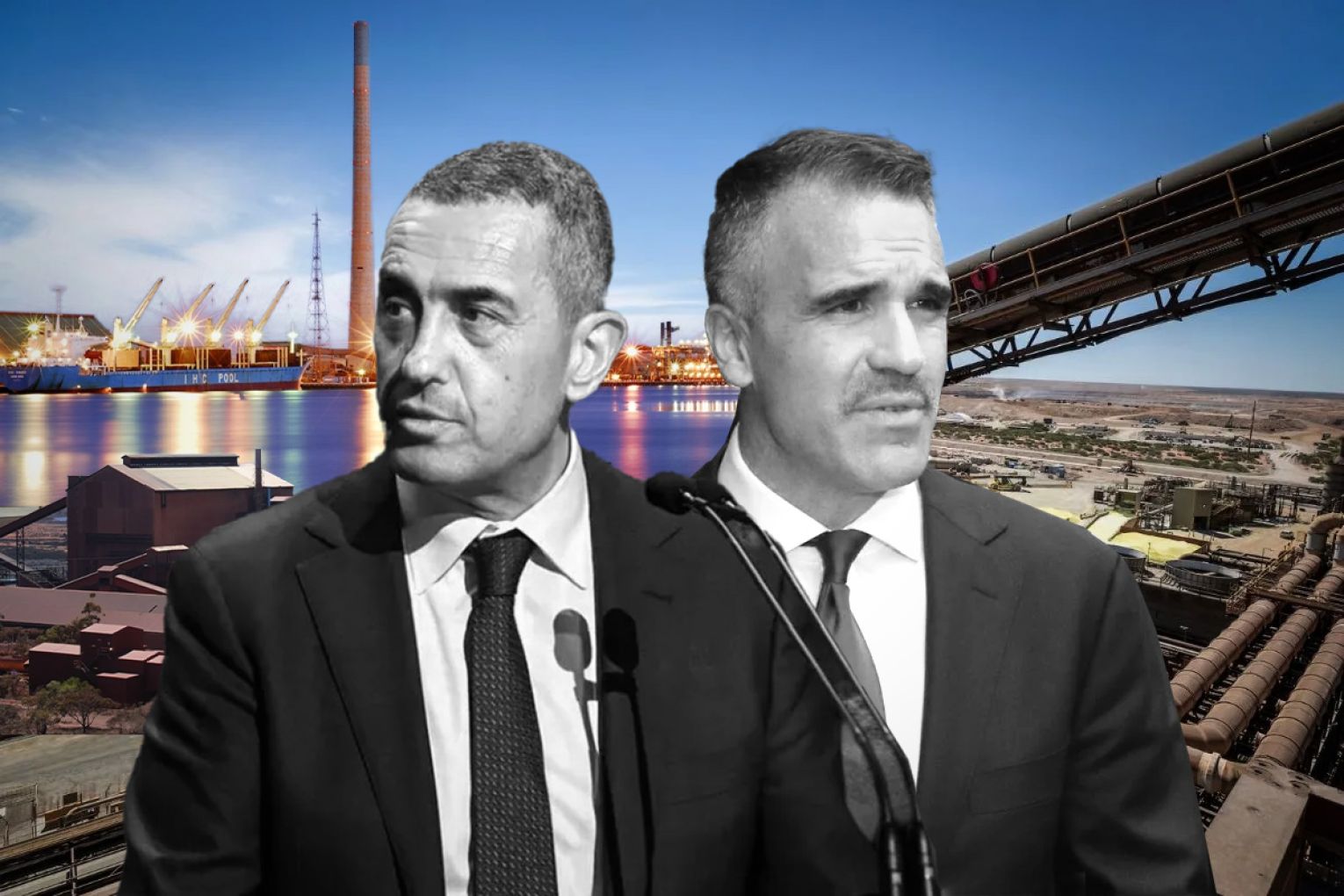
Three major South Australian industrial assets employing thousands and powering sovereign production of components crucial in global supply chains are proving to be headaches for the state government as the year draws to a close.
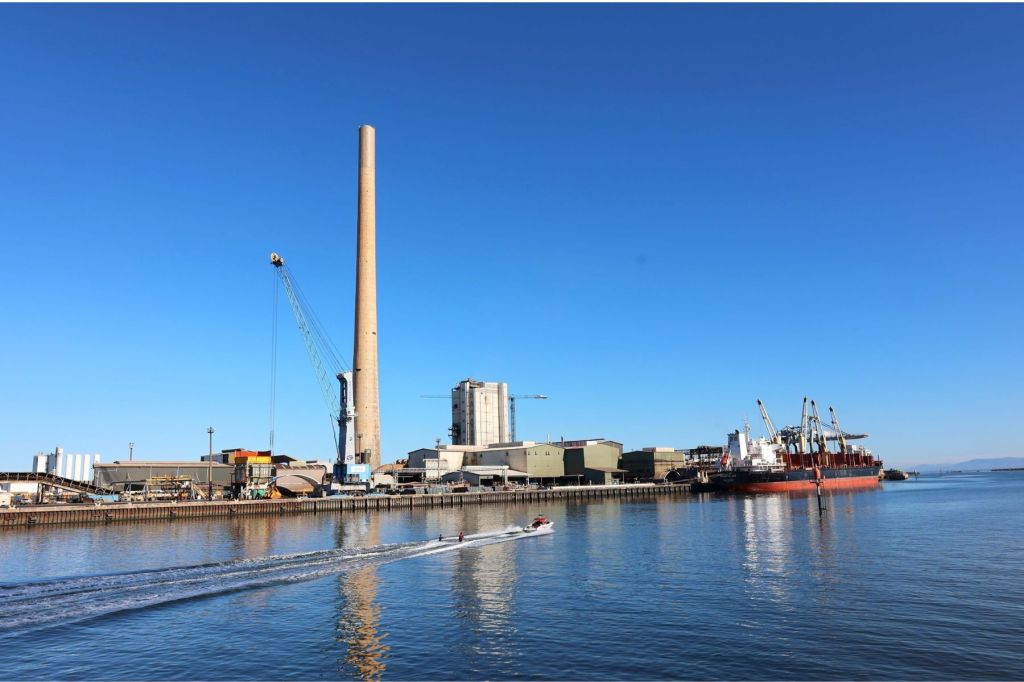
Key decisions loom for the state government on the future of the ailing Whyalla Steelworks, the potentially booming Olympic Dam copper mine and the wobbly Port Pirie Smelter whose Singaporean owners Trafigura are looking likely to get yet more taxpayer dollars to keep the business running.
The latter is in sharp focus today as news emerges that the owner of the Port Pirie Smelter – Nyrstar owned by Trafigura – will stop production of zinc in the Netherlands on Monday, December 30.
This is the same date as a deadline for the extension of state and federal government funding for the company that is producing antimony out of the regional SA smelter.
Netherlands-based Nyrstar on Thursday announced that its Budel site would stop zinc production at the end of the month.
The company said the decision was an “immediate operational cost-saving measure in response to significant increases in the site’s energy costs, against a backdrop of continued challenging market conditions for zinc smelters”.
CEO Matt Hadfield, appointed on November 3 this year, said the decision to cease production at Budel “shows the difficult choices our industry now faces”.
The latest development looks set to make another dent in the state budget.
In August last year, the state government announced it would contribute $55 million of taxpayer funds to a $135 million government bailout of the company’s Port Pirie and Tasmanian operations. In June this year, a second lot of $35 million of taxpayer funds for a $105 million assistance package was announced to fund Nyrstar’s Australian operations until November 30.
You might like
At the time, Nyrstar general manager Darin Cooper said the company was losing $15 million per month on its Australian operations, which also included a zinc smelter in Hobart.
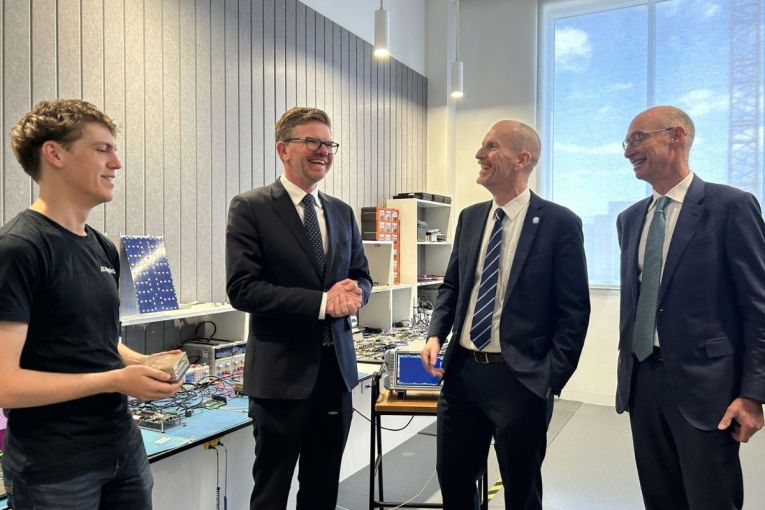
In parliament yesterday SA Treasurer Tom Koutsantonis said the company has come back again with “funding arrangements have been sought with all three governments” – SA, Tasmania and the Commonwealth.
“They have all been agreed. They have now been put to Trafigura and Nyrstar, and that negotiation is being handled by [Federal] Senator [Tim] Ayres, so it is in very capable hands,” Koutsantonis said.
“Senator Ayres will be negotiating with Trafigura and its operations here in terms of Nyrstar, but the South Australian government remains resolute.
“If the nation and our allies needs antimony, if it needs germanium, if it needs these critical metals and minerals for our nation and, just as importantly, our allies’ defence, then obviously the Commonwealth government has a key role to play in making sure that Nyrstar’s future is looked at.”
But the situation was “precarious”, Koutsantonis said taking a shot at China.
“Nyrstar’s operations are difficult. We have an active agent to our north [referencing China] who is doing everything they possibly can to bankrupt the capability of Western smelters—smelters in Australia, smelters in South-East Asia, smelters in the United States and smelters in Europe—and the way they do that is by paying above the odds for minerals and using processing charges at smelters as an incentive, and this makes it very difficult,” he said.
“To be entirely frank, this is a very, very difficult ask, but we are in difficult situations and in difficult times.
“The feasibility is very, very tricky. We are talking about manufacturing small amounts of very valuable material whose price in the market can change at a moment’s notice simply by the vast volumes that are held in another country being dumped onto the market and the price being changed overnight. It requires a great deal of taxpayer subsidy, but we remain in deep conversations with the Commonwealth government.”
Whyalla Steelworks sale deadline looming
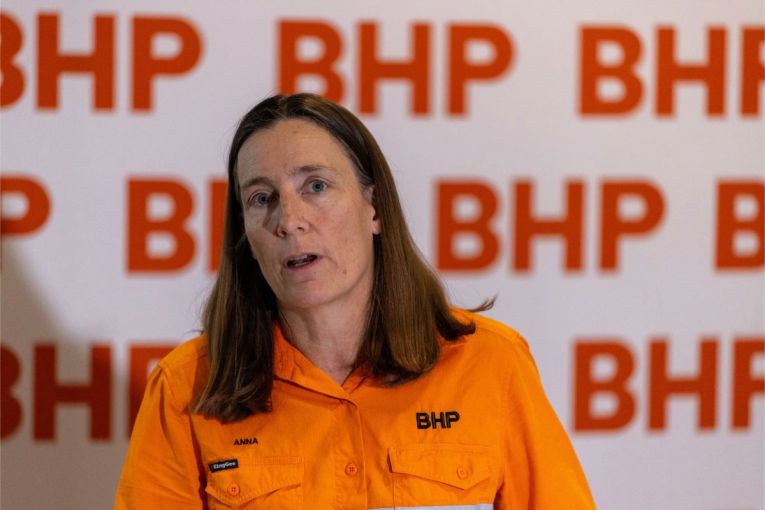
Meanwhile, the Malinauskas government is grappling with how to both ensure the Whyalla Steelworks can survive and how to help BHP with its booming copper business.
Stay informed, daily
More than $2.4 billion of state and federal government funds already has been thrown into the steelworks furnace since administrators KordaMentha were appointed in February 2025 with the goal of announcing a new buyer by the end of this year.
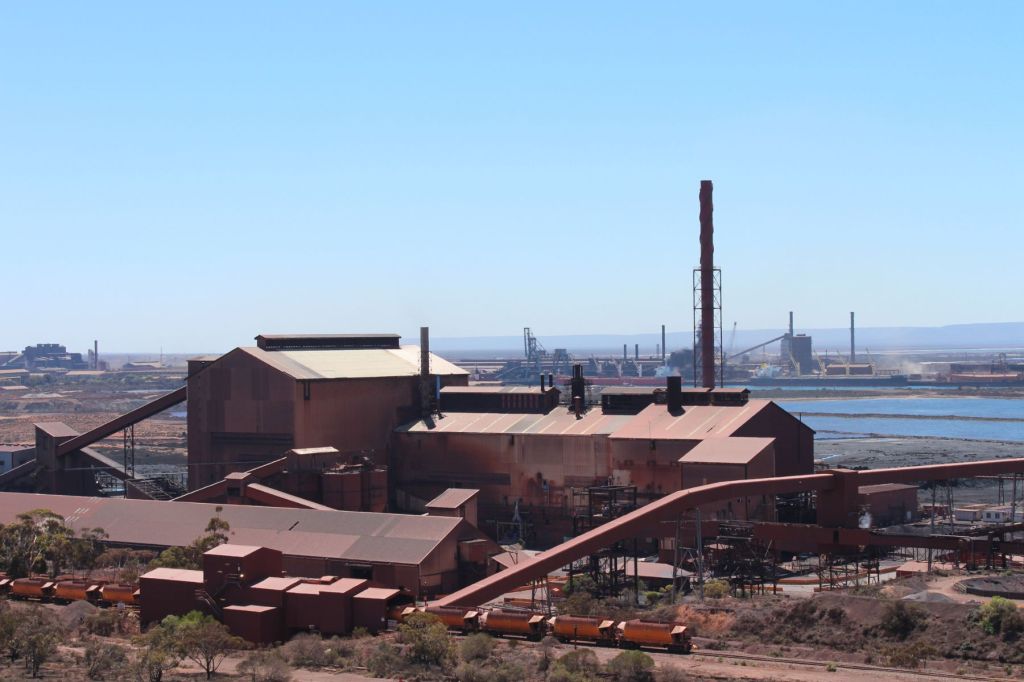
This was to support the continued administration of the facility that makes long steel products essential in the construction of large buildings and railroads, as well as to help workers made redundant and suppliers left in the cold after former owner, Sanjeev Gupta, was ousted owing $1.3 billion to creditors.
A decision on a preferred buyer is expected ‘before Christmas’, with either Brisbane billionaire Matt Latimore or Indian steel mogul Naveen Jindal set to become the new boss of the regional facility that has a valuable iron ore mine connected to it.
BHP support and mid-year budget review
Treasurer Tom Koutsantonis is yet to announce when he will reveal the state’s mid-year state budget review, one that pundits are closely watching for any blow outs in construction costs at two major projects well underway, the $15.4 billion Torrens to Darlington roadworks project and the new $3.2 billion Women’s and Children’s Hospital.
While the government has insisted both are on time and on budget, international headwinds have seen construction costs skyrocket nationally.
Meanwhile, the state government will decide next year on whether to use taxpayers dollars to buoy the South Australian copper dreams of mining behemoth BHP.
A final investment decision on whether to go forward with the $5 billion Northern Water desalination plant project – that will supply BHP with the water it needs to double copper production – is expected next year. The amount that SA could commit is still under wraps.
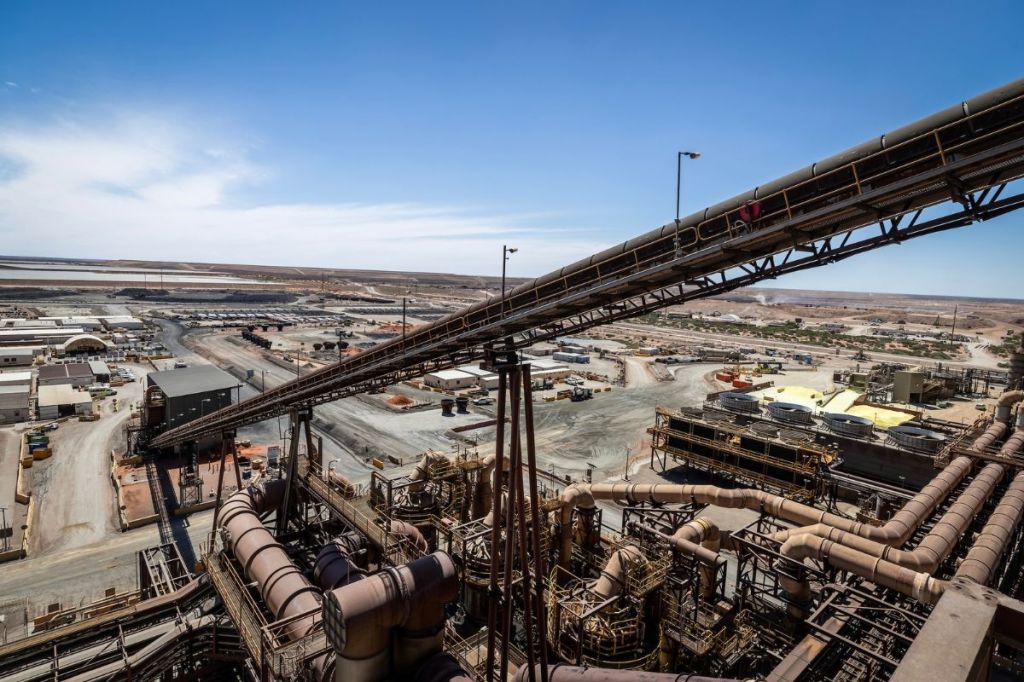
The state government has said the project would be co-funded with the Federal Government but if agreed, it would be another mega project weighing on state coffers alongside the T2D and new Women’s and Children’s Hospital.
In October, the Treasurer said the new Women’s and Children’s Hospital’s $3.2 billion budget was “under pressure”.
It followed Auditor-General Andrew Blaskett releasing a report on state finances, warning the current budget for the hospital “may not be sufficient”.
While state debt is forecast to hit $53.6 billion by 2030, three recent ratings agency reports place SA in a solid financial position. Fitch gave the state a double A plus rating with a stable outlook, Moody’s gave SA an AA1 rating while S&P Global maintained an AA plus credit rating.
But whether the state government has the appetite to fund both ailing and thriving industrial projects remains to be seen.
Want to see more stories from InDaily SA in your Google search results?
- Click here to set InDaily SA as a preferred source.
- Tick the box next to "InDaily SA". That's it.