Ombudsman calls out SA Housing Trust over domestic violence reports
The state Ombudsman has told the housing trust to apologise for “failing to respond to concerns” from a vulnerable tenant.
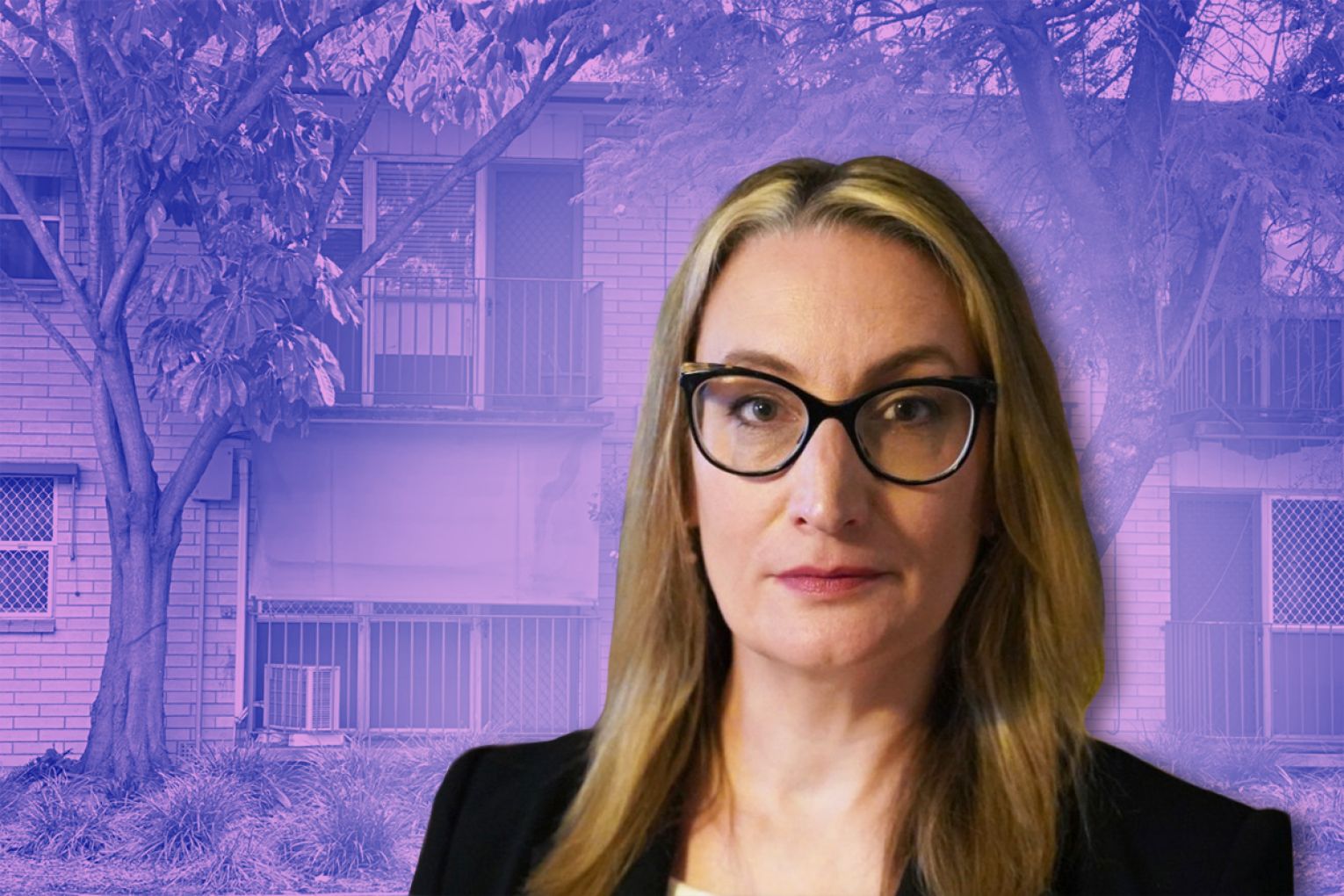
The SA Housing Trust (SAHT) has accepted recommendations handed down by SA Ombudsman Emily Strickland, with her new report finding the agency failed to respond to warnings that a tenant was at risk of domestic violence for several months.
The Ombudsman found that SAHT had multiple administrative errors in handling the tenant’s complaints, including failing to conduct its own domestic violence risk assessment and failing to place her as a “high-risk” priority tenant.
“The tenant in this matter had resided in the relevant SAHT property since 2022, and left the property in March 2025 due to experiencing domestic violence, perpetrated by her ex-partner,” Strickland said.
In the months that followed, the tenant, her support worker and emergency accommodation staff reported “multiple severe risk indicators” to SAHT, including the tenant’s car tyres being slashed, the car being vandalised with the word “slut” spray-painted on it, and her property being broken into by an ex-partner.
Despite multiple complaints and attempts to be placed in the highest-priority tier, which is for people experiencing issues such as domestic violence that make their property unsuitable to live in, she remained a low-priority level tenant for months after the incidents, the report found.
A domestic violence risk assessment was conducted on January 20, five days after the tenant had been assaulted by her ex-partner near her housing trust property, and received a score of 66, indicating that she was at high risk of serious injury or death.
You might like

The tenant was not placed as high priority until March 4.
According to the report, a support worker raised concerns about the tenant not being high priority, with a SAHT senior staff member responding saying they “just don’t think transfer is the solution as [the tenant] has never felt safe in any of the properties she has had”.
Strickland said “SAHT’s failure to accept that she was at risk due to the fact she had reported similar concerns in previous tenancies was especially distressing”.
“It is unacceptable for this to simply be overlooked. I note the tenant’s characterisation of this as having serious consequences for her, including adding to her overall distress,” Strickland said.
“I consider the failure to promptly update the tenant’s registration category for an extended period of time and despite receiving SAPOL’s assessment and then Multi Agency Protection Service’s assessment, amounts to administrative error.”
The report found that this “reinforced [the tenant’s] belief that she was being judged for repeatedly experiencing domestic violence rather than supported as a victim-survivor”.
Stay informed, daily
Strickland also said it was “unacceptable that the SAHT failed to conduct its own risk assessment” despite multiple indicators of risk to the tenant and that it was considered an “administrative error”.
The Ombudsman has made recommendations that SAHT apologise to the tenant for the errors, make an ex-gratia payment to the tenant, and review its policies and procedures to appropriately respond to tenants who raise that they are at risk of domestic violence.
A spokesperson told InDaily that SAHT “takes the safety of tenants affected by domestic and family violence extremely seriously”.
“The Housing Trust provides emergency accommodation, transfers to new properties, and increases security at homes, because of domestic and family violence. We note that this tenant has resided in multiple Trust properties, including a recently allocated property with security upgrades to help keep her safe,” the spokesperson said.
“The Housing Trust has accepted the recommendations, however, stresses that while it can support tenants with their housing needs, it is not a specialist support service for domestic violence service.
“Rather we rent properties to people, and other agencies and experienced specialist domestic and family violence providers wrap support around the tenant. We continue to work closely with this tenant, and her support worker, on an ongoing basis to support her safety.
“We acknowledge the tenant’s significant distress and acknowledge the Housing Trust has a responsibility to support the tenant through advocacy and service co-ordination, including with police, in a trauma-informed way. We continue to work with police and agencies that have the relevant statutory powers.”
Family and domestic violence support services:
- 24-hour Domestic Violence Crisis Line – 1800 800 098
- 1800RESPECT – 1800 737 732
- Lifeline – 131 114
Want to see more stories from InDaily SA in your Google search results?
- Click here to set InDaily SA as a preferred source.
- Tick the box next to "InDaily SA". That's it.