Do these tiny organisms hold the secrets to protecting our future?
Flinders University research shows some of the ocean’s tiniest organisms could help predict what comes next with climate change – and reveal how changes underwater affect us on land.
“They don’t get much attention but, if we want to understand what’s really happening to our world, this is where we should be looking,” Flinders University Professor Sophie Leterme says.
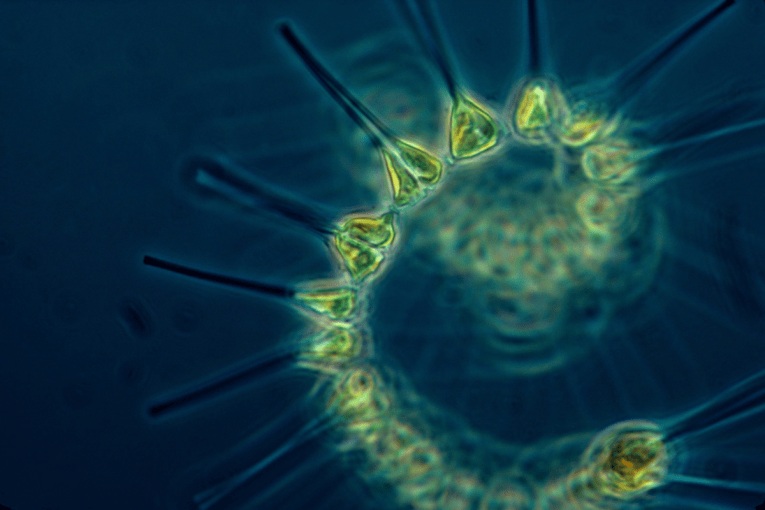
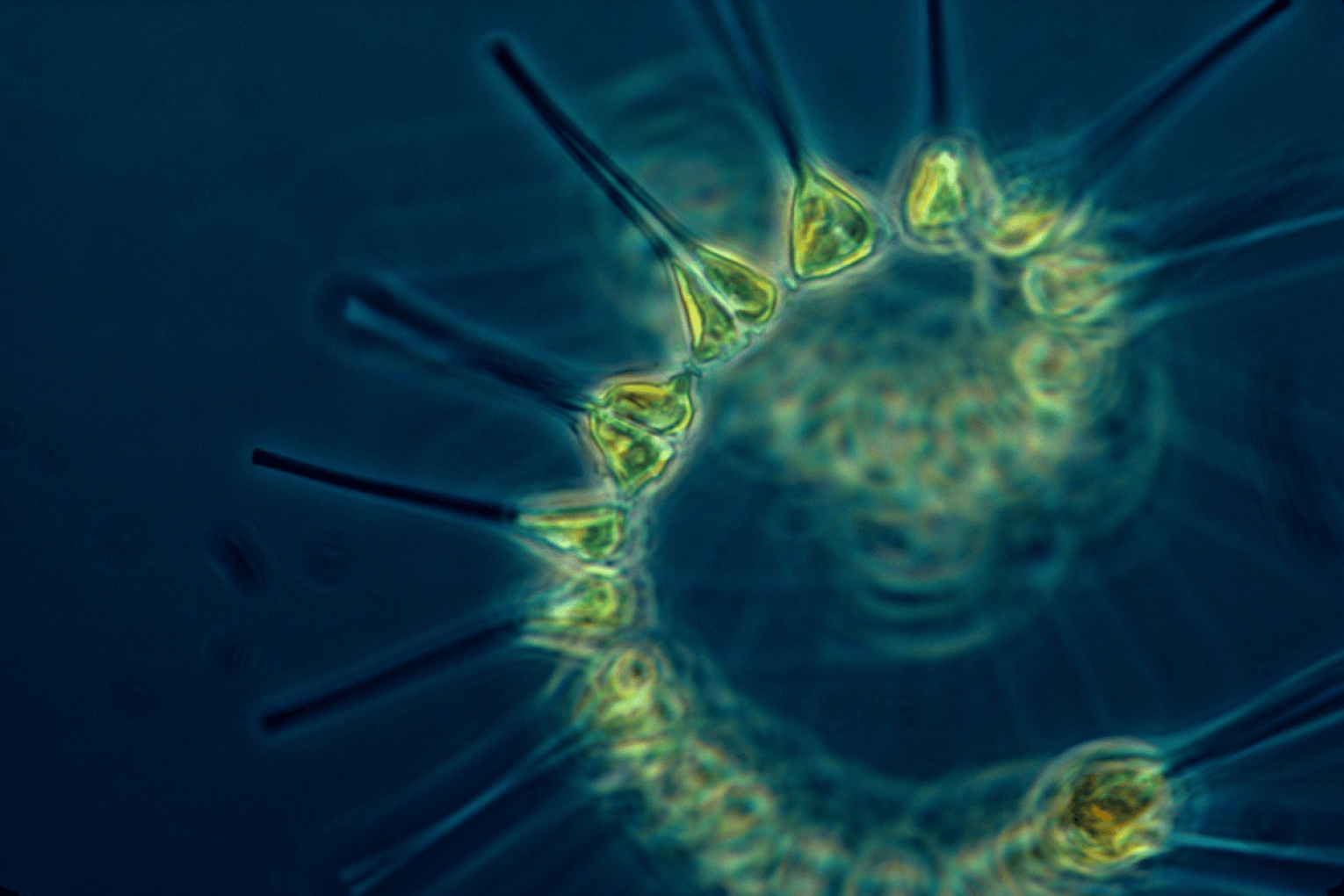
Professor Leterme is referring to plankton, the tiny organisms that feed most of our marine life, from whales to sea sponges. These microscopic organisms may also be among the most powerful witnesses to climate change and hold the secrets to our survival.
“A lot of the photosynthetic plankton, known as phytoplankton, produce most of the world’s oxygen but consume the excess carbon dioxide from the atmosphere (up to 100 million tons daily) which means they really help regulate our climate,” she says.
“But if there aren’t enough phytoplankton groups in the water, or they aren’t healthy, they won’t consume as much carbon dioxide which can amplify climate warming and make the climate hotter.”
Climate and the state of our environment is certainly a global concern, and its impacts are being felt right here in South Australia. In the most recent Flinders Wicked Problems Report, 21 per cent of Australians (and a similar share of South Australians) named the environment and climate change among their top worries.
That anxiety is only growing, fed by extreme weather and ecological crises in our own backyard. As of October, South Australia has the highest number of confirmed bird flu cases and last year the state experienced an unprecedented marine disaster: a toxic algal bloom that began in March 2025 and killed an estimated 100,000+ fish and marine animals in our coastal waters.
So, what do we need to know about plankton and how can they help us?


Why plankton matter
Plankton are tiny organisms that drift with tides and currents because they cannot swim strongly enough to move against them. Some spend their whole lives this way, while others are only plankton when they are young.
They can be grouped in several ways, but the simplest split is between phytoplankton, which are plant-like, and zooplankton, which are animal-like.
“There are thousands of species of plankton and a lot of organisms that you see in the water start as plankton because their eggs are considered as plankton until they become adults – jellyfish, mussels, oysters, crabs,” Professor Leterme explains.
It’s phytoplankton that most interests Professor Leterme and other researchers because changes in these tiny communities can reveal what is happening in the water, and what that could mean above ground.

“They respond very quickly to change, in a matter of days, so it really helps us to understand what’s happening and allows us to predict what might happen in the future.”
Professor Leterme is leading a research group that has been tracking phytoplankton in the Coorong for more than 16 years. That research has revealed that these tiny organisms respond dramatically to changing environmental conditions, offering an early warning system for the future health of one of Australia’s most important wetlands.
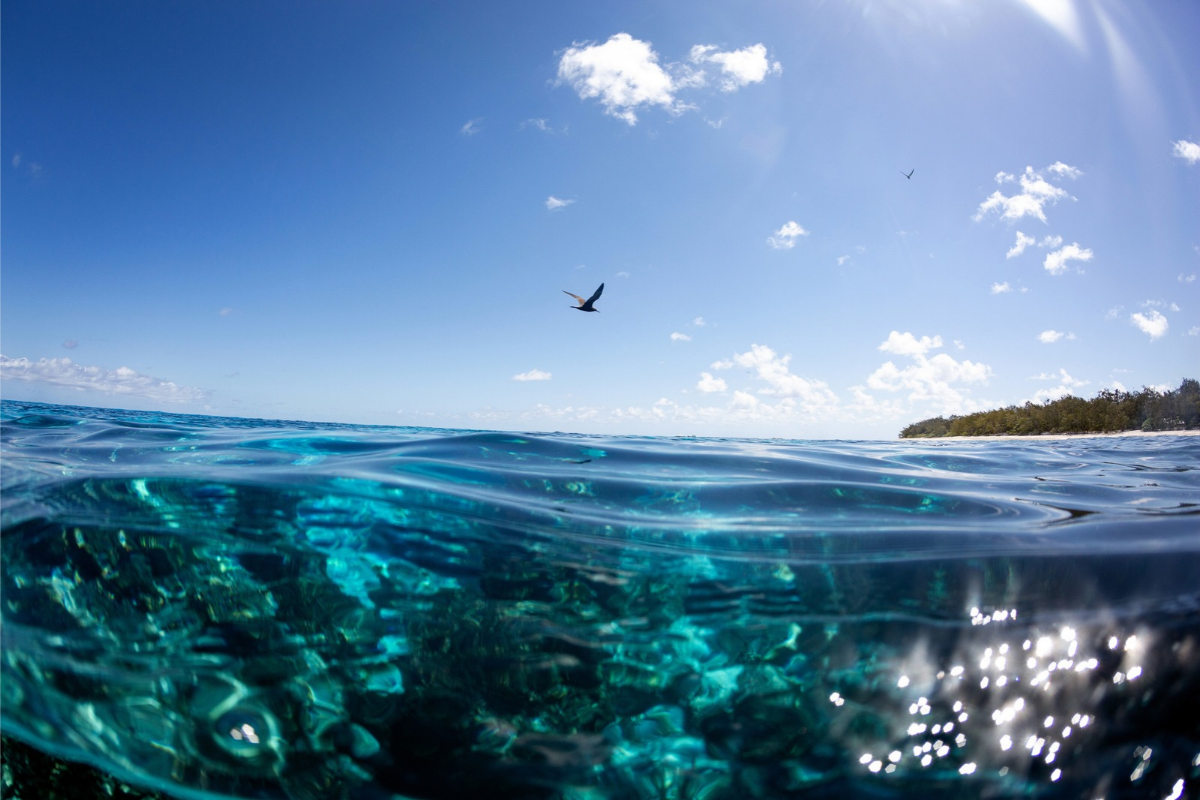
The Coorong is no ordinary waterway. Stretching more than 140km along South Australia’s coast, it’s a wetland that supports wildlife, tourism, fishing, farming and deep cultural connections for the Ngarrindjeri people.
Researchers analysed water samples collected between 2007 and 2023, capturing everything from the depths of the Millennium Drought to major flood events. The aim was to understand how phytoplankton communities change as the Coorong becomes fresher or saltier over time.
What they found was that as freshwater flows rise and salinity falls, the phytoplankton community changes. When freshwater disappears and salinity climbs, an entirely different set of species takes over.
Lead author, Flinders’ Dr Daniel Chilton, and his colleagues found that the healthiest mix of phytoplankton was in the fresher parts of the Coorong. In the saltiest parts, fewer types of phytoplankton can survive, leaving only a small number of tougher, salt-tolerant species, which can change the balance of the whole ecosystem.
While invisible to the naked eye, these changes ripple throughout the entire ecosystem.
The study suggests climate change could disrupt the Coorong’s food chain. As less fresh water flows in and the water becomes saltier, fewer types of phytoplankton survive, leaving less food variety for fish, birds and other animals, which then flows on to the communities using this water for their livelihood.
By linking microscopic communities to specific salinity conditions, scientists can use phytoplankton as a forecasting tool, helping predict how the Coorong may respond under future climate scenarios.
That knowledge could help water managers and environmental decision makers act earlier to strengthen the ecosystem before serious damage is done.
“Our research provides an early-warning system,” Professor Leterme says. “Rather than waiting until fish, birds or seagrass communities show signs of decline, changes in phytoplankton can show when the ecosystem is becoming stressed, giving water managers a chance to intervene before larger impacts occur.”
She says practical measures could include maintaining environmental freshwater flows from the Murray River and Lower Lakes, improving connectivity between the North and South lagoons, and increasing flushing in the estuary to reduce nutrient build-up in sediment.
But the research doesn’t only apply to the Coorong. Researchers say the findings could help inform the management of coastal lagoons, estuaries and wetlands around the world, many of which are facing similar pressures from climate change, reduced river flows and rising salinity.
“Globally, this knowledge can help communities build more resilient wetlands, estuaries and coastal environments in a changing climate,” Professor Leterme says.
In a changing climate, the smallest life in the water may offer some of the biggest clues about what comes next.
At Flinders University, we are dedicated to finding solutions to complex challenges with research that matters. In the spirit of co-designing our research with community, we asked Australians from across the nation to voice the problems that matter to them the most in their local communities, resulting in the Flinders Wicked Problems Report. Read more here.
Want to see more stories from InDaily SA in your Google search results?
- Click here to set InDaily SA as a preferred source.
- Tick the box next to "InDaily SA". That's it.