Why Aussies are having fewer kids
Australia’s fertility rate is dropping, and it’s well below the level needed to replace the population. So, why are families stopping at one child? New research shows it is more personal and less money motivated than many assume.
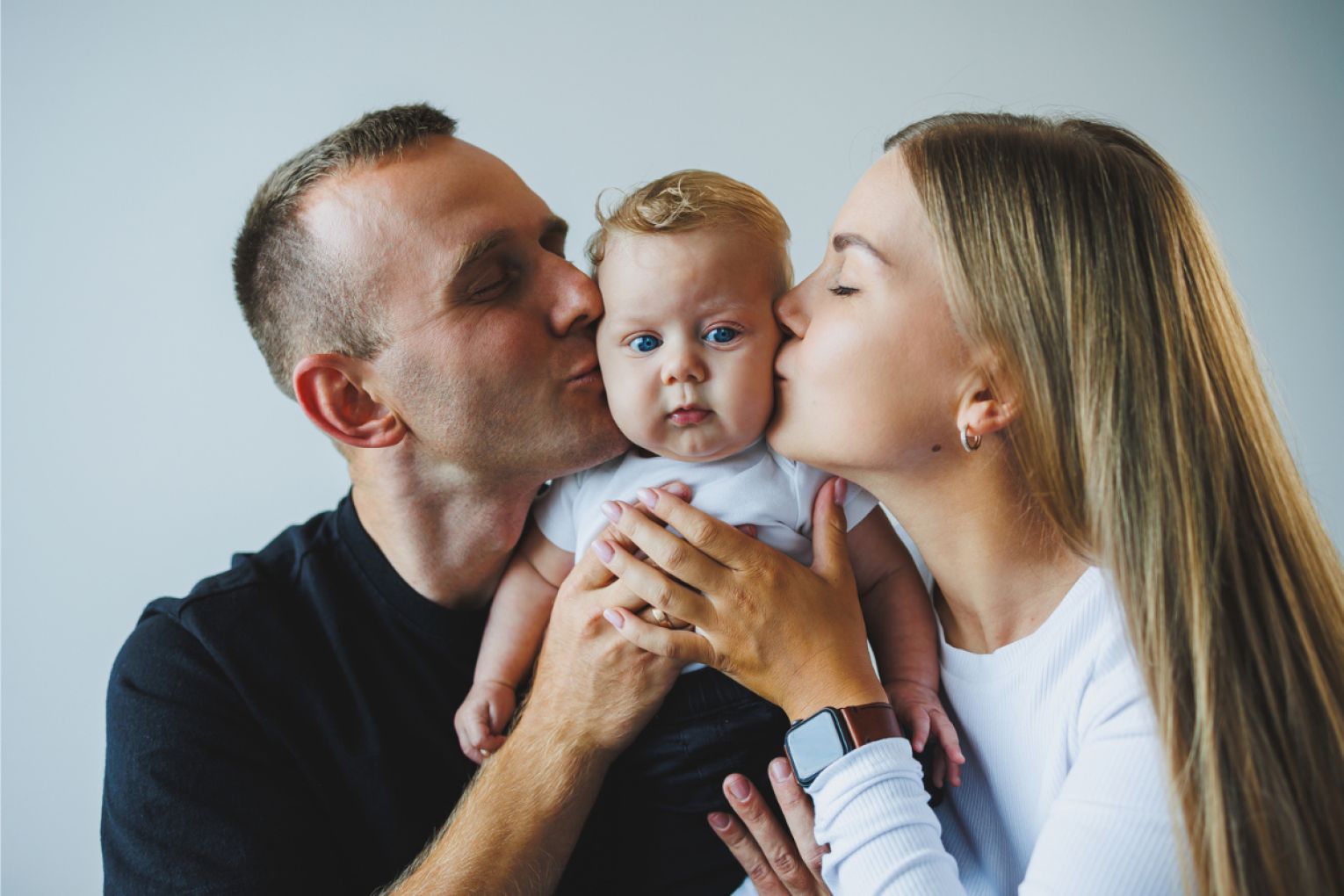
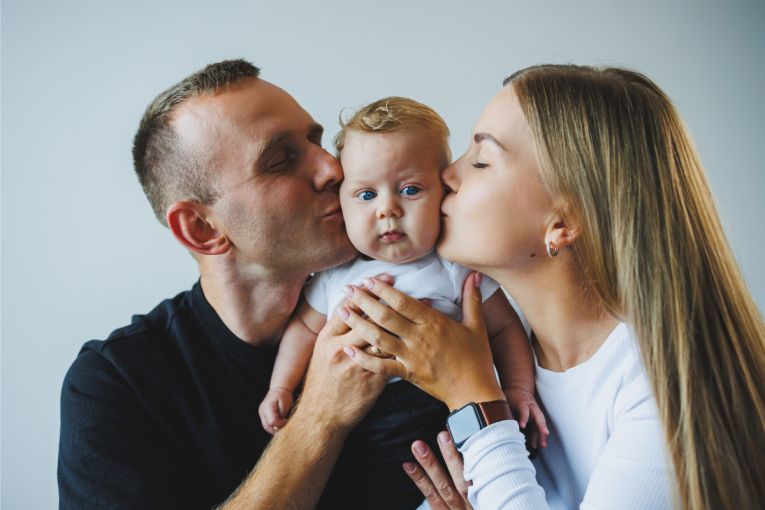
Exhaustion, trauma and the harsh realities of parenting are driving more Australian families to think twice about having another child.
Australia’s fertility rate has dropped to about 1.5 births per woman, well below the level needed to replace the population. But behind that statistic are real families feeling stretched to their limits.
For many parents still on the fence, the baby years loom large. While rewarding, they are also described as relentless, with broken sleep, constant demands and emotional strain taking a heavy toll.
“Can I be a zombie for another two years?” one parent captures it bluntly.
A new Flinders University study of more than 1000 parents shows decisions about having another child are far from simple, and often come down to whether families feel they can cope physically, emotionally and mentally with doing it all again.
Senior author Professor Damien Riggs, says the findings bust the myth that money alone is the main barrier.
You might like


“People often assume that if you offer financial incentives, families will have more children, but what parents are telling us is that their decisions are shaped by what they’ve already lived through, not just what they can afford,” he says.
“Parents are very honest about how tough those early years are, and of course it’s not that they don’t love their children, but they have to ask themselves if they can go through that level of exhaustion again.”
Other parents speak about feeling pressure from partners, friends and family about whether to have more children, particularly younger and single parents.

“These decisions don’t happen in a vacuum,” Professor Riggs says. “People are weighing up expectations alongside the support they feel they have around them.”
For those who have already decided not to have more children, the stories can be confronting.
“We heard about traumatic births, serious complications and long-term health impacts,” he says. “For some parents, choosing not to have another child is about protecting their own mental and physical health.”
Postnatal depression and anxiety also play a major role, with some parents saying they simply cannot risk returning to that experience.
Others describe feeling overwhelmed by the realities of raising children without enough help, especially without nearby family or affordable childcare.
“Support makes a huge difference, and when it’s not there, the idea of another child can feel impossible,” Professor Riggs says.

For some families, the decision is less about crisis and more about contentment. Many parents report feeling happy and complete with the children they have, while others say they want the freedom to focus on careers, relationships or their own wellbeing.
The study suggests these lived experiences help explain why past attempts to boost birth rates, including one-off payments, have had little lasting impact.
“What this research shows is that these are decisions made over years, not moments and are shaped by real experiences of parenting, not just policy settings,” Professor Riggs says.
Researchers say the findings point to a need for better ongoing support for families, including accessible healthcare, mental health services and practical help with raising children.
“At the end of the day, if we want to understand why people are having fewer children, we need to listen to them,” Professor Riggs says.
At Flinders University, we are dedicated to finding solutions to complex challenges with research that matters. In the spirit of co-designing our research with community, we asked Australians from across the nation to voice the problems that matter to them the most in their local communities, resulting in the Flinders Wicked Problems Report. Read more here.
Want to see more stories from InDaily SA in your Google search results?
- Click here to set InDaily SA as a preferred source.
- Tick the box next to "InDaily SA". That's it.