SA to join High Court fight over social media ban
The Premier says SA will not “not shy away from the fight” as the Federal Government battles court action over its national ban.
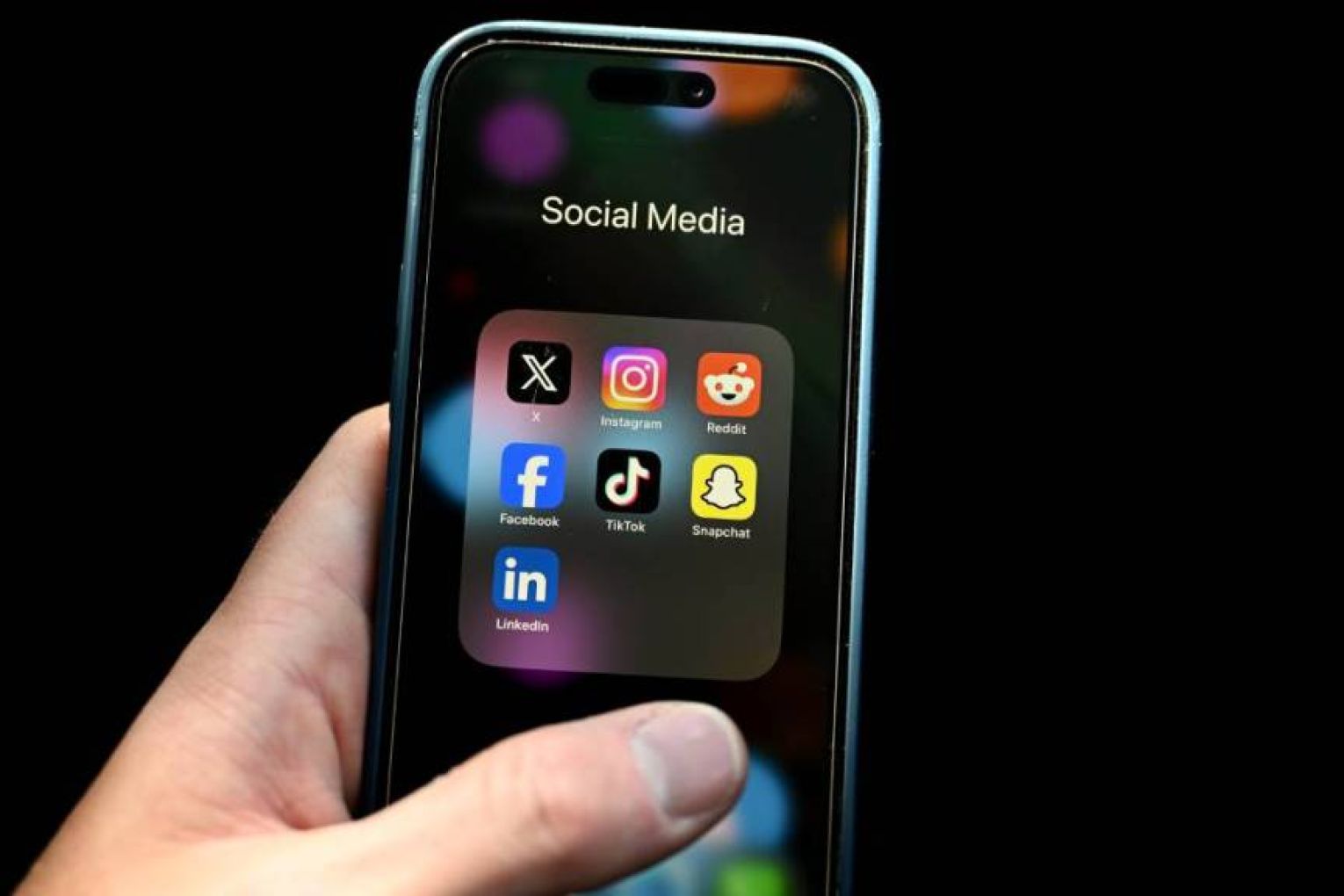
South Australia is formally joining the High Court of Australia battle over social media bans, Premier Peter Malinauskas saying the state government would “not shy away from the fight to defend our world-leading social media laws protecting children from the harms of unregulated access”.
The Federal Government in defending Australia’s world-leading social media age limit as a constitutional challenge to the legislation begins in the High Court today.
New national legislation meant children under the age of 16 were banned from 10 digital platforms in December 2025.
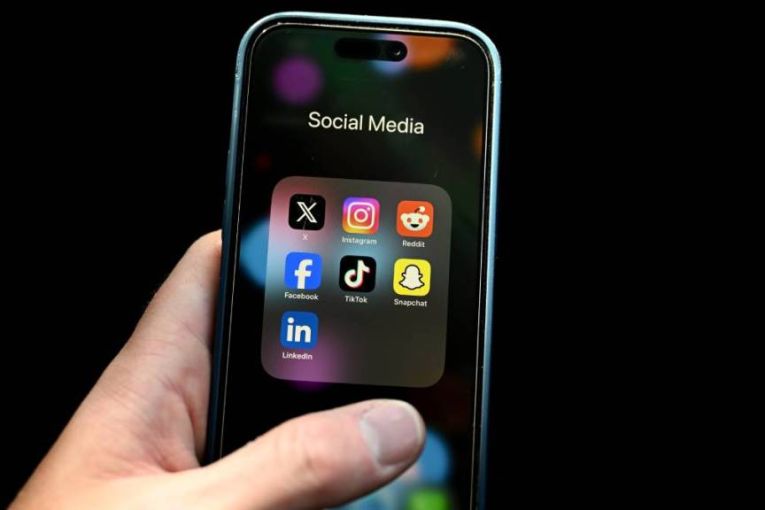
South Australia has formally intervened in the proceedings, joining the fight to defend legislation requiring social media platforms including TikTok, Instagram, Snapchat, X, Facebook and YouTube to take reasonable steps to prevent Australians under 16 years of age from having a social media account.
“This is about putting the wellbeing of children ahead of the commercial interests of some of the world’s biggest tech companies,” Malinauskas said.
“Parents have been asking for help because they are worried about what their children are exposed to online. We listened, we acted, and we will continue doing everything we can to protect kids from addictive social media.
You might like

“We want kids off screens and spending more time with friends and family, away from platforms designed to keep them scrolling.”
Significant financial penalties of more than $100 million now apply to social media platforms that fail to take reasonable steps to prevent under-16s from holding accounts.
The legal challenge was brought by plaintiffs including the Digital Freedom Project Incorporated, a lobby group led by New South Wales Libertarian MLC John Ruddick.
The Digital Freedom Project announced it had launched proceedings in the nation’s highest court in a bid to overturn the laws in the weeks leading up to the ban.
A second challenge emerged days later from US-based social platform Reddit which argued it raised issues on privacy and political expression, but also for inaccurately characterising the platform to be included in the ban.
The federal government acknowledged concerns the bill impinged on the rights of children at the time but stated the ends justified the means, which children’s rights expert Noam Peleg said is the real test.
Stay informed, daily
“If the court reaffirms its own jurisprudence that Australians do enjoy the right to political communication and to political expression, then the question is whether this right extends to both children and to online platforms,” Associate Professor Peleg said.
“And if the answer is yes, then the question is whether the ban …is a proportionate measure.”
Australia has ranked poorly on the global stage according to the annual KidsRights Index, which parked the nation at 142 out of 194 countries due to the stifling environment for expanding children’s rights.
It’s a sentiment echoed by Assoc Prof Peleg who said children should not be discounted in political debate just because they cannot vote.
“When it comes to children, instead of educating them, which is usually what we do with children, we just tell them …you are out,” he said.
“They are removed from public spaces. They are removed from their ability to exercise their own citizenship. And the court needs to contemplate with that.”
The beginning of the High Court hearings coincides with a separate push by the Labor government to pass its new digital duty of care bill, which would place the legal responsibility on tech platforms to proactively secure their systems rather than relying on users to report harms.
“We can’t say the online world only is harmful to children …removing them completely with no ability to do anything online, that’s something the court needs to pay attention to,” Assoc Prof Peleg said.
The effectiveness of the ban has been frequently called into question with research in June suggesting as many as 80 per cent of people under 16 were still using social media.
-with AAP
Want to see more stories from InDaily SA in your Google search results?
- Click here to set InDaily SA as a preferred source.
- Tick the box next to "InDaily SA". That's it.