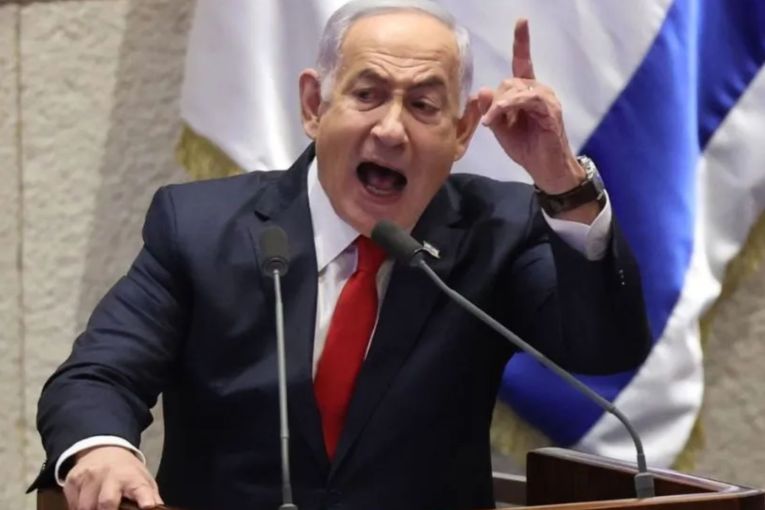
Netanyahu to remain caretaker PM after election
About 500,000 absentee ballots remain to be counted in Israel’s general election, with no clear winner expected to emerge.
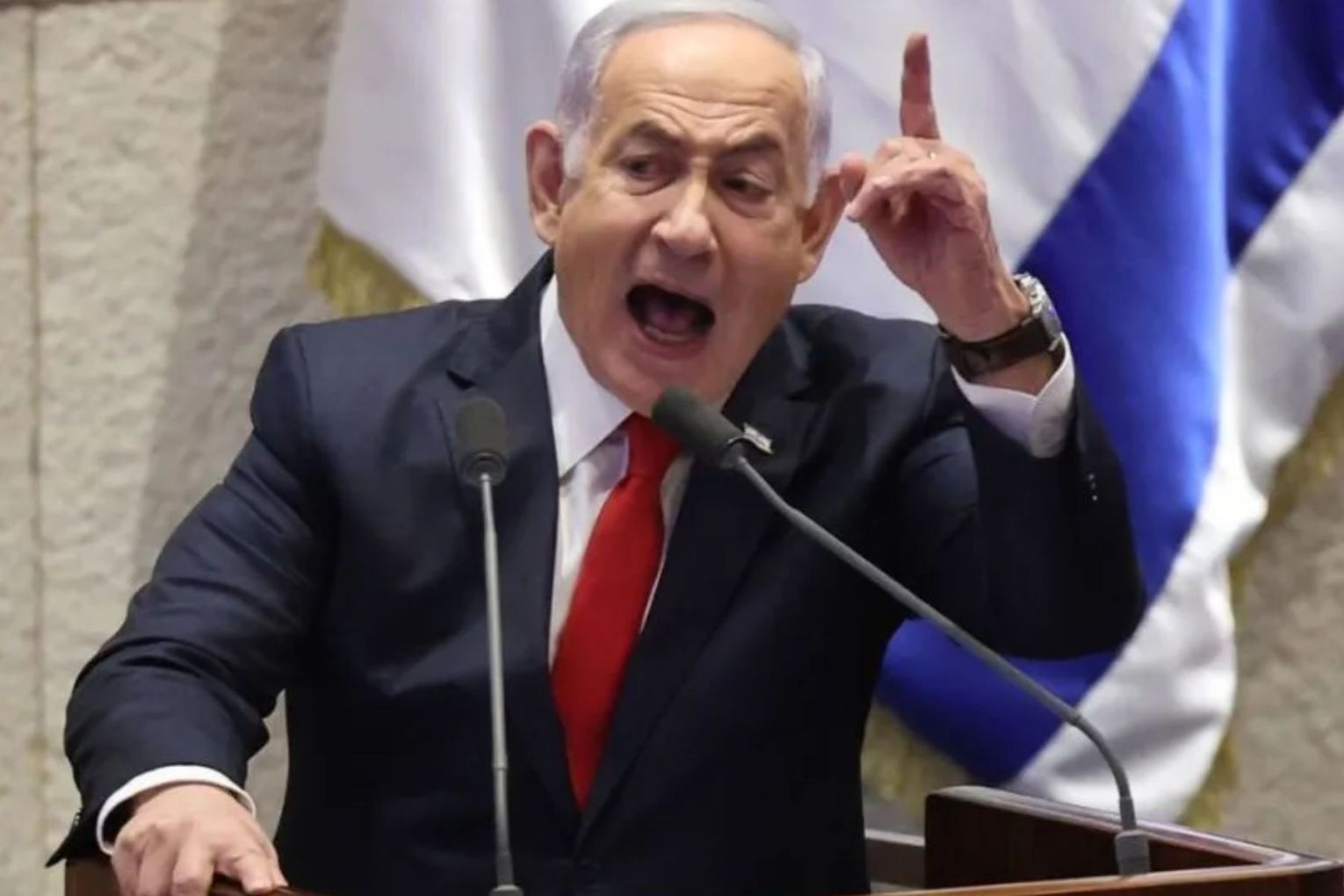
Israelis are braced for perhaps weeks of political uncertainty after an election that has challenged Prime Minister Benjamin Netanyahu’s grip on power and raised the almost unthinkable possibility of some Jewish and Arab parties uniting to try to unseat him.
Final results in Israel’s election could come as early as Thursday night (local time) although no clear winner is expected to emerge.
With nearly 86 per cent of votes tallied on Wednesday, Israel’s three main broadcasters projected Netanyahu’s bloc of conservative, religious and ultranationalist parties would win 53 seats in the 120-seat Knesset, well ahead of the 48 for rival Gadi Eisenkot’s opposition bloc.
Parties representing Arab Israelis were projected to win an unprecedented 19 seats, leaving Eisenkot little realistic path to power without their broad backing, which many Jewish political leaders reject.
Issues around the Palestinians and their descendants remain sensitive, and Israelis are already renewing a debate about the identity of the country founded as a state for the Jewish people.
You might like


On Wednesday, Netanyahu warned against a “dangerous government” that might include Arab parties, whose constituents make up 20 per cent of Israel’s population.
The results could still change as counting continues but Eisenkot’s bloc of anti-Netanyahu parties has fallen short of pre-election polls that forecast a tight race.
Netanyahu would remain caretaker prime minister during any coalition negotiations and potentially until another election next year.
While a caretaker government faces some constraints, experts say it retains powers including over the war with Iran.
Stay informed, daily
Guy Lurie, a research fellow at the Israel Democracy Institute, said a caretaker government formally had the same powers as a regular government but also “a duty of restraint” and less discretion in some areas.
Even as it leads in the vote count, Netanyahu’s Likud party claimed that Tuesday’s election was “stolen” by Arab parties and asked Israeli authorities to investigate.
It did not provide specific evidence to support its claims.
The elections committee has said that reports about irregularities were much lower than in previous elections.
Central Elections Committee control manager Elad Naveh said absentee ballots would be counted until Thursday night.
There are an estimated half-million of them from military personnel and diplomats. They are not expected to significantly change the results.
Nearly 78 per cent of eligible voters turned out for Israel’s first election since the attacks of October 7, 2023. It was the highest turnout since 1999.
Want to see more stories from InDaily SA in your Google search results?
- Click here to set InDaily SA as a preferred source.
- Tick the box next to "InDaily SA". That's it.