‘Chewed up and spat out’: Plan to slow feral foxes’ wanton killings
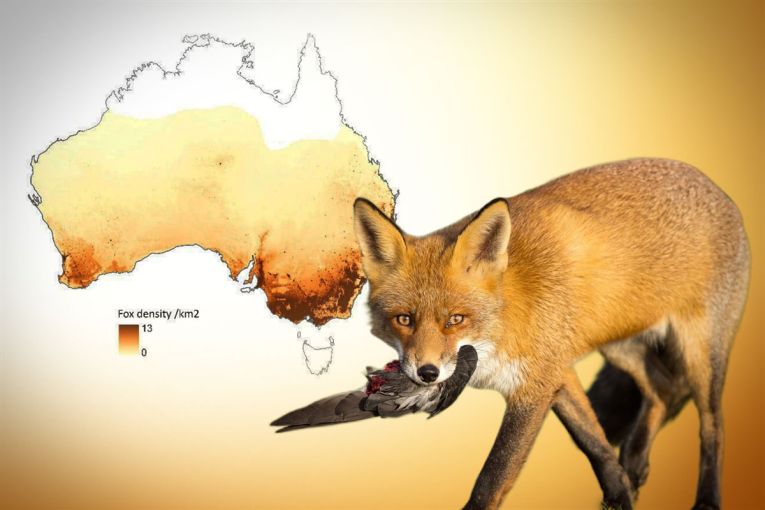
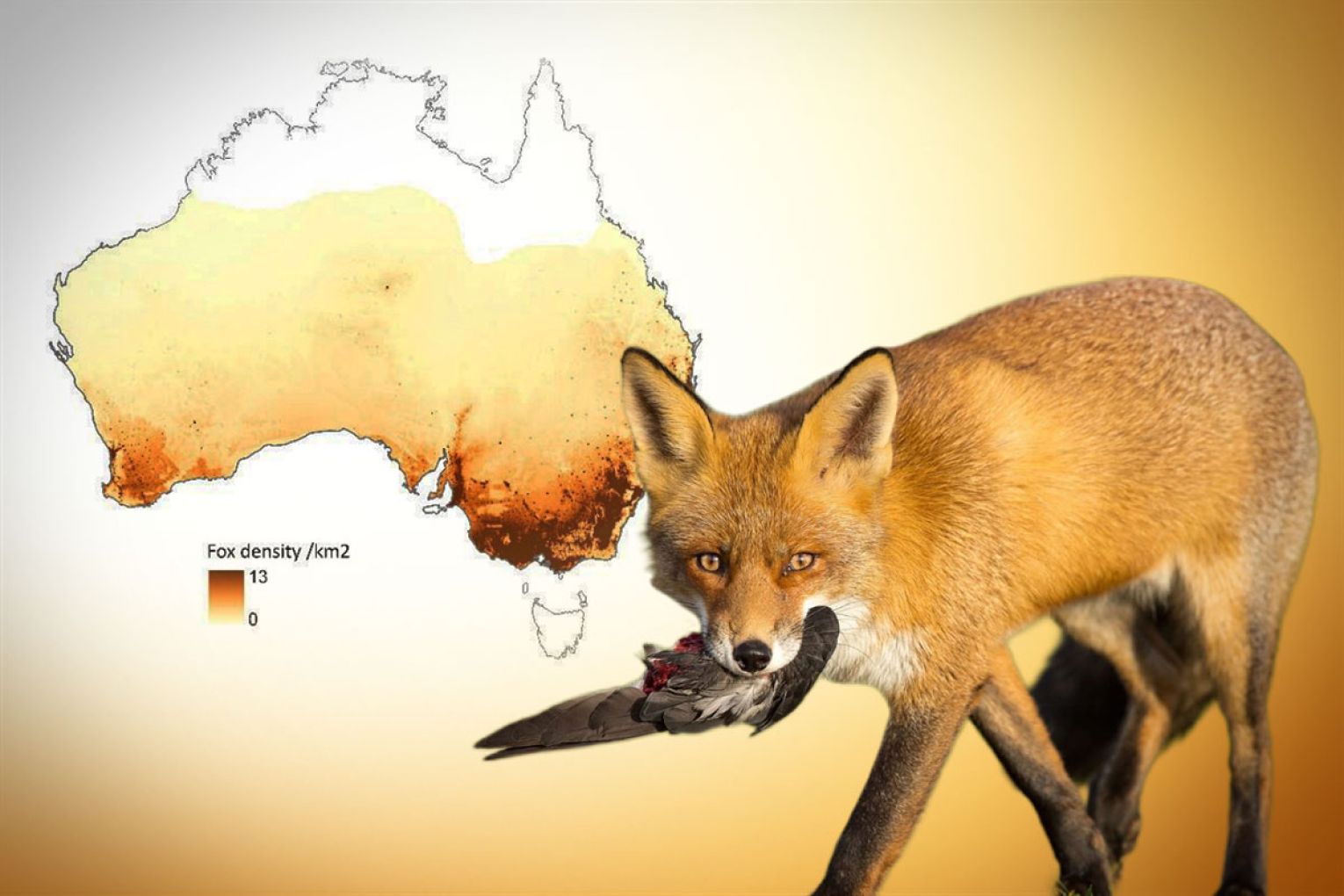
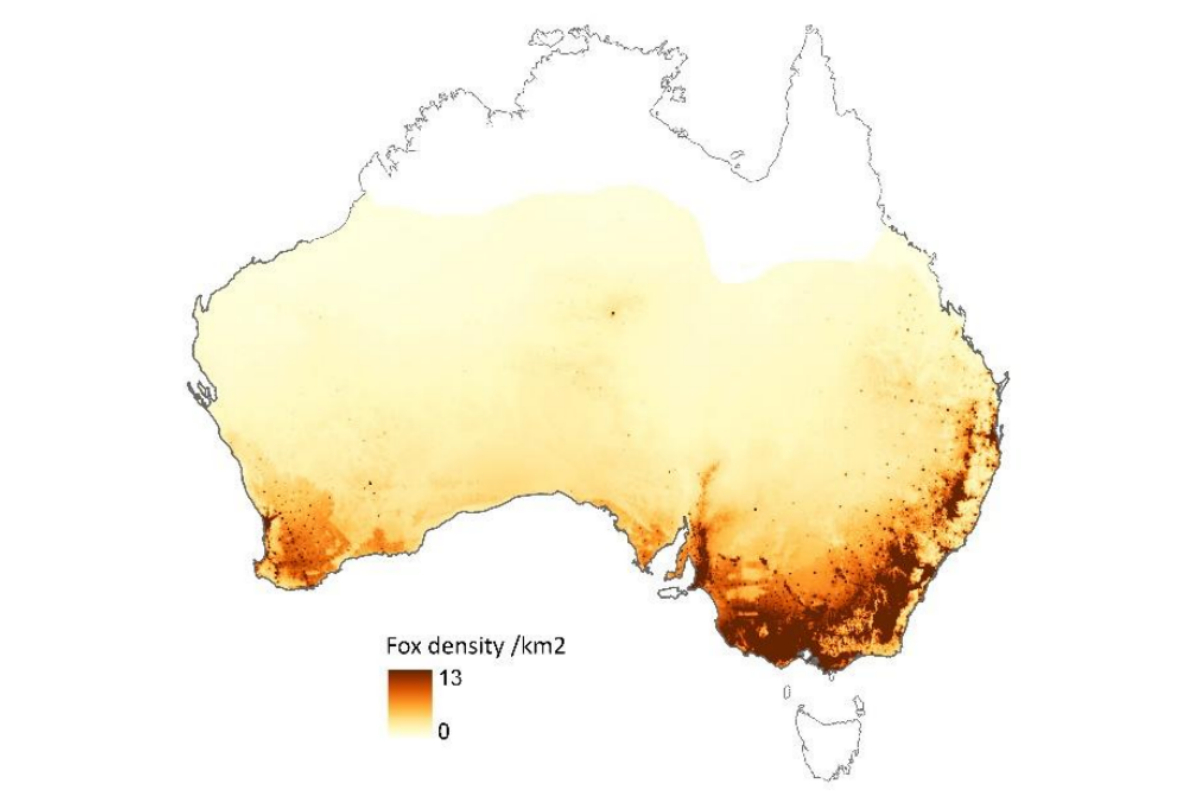
A tough new blueprint targets thousands of feral foxes wiping out native species, with up to 13 foxes now prowling each square kilometre on the Fleurieu Peninsula.
Invasive Species Council rewilding manager Rob Brewster is backing a new federal plan to slow the devastating impact of feral foxes on Australia’s native wildlife, having watched foxes and wild dogs cause the second extinction of eastern quolls from the mainland in real time.
Brewster was running a reintroduction programme in 2008 where he witnessed foxes and pet dogs “pick off” the last few remaining eastern quolls brought back to the mainland after 50 years.
“I’ve absolutely seen it firsthand – I’ve seen the devastation; I’ve seen animals chewed up and spat out and just lying in paddocks,” the environmental expert told InDaily, saying feral foxes have led to the extinction of some 40 species including the pig-footed bandicoot, desert bettong, lesser bilby and crescent nail-tail wallaby.
His comments come as a new national threat abatement plan for the introduced European red fox is released for consultation, showing parts of coastal South Australia have some of the highest densities of feral foxes in the nation. Regions in the Fleurieu Peninsula are home to up to 13 foxes per square kilometre.
“We’ve worked out over the past 20 or 30 years that conclusively, foxes and cats are the key driver of decline for most of our native mammals that weigh under 5.5 kilos,” Brewster said.
You might like

The federal Environment and Water Department released its plan for feedback this month outlining its national blueprint to control fox numbers using poisoning, trapping and shooting plus destroying dens and fumigation.
According to the 121-page draft, it “seeks to further advance the effectiveness and coordination of fox management across Australia with the aim of reducing their impacts on Australian threatened species and other components of biodiversity”.
Brewster said the new plan incorporates research by ecologists over the past decade that has ranked native mammals by the level of susceptibility to feral foxes, meaning managers could adopt different strategies to target the pest.
Stay informed, daily
“I do a lot of work in South Australia, and this strategy provides a real pat on the back to South Australia because it adopts so many things that South Australia is already doing,” he said.
This included programmes such as Marna Banggara on the southern Yorke Peninsula, where landscape-scale fox and cat control is being used to bring back native species like bettongs.
Brewster said knowing just how many feral foxes existed in Australia was “the million-dollar question”, with no data available, but the new plan said that in 2022, national numbers were estimated to be 1.7 million.
The SA Environment Department referred InDaily to the Hills and Fleurieu Landscape Board, where a spokesperson said that statewide population estimates were not available.
But baseline monitoring undertaken on the Eyre Peninsula estimated there were about four to eight foxes per 100 hectares in rural agricultural and remnant vegetation areas.
In urban areas, the density of foxes can be “significantly” higher due to availability of food sources and “reduced broad-scale control activities”, the spokesperson said.
“These indicators show that fox numbers can vary significantly across South Australia depending on habitat, food availability, seasonal conditions and management activities,” she said.
The spokesperson said that alongside preying on native wildlife, foxes also impact primary producers by killing livestock and poultry, as well as spreading parasites and diseases, and spreading weeds by transporting seed in their scats.
Brewster said foxes were known for killing everything in their vicinity rather than just killing what they needed to eat. Theories for the practice include dominating a territory and removing food resources for other foxes, he said.
“It’s the one thing that I can’t control in the landscape effectively – to a degree, you can manage and mitigate fire; foxes are one of those things that are out there 24 hours a day, seven days a week, causing absolute destruction,” he said.
“Even with all the current tools we have, we are struggling to effectively manage it, and that is only made worse when you don’t have dedicated funding streams at federal, state and territory levels to assist with that on-ground deployment of fox management resourcing.”
Want to see more stories from InDaily SA in your Google search results?
- Click here to set InDaily SA as a preferred source.
- Tick the box next to "InDaily SA". That's it.