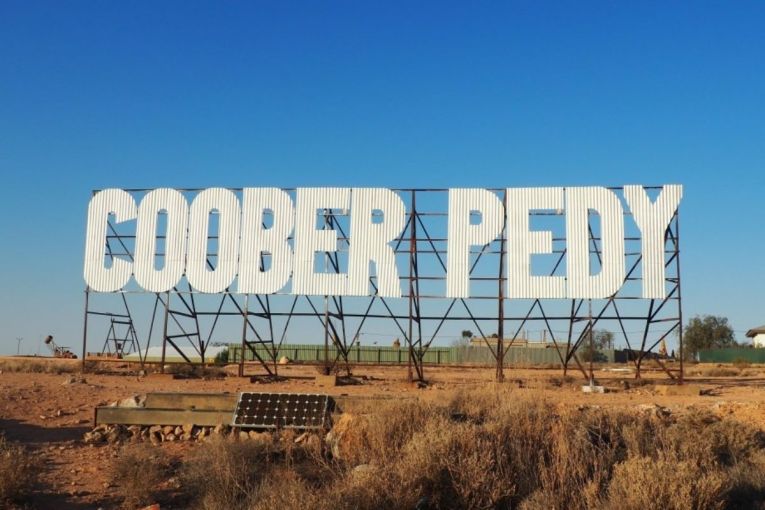
New Dog Fence on track as livestock attacks down but not out
A multimillion-dollar rebuild of South Australia’s dog fence aiming to protect our $4 billion livestock industry is on track but one part of the state is still struggling with attacks from the wild animals.
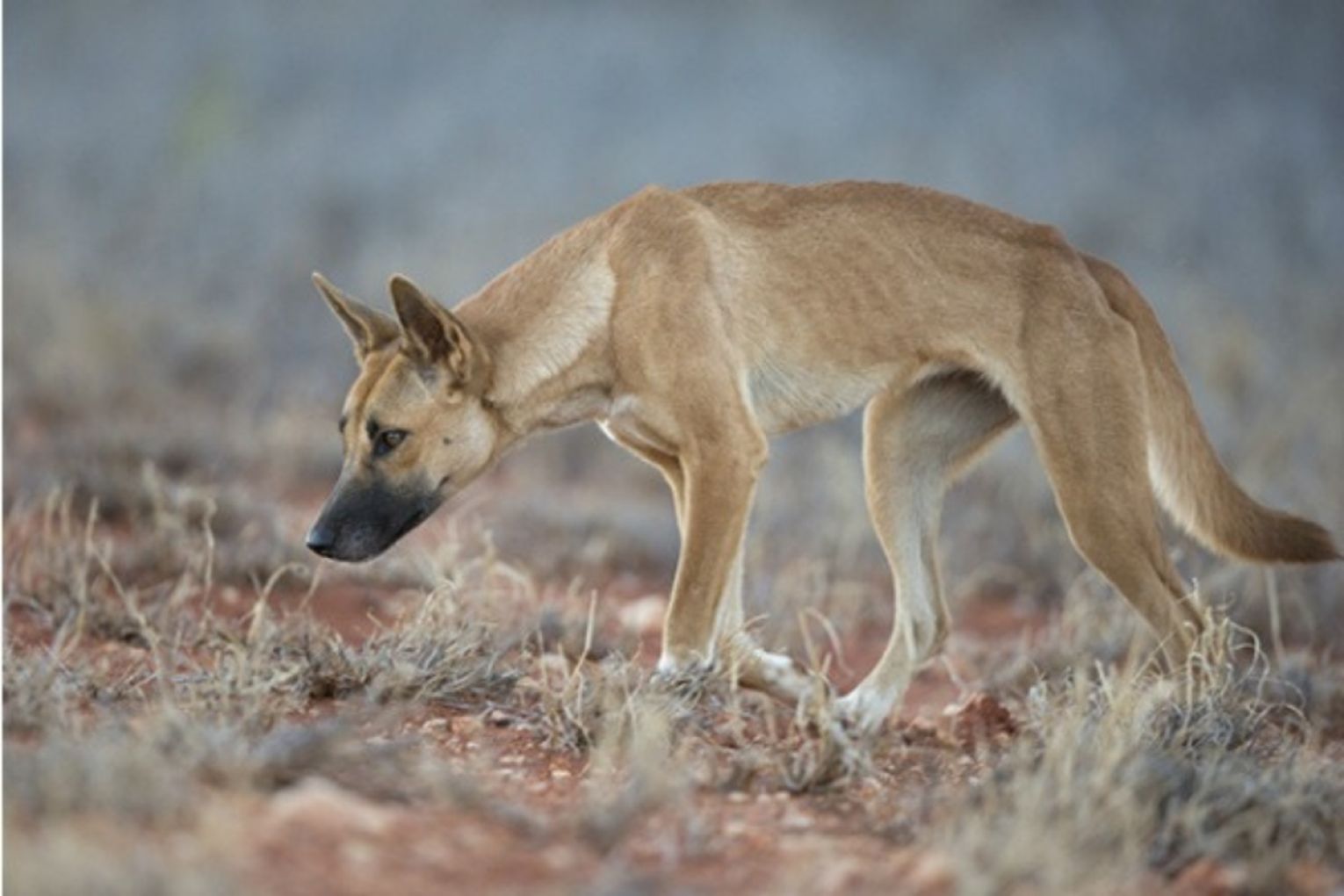
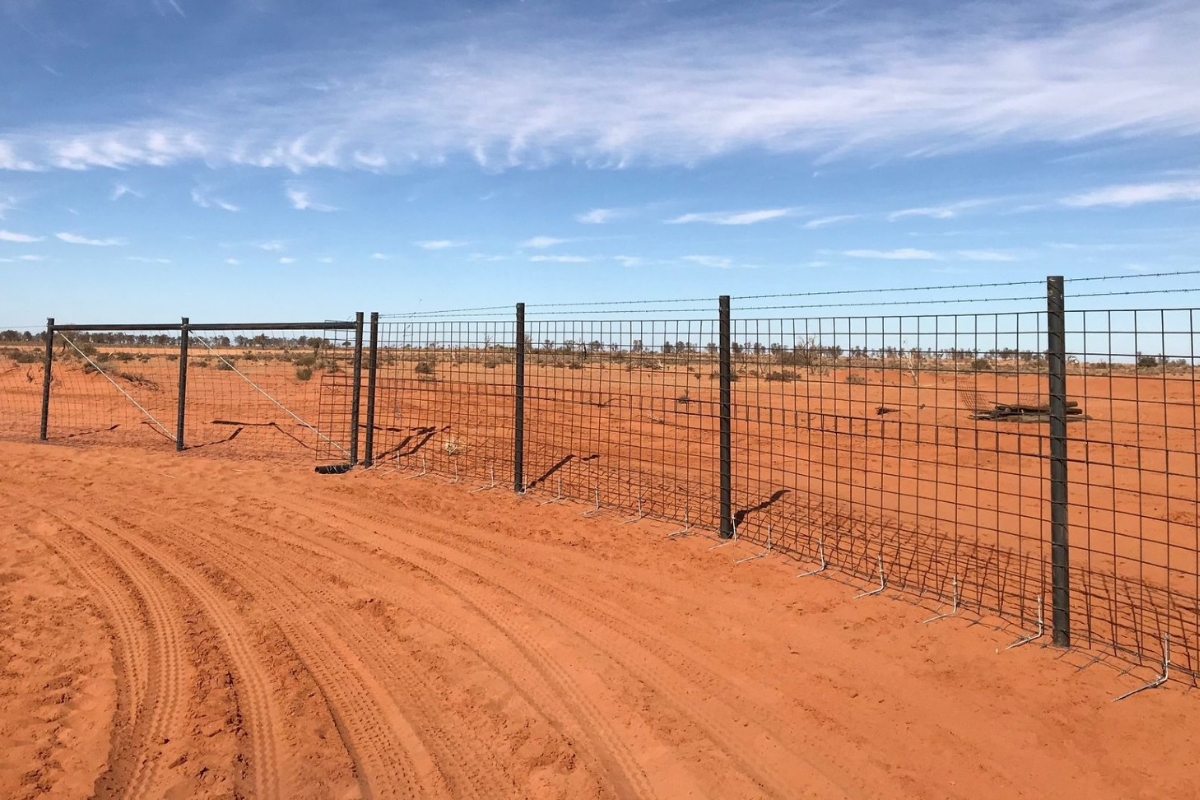
The state’s Dog Fence Board Annual Report tabled in the SA Parliament last week shows 1074 kilometres of the 2150 kilometre-long fence has been rebuilt since work started in 2019-20, with the remaining 526 kilometres either underway or under contract.
Former Livestock SA president, Dog Fence Board chair and grazier Geoff Power, who runs about 2000 Merino sheep 40 kilometres east of Orroroo, said he had personally experienced wild dog attacks on his livestock and that it was an important frontline for protecting animals.
He said wild dogs killed and maimed livestock for fun, ripping out their innards, with some sheep left walking around “with their innards hanging out” and needing to be euthanised.
“It’s very confronting. It has a huge effect on the mental health of landholders, and, you know, ‘How do you sleep at night when you know that that’s going on?’,” he said.
Power said the board was on track to complete 1600 kilometres of the fence by June 30, 2026, adding that sections were over 100 years old and were well past their lifespan.
He said wild dog attacks caused a major threat to the state’s $4 billion livestock industry, but said the government’s SA Wild Dog Management Strategy 2023-2033 had been largely successful in northern South Australia.
However, he said that wild dog attacks remained a problem in the state’s upper south-east and that reducing attacks was a constant monitoring exercise.
“We’ve been able to reduce wild dog attacks (in northern South Australia) from around 1000 a year back in 2017/18 to 65 a year now,” he said.
You might like


The board report tabled in parliament said the fence was meant “to secure and enhance the sustainability and profitability of South Australia’s $4 billion livestock industry by fostering collaboration to protect the pastoral sheep zone from wild dog incursions, safeguarding the state’s 11.4 million-head flock, and supporting resilient farming communities”.
The rebuild project, which started in 2019-20 and was budgeted for $29 million, was scheduled for completion in mid-2026 with economic benefits of up to $113 million over the next 20 years.
According to the SA Primary Industries and Regions Department (PIRSA), in the past financial year, 60 wild dogs were removed from pastoral stations and national parks inside the Dog Fence.
A PIRSA spokesperson said it was a contrast to back in 2018 when wild dog attacks inside the Dog Fence were common, with 20,000 sheep targeted each year, as well as native wildlife.
She said that in 2018/19 and 2019/20, a government and industry-funded trapping program removed between 300 and 350 wild dogs each year.
“Together with significantly increased baiting programs in those years, which are estimated to have removed more than one thousand wild dogs in each of those years, the trapping and baiting programs significantly reduced wild dog populations in the pastoral areas of South Australia,” she said.
However, the spokesperson said there had been a sharp increase in wild dog sightings and attacks on livestock in the Ngarkat Conservation Park and adjoining farms in the southeast of South Australia.
“These wild dogs are incursions from Victoria, where the state government protected wild dogs in 2024,” she said.
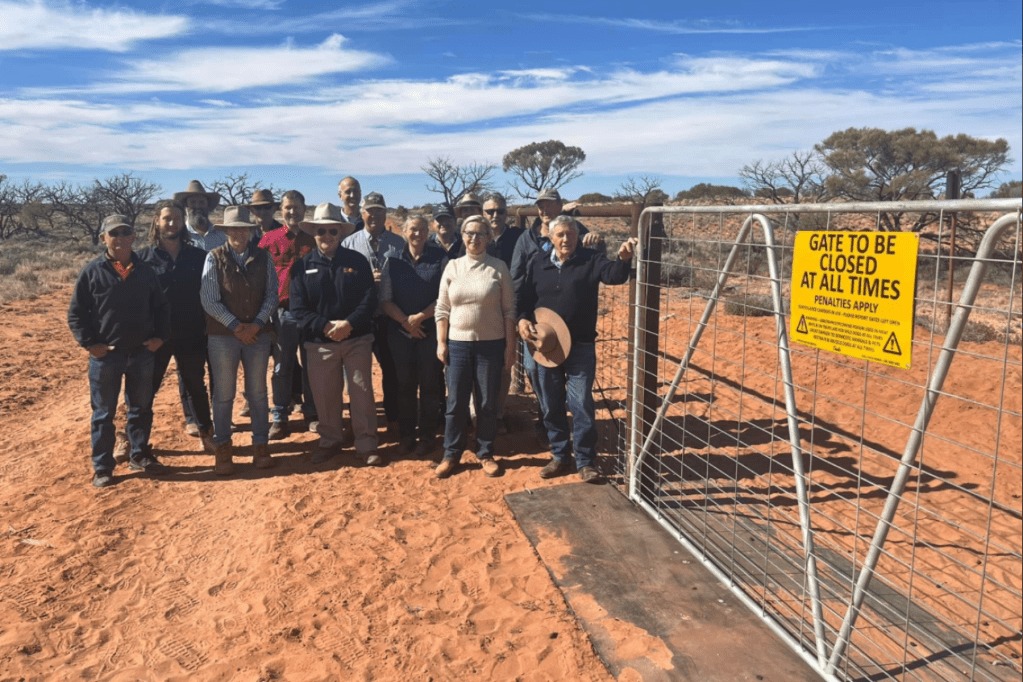
Primary Industries Minister Clare Scriven said in 2023 that the wild dog management strategy “prioritises work to achieve a once-in-a-generation opportunity to eradicate wild dogs from inside the Dog Fence”.
Stay informed, daily
“The eradication of wild dogs inside the Dog Fence is a priority for the State Government because they threaten the sheep industry, which employs 15,000 South Australians and has a value chain worth $1.3 billion annually,” she said.
Professor Euan Ritchie, who is a wildlife ecologist and conservation biologist at Deakin University in Victoria, had concerns about the Dog Fence, saying that the term wild dog was misleading.
He said that the vast majority were genetically dingoes and that true hybrids between dingoes and domestic dogs were rare.
“If you talk about lethal control of dingoes, that’s fairly unpalatable to many people in the public. If you talk about controlling feral dogs or wild dogs, people would think that that’s probably okay compared to dingoes,” he said.
Ritchie has been researching dingoes since 2008 in a range of different locations across Australia, including at Ngarkat Conservation Park in South Australia’s south-eastern corner.
He said that South Australia has the most “draconian” laws to control dingo populations in the country, labelling them “extreme” and claiming that the number of sheep killed by dingoes was often overstated in the media.
“Dingoes have been around for thousands of years. They perform a really important role in the landscape, particularly controlling numbers of herbivores, be that feral goats, feral pigs in some cases, but also, of course, kangaroo and wallaby populations,” he said.
Ritchie said that the Dog Fence also creates a barrier for wildlife that needs to move through the landscape, particularly as climate change causes more extreme weather events such as prolonged droughts.
He said it affects species ranging from kangaroos to emus, echidnas, turtles and larger lizards.
“If animals can’t move from one location to another to find more suitable areas because there’s a big barrier fence in the way, and that can, of course, cause their death,” he said.
“Some animals will choose to try and jump over or go through the fence and get caught on the fence and die.”
Ritchie said that First Nations’ voices are often also missing from the debate, saying that the animal was culturally important to Aboriginal people and, in some cases, was treated as kin.
“I think it is really odious that the government does not consult with First Nations peoples about a species that’s culturally so important to them,” he said.
“I think in a broader sense, not just in South Australia, but in other parts of Australia, it speaks to a colonial legacy that very much favours a European mindset and values over cultural and environmental considerations.”
He said there was a role for smaller amounts of fencing to protect livestock from dingoes, but that the use of guardian animals such as donkeys and dogs was more effective.
Want to see more stories from InDaily SA in your Google search results?
- Click here to set InDaily SA as a preferred source.
- Tick the box next to "InDaily SA". That's it.