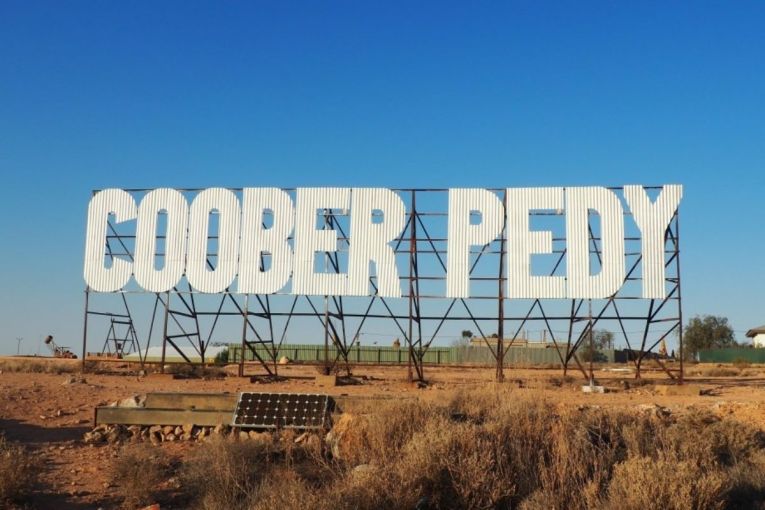
Fresh Eyre Peninsula plan to tackle worrying feral deer and fox numbers
Feral deer are listed as growing problems in the state’s south west in its latest land management plan. One environment expert says the algal bloom’s impact is also an issue and outlines an important coastal discovery.
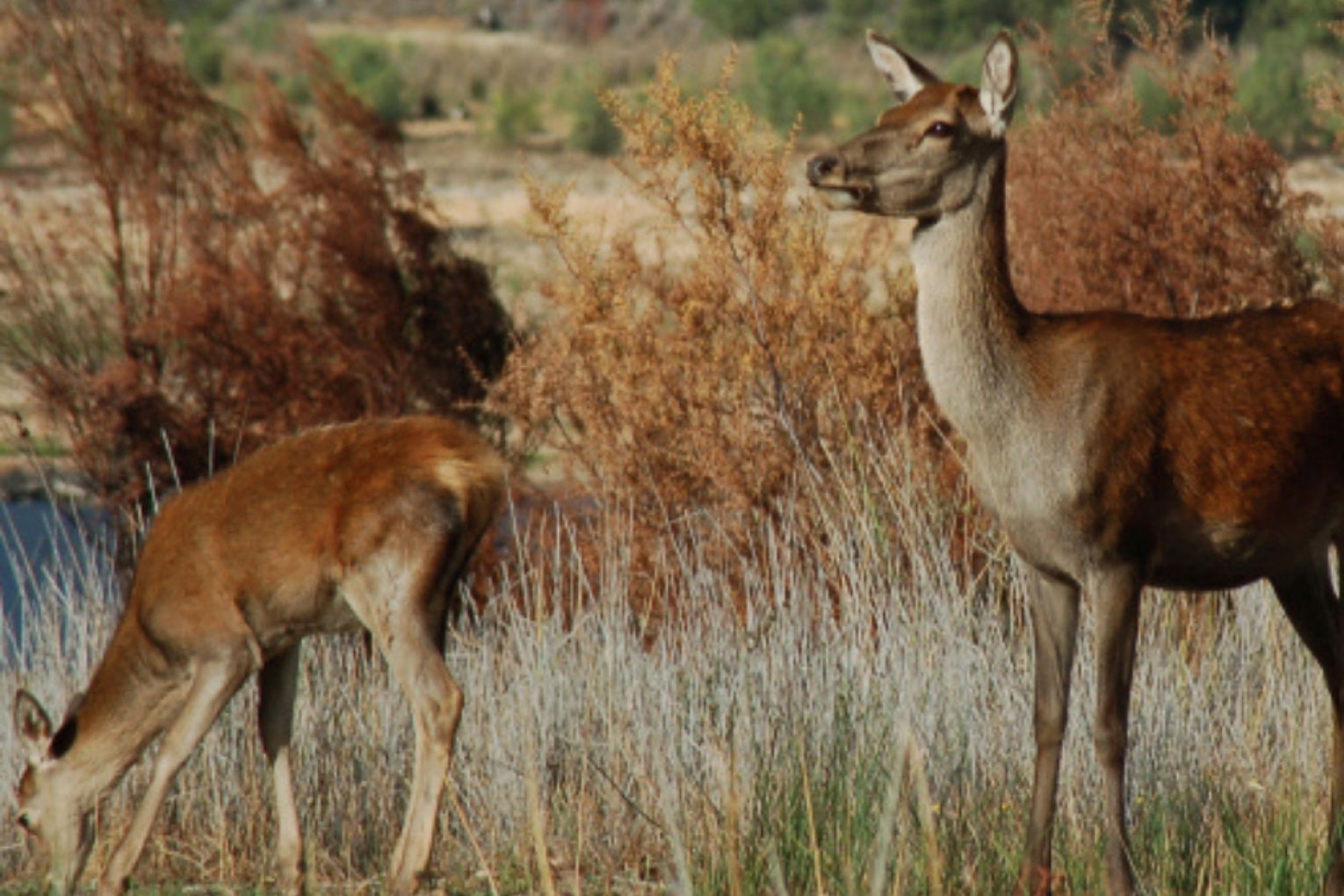
A new plan aims to tackle problems with feral animals on the Eyre Peninsula, with the local landscape board leader saying feral deer and goats were a focus in an updated management plan for the region.
Eyre Peninsula Landscape Board general manager Jonathan Clark said while the area did not have the same large deer populations affecting the Limestone Coast, he was concerned that the region’s “satellite populations” could turn into a major issue.
“Feral deer have a range of impacts on farms, and they’re actually a road safety concern as well,” he said.
Recent data showed feral deer were introduced to Australia in the 1800s and 1900s and have surged to between one and two million across the nation over the past two decades. They destroy native plants and contribute to erosion, competing with native wildlife and livestock for food.
Meanwhile, feral goats are becoming a larger problem for Eyre Peninsula, with Clark saying populations that traditionally lived in arid parts of the state are migrating to the region.
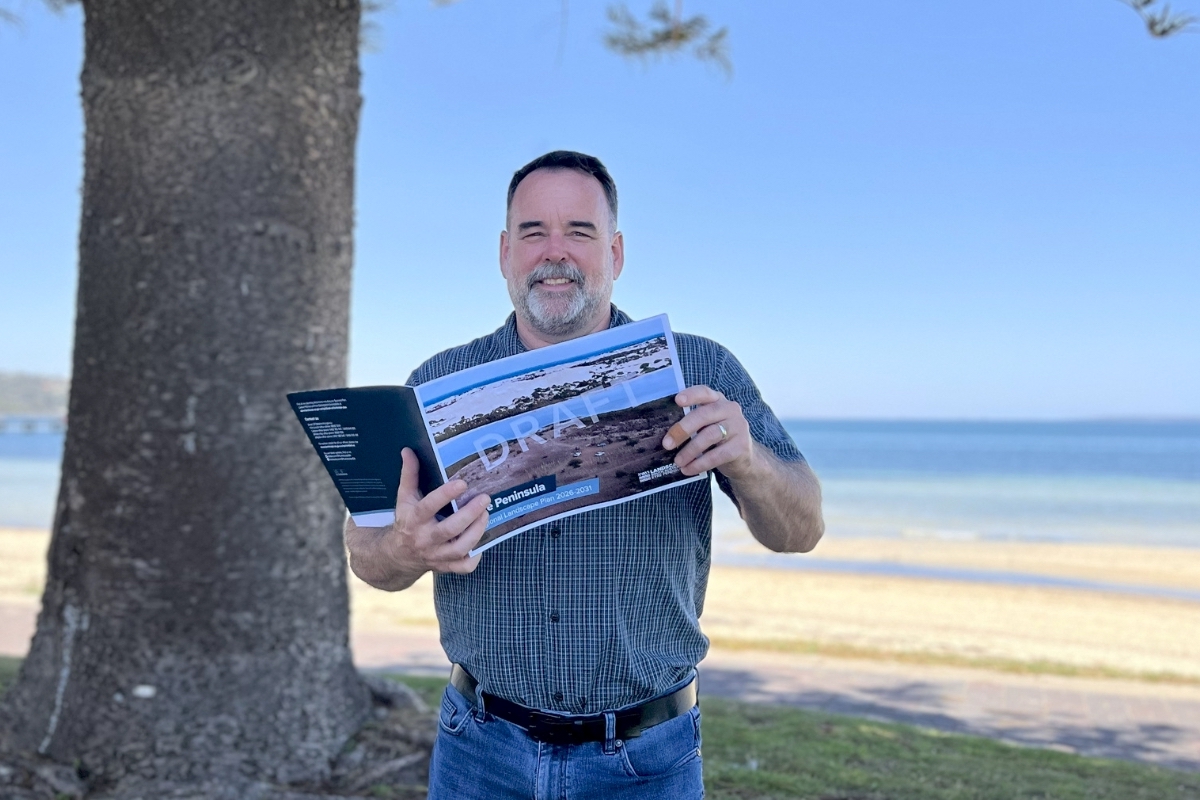
The Eyre Peninsula Landscape Board is currently seeking feedback on its updated management plan, with a renewed focus on controlling the animals, along with protecting coastal landscapes and dealing with the impacts of climate change.
Clark, who has been general manager of the board for the past five years, told InDaily that there were five priorities of the updated plan: water, primary production, land and coastal biodiversity, pest plants and animals, and collaborations and partnerships, including with First Nations communities.
You might like


“Some of the things that we notice on the Eyre Peninsula are obviously during dry periods or droughts, the impact on our agricultural landscape is fairly acute,” he said.
“It’s a challenge for farmers to maintain soil cover, to prevent wind and water erosion in their paddocks, which can undo years and years and years of developing and maintaining productive soils.
“Several years ago, the north and eastern part of our region and into the arid lands was impacted by unprecedented floods around this time of year … and we’re seeing more and more of those unpredictable, extreme weather events.”
One priority of the landscape board was addressing the impact of pest animals and plants, with the worst culprits being feral deer, foxes, rabbits and goats, as well as buffel grass.
Clark said there was no longer an issue with wild ponies in the Coffin Bay National Park area after they were tackled over the past decades.
“We work with landholders to encourage baiting programmes for foxes. Obviously, foxes prey on lambs and also many native species,” he said.
Buffel grass was a serious bushfire risk and competed with native plant species.
Stay informed, daily
“A few years ago, there were some significant bushfires up in the Northern Territory which were fuelled primarily by buffel grass,” Clark said.
Other priorities included primary production, land and coastal biodiversity and water allocation “because SA Water rely on our groundwater resources for a significant proportion of our region’s main water supply”.
“We have an important role in working with landholders to reduce the risk of land degradation through erosion and also protecting the region’s valuable soils, which are so critical in supporting the economic activity in our region,” he said.
“In partnership with the Australian government, we deliver programmes looking to protect, enhance and support important threatened species and ecological communities.”
Professor Andrew Lowe, who is director of the Environment Institute at Adelaide University, said that marine systems, including the impact of the harmful algal bloom, were also issues facing the region.
He said there was a “significant” opportunity to restore native oyster and shellfish reefs, while onshore, Eyre Peninsula reserves play an important role for bird populations and maintenance.
“The coastal systems at the tip of Eyre Peninsula are really important – Coffin Bay – and there have been some really important native oyster reefs that have been rediscovered within the region,” he said.
Lowe said the plan was about balancing the needs of agricultural production “and finding room for nature”, saying he thinks the updated plan “gets that balance right”.
“Obviously, the Eyre Peninsula is a highly productive landscape; there’s a lot of canola and wheat that’s grown across the peninsula, but then that means there’s a lot of clearance of remnants and native habitat, so maintenance and bolstering of those native areas are going to be required to stop further extinction,” he said.
The board said the plan was developed following an extensive review process, including workshops with local government representatives and two Healthy Country Conferences for the Aboriginal community.
A public consultation period on the draft plan will close on February 15, after which the final plan will be presented to Environment Minister Lucy Hood for approval, with the plan expected to be implemented from July 2026.
Want to see more stories from InDaily SA in your Google search results?
- Click here to set InDaily SA as a preferred source.
- Tick the box next to "InDaily SA". That's it.