’50 flights cancelled in three weeks’: Middle East war takes toll on SA tourism industry
Dozens of flights into Adelaide and extensive bookings from international travellers are being cancelled as fuel price hikes also take their toll on the local tourism industry.
War in the Middle East was triggering multiple impacts on South Australian tourism operators, according to the Tourism Industry Council of South Australia (TiCSA) CEO Shaun de Bruyn.
“The war in Iran is having multiple impacts. Firstly, international guests coming to South Australia,” de Bruyn said. The council is the peak body for the SA tourism industry and represents more than 1100 members.
“Secondly, the price hike in fuel and the uncertainty around where that’s going to go means that people reconsider, particularly leisure travel, which is discretionary travel.
“So, it has a knock-on impact on many thousands of tourism businesses across the state.”
He said the initial impact was caused by a disruption of air services passing through Dubai and Abu Dhabi, which led to the cancellation of flights from the United Kingdom and Western Europe.
Several SA tourism businesses with international guests coming in had bookings cancelled or postponed, he said.
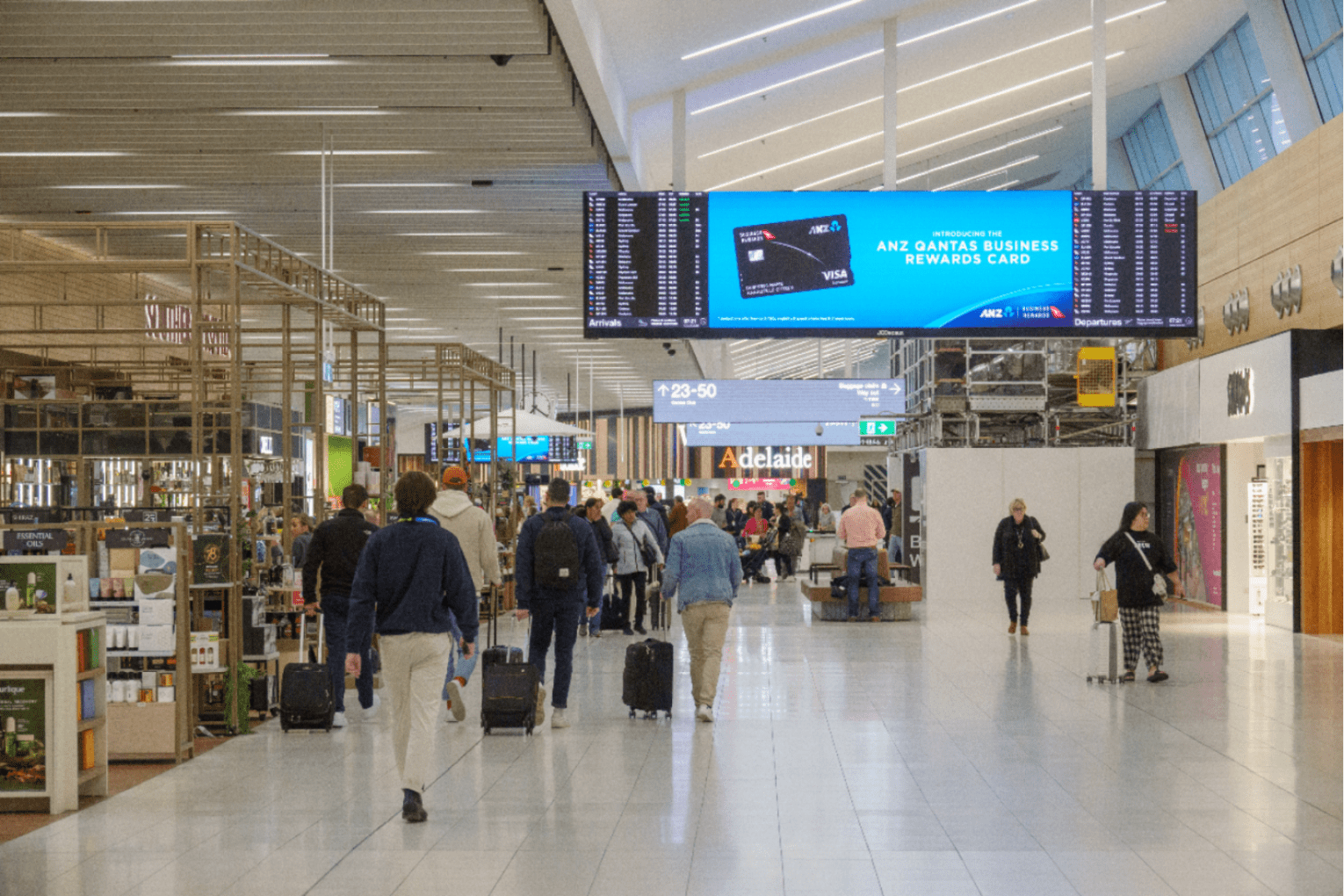
An Adelaide Airport spokesperson said that about 50 Emirates and Qatar Airways flights – both arrivals and departures – had been cancelled since the end of February, with no other airlines impacted.
InDaily understands that some affected passengers travelling to Europe have been rebooking on other airlines, mainly travelling through Southeast Asian airport hubs.
You might like


Long-term tourism operator Dallas Coull said his businesses had been affected by numerous cancellations, and fuel prices were hitting the business hard.
Coull owns See Adelaide & Beyond, Taste the Barossa, Taste the McLaren and Great Ocean Road & Beyond, which, prior to Covid-19, mainly catered for international visitors but were now primarily used by domestic tourists.
“We’ve had a number of cancellations on our Ocean Road Tours and also our Kangaroo Island Tours, which are high-priced multi-day tours, which hurts obviously, quite dramatically,” he said.
“And of course, the huge increase in fuel has hit us pretty hard, so from a tour operator perspective, it’s a little bit of a double whammy, really.
“If it lasts much longer, it could really have a massive impact on tourism.”
Coull said the emotional toll had been particularly challenging for his family.
“You’re in tourism because you’re passionate about it … It seems to be two steps forward, one step back at the moment, which does take its toll on a family business.”
Coull was hopeful about the resilience of the tourism industry, having bounced back after other challenges such as SARS, September 11, Covid-19 and the algal bloom.
“You don’t do this unless you’re a glass-half-full person, so I am very optimistic about it,” he said.
Stay informed, daily
“But it doesn’t stop you from being concerned about it and doesn’t stop you from riding this emotional roller coaster, which at the moment seems to be on one of its big dips.”
De Bruyn said Kangaroo Island, where a third of visitors are from overseas, had been particularly affected.
“We’ve received lots of reports out of Kangaroo Island about people not being able to get to their bookings because of the aviation issue,” he said.
Another accommodation provider in the Adelaide Hills was affected after a group of tourists from Europe had its flights delayed by two days.
Domestically, de Bruyn said that spikes in the price of fuel were having the biggest impact, saying most tourist spots in SA were reached by car.
“People are worried about, ‘Are they going to have fuel?’. They are worried about how much it’s costing them,” he said.
“Some people are doing big, grand tours of Australia that last several months – they reduce their discretionary spend to pay for the additional cost of fuel.
“Then people who are planning those trips, that rely on vehicles to get them to and from, are reconsidering whether they can afford it, whether they’re comfortable still undertaking that trip.”
De Bruyn said that TiCSA was actively collecting information to understand the impact of the war and was communicating with the government on behalf of the tourism industry.
This included a roundtable later today to discuss the fuel price spike.
“At the moment, we’ve had many businesses contact us to talk about the disruption in their business, particularly with the aviation access issue, the fuel spike,” he said.
“We’re seeking information like everyone else to understand where that’s at.”
De Bruyn believed the situation would improve
“We love what we do, and we’ll continue to remain optimistic, hope for the best and plan for the worst.”
A government spokesperson said the majority of international flights into Adelaide connect through major Southeast Asian hubs, which were currently unaffected.
“We understand that carriers impacted by the situation, including Qatar Airways and Emirates, are assisting their customers with rebooking or refunds, and many travellers are choosing to continue their journeys with unaffected airlines,” she said.
“We will continue to work closely with industry bodies, Adelaide Airport, and other stakeholders to monitor the situation and ensure the government responds appropriately if needed.”
Want to see more stories from InDaily SA in your Google search results?
- Click here to set InDaily SA as a preferred source.
- Tick the box next to "InDaily SA". That's it.