‘Algal bloom of the desert’: Fears as weed spreads like wildfire
A “shocker” of a plant spreading across SA like never before is stoking fire risks and raising fears it could mow down the Flinders Ranges bid for a world heritage listing.
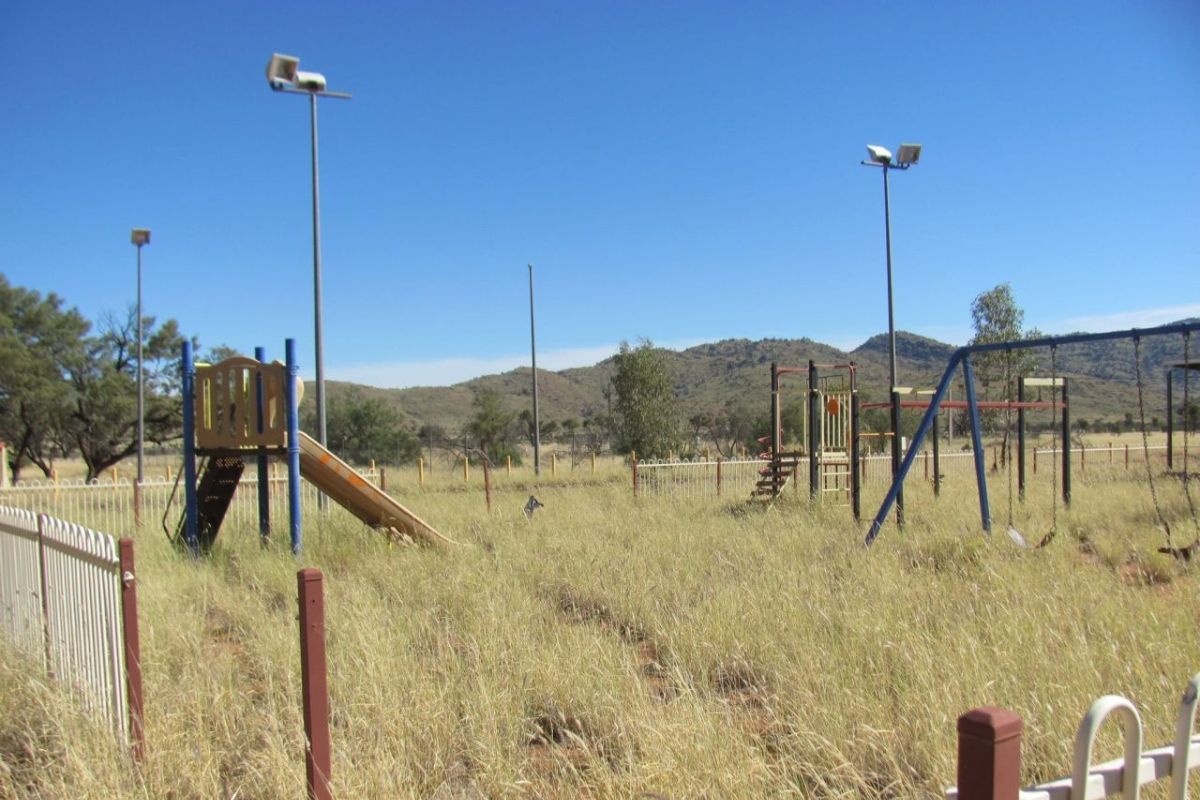
A highly invasive grass species known as buffel grass is having a “shocker of a year” and has spread to metro Adelaide in addition to covering the APY Lands and Port Pirie, the Invasive Species Council says.
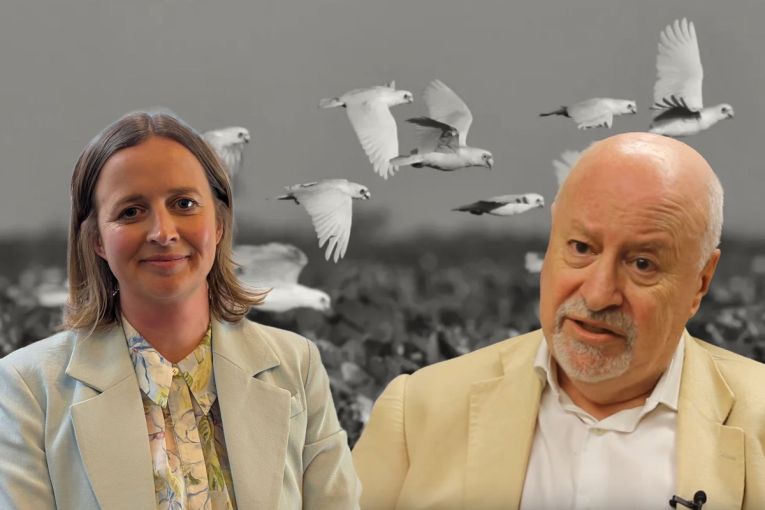
The council’s Senior Advocate James Johnston said the grass – which spreads at 400 seeds per head, overtaking native plants and poses a bushfire risk – is the “algal bloom of the desert”.
“We’ve seen areas where buffel grass has been treated a month prior and it looked like it was all dealt with and then the rains have come and it’s all back to where it was before,” Johnston said.
Johnston said buffel grass currently covers about 40 per cent of South Australia, with the largest affected area in the north near Port Pirie.
“You can actually see it right in between Port Pirie and the Flinders Ranges.
“The worrying thing is that the Flinders Ranges is going for world heritage listing of and with buffel grass easily not too far away from there, it could get blown into that world heritage listed area.
“We really don’t want that occurring.”
You might like

Johnston said the grass also travels through the state’s freight corridors because “it wouldn’t take much for one of those seed heads to get into a tyre or onto a train”.
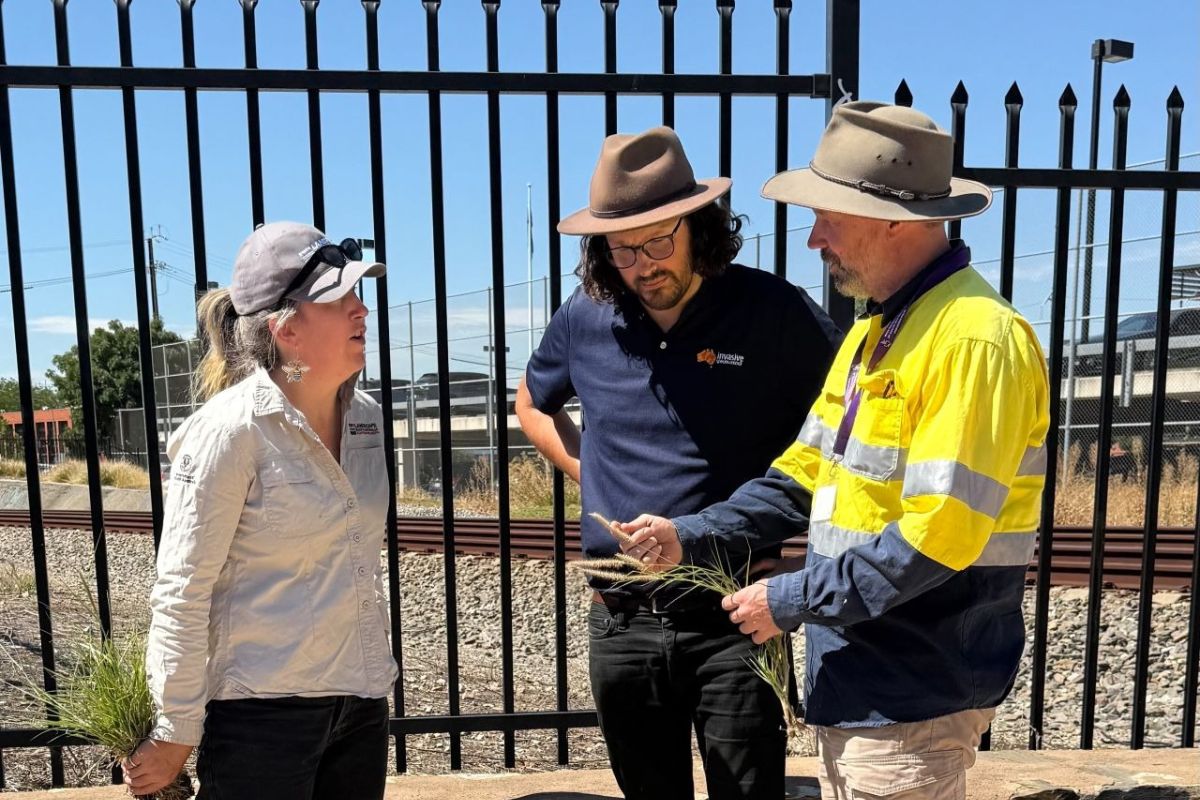
The Northern and Yorke Landscape Board confirmed buffel grass is present in parts of the Flinders Rangers region, with infestations along sections of Highway 1, roads and tracks, “but importantly it has not become established across the core areas of native vegetation”.
“Current efforts by landscape boards and partner agencies are focused on detecting and controlling incursions along roads and tracks before they spread further into environmentally significant areas,” a Landscape board spokesperson said.
“Early action gives us the best chance of protecting the Southern Flinders Ranges, one of the region’s largest continuous areas of native vegetation and important habitat for species including the threatened yellow-footed rock-wallaby, Woolcock’s spider orchid, and spiny everlasting daisy.”
The Flinders Ranges were nominated for a tentative listing as a World Heritage in 2022 and the bid features the region’s Nilpena Ediacara National Park which is home to 550-million-year-old fossil beds, some of the oldest in the world.
The Landscape Board said protecting the Flinders Ranges was “the highest priority”, with continuous monitoring and control programs including contracted spraying, dedicated staff to treat infestations and local farmers taking action before it becomes a fire hazard.
Stay informed, daily
Meanwhile, Green Adelaide confirmed the weed has been detected in Adelaide’s park lands, specifically around Pelzer Park / Pityarilla (Park 19), as well as other metro areas.
Biosecurity and Species Management Regional Coordinator Shannon Robertson said Green Adelaide and the Adelaide City Council were managing buffel grass in the park lands.
“It is also present on council-owned and private land in the Brompton and Bowden areas, where control efforts are being undertaken by councils and landholders,” Robertson said.
“Green Adelaide is also aware of an infestation at Outer Harbour, where Renewal SA and private landholders are actively managing the weed.
“As a declared weed, buffel grass poses a significant threat to native vegetation as it can rapidly outcompete native species and increases risk and intensity of fire.
“Green Adelaide is supporting a coordinated, state-wide approach to buffel grass management and is investing in surveillance to better understand the weed’s distribution across greater Adelaide, helping to inform future management and control efforts.”
Liberal shadow minister for primary industries and regional development Nicola Centofanti said the threat posed by the weed deserved “far greater attention from the South Australian government before it becomes a much bigger and more costly problem”.
“The concerns are not just environmental. Dense infestations can alter fire behaviour, threaten biodiversity and place additional pressure on land managers and regional communities,” Centofanti said.
Environment Minister Emily Bourke confirmed that a state coordinator role to manage the invasive plant has been continuously funded for the new financial year.
“South Australia was the first jurisdiction in the nation to make buffel grass a declared weed back in 2015,” Bourke said.
“The State Government recognises the serious threat buffel grass poses and has implemented a series of measures, including roadside control and field trials, increased surveillance by land management teams and supporting scientific research for ongoing management.
“The State Buffel Grass Coordinator role continues to be funded. The state’s response to buffel grass requires a coordinated approach and as such the role is transitioning into a cross-agency position, as called for by key stakeholders including the Alinytjara Wilurara Landscape Board and the Invasive Species Council.
“We continue to advocate alongside the Invasive Species Council for buffel grass to be listed as a weed of national significance.”
Want to see more stories from InDaily SA in your Google search results?
- Click here to set InDaily SA as a preferred source.
- Tick the box next to "InDaily SA". That's it.