Power shift: Australia could cut fossil fuel shocks
Investing in two renewable energy sources could help boost Australia’s fuel security, a study has found – but drilling for oil is no solution.
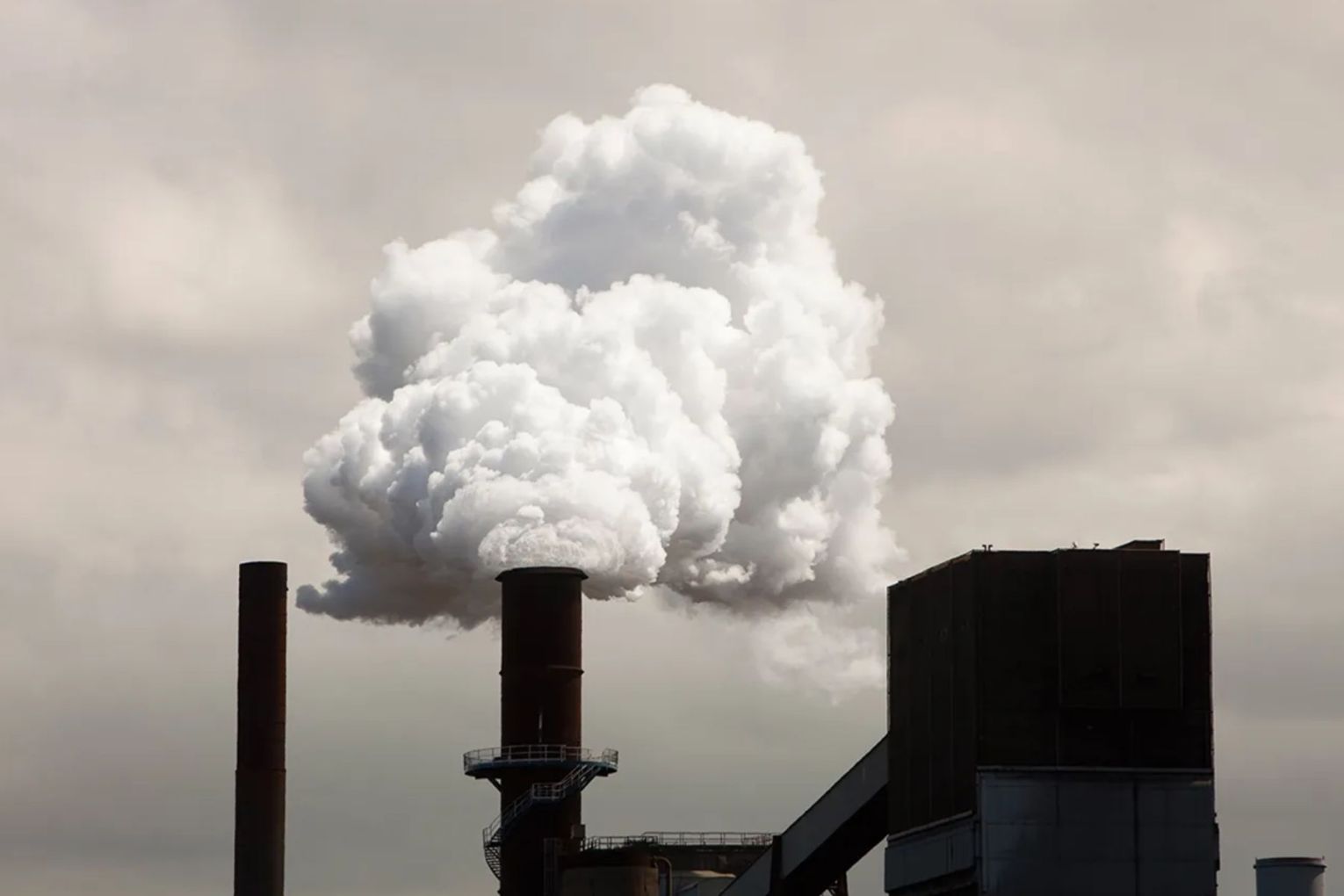
Australia could avoid future price shocks and slash its reliance on imported fuel by investing in two renewable energy technologies, a report has found.
But drilling for oil would do little to relieve the nation’s reliance on imports, it said, due to scarce resources and long production timelines.
The Superpower Institute released the findings on Wednesday from a study examining ways to improve Australia’s fuel security in the wake of shortages and price hikes caused by conflict in the Middle East.
The results come days after Viva Energy announced plans to supply sustainable aviation fuel at Brisbane Airport and Wildfire Energy secured a $2 million investment in its waste-to-fuels system.
The institute’s study, called How Australia Can Break Its Foreign Fuel Dependence, identified and analysed three pathways the nation could take to change its fuel security.
You might like

Researchers rated Australia’s current security level at 17 per cent based largely on its fuel stockpile (12 per cent).
But this figure could be lifted to 87 per cent by 2040 with investments in electrification and low-carbon liquid fuels.
Electrifying cars, trucks, mining equipment and agricultural machines would make the greatest difference, the report found, as it could add 14 per cent to fuel security by 2031 and 58 per cent by 2040.
Low-carbon fuels would take longer to make an impact, it found, but could add 15 per cent to Australia’s fuel security rating by 2040 and help to decarbonise industries such as aviation and maritime transport.
Stay informed, daily
Together, the renewable solutions could protect Australia from global fuel supply issues like those highlighted by the Hormuz crisis, Superpower Institute chief executive Baethan Mullen said.
“This is an opportunity that can’t be wasted,” he said.
“Targeting electrification, particularly of heavy vehicles, and incentivising low-carbon liquid fuel production in Australia is the smartest way to secure our energy supply so Australians no longer have to be worried about when and if they can fuel up.”
The report recommended five policy changes, including more support for battery-electric trucks, mandates for low-carbon fuel use and grants for first-of-a-kind fuel projects.
Increasing investments in domestic fuel production would not significantly boost Australia’s fuel supply, the report found, due to a limited refining capacity, scarce resources and long delays.
Suggestions that Australia could produce enough fossil fuel to meet demand were ill-informed, institute chair Rod Sims said, and failed to recognise the nation’s renewable resources.
“For those who say ‘drill baby, drill’, this is a borrowed slogan, not a strategy, and is wishful thinking by those who for whatever reason oppose using the renewable energy and biomass that Australia has in abundance,” he said.
-with AAP
Want to see more stories from InDaily SA in your Google search results?
- Click here to set InDaily SA as a preferred source.
- Tick the box next to "InDaily SA". That's it.