Thousands of tourists turned away as cuttlefish disappear from Whyalla
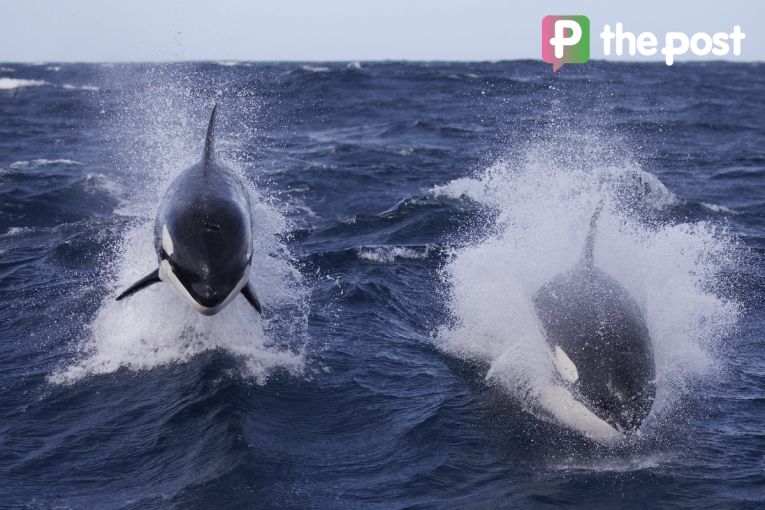
A regional centre is taking another blow after the disappearance of giant cuttlefish, leading to the cancellation of popular tours that bring in $1 million to the city each year.
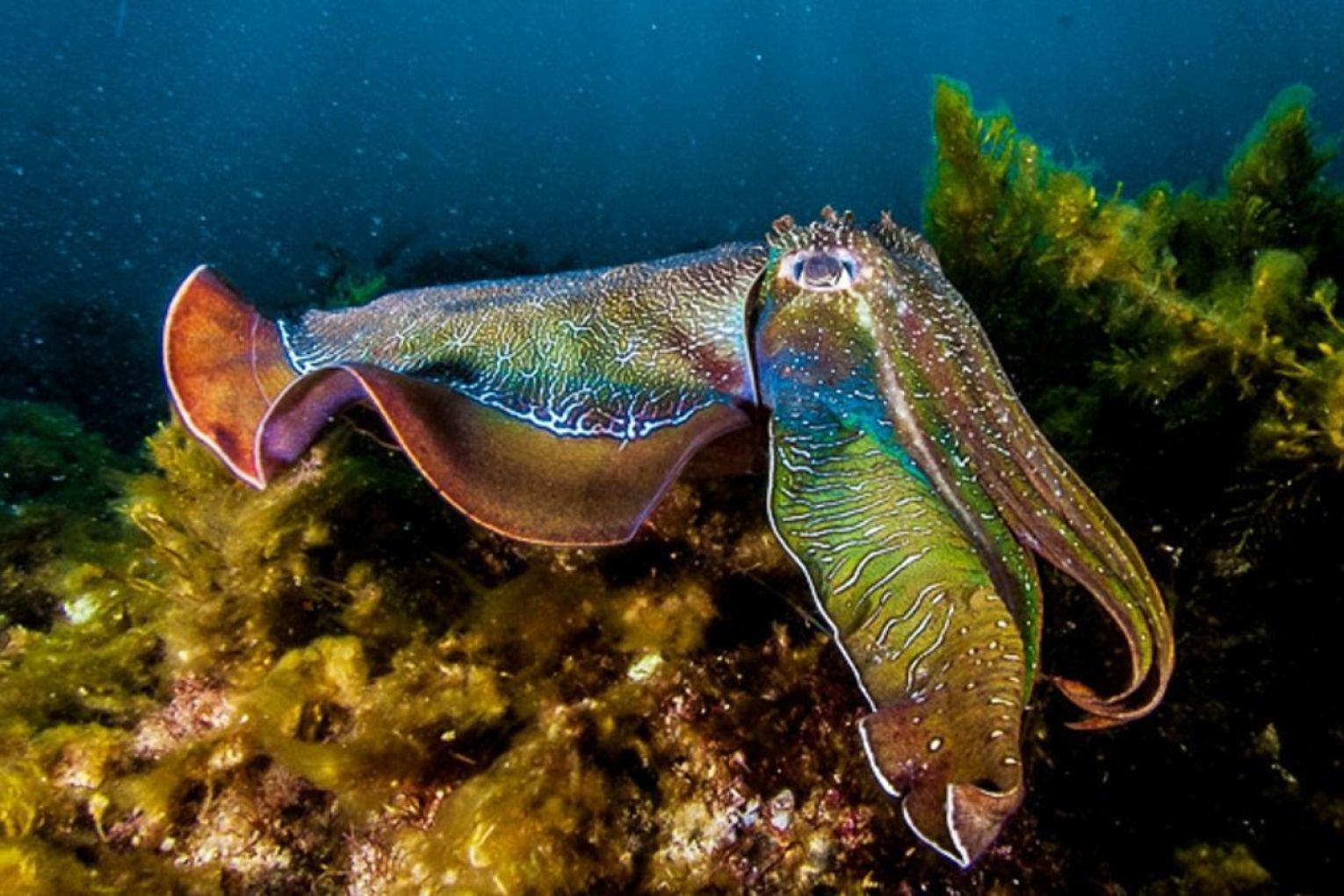
A Whyalla tourism operator has turned away thousands of people hoping to see the spectacular giant cuttlefish mating ritual, blaming the harmful algal bloom for causing the species to all but disappear from local waters.
Matt Waller, who is the owner and operator of Cuttys Tours and the Whyalla Dive Shop, said he had been unable to run a single tour at Point Lowly this winter, which would normally see up to 200,000 cuttlefish gather for the breeding season.
“I think it’s entirely to do with the algae bloom – I don’t think there’s anything else that’s changed or abnormal or weird or different,” he said.
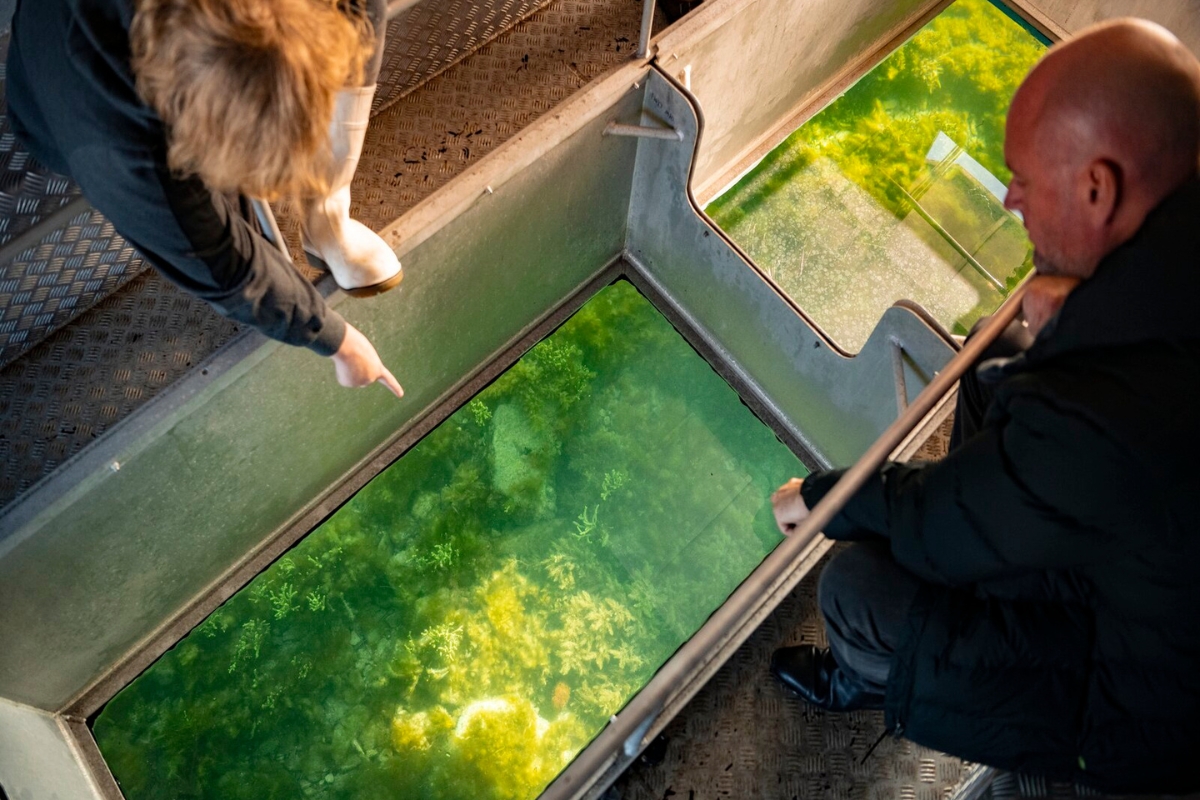
Waller has been running Cuttys Tours for five years, which typically takes between 5000 and 7000 people on glass-bottom boat tours throughout the eight-to-ten-week period, but said he has had to turn away about 2500 people so far this year due to the depleted number of cuttlefish.
“When it comes to the cuttlefish season, it is a unique scenario where there is now a reason to go to this destination … because you can’t see this anywhere else in the world and it attracts thousands of visitors from interstate, intrastate and internationally,” he said.
Waller describes the giant cuttlefish breeding season as “exactly like Saturday night at the pub”.
“Slowly but surely, the place fills up, and by midnight, it’s 10 deep – there’s a seething mass of people or cuttlefish moving around the dancefloor everywhere they go. Everyone is looking fantastic and having a great time,” he said.
You might like

“Then you get all those reproductive behaviours that you would see – you’ve got the males puffing their chests out and extending themselves to look really big to the completion, impressing the ladies, showing off their latest threads.
“You’ve got the ladies moving around trying to find the best position in the bar to attract the best males and making decisions based on size, colour and intelligence.”
Waller said that the harmful algal bloom was present on the coastline for one week around New Year’s Eve, believing it had decimated the species.
“What we saw was the week that it was there, we happened to dive that week, and we saw the impact of the algae over some of the benthic wildlife, so our endemic cold-water corals and sponges – they were affected,” he said.
“We saw them go from a bright yellow to a chalky white colour and literally dissipate, so they got wiped out. We saw that the sea urchins were deeply affected, as were the razor fish.”
However, other species such as snapping shrimp, crabs and schools of snapper and salmon were still to be found in abundance, he said.
“So, it’s not like it’s a wasteland – it’s just lacking the numbers of cuttlefish that would normally be there,” he said.
Stay informed, daily
Waller said the situation had hit his regional community hard, with the town missing out on the $1,000,000 of new money the cuttlefish tours from local operators contribute to the Whyalla economy each year.
“It’s always been a working-class, blue-collar town, but there’s a sense of pride that where we live is the most amazing place for one of the most unique scenarios ever to be seen, and it’s not happening,” he said.
“They’d be feeling the impacts of people cancelling their bookings for accommodation, they’d be seeing the slight downturn at the local seafood eatery because people aren’t coming in to try squid and chips.
“I would imagine there’s probably less angst, more grave concern around the future of something that they could essentially associate with their DNA – like, cuttlefish is part of who they are, and so you’re going to see a fallout from that, I would suspect.”
While grateful for receiving some financial assistance from the government, Waller said: “It didn’t make a huge difference”.
Despite the situation taking a personal toll on Waller, he was optimistic the species would rebound within two to three years, saying cuttlefish usually reproduce every nine to 19 months.
“I’m a small business owner – this is not my first rodeo. I’ve spent my whole, entire life on the ocean at the whim of seasonal change. I’ve had four good years, and I’m going to have one bad year,” he said
Waller said he has been volunteering to help rebuild shellfish reefs, saying, “nature is pretty good at bouncing back – it’s pretty good at going through these cycles”.
“I see that as being the one thing that we can do to really improve things out here, is to try and repair some of that habitat that’s been damaged, and that will help us control things like harmful algae blooms in the future,” he said.
A government spokesperson said a formal full-scale assessment of this year’s giant Australian cuttlefish population in the northern Spencer Gulf would be undertaken by government departments in the coming weeks.
She said that cuttlefish and squid populations vary widely from year to year, with numbers at Point Lowly ranging from 13,500 in 2013 to 247,000 in 2020.
“These boom-and-bust cycles are typically driven by environmental factors including water temperatures and food availability,” she said, adding that “monitoring continues to rule out the presence of Karenia algae in the vast majority of South Australian waters, including in the upper Spencer Gulf”.
“The State and Federal Government have invested more than $160 million to the algal bloom response, including increased research, monitoring, and tourism programs that injected $46.9 million into coastal communities,” she said.
“Ongoing algal bloom response measures continue with a focus on protecting and restoring our environment.”

Want to see more stories from InDaily SA in your Google search results?
- Click here to set InDaily SA as a preferred source.
- Tick the box next to "InDaily SA". That's it.