Kouts backs tearing up GST ‘dog of a deal’
The SA Treasurer is backing a Productivity Commission report over a $60 billion GST deal one economist called the “worst public policy decision of the 21st century”.
A 2018 deal to transfer federal taxpayer money to the resource-rich WA government has been described as a costly mistake in a landmark report.
The Productivity Commission was scathing in its assessment of the Morrison-era GST deal, adding to criticism from Tasmanian economist Saul Eslake who separately dubbed the deal the “worst public policy decision of the 21st century thus far”.
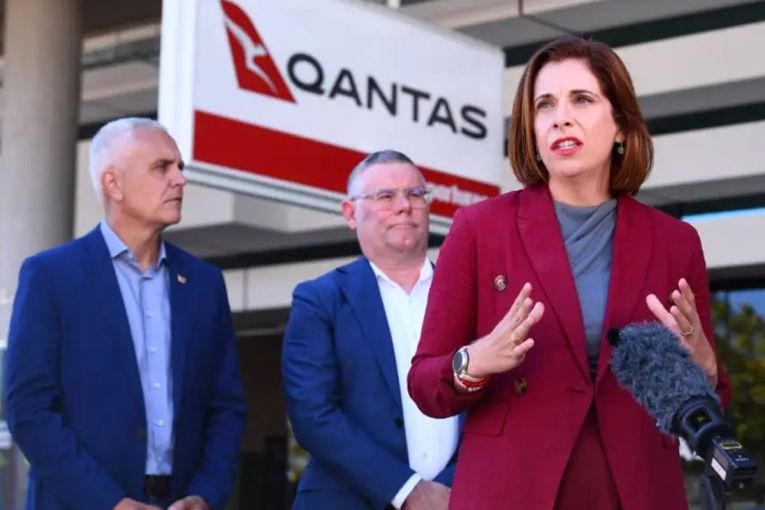
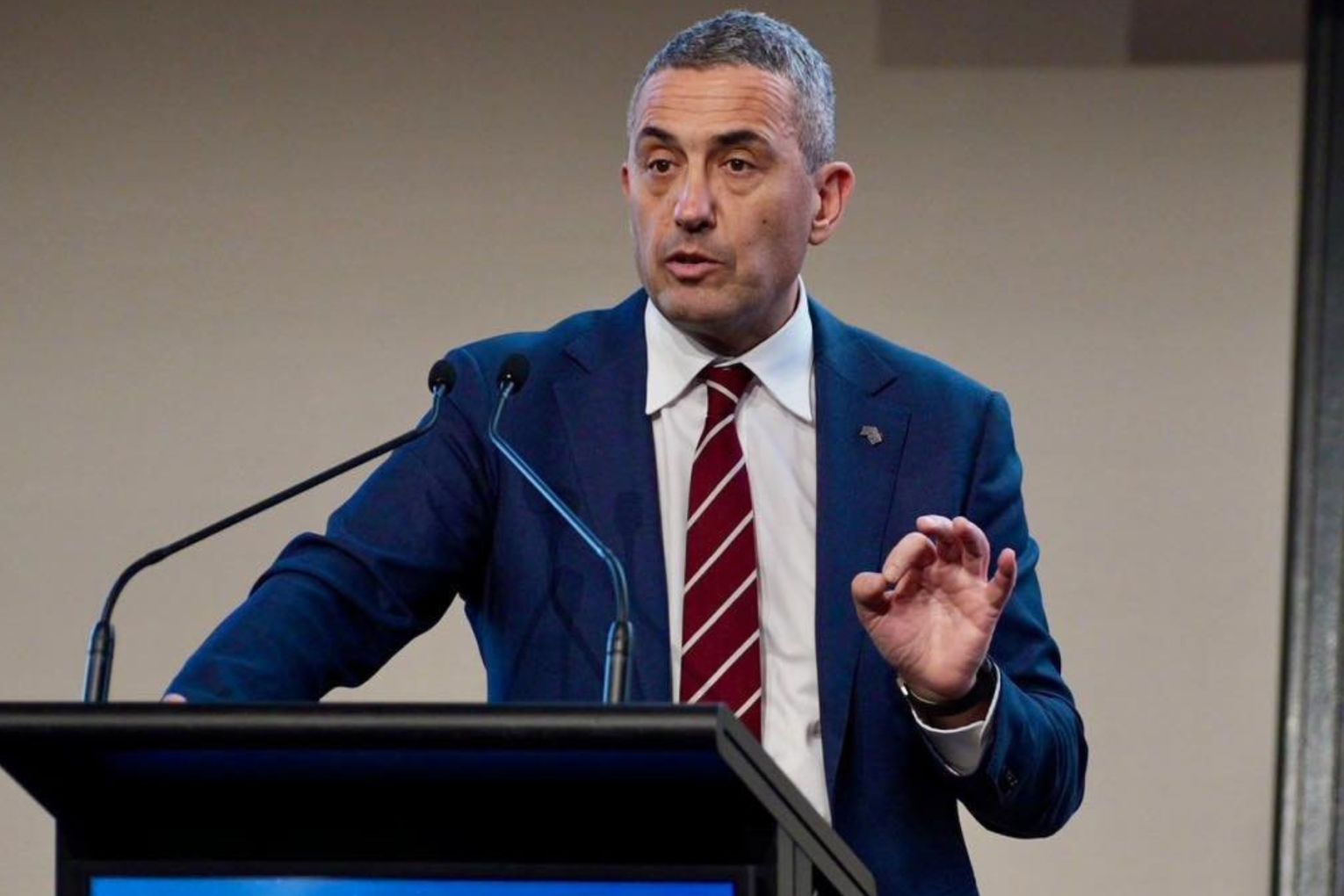
SA Treasurer Tom Koutsantonis said it was “no wonder” Eslake made the comment, because it was “a dog of a deal”.
“The existing system has imposed a significant ongoing cost on the Commonwealth Government, while realising minimal efficiency gains,” Koutsantonis said.
Koutsantonis said the 2018 GST distribution reforms imposed by the Morrison federal government, backed by then-SA Premier Steven Marshall and then-treasurer Rob Lucas “created only one winner – Western Australia”.
Australian taxpayers had sent almost $23 billion across the Nullarbor by 2024/25 as a result of the changes, which gave WA a larger share of the GST pool than they were found to have needed.
The top-up payments are set to cost the federal budget $60 billion by the end of the decade.
“Far from making all states ‘better off’, the 2018 reforms have only materially benefited WA, vastly improving its fiscal position relative to the other jurisdictions,” Koutsantonis said on Friday afternoon.
You might like

“The South Australian Government strongly supports the Productivity Commission’s interim report’s conclusions that recommend returning to the pre-2018 GST distribution system, and is open to considering options to address dominant-state effects where they arise.”
The commission’s interim report found the reforms achieved almost none of their objectives and have made the system less equitable and more complex.
It recommended returning to the pre-2018 system, but with targeted changes to address issues arising when mining-dominant states increase mineral royalty rates.
“The 2018 changes reshaped a system that needed targeted reform, leaving taxpayers with a large and growing bill,” Productivity Commission deputy chair Alex Robson said.
“The system should be brought back to its core purpose: ensuring that all states and territories are able to offer Australians a similar standard of services and infrastructure no matter where they live.”
The 124-page report was debated at a meeting between federal, state and territory treasurers shortly before it was published on Friday.
Every state and territory government bar WA has called for the deal to be ripped up or strongly amended.
Queensland Treasurer David Janetzki threw down the gauntlet to the federal treasurer to change the “unfair” system.
“Jim Chalmers now has a clear choice: he can continue to defend a broken system or finally stick up for his home state and the national interest,” he said.
His NSW counterpart, Daniel Mookhey, called the report “historic”.
Stay informed, daily
“An Australian living in Cabramatta in Sydney, Carlton in Victoria, Coober Pedy in South Australia or Cairns in Queensland is worthy of the same supports from their governments as an Australian living in Cottesloe in Western Australia,” he said.
Ahead of the meeting, Prime Minister Anthony Albanese reassured West Australians that they would receive their fair share of GST.
But he did not rule out changing the GST system, saying the government will wait for the Productivity Commission’s final report – due to be completed by the end of 2026 – before making up its mind.
Since coming to power in 2022, his government has maintained the deal, conscious of WA’s political exigency, where federal Labor holds 11 of a total 16 seats.
Any changes to the arrangement would incur the wrath of Albanese’s Labor allies in charge of the state.
“My WA Labor Government will always put WA first and fight for our GST deal,” Premier Roger Cook said, arguing his state would lose between $1 billion and $6 billion if the report’s recommendations were implemented.
“We’ll accept nothing less than the current deal and Western Australians will accept nothing less.”
It would also risk a political stoush in the west with the ascendant Pauline Hanson, who has vowed to protect WA’s GST share.
The One Nation leader urged other states to allow more mining to boost their tax revenue instead of relying on WA to prop them up.
Other states point out they haven’t been gifted the same resource endowments as WA, which has also imposed a moratorium on uranium mining.
The deal will help deliver WA a $2.4 billion budget surplus in the 2026/27 financial year.
While the GST deal dominated the meeting, the agenda also included an offer by the federal government to give the states $460 million to boost productivity in the trucking industry and to allow nurses to prescribe and administer medicines.
Together, the measures could boost GDP by up to $5.6 billion annually, Chalmers said.
Want to see more stories from InDaily SA in your Google search results?
- Click here to set InDaily SA as a preferred source.
- Tick the box next to "InDaily SA". That's it.