State Budget fallout: Builders and miners happy but debt balloon blasted
Tom Koutsantonis’ “stable, steady” State Budget drew a mixed bag of industry responses but the Liberals and One Nation are united as they come out swinging over ballooning debt figures.

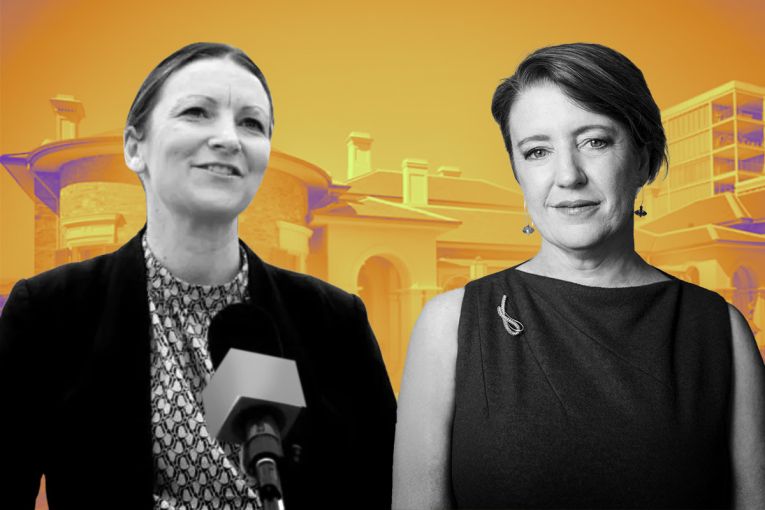
SA Liberal Leader Ashton Hurn fears future generations will be saddled with the growing pile of debt being generated by the state government through big spending on major infrastructure projects.
While One Nation SA leader Cory Bernardi claimed South Australia was “now quite clearly on the same trajectory as Victoria”, reiterating calls for a legislated debt ceiling that he said should be $54 billion.
This is just above forecast state debt, with State Budget papers released yesterday by Treasurer Tom Koutsantonis showing debt would hit $53.6 billion by 2030.
“We’ve now got debt at a scale that has never been seen before in South Australia, with absolutely no plan from Labor as to how to pay it back,” Hurn told reporters yesterday after the budget was introduced in state parliament’s Lower House.
“You don’t need to be a brain surgeon to figure out that you can’t pay off your credit card if you actually can’t manage your own budgets.
“If Labor is serious about paying own its debt and not just hand balling it to the next generation, they’ve got to show some fundamental respect for the taxpayer dollar.”
Hurn said she would have a look at One Nation’s proposed debt ceiling legislation, which would cap how much debt the state can take on.
Yesterday, Bernardi said, “We’ve got to call a stop to that reckless spending”.
“Our debt ceiling bill will have $54 billion, which is at the outer end of where the government has said the debt is going to be, and we will hold them to account,” Bernardi said.
You might like

But the Treasurer yesterday was adamant the debt was serviceable and sustainable, saying the debt-to-revenue ratio, which tracks the government’s ability to service the debt, was lower over the coming four years than projected in last year’s budget when Stephen Mullighan was Treasurer.
“The debt-to-revenue numbers have dropped from the previous budget. That’s the sign of a strong economy and debt that is management,” Koutsantonis said.
Miners, builders and farmers welcome budget
Meanwhile, various peak bodies and industry groups have praised Koutsantonis’ budget, Master Builders SA CEO Will Frogley describing it as “stable” and “steady”.
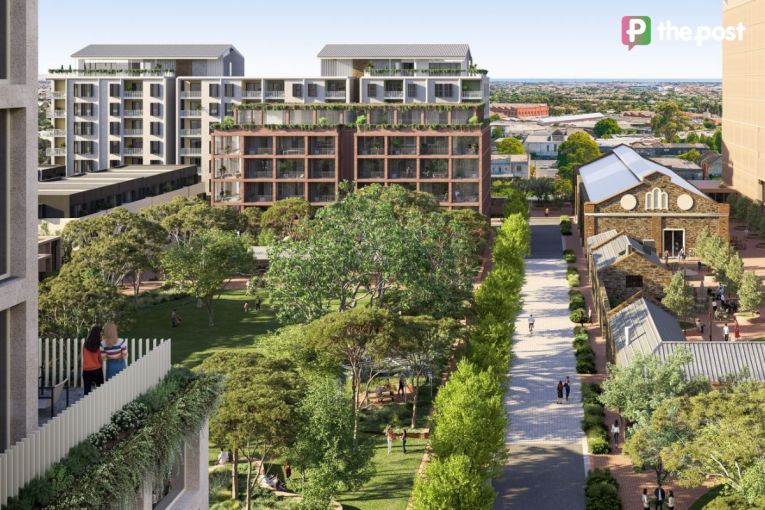
There was plenty in the papers for the construction industry, including a $2.5 billion housing package.
“It’s the budget you would expect from a firmly entrenched, centrist government in the first year of a four-year term,” Frogley said.
“There was no need to take big risks, and they haven’t.”
The mining sector also reacted positively, Association of Mining and Exploration Companies CEO Warren Pearce saying the $12.4 million for the Plan for Accelerating Exploration program was welcomed. It would provide new grants for mining explorers.
The budget also revealed record-high mining royalties of $509.2 million.
SACOME Chief Executive Officer Catherine Mooney said the budget appropriately focused on addressing cost-of-living pressures for South Australians, while including welcome measures that support key areas of the state’s mining and energy industry.
“We are particularly pleased to see the continued focus on fuel security to help alleviate pressures on industry, funding for the PACE program to accelerate exploration, and continued investment in Whyalla to secure the state’s sovereign steelmaking and industrial capability,” she said.
However, Mooney said there was a missed opportunity to further strengthen South Australia’s global competitiveness in a rapidly evolving resources landscape.
Stay informed, daily
“Targeted investment in streamlining application processes, a stronger focus on critical minerals, and further infrastructure investment to enable the sector would have helped position South Australia more competitively,” she said.
While a $200 million drought loan scheme to support grain and livestock farmers affected by drought in the Murray Mallee, Riverland and Upper North regions would “save some farms and save lives”, Grain Producers SA CEO Brad Perry said.
“Even though we’ve had great rainfall to start this season, cash flow is still a big challenge coming off multiple drought years,” Perry said.
He added it would be “really important” for the grain industry to take advantage of the newly announced $50 million productivity fund.
‘Missed opportunities’ for wine and mental health
Meanwhile, Liberal leader Ashton Hurn described the lack of direct support for the wine sector as a “missed opportunity”, the Treasurer yesterday saying he would develop a “holistic” approach to backing the important industry after the budget.
“The wine industry is a critical part of the South Australian economy. We put forward some pretty common-sense ideas to expand the current supports that are available for farmers who are going through drought,” she said.
“I think it was a missed opportunity, because not only is our wine sector on its knees, but they also go some way to growing the state’s economy and adding to our vibrancy.”
And the Mental Health Coalition of South Australia bemoaned the lack of money to address gaps discovered three years ago in the Unmet Needs Study, which found that there were more than 19,000 South Australians with severe mental illness going without community-based support.
“Three years of waiting, three years of reports, three years of recommendations — and still nothing. The government had the evidence, it had the opportunity, and it had a clear ask from the sector and from its own reports. Those 19,000 South Australians are still waiting,” Executive Director of the MHCSA Geoff Harris said.
However, the state budget included $28 million over four years for new specialised mental health units at the Royal Adelaide Hospital, budget papers saying two additional units at the Lyell McEwin and Noarlunga hospitals “would be delivered after the RAH”.
Missing measures for older South Australians
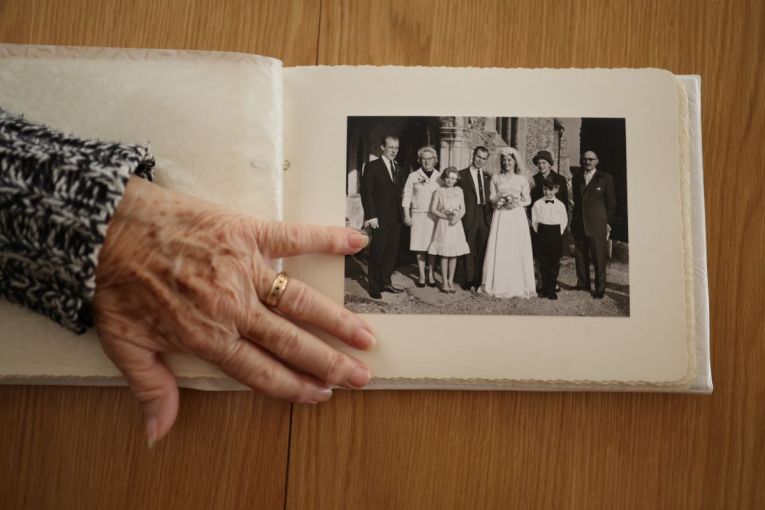
While cost-of-living relief measures were welcomed by COTA SA, the peak body representing more than 700,000 older South Australians said more could be done for the cohort.
COTA SA chief executive Miranda Starke said she would continue to advocate for free ambulances for full-aged pensioners, further investment in brain health and dementia, and a more streamlined concession system.
A work cap on the Seniors Card was removed by the state government in the budget, which will take effect from 1 July and was expected to enable 80,000 additional people to become eligible for the discount card.
But system-level changes to better support older South Australians were needed, Starke said.
“Once again, the state government has not brought South Australia into line with the rest of the country by providing free ambulance services for older people on the full age pension. It is a serious problem, and we will continue to advocate for this, until the service is free for those on a full age pension,” Starke said.
Want to see more stories from InDaily SA in your Google search results?
- Click here to set InDaily SA as a preferred source.
- Tick the box next to "InDaily SA". That's it.