‘Victoria invests more’: SA wine industry calls for help in state budget
“Victoria invests more than four times as much per $1000 of wine export value as South Australia”. Ahead of the state budget on June 4, the leaders of SA’s top wine regions tell what they need to tackle trying market conditions.
What was good and bad about the federal budget for your industry?
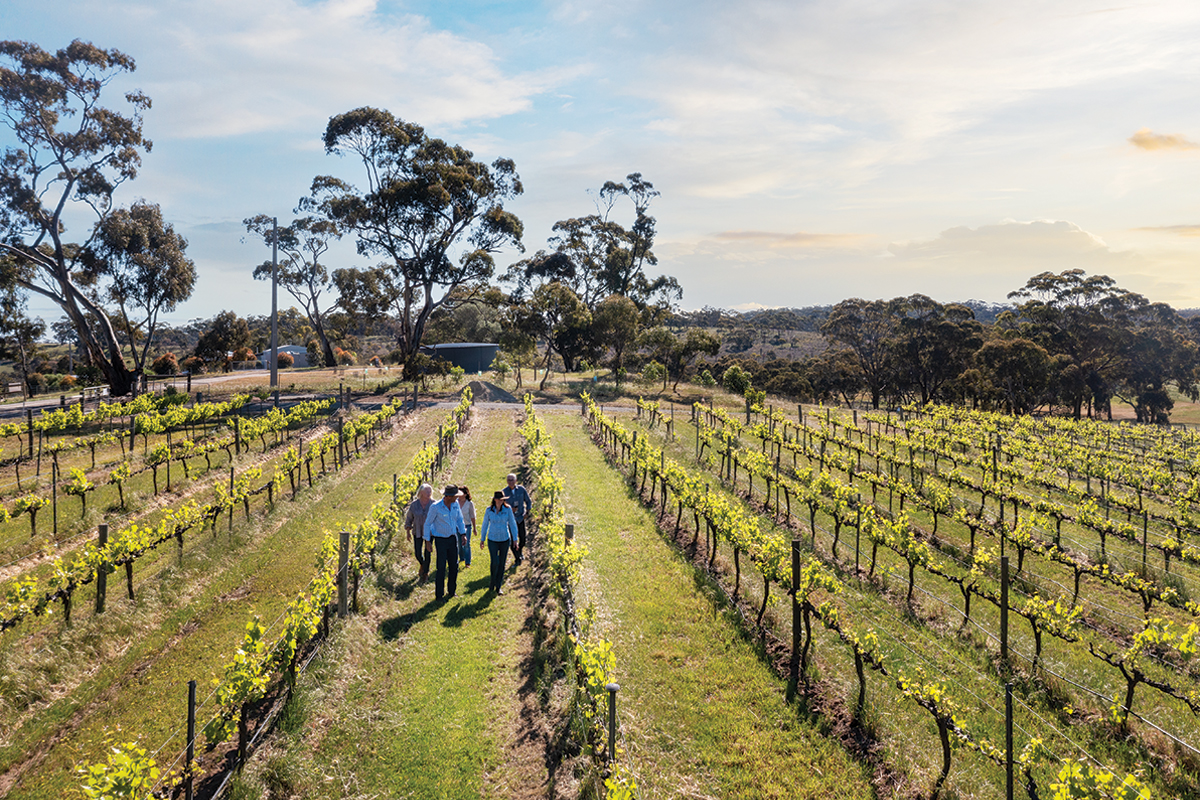
The Federal Budget contained some welcome measures around small business support, which are all important for wine regions like the Clare Valley. Continued investment in export diversification and international trade relationships is also positive for a sector that relies heavily on global engagement.
However, most disappointingly, the budget stopped short of delivering targeted relief for the wine sector at a time when many producers are still navigating the combined impacts of the China tariffs, which largely contributed to oversupply, along with softening consumer demand.
Rising input costs, and ongoing global market volatility have exacerbated the situation. The industry has been calling for more direct support around export market development, regional workforce pressures, and industry exit transitions to address the supply/demand imbalance.
For regional wine communities, the challenge isn’t just economic, it’s about protecting the long-term resilience of places that contribute significantly to Australia’s tourism identity, agricultural reputation, and regional employment.
– Clare Valley Wine & Grape Association board chair Olivia Hoffmann Barry.

What’s working for your region to try and flip the script on the current crisis?
Barossa’s strength is its diversity. Wine, tourism, food, events and premium visitor experiences work together here. Businesses are leaning into premium positioning, direct-to-consumer channels, export diversification and more experience-led tourism.
However, it is the cumulative nature and scale of the crisis (declining wine consumption, rising operational costs, changing consumer preferences, and flat visitation) that business are struggling to overcome and external support is required.
– Barossa Australia CEO Scott Hazeldine
What do you want to see most in the upcoming SA State Budget?
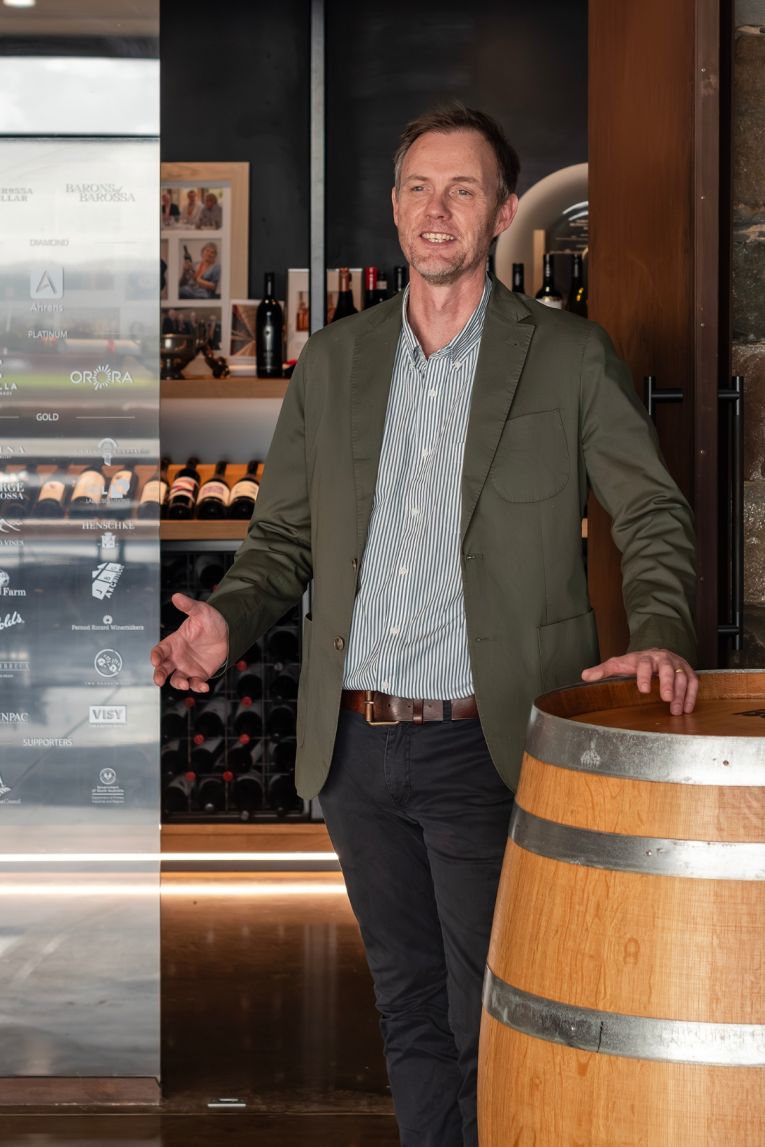
We want to see the government turn policy intent into a properly funded South Australian wine industry recovery initiative. For McLaren Vale, the $250,000 commitment is welcome, particularly its immediate focus on agricultural diversification and expanding domestic and global market opportunities, but strategy can be only the beginning.
We need support for implementation, including export funding through a business-matched South Australian Wine Export Accelerator Grant program, considerable investment into growing domestic demand and wine tourism, and commitment to in-region expertise to help growers assess alternative or complementary crops and other agriculture-friendly income streams.
– McLaren Vale Wine Region CEO Erin Leggat.

Do you feel supported in terms of accessing international markets?
We welcome the State Government’s existing export support and the recognition that domestic and global market access is central to our region and regional industry’s future. However, South Australia’s investment in export promotion is being outmatched by competitor states.
The SA Wine Industry Association has noted that Victoria invests more than four times as much per $1000 of wine export value as South Australia, and that South Australia has recorded weaker recent export performance by comparison.
If we want to remain Australia’s Wine State and Great Wine Capital, we need investment that reflects that ambition. We would like to see the Global Wine Growth Program raised to $5 million annually for five years and creation of a South Australian Wine Export Accelerator Grant program that co-invests with export-ready producers to facilitate their expansion in international markets.
– McLaren Vale Wine Region CEO Erin Leggat.
What innovations have you had to make in order to overcome these problems?
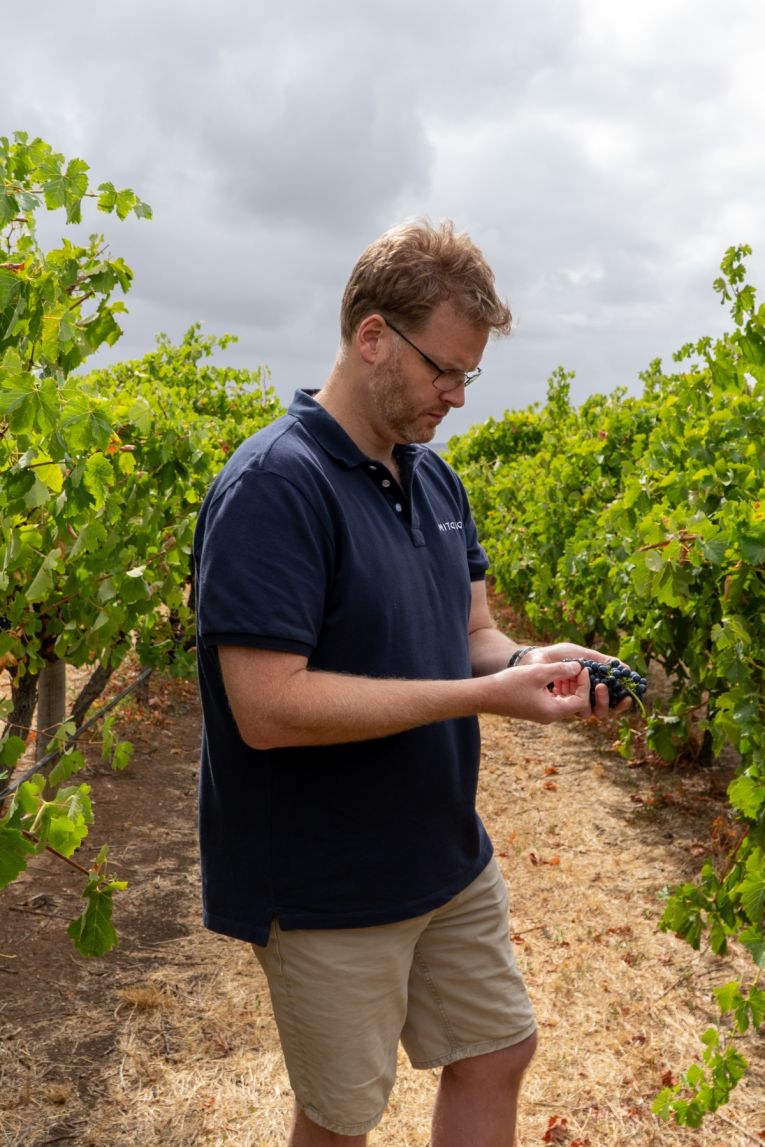
Across the region, producers have had to become incredibly agile. That includes exploring new export markets, refining direct-to-consumer sales strategies, investing in wine tourism experiences, and promoting our sustainable vineyard and business practices.
Many businesses are also embracing digital engagement in more sophisticated ways, which ensure they remain relevant to the next generation of wine enthusiast.
Innovation in the Clare Valley is often grounded in practicality. Producers are finding ways to reduce input costs, improve water and energy efficiency, and create more resilient business models without compromising quality.
– Clare Valley Wine & Grape Association board chair Olivia Hoffmann Barry.
Are you pleased with the export levels from your region? What needs to improve?
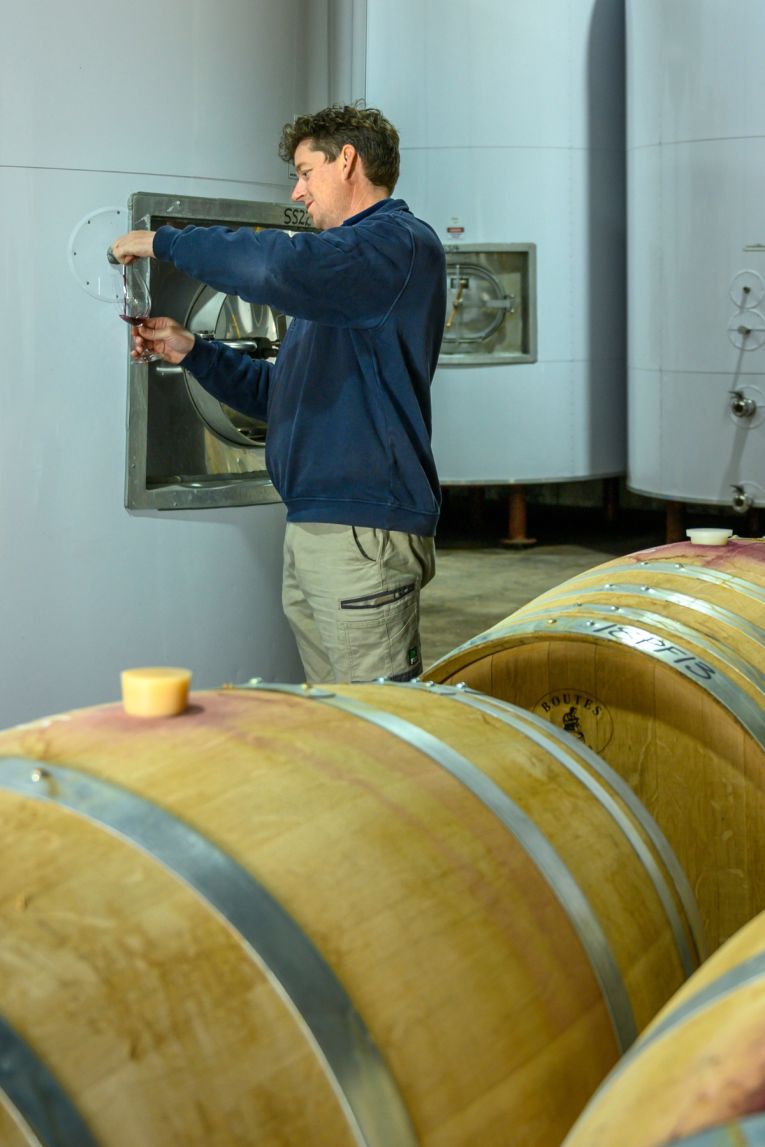
Even with the reopening of China, wine exports have not returned to pre-tariff levels. We are well represented in export markets such as China, North America, East Asia, and the UK, but global wine markets remain highly competitive and demand is tightening. The average price per litre for Barossa wine remains consistently strong.
We need ongoing market diversification, deeper in-market relationships, sustained trade engagement and continued investment in premium Australian wine positioning.
– Barossa Australia CEO Scott Hazeldine
Want to see more stories from InDaily SA in your Google search results?
- Click here to set InDaily SA as a preferred source.
- Tick the box next to "InDaily SA". That's it.