Exclusive: Adelaide Uni in red as international student numbers plummet
Vice-Chancellor issues warning. A leaked video reveals Adelaide Uni faces a multimillion-dollar shortfall after failing to hit vital international student targets.
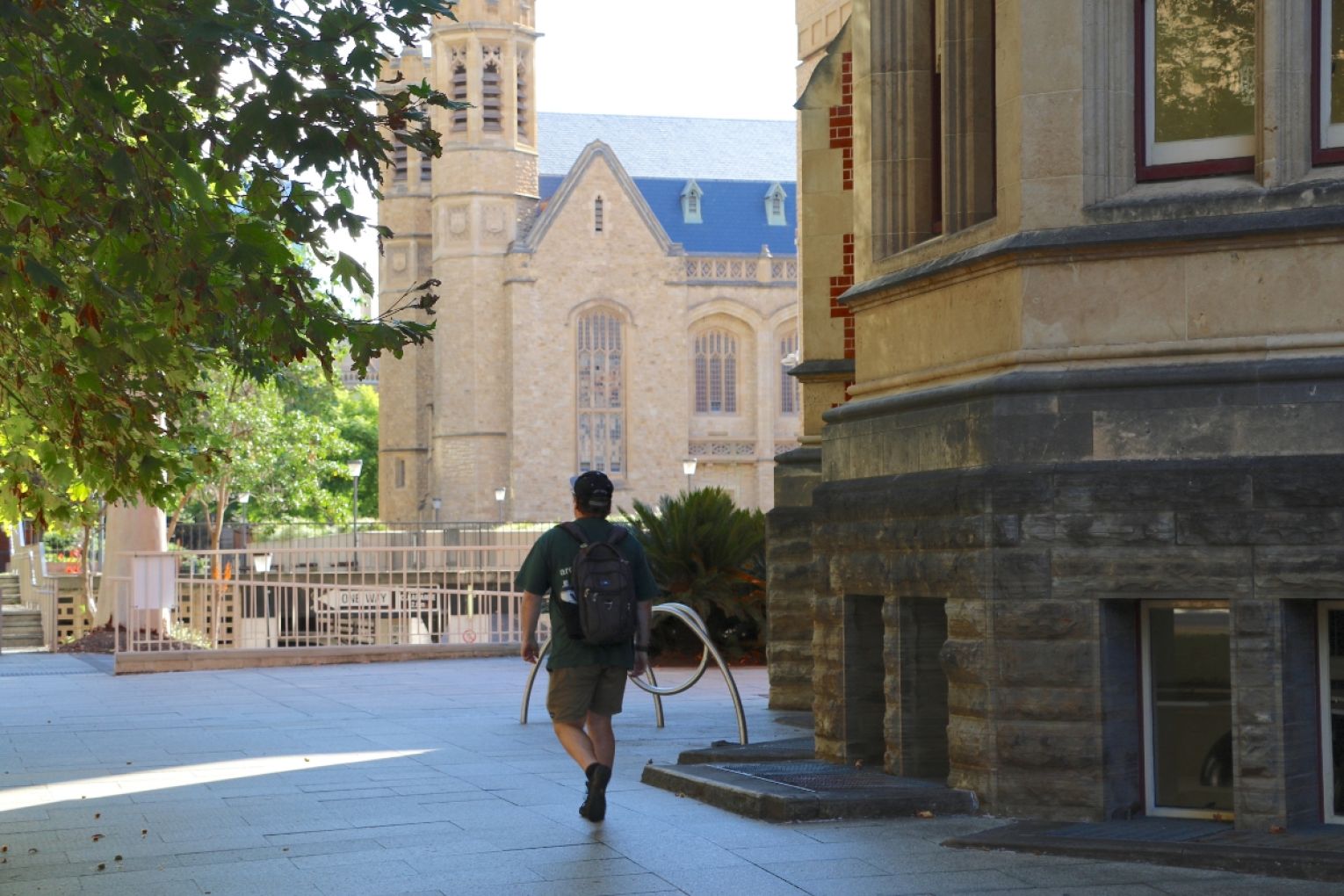
Budget concerns are surfacing after the number of new international students at Adelaide University was recorded at around 40 per cent below target for semester one, with a projected revenue shortfall for the university of $90 million for 2026.
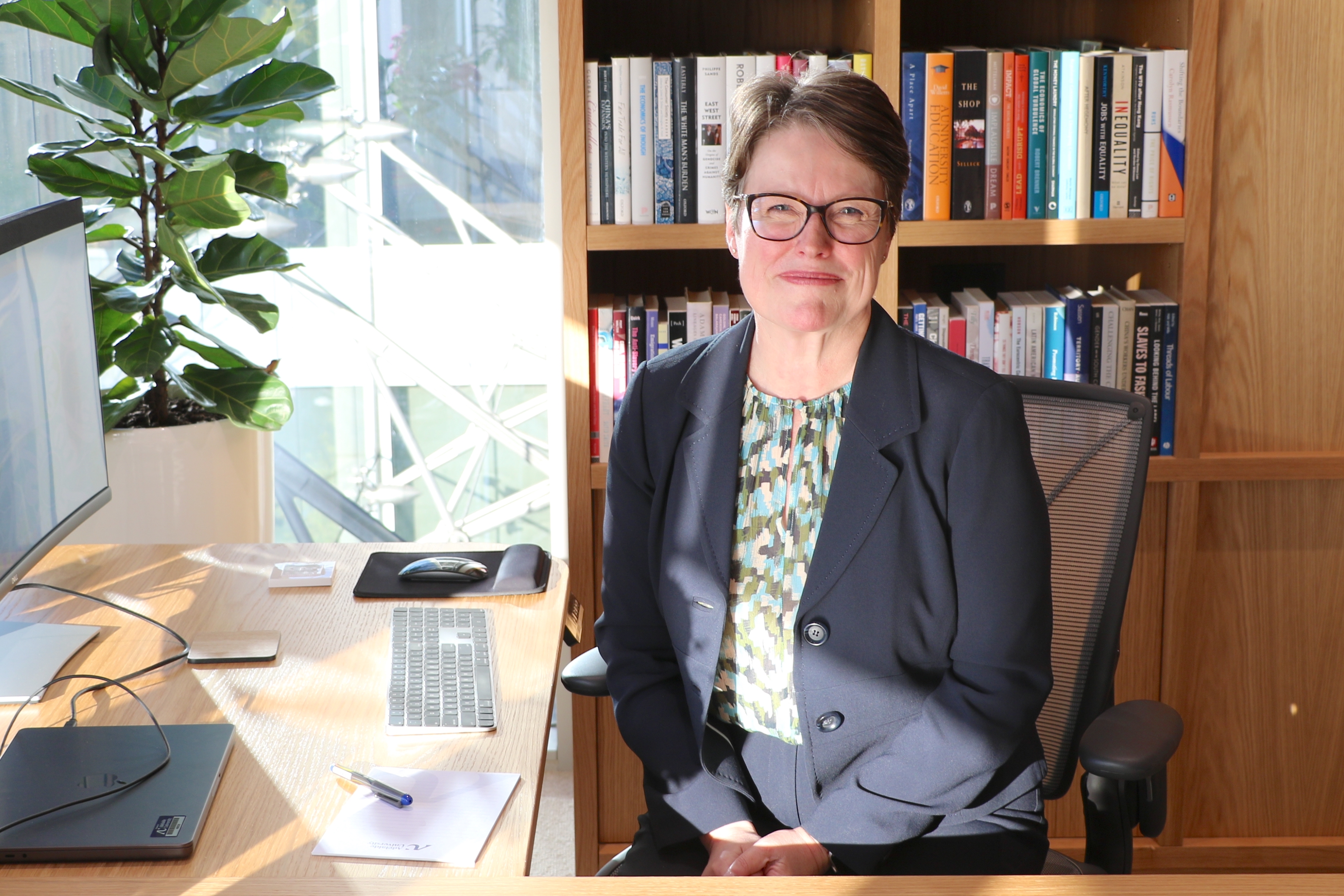
A video message leaked to InDaily, which was sent out to staff on Monday afternoon, showed Adelaide University Vice-Chancellor Nicola Phillips ruling out a “radical” restructure of the university or its workforce to address the “worrying” situation.
“As we all know, the past 12 months have seen many factors combine to curtail the number of international students coming to Australia,” she said.
“The impact has been felt sector-wide, and it’s been particularly challenging to launch a new university into the global market.”
Phillips said Adelaide University had “performed well” in attracting domestic students and keeping current international students, but that the situation with new international students was “worrying”.
“International recruitment is not merely a financial calculation, of course – international students are so important to our university and our state for many other reasons,” she said.
“But this situation clearly does have financial implications for us.”
Phillips said the university council had agreed it was “not in the best interest” of Adelaide University to overcome the shortfall in a single year.
You might like


Instead, she said the university would take “a steady and considered” approach to achieve a financially sustainable situation over the next three years.
“But we are also going to have to be prudent and very clever about how we manage our finances over these next few years, and I want to be clear that we do have a considerable challenge to face,” Phillips said.
“It won’t be easy, but we need to be able to keep investing in our university and our people, both in the short-term and in the long run.
“Of course, we’re working extremely hard to shore up our student recruitment, both within the university and with partners across our state.”
The new Adelaide University cost taxpayers about $450 million, and it officially opened on January 5 following a merger between the universities of Adelaide and South Australia.
Adelaide University previously said that the merged university would have around 70,000 students, with international students making up roughly 25 per cent of all enrolments.
Dr Andrew Miller, who is secretary for the South Australian arm of the National Tertiary Education Union (NTEU), said he was not surprised Adelaide University failed to meet its recruitment targets.
“I think it’s no surprise to anyone that the new university failed to reach its targets because the merger happened at such a breakneck speed that it was hardly going to be really ready and operational in the manner that was hoped in the beginning,” he said.
However, Miller did not believe Adelaide University would consider a restructure to address the shortfall, saying the university could instead tap into perpetuity funds set up by the state government and reduce money controversially spent on external consultants.
Stay informed, daily
“With the massive instability and distress caused to staff over the last couple of years, it would be highly unlikely and devastating for the university to even contemplate further massive changes to the workforce,” he said.
In a statement to InDaily, Phillips reiterated that there would not be a “radical restructuring”.
“Over the past 12 months, a range of factors have significantly affected international student recruitment across Australia, with students increasingly delaying decisions, considering alternative destinations, or facing visa uncertainty later in the process,” she said.
“This has created challenging conditions right across the sector, and particularly for a newly established university building awareness in global markets”.
It comes after Adelaide University and the NTEU reached an agreement following a dispute over workloads for UniSA staff, which was due to be heard in the South Australian Employment Tribunal court from September 9 to September 11.
The NTEU claimed that “poorly administered provisions lead to staff overload, burn-out, and devastating flow-on psychosocial impacts to individuals, families, colleagues, students, and the communities we serve”.
An announcement to Adelaide University staff on May 19 said the agreement included the adoption of a “significantly improved” academic workload clause to be included in a new Adelaide University enterprise agreement.
“Adelaide University (and the former UniSA) acknowledges the significant areas of concern raised in the proceedings,” an Adelaide University statement sent to staff said.
Miller said that workloads were a “big problem” for universities, with management undercounting the “true volume” of work that academic and professional staff undertake.
“For the new university to be a real ethical employer, and to genuinely be world leading for staff and student experiences and for international research, it really has to be the best at all of those things, so that people feel valued, heard, safe and healthy in the workplace,” he said.
Phillips previously told InDaily that maintaining ethical labour standards at Adelaide University was one of her top priorities.
“If you’re looking at questions and making sure that everybody is paid fair wages, if you’re looking at questions and making sure that everybody is treated well at work, that’s a common concern, whether you’re sitting in Adelaide or anywhere else in the world,” she said.
In a statement to InDaily, Phillips welcomed the outcome and said that “the settlement has led to Adelaide University adopting a significantly improved academic workload clause that will be included in the new Adelaide University enterprise agreement, which will shortly replace the foundation universities’ enterprise agreements”.
Want to see more stories from InDaily SA in your Google search results?
- Click here to set InDaily SA as a preferred source.
- Tick the box next to "InDaily SA". That's it.