Adelaide University opens after a bumpy start
Adelaide University has officially opened following a controversial $450m merger between the universities of Adelaide and South Australia, with staff arriving back on campus this morning.
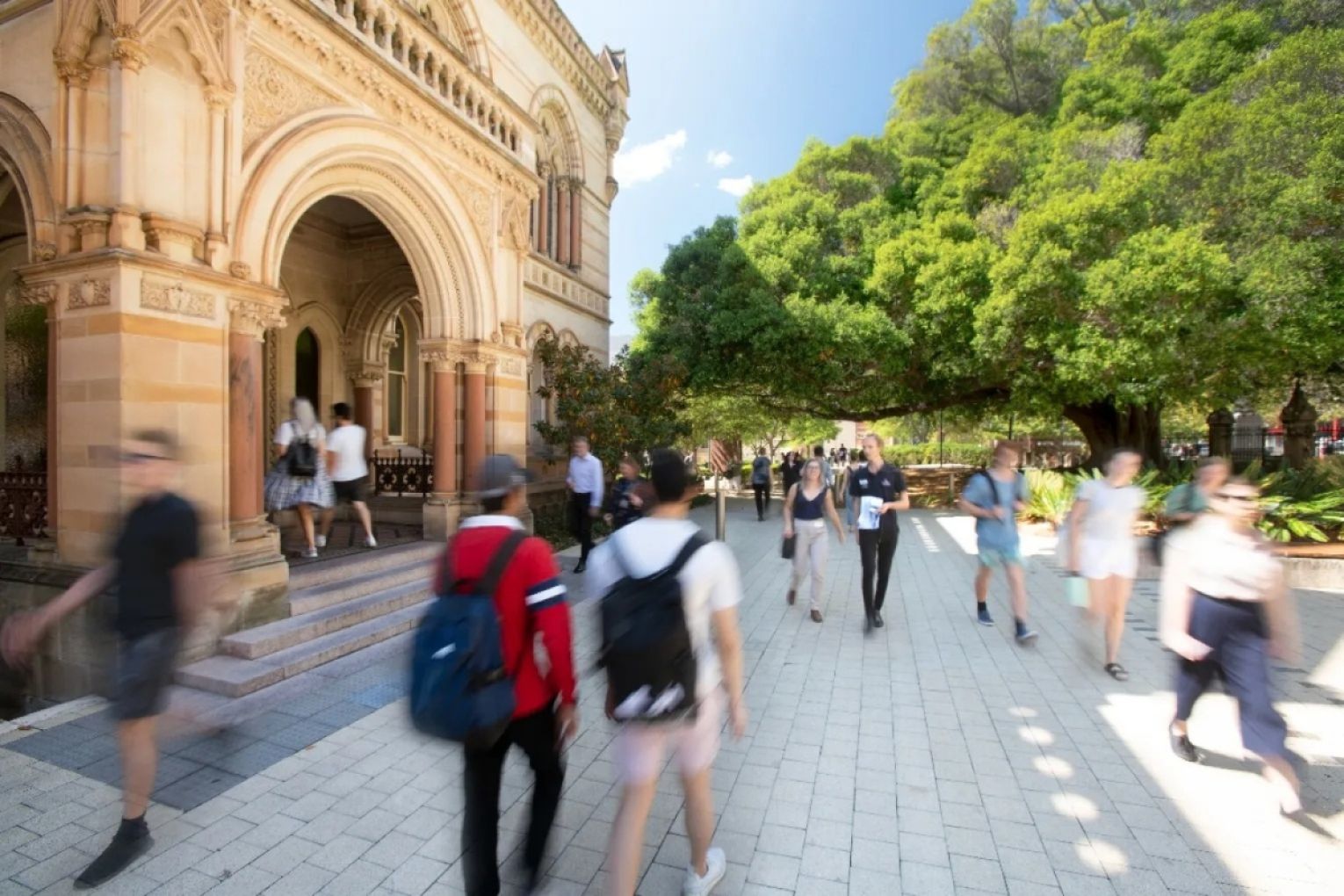
The new Adelaide University, which cost state taxpayers about $450 million, has officially opened after a series of earlier controversies, ranging from its chosen Kaurna name reportedly not making sense, a statement about working from home that led to the resignation of a Deputy Vice Chancellor and the use of land at Magill.
There were also controversial media reports over the new chief Professor Nicola Phillips‘ salary of nearly $1 million being less than her male predecessors’ pay packets.
Phillips will start her new role as Vice Chancellor on January 12, when she will be joined by the first full cohort of students, with more positive news now hitting the headlines.
Adelaide University has started out strong in world rankings, which earnt a place in the top 100 universities globally in the QS World University Rankings last year, while the university is also a member of the prestigious Group of Eight.
Chancellor Pauline Carr said that today’s opening “is more than the creation of a new university – it is the beginning of a new promise”.
“We are creating a university that is agile, courageous and deeply connected to the communities we serve,” she said.
“Around 70,000 students will benefit from richer pathways, stronger industry links and a learning environment shaped by the very best of our combined strengths.”
You might like

According to Adelaide University, the new institution will contribute an estimated $4.7 billion a year to the Australian economy and $500 million a year to South Australia’s economy.
The university said that thousands of academic and professional staff have been involved in the merger process, developing and uniting systems, curricula, research partnerships, student services and campus operations.
A merger between the universities has been in the works for some time, with previous bids to merge the two universities abandoned in both 2012 and 2018.
At the time of the attempted 2018 merger, then University of Adelaide Chancellor Kevin Scarce said to staff in an email that “different views” meant that the universities “have therefore been unable to reach an agreement”.
Heading into the 2022 State Election, South Australian Premier Peter Malinauskas pledged to establish a commission tasked with looking at merging South Australia’s three main universities, reviving the merger once again.
The merger has attracted controversy, with some students and staff concerned about the future of face-to-face lectures, while the university was also criticised over the process of choosing a Kaurna name.
One linguist at the University of Adelaide told InDaily that Adelaide University’s Aboriginal name, “Tirkangkaku” – meaning place of learning – is ungrammatical, while a Kaurna Elder claimed his community was not adequately consulted before the name was chosen.
Dr Andrew Miller, who is SA Secretary of the National Tertiary Education Union (NTEU), said that the merger had been “really challenging” for staff over the past 12 months.
Stay informed, daily
Miller said that major concerns shared with the union by staff include “impossible” timelines, not enough workload relief and too few staff to carry out the merger.
“There were two massive town hall meetings staged by university management late last year, and both of them revealed widespread discontent and burnout from staff,” he said.
“They were at pains to point out to the Co-Vice Chancellors that they had insufficient time, resources and personnel to get the job done for the university to live up to its own rhetoric and expectations of being ready to go.”
Miller said staff had told the union that many students have felt disenfranchised and alienated throughout the merger process, with concerns such as a claimed lack of clarity on course continuity and a reduction in course offerings.
“I expect it’ll be enormously challenging for students, but ultimately, student learning conditions are contingent upon staff conditions,” he said.
Today’s opening also comes after an uncomplimentary Senate inquiry into Australian universities found systematic governance failures, an insecure work environment and declining education standards across the country.
The report also put a spotlight on the multimillion-dollar spend on consultants at Australian universities.
Data from the Australia Institute found that the University of Adelaide spent $35.5 million on consultants and specialist services in 2023, while the University of South Australia spent $83 million on “external services” in the same year.
The inquiry also heard of “troubling evidence of a ‘revolving door’ between universities and major consulting firms, creating real and perceived conflicts of interest”.
It pointed to the appointment of Deloitte as an integration partner for the university merger, with Deloitte’s Asia-Pacific CEO having previously sat on the University of Adelaide council.
When giving evidence to the inquiry at its Adelaide hearing on November 10, 2025, Adelaide University Co-Vice Chancellors Peter Høj and David Lloyd called the merger “unprecedented in scale and complexity”.
“We think that people can see that the effort to create this university will create something that will be stronger than what either of them came from,” Høj said.
Want to see more stories from InDaily SA in your Google search results?
- Click here to set InDaily SA as a preferred source.
- Tick the box next to "InDaily SA". That's it.