‘Dilapidated’ court buildings a ‘blight’ on SA
The Law Society wants to see funding for urgent upgrades of court buildings, saying the system desperately needs safe and separate youth holding cells.
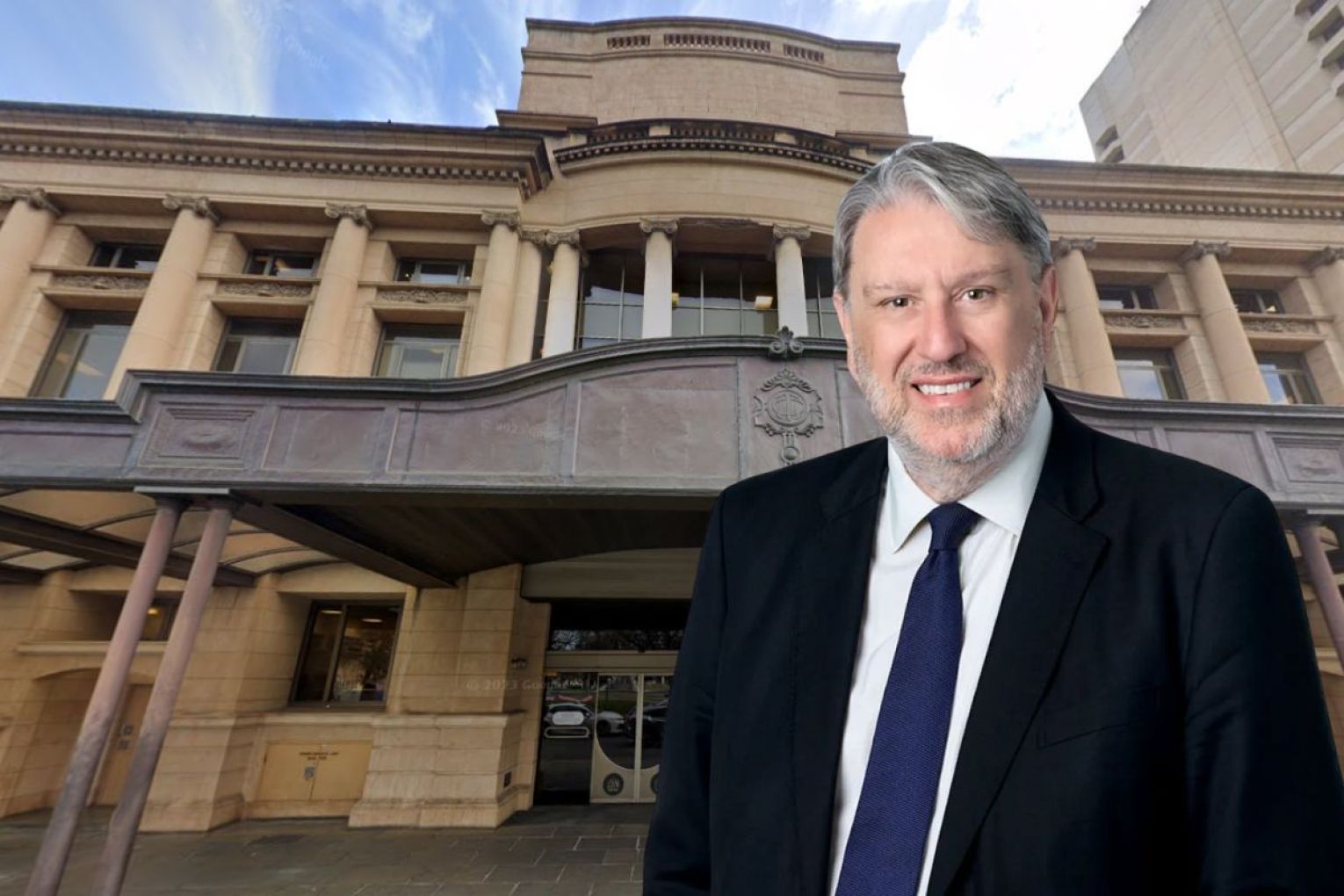
SA’s Law Society says $200 million was needed to upgrade “ageing, dilapidated and unsafe” buildings in Adelaide’s Supreme and Youth Courts, a key ask in its 24-page submission lobbying for new funds in the state budget.
Law Society President David Colovic said the Youth Court was “unwelcoming and intimidating” for young defendants and witnesses, who often have to wait close to opposing parties before entering the courtroom.
A Youth Training Centre Visitor report from February found the cells at the Adelaide Youth Court were “a dreadful environment for anyone to be in – particularly a child”.
Colovic said upgrading these buildings was not “nice to haves” but “essential” for the state’s justice system, that he claimed was struggling to meet demand.
“The lack of investment in this state’s deteriorating court buildings is a blight on this state that can no longer be ignored,” Colovic said.
You might like


“The fact is that the state’s court facilities, especially in the central precinct, are archaic, at risk of structural failure, and barely fit for purpose.”
Facilities listed as “dilapidated” by the Law Society included cramped court rooms, unsafe sections of buildings, poor lighting and airflow in waiting rooms, limited space for confidential discussions, poor acoustics and unreliable audio-visual facilities.
The last significant upgrade to the city’s court precinct was in 2018, when the Supreme Court building, on the corner of Gouger and King William Streets and Victoria Square’s Sir Samuel Way building, received $31 million in state funding.
Those works were designed to meet demand for five years, Colovic said, but “it is now 2026, and the courts are well short of being able to meet demand”.
Stay informed, daily
“There are more pending trials needing courtrooms than are available, meaning determination of matters gets delayed by months or years, adding further stress to the backlogs in the criminal justice system,” Colovic said.
The Sir Samuel Way building, home to the District Court, Adelaide’s busiest, also hosts Supreme Court criminal trials because the Supreme Court building does not have enough room, according to the Law Society.
Colovic said the society wanted to see wheelchair access and suitable, trauma-informed rooms for vulnerable witnesses, the latter a recommendation from the state’s recent Royal Commission into Domestic, Family and Sexual Violence.
Increased funding for legal aid, removing court transcript fees, investment in technology to speed up and improve transcripts, and establishing a Building Tribunal to resolve building disputes quickly were also key asks from the Law Society’s state budget submission for FY26.
In last year’s State Budget, the government allocated $20 million over four years to undertake critical works and upgrades on essential court infrastructure and equipment.
A state government spokesperson said the $20 million was “in addition to $1.6 million allocated for building maintenance as part of the 2023-24 Mid Year Budget Review, and earlier funding of more than $42 million for upgrades to the Sir Samuel Way Building facade along with the Higher Courts Redevelopment Project”.
“The government will continue working with the Courts Administration Authority to support the ongoing role our courts infrastructure plays in the justice system,” the spokesperson said.
Legislation was also introduced last month to allow courts to crack down on people, including “sovereign citizens” who file dozens of lawsuits to annoy or harass others, to ease demand on the system.
Another $1 million was committed annually over three years for youth diversion programs to deter young offenders, a decision announced alongside legislation changes last year.
The Law Society said it welcomed the previous funding but “successive budgets have taught us not to get our hopes up”.
“We hold out hope that the government finally acknowledges the dire need for a justice infrastructure that is fit for purpose and can serve the needs of the community,” Colovic said.
Want to see more stories from InDaily SA in your Google search results?
- Click here to set InDaily SA as a preferred source.
- Tick the box next to "InDaily SA". That's it.