No guarantee for improved Murray River water allocation
Patchy rainfall in the River Murray region has resulted in a lower-than-expected water allocation with no guarantees of more on the way, but an industry leader assures growers should keep calm and carry on.
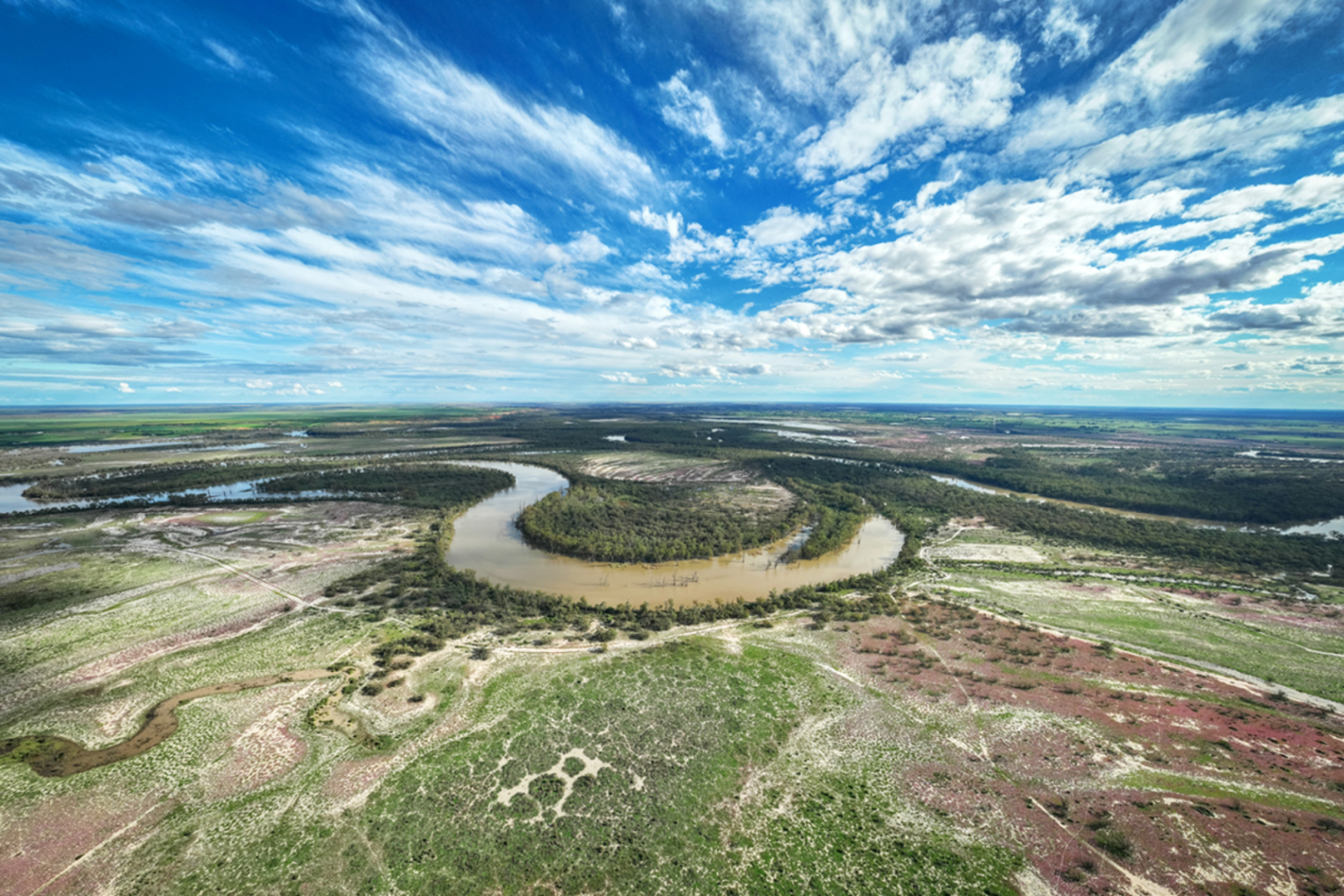
A dry spell for the River Murray regions has resulted in a lower-than-expected water allocation for South Australian irrigators, and weather projections show that it was not guaranteed to improve.
The projected minimum opening water allocation for South Australian River Murray irrigators remains at 62 per cent at the start of the 2026-27 water year, according to the Department for Environment and Water (DEW).
Andrew Weeks, who is executive officer of Riverland Wine, said that the news was “nothing to really panic about yet”, but that those who rely on the allocations will be “watching it very closely”.
“During the previous millennium drought, during those times, we had allocation down much closer to zero, and at times, they only went up to well below 50 per cent for a couple of years,” he said.
“It started at 62 per cent, which, while it’s not 100 per cent and it means that they’re being very conservative about issuing out the allocation at this stage.”

Since the initial projection announcement of April 15, rainfall across the Murray-Darling Basin and inflows into basin storages were not high enough to result in any increase to projected allocations.
DEW said that improvements in irrigation allocations for 2026-27 were likely, with most inflows in the past happening between July and October each year.
However, DEW said that there were no guarantees of improved water availability, with the three-month Bureau of Meteorology outlook showing that rainfall is likely to be below average for parts of the Murray-Darling Basin.
The actual opening minimum allocation announcement for 2026-27 will take place on June 15.
It comes after the Federal Environment and Water Minister Murray Watt in January listed the River Murray as “critically endangered” under national environmental laws.
South Australia’s River Murray Commissioner Dr Emma Carmody previously told InDaily that advocating for the overall water quality would be a priority for her.
Stay informed, daily
She also hopes to push for the full implementation of the Water Act in the Basin Plan to return 450 gigalitres of water to the River Murray to improve its health, as well as calling for the relaxation of constraints to allow water to reach the floodplains, which contain unique ecosystems.
“You’ve got those two legislative levels: one where seasonal allocations do take into account variability, and the other, which deals with the overall quantum of water that can be extracted from the river long-term, that doesn’t take climate change into account, and that’s something we need to look at more closely,” she said.
Dr Jamie Pittock, who is a professor of geography at the Australian National University’s Fenner School of Environment and Society, previously told InDaily that the River Murray System is currently in “very poor health”.
“One is that too much water is extracted primarily for irrigated agriculture. So, 90 per cent of the water taken out of the river is used in irrigated agriculture,” he said.
Want to see more stories from InDaily SA in your Google search results?
- Click here to set InDaily SA as a preferred source.
- Tick the box next to "InDaily SA". That's it.