Feds list Coorong and River Murray as critically endangered
South Australia’s River Murray Commissioner says new federal recognition that the river and Coorong’s ecosystems face “extremely high risk of extinction” is vital.
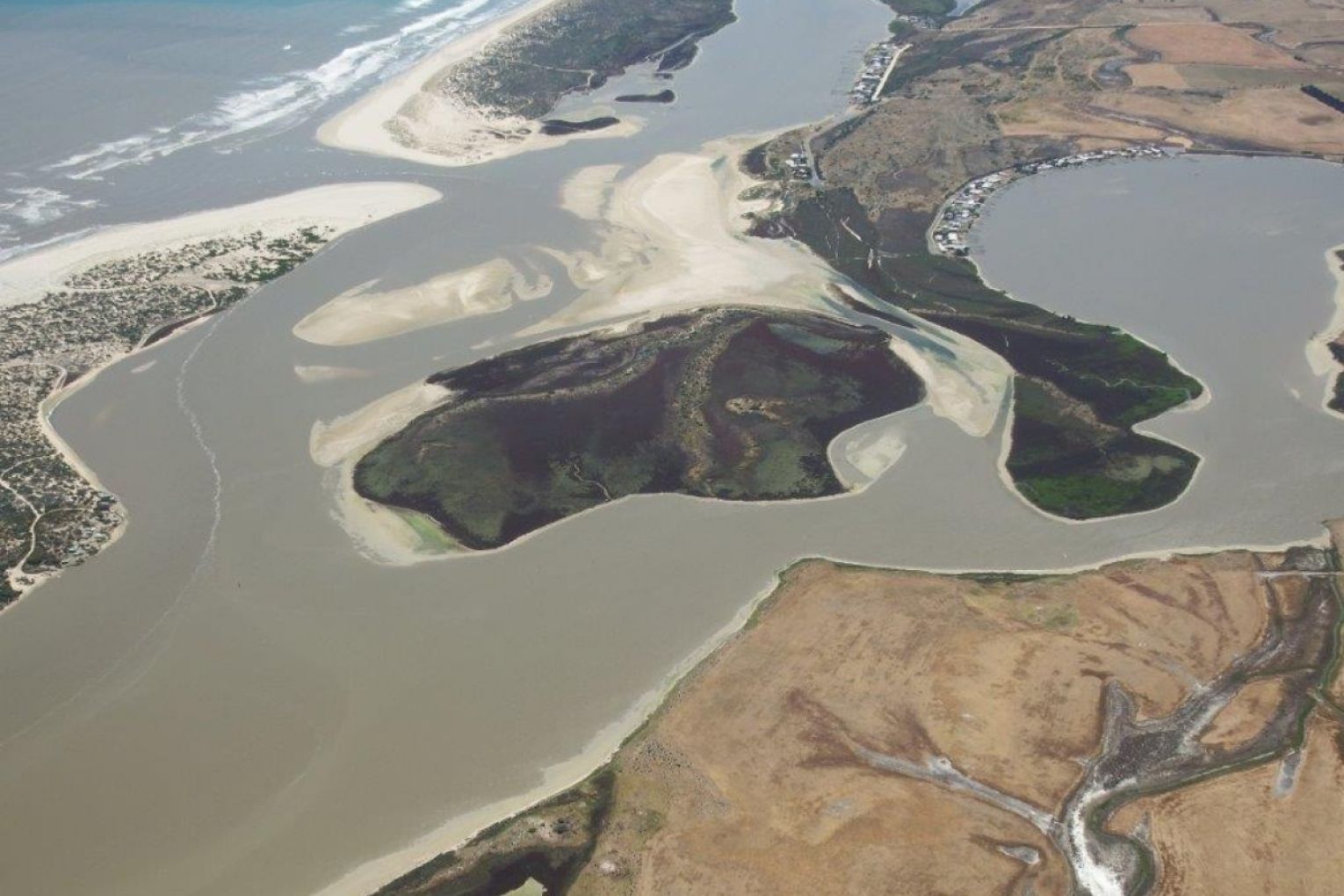
Federal Environment and Water Minister Murray Watt today announced he has accepted a recommendation from Australia’s Threatened Species Scientific Committee to list the “River Murray downstream of the Darling River, and associated aquatic and floodplain systems”, including SA’s Coorong lagoon, as critically endangered under national environmental law.
Watt said the listing would guide all levels of government and local communities to address threats such as invasive species, native vegetation degradation, loss of connectivity, salinity, erosion and climate change.
He said it would also help to inform future Australian government investments aimed at supporting the river ecosystem.
“South Australians, and all Australians, love this region, but its ecosystems are threatened on a range of fronts, with those threats made worse by increasingly severe droughts and floods driven by climate change,” Watt said.
“Ensuring iconic Australian natural environments like this have a future is why the Albanese Government will continue to support progress on the Murray Darling Basin Plan.”
According to the Department of Climate Change, Energy, the Environment and Water, the critically endangered listing is given to “an ecological community” that is “facing an extremely high risk of extinction in the wild in the immediate future”.
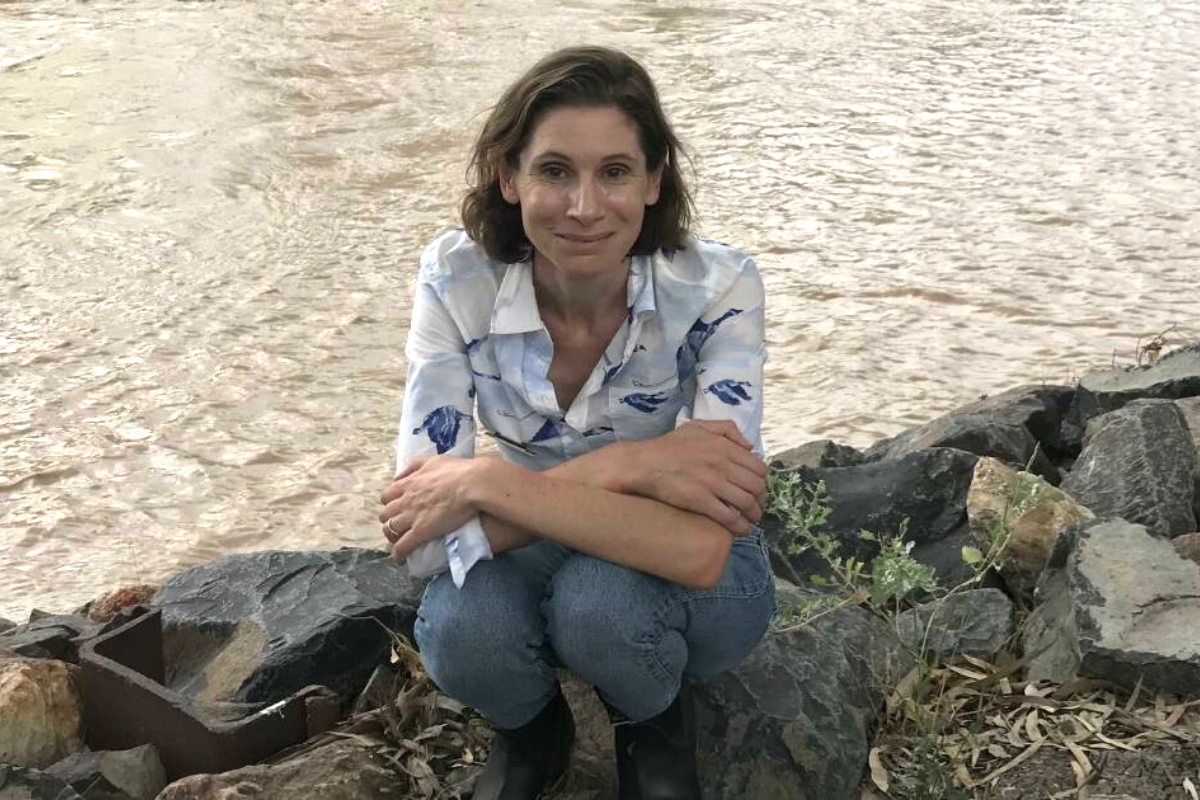
New SA River Murray Commissioner Dr Emma Carmody said the news “reinforces the vital importance of fully implementing the Basin Plan, including by increasing environmental flows and ensuring that this water can be released onto floodplains in South Australia”.
You might like


“This is not only crucial for the environment, but for the communities and industries that depend on a healthy river system,” she said.
The Murray-Darling Conservation Alliance’s co-national director Craig Wilkins said the decision “recognises the River Murray not just as a water supply or economic resource, but a living ecosystem whose health underpins public health, regional livelihoods, cultural connection and community wellbeing”.
“Next steps include stronger water recovery, enforcement of environmental protections, long-term monitoring and meaningful investment in rehabilitation, from source to sea,” he said.
Conservation Council of SA campaigns coordinator Char Nitschke said the listing “recognises what First Nations, scientists, conservation groups and river communities have long warned: Australia’s greatest river system is in crisis, and without strong protection, faces continued ecological decline”.
She said that since the Abbott government “overturned” the listing in 2013, “conditions across the River Murray system have only worsened”.
“Repeated toxic algal blooms, mass fish kills, declining flows, rising salinity and intensifying climate stress have pushed the system closer to collapse. Across the Murray-Darling Basin, 286 species are now threatened with extinction,” she said.
Carmody previously told InDaily that her role as commissioner “is to advocate very strongly the rights and interests of South Australia”.
“In essence, my role will involve advocating for the health of the River Murray and the Murray-Darling Basin, and the return of additional environmental water, in particular to benefit South Australia and its rivers and floodplains, communities, traditional owners and so on,” she said.
This includes advocating for the overall water quality of the River Murray, taking into account climate change and the importance of the river system to First Nations communities.
“Currently, the Basin Plan does not take into account climate change, the rights and interests of First Nations Australians as well – they are not adequately provided for in the current version of the Basin Plan,” she said.
Stay informed, daily
Carmody said that she would push for the full implementation of the Water Act in the Basin Plan to return 450 gigalitres of water to the River Murray to improve its health.
She would also call for a relaxation of constraints to allow water to reach the floodplains, which contain unique ecosystems.
“That effectively means removing or addressing impediments that prevent river operators from releasing environmental flows onto floodplains. That’s a key issue that needs to be addressed,” she said.
Carmody agreed that overallocation of water was a concern and an ongoing issue, adding that while state legislation takes into account the effects of climate change, the same cannot be said of federal rules.
“You’ve got those two legislative levels: one where seasonal allocations do take into account variations in water availability, and the other, which deals with the overall quantum of water that can be extracted from the river over the long term, that doesn’t take climate change into account, and that’s something we need to look at more closely,” she said.
Dr Jamie Pittock, who is a professor of geography at the Australian National University’s Fenner School of Environment & Society, said that the River Murray system is currently “in very poor health”.
“One is that too much water is extracted primarily for irrigated agriculture. So, 90 per cent of the water taken out of the river is used in irrigated agriculture,” he said.
“Another reason is that a whole lot of dams, locks and weirs were built along the River Murray, and that has changed the seasonal timing of the water flows and has blocked the migration of many of the iconic river fish like the Murray Cod.
“There are problems with invasive species like European carp, and then there are many problems with over-clearing of native forests in the catchment – that has led to things like increased saline water getting into the river.”
Other issues included too much sediment washing into the river system, causing severe algal blooms, making the water toxic.
“Many of the wetlands are dying out and turning into terrestrial ecosystems, and that has a huge impact, particularly in South Australia, and that’s because the people who live further upstream exploit the river resources,” he said.
“South Australia’s probably got the most diverse economy dependent on the river in terms of things like a big tourism industry, in terms of a fishing industry, that all depend on the health of the river as much as the irrigation farming.”
The listing comes as Federal Environment Minister, Senator Murray Watt, SA’s Primary Industries and Regional Development Minister Clare Scriven MLC and Climate, Environment and Water Minister Lucy Hood MP, today announced a $20 million grant program for Murray River communities.
According to the State and Federal governments, the grants would support projects that drive economic diversification, innovation and growth, as well as enhance liveability and bolster community resilience in South Australia’s most vulnerable River Murray communities.
Want to see more stories from InDaily SA in your Google search results?
- Click here to set InDaily SA as a preferred source.
- Tick the box next to "InDaily SA". That's it.