‘We bought an island’: Govt invests in swampy real estate
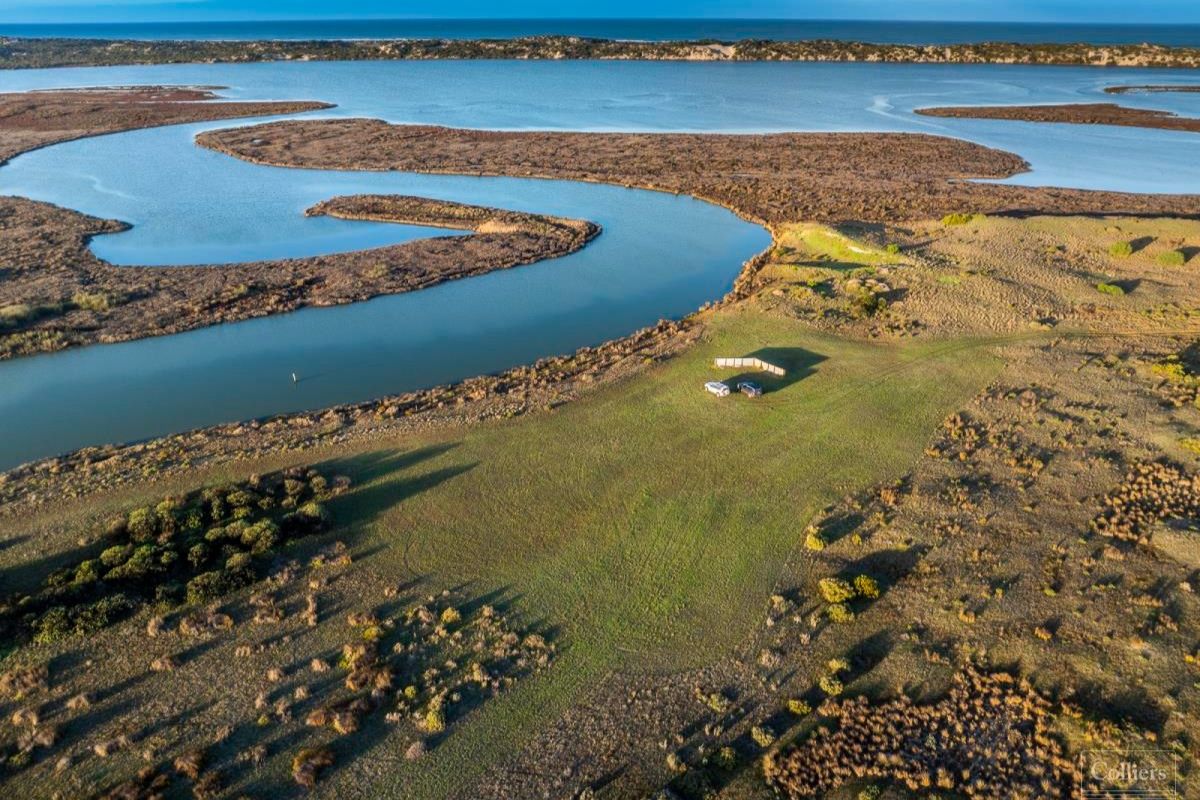
The state and federal governments have bought not one, but three islands near the Murray Mouth they claim will help stifle future devastating algal blooms.
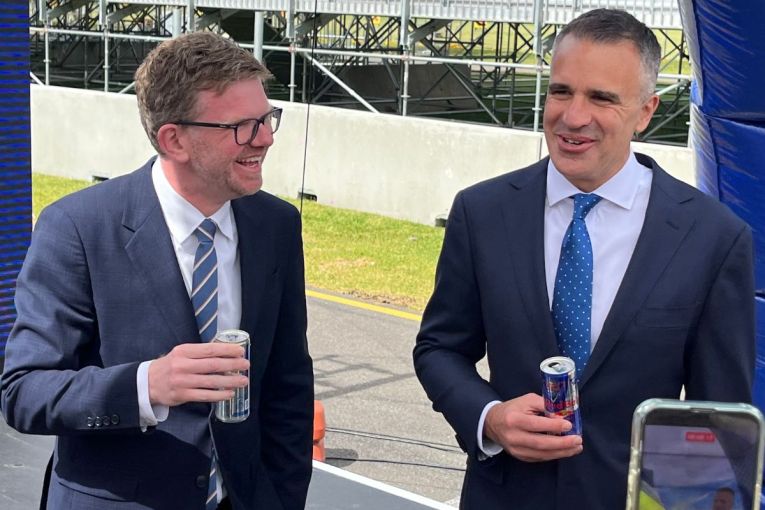
Premier Peter Malinauskas stood alongside federal Environment Minister Murray Watt this morning to announce a $7.5 million deal made in partnership with the National Parks and Wildlife Foundation to buy three islands they plan to add to the neighbouring Coorong National Park.
The unique trio of islands that ran cattle for over 100 years will be turned into a wetlands habitat after the government bought it from a six-generation farming family.
Buying Mundoo Island Station – south of Goolwa – would increase the national park’s footprint by 50,000 hectares and support up to 65 threatened species, according to the National Parks & Wildlife Foundation.
Mundoo Island Station – which includes Ewe and Long islands off the eastern tip of Hindmarsh Island – was operating as a cattle and sheep station for more than a century.
Malinauskas claimed that turning the station into a wetlands habitat would also reduce nutrient runoff across the Murray Mouth and prevent future algal blooms.
“When we think about the challenge of the algal bloom, which, although it has now largely passed us by, it’s important that we continue to invest in recovery and the resilience of our natural environment,” Malinauskas said.
“One of the contributing factors, there’s a number, but one of the contributing factors to the algal bloom was, of course, nutrient runoff.
“So by taking this from a working property where fertilisers are applied and everything else, we diminish the runoff, which diminishes the likelihood of future algal blooms later down the track.”
You might like
The station is at the end of the River Murray and is part of the 142,500-hectare Coorong and Lakes Alexandrina and Albert Ramsar Wetland – an internationally recognised site.
The site also includes designated camping sites and waterways that allow for water sports, fishing and bird watching.
It was on the market for about a year and sold by Colliers in December.
Colliers National Director Tim Altschwager said the listing received a lot of interest from graziers and eco-tourist providers but that the government was a “logical buyer”.
“It’s a pretty unique ecosystem there, with the bird life, fish colonies, and access is already private through the government-operated barrages,” he said.
Watt said that Mundoo Island was a unique mix of island ecosystems with salt water of the Coorong and fresh water of the River Murray.
The Grundy family owned and operated the station for six generations, grazing 500 Angus breeding cattle, 275 Dorper sheep and dug its channels so freshwater could come in and out, producing swampy country on half the site.
It’s understood that the family sold the property to scale down its farming operations.
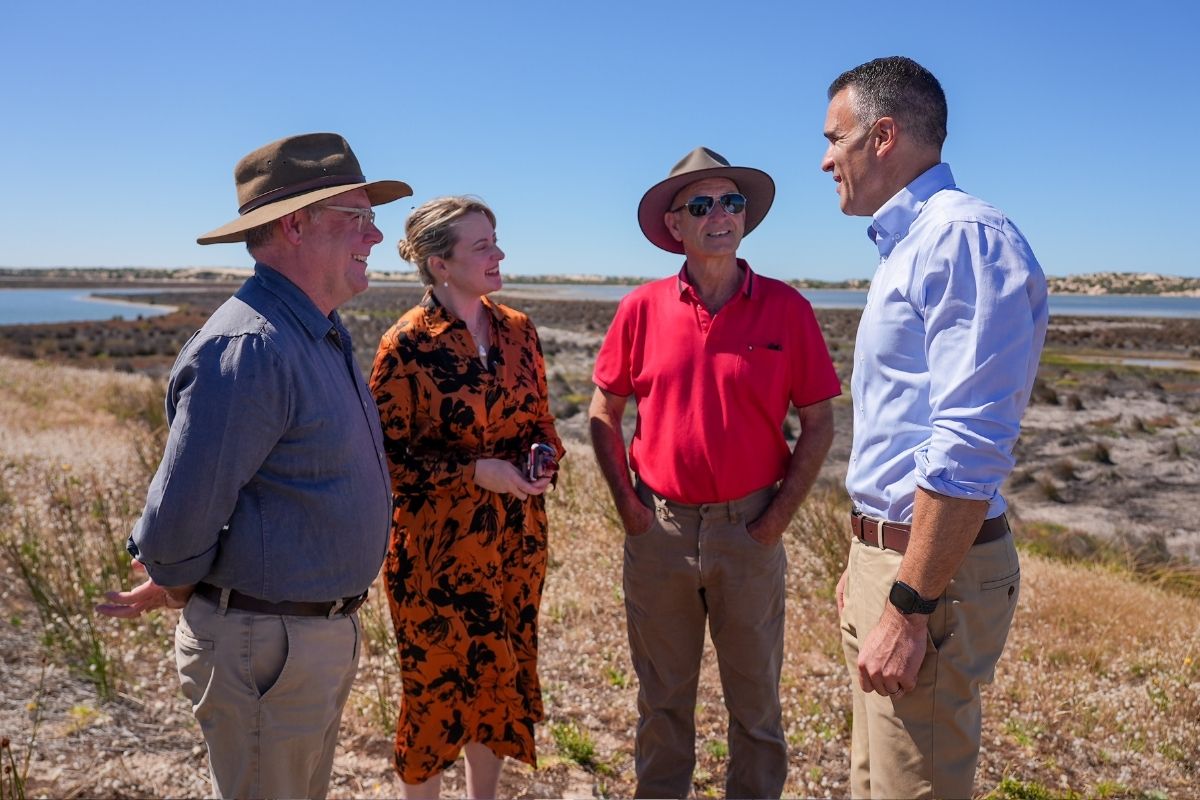
Premier Peter Malinauskas and Lucy Hood thanked 69-year-old Colin Grundy, the prior owner and manager of the property.
“This magnificent property belongs to Colin and his family, and has for well over 100 years, and without Colin’s support and stewardship, we’d not be in this position today,” Premier Peter Malinauskas said.
It would be destocked, with cropping and fertiliser use on the site stopped to restore and rehabilitate the wetlands.
Stay informed, daily
Of the $7.5 million cost, the federal government contributed $5.3 million, the SA government paid $1.2 million and the National Parks & Wildlife Foundation paid $1 million.
The state government said it would prepare a new plan to manage the bigger park that includes the newly-purchased islands and the existing Lawari Conservation Park on the eastern side of nearby Hindmarsh Island.
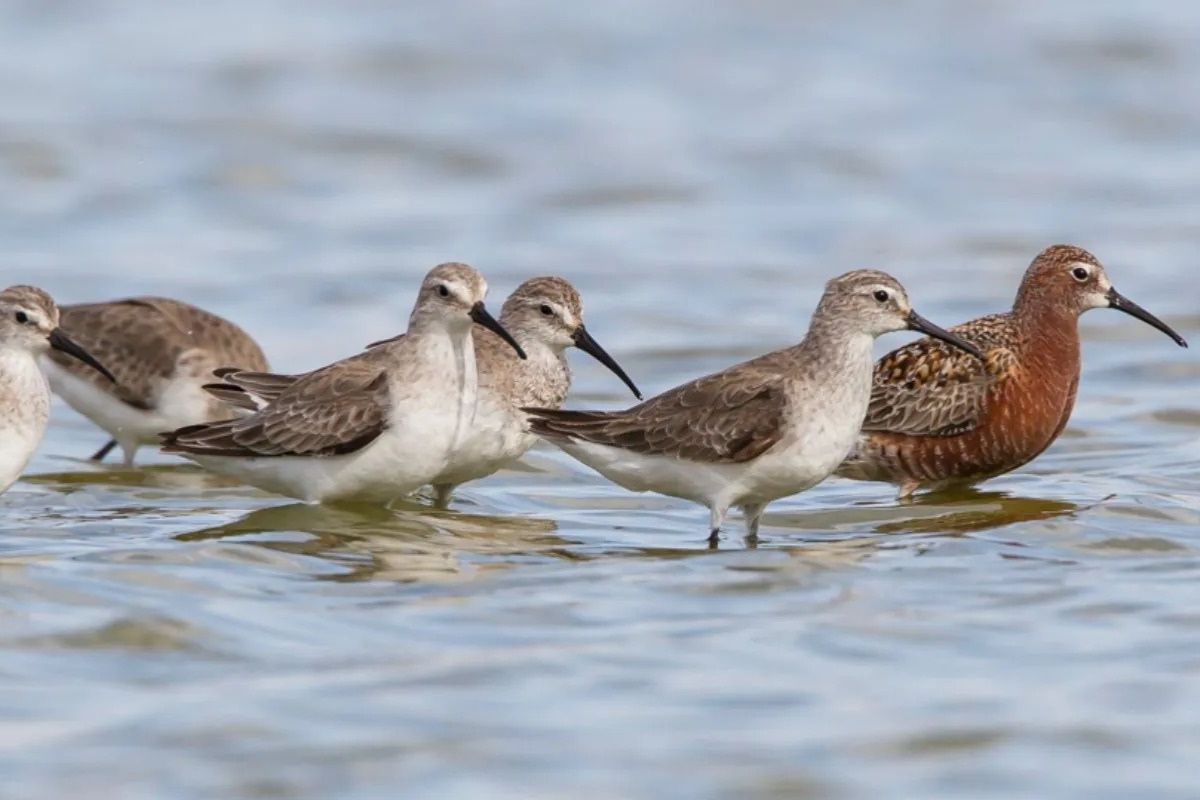
The property is also home to native shorebirds, like Cape Barren geese and the critically endangered curlew sandpiper, which the government say will be supported by the improved habitat.
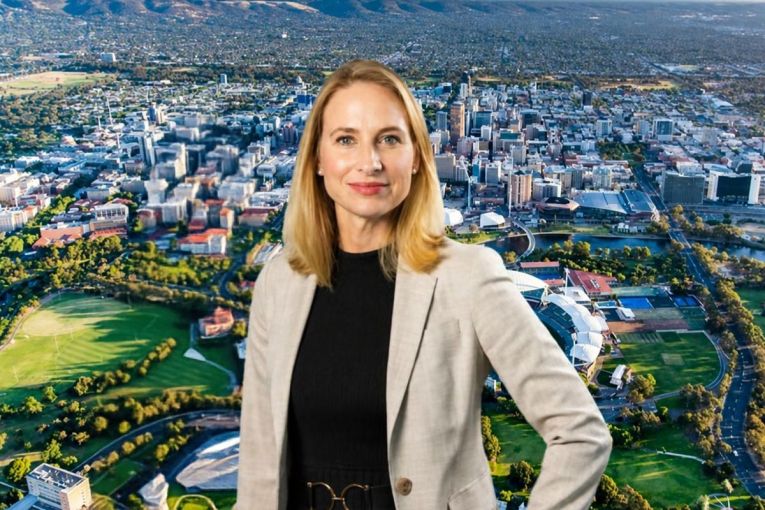
SA Environment Minister Lucy Hood said the newly-protected habitat could allow for the reintroduction of threatened fish like the Yarra pygmy perch, Southern pygmy perch, Murray hardyhead and purple-spotted gudgeon.
“More habitat will be provided, and protected, for key fish and bird species that attract visitors with spectacular displays,” she said.
SA Liberal Leader Ashton Hurn said she had not seen all the details of the national park expansion onto Mundoo Island, but that her party would support it.
“When it comes to national parks, the Liberal Party has a really proud history when it comes to that, when the Marshall government was in office, we doubled the size of national parks in SA, I think activating more open space for people right across our state is a good thing,” she said.
“We want to encourage people to enjoy the great outdoors, enjoy our environment and so I think this is something that we can get behind.”
The acquisition aligned with a joint state and federal government goal to protect 30 per cent of Australia’s land mass and marine areas by 2030.
Aboriginal significance

Mundoo Island contains registered Aboriginal heritage sites – like the ‘Meeting of the Waters’ where the River Murray and Coorong connect with surrounding waters.
The Department of Environment and Water said it would work with the Ngarrindjeri Aboriginal Corporation to protect the sites.
“Ngarrindjeri Aboriginal Corporation are genuinely excited by the State Government purchase of Mundoo Island, which holds significant cultural heritage to the Ngarrindjeri Nation,” the corporation executive officer Bill Wilson said.
Want to see more stories from InDaily SA in your Google search results?
- Click here to set InDaily SA as a preferred source.
- Tick the box next to "InDaily SA". That's it.