‘Shocking decision’: South East fracking ban reversal blasted
The state government has reversed an eight-year ban on controversial underground fracking in the state’s South East. A peak Limestone Coast wine body criticised the Premier’s announcement saying the industry will be “deeply affected”.
The Malianuskas government’s decision to remove a current ban on fracking in South Australia’s South East to progress gas discoveries has been described by a Limestone Coast winemaker as “deeply regrettable”.
A new piece of legislation will be introduced into state parliament next week removing a moratorium on hydraulic fracture stimulation on the Limestone Coast with Premier Peter Malinauskas saying it needs to happen with the current fuel and gas crisis. He also described the moratorium as a “folly”.
The removal of the ban first established by the former Marshall Liberal government in 2018, could unlock new gas resources for the state, Malinauskas and Treasurer Tom Koutsantonis said in a press release Thursday morning.
Fracking processes have been controversial over fears it could affect underground water sources but it is currently permitted everywhere in South Australia except for the South East where its dominant industries are farming and winemaking.
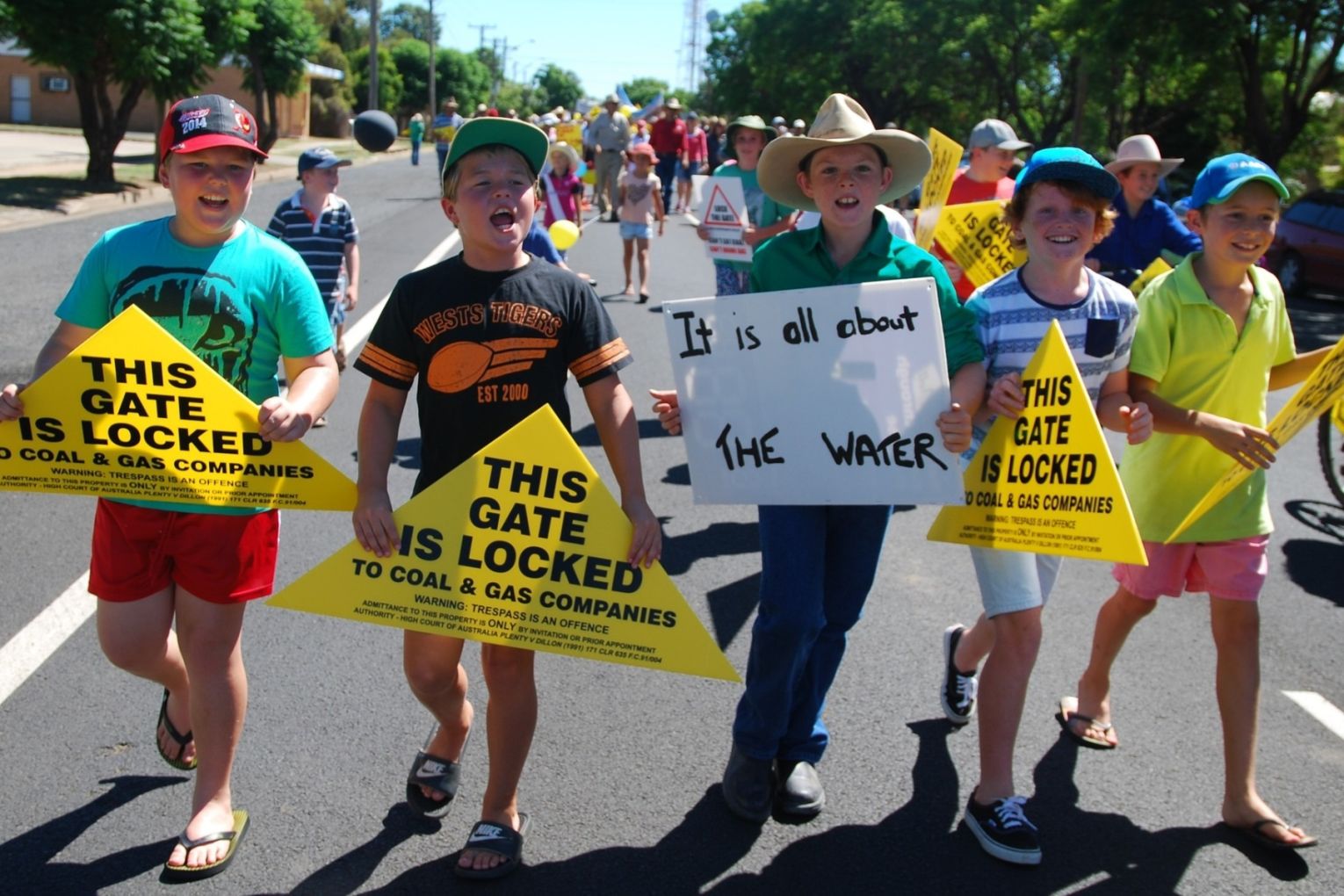
The ban on fracking – a process for extracting gas from the ground that involves pumping chemicals and water into the ground to fracture rock – was won after intense lobbying by the South East community.
Limestone Coast Grape and Wine Council public officer and one of the leading names in Coonawarra wine Pete Bissell said it was an “extremely disappointing decision” from the state government.
“The overturning of this ban will precede the conclusion of the water allocation plan for the Limestone Coast, which is concerning because the fullest picture of the possible environmental and agronomic consequences of fracking will not emerge in time,” Bissell said.
“Fracking is not the answer here. To jeopardise the sustainable farming future of the region, for projects of this kind, is deeply regrettable.
You might like


“The wine industry, like other industries, will be deeply affected by this decision.”
Georgina Woods, the acting national coordinator for conservation group Lock The Gate – a group heavily involved in the 2010s push to ban fracking in the area – said today’s announcement was a “kick in the guts to the 95 per cent of Limestone Coast residents who… declared that they wanted their region to stay gasfield free”, referring to a survey of 5866 South East locals between 2014 and 2017.
“Fracking is the most environmentally destructive way to extract gas – it’s hugely water-intensive and pumps vast quantities of harmful chemicals into the landscape. Unleashing it on the Limestone Coast would put precious groundwater, fertile farmland and food security at direct risk,” Wood said.
“Premier Malinauskas has forgotten that the fracking ban was put in place in response to popular rejection of unconventional gas drilling. Using the global energy crisis as a cover to unwind protections for farmland and water is not going to wash.”
But South Australian Chamber of Mines and Energy CEO Catherine Mooney welcomed the government’s move, saying it “restores science-based decision making and puts South Australia back on the map as a state that welcomes responsible investment”.
“Removing that moratorium will allow the South East region to participate fully in the state’s economic future, while also continuing to operate under some of the strongest environmental protections in the world,” Mooney said.
“South Australia has world-class environmental standards and a very rigorous regulatory framework. Allowing those safeguards to operate as they’re intended, rather than imposing blanket bans, is the right path.”
The state government said removing the moratorium would allow any future proposals in the South East to begin planning, technical studies and baseline environmental work needed to support regulatory assessment.
The state hoped the move would increase its gas reserves, having earlier this year announced a deal with gas giant Santos under which the company will supply 20 petajoules of gas each year for 10 years from 2030 to the state – about a third of SA’s entire gas usage.
Premier Peter Malinauskas said in a statement that “science and economics should dictate energy policy, not politics” and that it was a “folly by the former government to lock up a potential future gas supply in one part of our state”.
Stay informed, daily
“For this reason, we take seriously multiple examinations, including from the CSIRO that the most appropriate form of energy in this country is renewable energy backed up by gas,” he said.
“Gas also has an incredibly important role in the decarbonisation of industry, hence my government’s investment in a Strategic Gas Reserve.
“The Iran fuel crisis is giving all Australians a window into what happens when we fail to take our energy security and sovereignty seriously.”
He stressed the decision “does not approve fracking”, rather “it removes a blanket ban and ensures that any future proposal must meet rigorous scientific, environmental and community scrutiny”.
“Groundwater protection is non-negotiable. If those standards cannot be met, the project will not proceed,” he said.
Energy and Mining Minister Tom Koutsantonis said the Liberals “must now join the Malinauskas government in a bipartisan effort” to “unlock new gas potential and safeguard energy security”.
While Liberal spokesperson for Energy and Mining Ben Hood said South East residents deserved “genuine consultation before the government pushes ahead with any repeal”.
“The South East is home to prime agricultural land, critical aquifers and regional industries that rely on long-term environmental certainty,” Hood said.
“The government should not be rushing this process without first listening to local landholders, councils, businesses and residents who will be directly impacted.
“The Coonawarra isn’t Moomba. This is a completely different environmental and economic context, where everything hinges on our groundwater and aquifers.”
But the Conservation Council of South Australia’s CEO Kirsty Bevan said the move was a “step backwards”, noting the risk fracking may pose to underground water sources.
“When we are really starting to feel the full effects of climate change, moving backwards is just not the right move,” she said, “it is just a shocking decision.”

Want to see more stories from InDaily SA in your Google search results?
- Click here to set InDaily SA as a preferred source.
- Tick the box next to "InDaily SA". That's it.